Best remote backcountry fishing spots on Kauai
Finding truly remote and untouched fishing spots on Kauai can feel like trying to locate a secret waterfall after a heavy rain—challenging, rewarding, and often requiring a bit of determination to get away from the well-trodden paths. This guide is here to help you unlock some of those hidden gems, offering insights into Kauai's backcountry fishing opportunities and the adventures that await anglers willing to go the extra mile.
Why Seek Remote Backcountry Fishing on Kauai?
Let's be honest, everyone dreams of that perfect, serene fishing experience where the only sounds are the rustle of the wind through the leaves and the gentle lapping of water. Kauai offers incredible beauty, but its popular spots can get busy. The real magic, for many of us, lies in venturing off the beaten path, and that's precisely what backcountry fishing on Kauai provides.
Escaping the Crowds and Finding Solitude
One of the biggest draws of remote backcountry fishing is the profound sense of solitude it offers. Imagine casting your line into a pristine stream surrounded by lush, verdant mountains, or exploring a secluded coastal cove where your footprints might be the only ones on the sand. This isn't just about catching fish; it's about reconnecting with nature on a deeper level, finding peace, and truly unwinding away from the hustle and bustle of everyday life. You're trading crowded beaches and popular piers for an immersive, quiet wilderness experience.
For many anglers, the sheer act of being alone with nature, away from other boats or shorelines dotted with people, is as fulfilling as any catch. It allows for a level of focus and appreciation for the environment that's often lost in more accessible areas. This quest for tranquility often leads to unforgettable moments, whether it's observing a rare bird or simply enjoying the vastness of the Hawaiian landscape without interruption.
Targeting Unpressured Fish
When fish are constantly pressured by anglers, they become wary, learning to avoid common baits and techniques. This isn't the case in Kauai's remote backcountry. Here, the fish often see far fewer lines, making them more aggressive and, frankly, easier to entice. You might find larger, healthier specimens that haven't been subjected to the constant stress of catch-and-release or harvest by numerous fishing parties.
These unpressured fish tend to strike with more enthusiasm and fight with greater vigor, providing an exhilarating experience. Whether you're targeting trout in a mountain stream or papio in a hidden estuary, the lack of angling pressure means your chances of a successful and memorable catch are significantly higher. It's a testament to the idea that sometimes, the best fishing requires the most effort to reach.
The Thrill of the Journey
Let's not forget the adventure itself! Reaching these remote spots often involves hiking through rugged trails, navigating dense foliage, or paddling a kayak along a stunning, undeveloped coastline. This isn't just a drive-up-and-fish scenario; it's an expedition. The journey becomes an integral part of the experience, building anticipation and making the eventual fishing all the more rewarding.
The effort you put into the trek amplifies the satisfaction of your catch. Every step, every paddle stroke, every obstacle overcome adds to the story. It's about earning your fishing spot, developing a deeper appreciation for the land and sea, and creating memories that go far beyond just the fish you bring in. This kind of adventure fosters self-reliance and offers a unique perspective on Kauai's wild heart.
Navigating Kauai's Rugged Backcountry for Anglers
Venturing into Kauai's remote backcountry for fishing isn't something to take lightly. The island's diverse terrain, from deep canyons to dramatic coastlines, demands careful preparation. You're not just heading to a local pond; you're entering a wild, untamed environment where self-sufficiency is key.
Essential Gear for Remote Excursions
When planning a remote fishing trip on Kauai, your gear list needs to extend beyond just your rod and reel. Think "survival" and "self-sufficiency."
First, reliable footwear is paramount. Sturdy, waterproof hiking boots with excellent ankle support are a must, as trails can be muddy, rocky, and steep. For river crossings or wet wading, a good pair of wading shoes or closed-toe sandals with solid grip is also advisable.
Next, navigation tools are crucial. Don't rely solely on your phone; bring a physical map and compass, and know how to use them. A GPS device or a reliable mapping app with downloaded offline maps (like Gaia GPS or AllTrails) can be incredibly helpful. Always inform someone of your planned route and expected return time.
Water and food are non-negotiable. Carry more water than you think you'll need, especially in Hawaii's humid climate. A water filter or purification tablets are also smart additions for longer trips. Pack calorie-dense, non-perishable food that's easy to carry.
For fishing, versatile, packable tackle is best. Consider a multi-piece travel rod that can handle both freshwater and light saltwater species. Lures that mimic local baitfish (small spoons, soft plastics, poppers for papio) and a selection of flies for trout are good choices. Don't forget extra line, leader material, hooks, and weights. You'll want to be prepared for the unexpected when you're far from any tackle shop.
A first-aid kit stocked for wilderness emergencies, a headlamp, a multi-tool, and a whistle for signaling are also vital. Rain gear is a must, as weather can change rapidly on Kauai. Finally, a comfortable, well-fitting backpack to carry all your essentials without weighing you down is indispensable.
Understanding Access and Permits
Before you even think about casting a line, you need to understand the local rules and regulations. This isn't just about legality; it's about respecting the land and ensuring a sustainable future for these precious resources.
For any freshwater fishing on Kauai, including the remote streams of Waimea Canyon and Kokee, you absolutely need a valid freshwater fishing license. The process for obtaining this is fairly straightforward, but it's something you need to secure before you head out. You can find detailed information on how to get one in guides like our Hawaii Freshwater Fishing License and Rules or by visiting the Hawaii Division of Aquatic Resources (DAR) website. Always check for specific bag and size limits for target species, which are outlined in resources like our Hawaii Bag and Size Limits by Species. Remember, these regulations are in place to protect the fish populations and ensure healthy ecosystems for everyone.
Some areas might also require specific access permits or have restricted entry, particularly if they are on private land, within state parks, or designated conservation areas. For example, some remote sections of the Na Pali Coast are highly protected, and access might be limited to certain trails or by specific permits. Always research the exact regulations for the specific area you intend to visit. FishingBooker can sometimes offer insights into local regulations or guide services that operate within specific permitted areas, although true backcountry access often requires more individual research directly with the Hawaii Department of Land and Natural Resources (DLNR).
Respecting "kapu" (sacred or forbidden) areas, private property, and any local cultural practices is also paramount. Always err on the side of caution and if you're unsure about access, assume it's restricted until you can confirm otherwise.
Safety Considerations in Remote Terrain
The beauty of Kauai's backcountry comes with inherent risks, and ignoring them can turn an amazing trip into a dangerous situation.
Weather conditions are perhaps the biggest variable. Kauai's weather can shift dramatically and rapidly, especially in mountainous regions. Sunny skies can give way to torrential rain and flash floods in a matter of minutes. Always check the forecast before you go, but be prepared for anything. Rain can make trails incredibly slippery and create dangerous river crossings.
Communication can be a major challenge in remote areas where cell service is non-existent. Consider carrying a satellite messenger or a personal locator beacon (PLB) for emergencies. These devices can literally be lifesavers if you get lost or injured.
Wildlife encounters are generally not a major threat in Hawaii compared to other wilderness areas, but it's always wise to be aware. While there are no large predatory mammals, centipedes, spiders, and mosquitoes are common. More importantly, respecting native seabirds and monk seals on the coastline is crucial. Give them space and never disturb their natural habitats.
Physical fitness is also a key safety factor. Remote trails can be strenuous, involving significant elevation changes and rough terrain. Be honest about your capabilities and don't push beyond your limits. Staying hydrated and nourished is essential to prevent fatigue, which can lead to mistakes and injuries. Carrying a well-stocked first-aid kit is not just good practice, it's mandatory for self-treatment of minor injuries or stabilization for more serious ones until help can arrive.
Top Remote Backcountry Fishing Zones on Kauai
Kauai's topography offers a fantastic mix of remote freshwater streams and secluded saltwater havens. Each presents unique challenges and rewards for the adventurous angler.
Waimea Canyon's Interior Streams
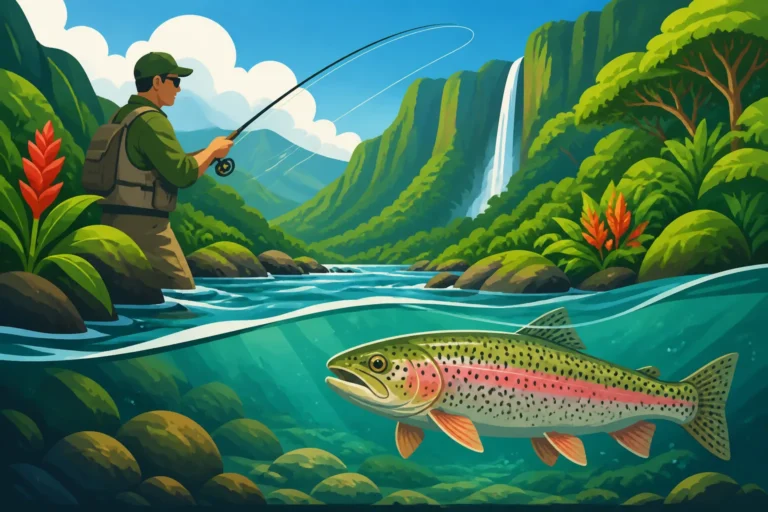
When most people think of Waimea Canyon, they envision the "Grand Canyon of the Pacific" with its stunning overlooks. But tucked deep within its vastness are a network of freshwater streams that offer incredibly rewarding, albeit challenging, fishing opportunities. The streams here, particularly the tributaries that feed into the Waimea River system, are home to Hawaii's only significant freshwater game fish population: rainbow trout.
Fishing these streams is a true wilderness experience. Access often involves long, steep hikes down into the canyon, sometimes requiring bushwhacking through dense vegetation. The effort is well worth it, however, as you're likely to find pristine, cool waters teeming with vibrant rainbow trout. These aren't your typical hatchery fish; they are wilder, smarter, and fight with incredible energy.
Popular areas include the streams within the Kokee Public Fishing Area Guide. While some parts are more accessible, venturing deeper into the canyon's interior will lead you to less pressured stretches. The season for trout fishing is strictly regulated and typically runs from August to September, so make sure to check the Hawaii Kokee rainbow trout season opening date and other rules before planning your trip. Light spinning gear with small spinners or jigs, or traditional fly-fishing setups with dry flies, nymphs, and streamers, are excellent choices here. Anglers might also encounter smallmouth bass or tilapia in some of the slower-moving pools, though trout are the primary draw.
Remember, "leave no trace" is paramount in this delicate ecosystem. Pack out everything you pack in, and be mindful of your impact on the stream banks and surrounding vegetation.
Na Pali Coastline's Secluded Coves and River Mouths
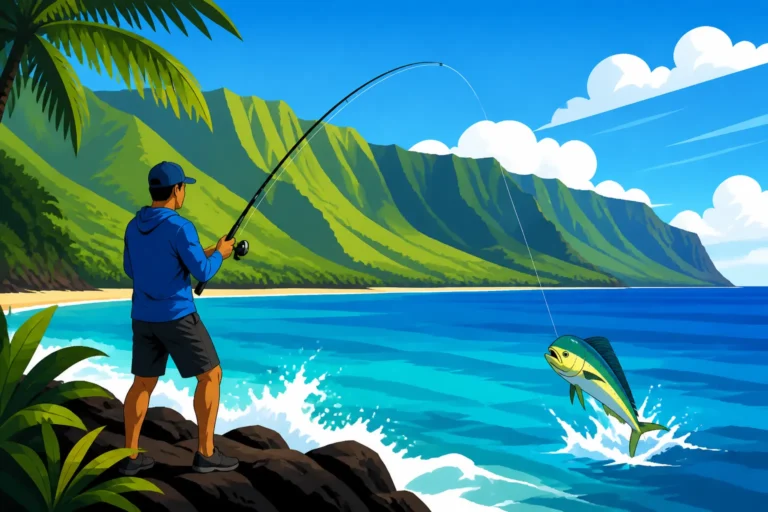
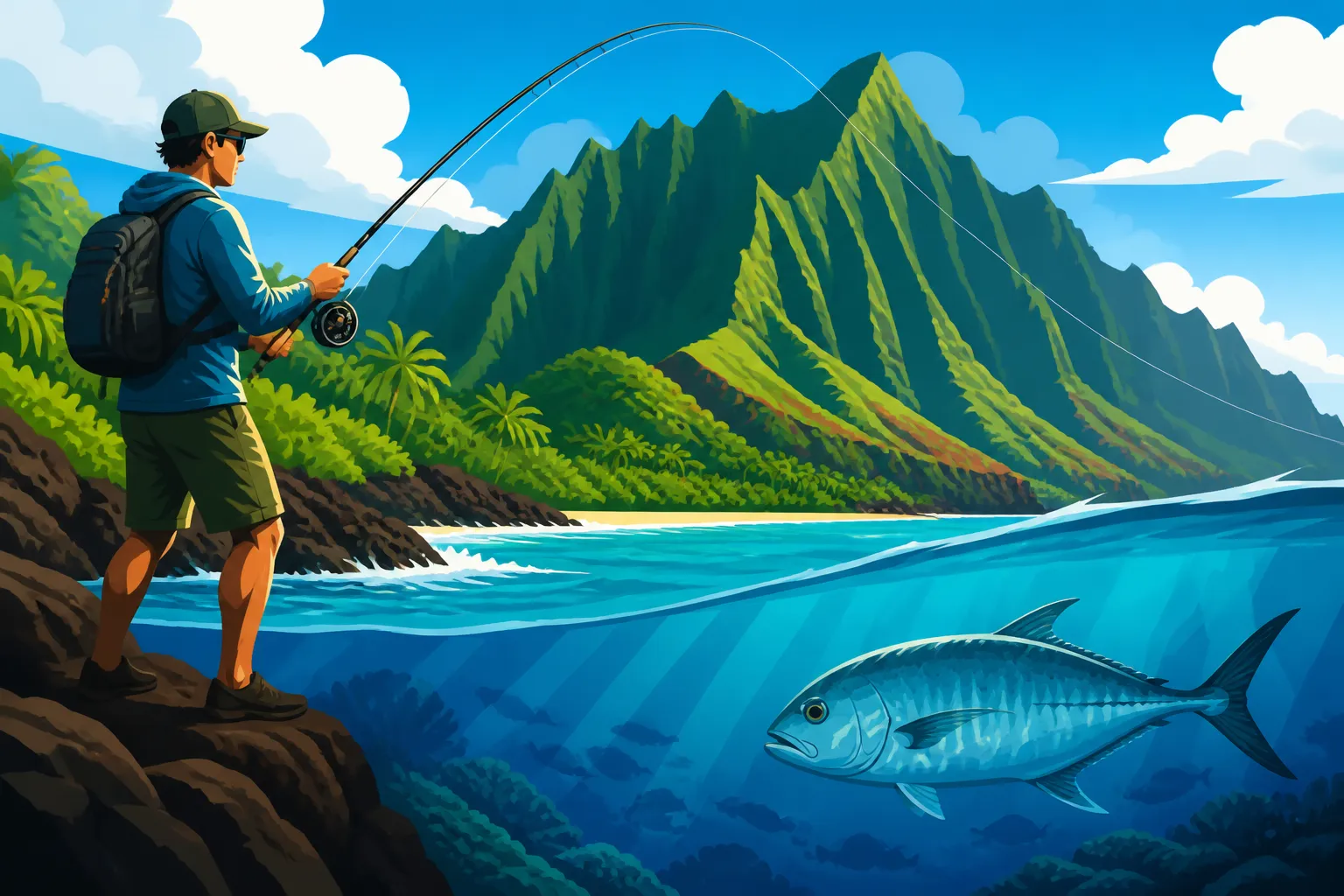
The Na Pali Coast is one of Hawaii's most iconic and remote stretches of shoreline. While famous for its dramatic cliffs and lush valleys, it also harbors incredibly rich fishing grounds in its secluded coves, rocky points, and river mouths—places mostly accessible by challenging hikes or kayak.
Reaching these spots often means tackling sections of the Kalalau Trail (which itself requires permits) or paddling from a launch point like Ke'e Beach (with appropriate permits and experience). For serious anglers, the reward is casting into waters that see very little human interference. Here, you can expect to find strong fighting fish like papio (juvenile giant trevally), ulua (adult giant trevally), various types of snapper (like to'au and nabeta), and even smaller reef fish.
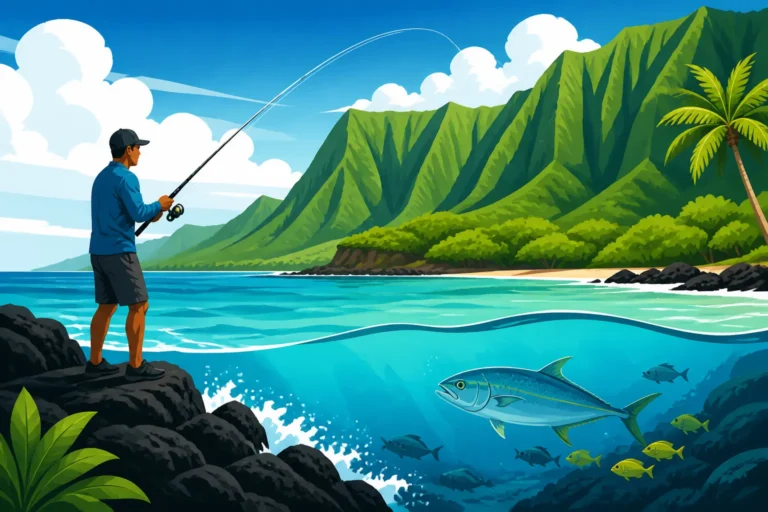
Shore casting from these remote points can yield incredible results. Heavy-duty spinning rods capable of casting long distances are essential, along with a variety of lures, including metal jigs, heavy poppers, and large soft plastics that imitate baitfish. For those interested in a more primal approach, and if regulations permit, spearfishing in these clear waters can be exceptionally productive, but always check the Hawaii Spearfishing Regulations as rules can be very strict in conservation-sensitive areas. Knowing Hawaii Papio and Ulua Size Rules is also vital for responsible angling here.
The river mouths along the Na Pali, where freshwater meets saltwater, are often hotspots as baitfish congregate, attracting larger predators. These transition zones can be fantastic for targeting both papio and ulua. However, these areas are often exposed to powerful ocean swells, so extreme caution and excellent ocean knowledge are required. Kayak fishing offers another way to access these coves, allowing you to cover more ground and target fish from a different vantage point, but only for experienced paddlers in calm conditions.
Eastern and Northern Shores' Hidden Estuaries and Ponds
While the Na Pali gets most of the "remote" attention, the less-traveled eastern and northern shores of Kauai also hold their own hidden treasures. These areas tend to have more brackish water estuaries, secluded ponds, and lesser-known river mouths that can be surprisingly productive for those willing to explore.
These spots are generally not advertised and require local knowledge or significant on-the-ground exploration to discover. They might involve short, unmarked hikes through dense foliage off secondary roads, or require a kayak or paddleboard to access across shallow, protected waters. Here, you'll often find a mix of freshwater species like tilapia and largemouth bass, alongside saltwater species such as papio and barracuda, especially in areas where rivers meet the ocean.
For example, tucked away coves along the East Side can hold excellent papio fishing during favorable tides, especially if there's a stream flowing nearby. Similarly, some overgrown, stagnant ponds in the interior can be surprisingly good for tilapia or even a stray bass. These areas thrive away from the spotlight, and fish are often less wary due to low pressure. Lures like small crankbaits, soft plastics, or even live bait (if legally sourced) can be effective.
One of the challenges here is differentiating between public access and private property, so always be respectful and cautious. Consulting with local fishing forums or guides (which can sometimes be found via platforms like FishingBooker for general Kauai fishing, even if not specifically for these hidden spots) might give you clues, but the true spirit of these spots lies in self-discovery. These locations exemplify the idea that some of the best fishing spots are found, not told.
Techniques for Success in Kauai's Backcountry
Success in Kauai's remote backcountry fishing isn't just about finding the fish; it's about employing the right techniques and having a deep respect for the environment. These untouched waters demand a delicate touch and a mindful approach.
Freshwater Tactics for Mountain Streams
When you're deep in Waimea Canyon or the Kokee streams, chasing rainbow trout, your tactics need to be subtle and precise. These streams are often clear, and the fish can be easily spooked by heavy footsteps or clumsy casting.
Fly fishing is arguably the most effective and aesthetically pleasing method here. A light 3-5 weight fly rod is ideal, allowing for delicate presentations. Patterns that mimic local insect life (small nymphs, dry flies like caddis or mayfly imitations) or small streamers can be incredibly effective. Focus on casting upstream and allowing your fly to drift naturally downstream, covering pools, eddies, and undercut banks where trout love to hide. Stealth is key; approach quietly, stay low, and try to cast from a position where you won't be silhouetted against the sky. For more detailed insights, you can review resources like our Best Techniques for Freshwater Trout at Kokee.
For those preferring light spinning gear, small inline spinners (like Panther Martins or Mepps) in natural colors, or tiny jigs tipped with a grub, work wonders. Again, focus on accuracy and a quiet approach. Cast into pockets of calm water behind rocks or into deeper runs. Retrieve slowly, letting the lure tumble naturally with the current. Ultralight rods with 2-4 lb test line will maximize your sport and ensure a subtle presentation. Remember, these are wild trout, so matching the hatch and a stealthy approach are more important than brute force.
Shoreline and Estuary Strategies
Fishing the remote coves, rocky points, and river mouths of Kauai's backcountry demands different tactics suited to the powerful marine environment. Here, you're often targeting powerful species like papio and ulua.
Whipping is a popular and effective technique for papio along the shoreline. This involves casting small, flashy lures (like Kastmasters, Tady jigs, or even small poppers) and retrieving them rapidly. Look for areas with current, baitfish activity, or structure like submerged rocks and reef edges. Work the water column thoroughly, experimenting with retrieve speeds and pauses. Often, the strike will be sudden and aggressive. For general tips, our guide on Shore Fishing Techniques for Hawaii offers a solid foundation.
For larger ulua, especially at night or during strong tides, sliding bait rigs are often preferred. This involves casting a heavy sinker and then "sliding" a live bait (like a large opelu or akule) down the main line to sit on the bottom. The waiting game can be long, but the reward of a powerful ulua strike is unparalleled. Heavy tackle is essential for this, with stout rods, large reels, and strong braided line. Alternatively, casting large poppers or stickbaits at dawn or dusk can provoke explosive surface strikes from aggressive ulua. Target current lines, channel mouths, and deep drop-offs near the shore.
In estuaries, where freshwater meets salt, focus on areas with tidal flow and baitfish concentrations. Using small swimbaits, soft plastic shrimp imitations, or even live bait under a float can attract a variety of species from tilapia to papio. Pay attention to tide changes, as incoming or outgoing tides often stimulate feeding activity in these transition zones.
Environmental Awareness and "Leave No Trace"
Venturing into Kauai's remote backcountry is a privilege, and it comes with a deep responsibility to protect these pristine environments. The "Leave No Trace" principles are not just guidelines; they are fundamental rules for any outdoor enthusiast.
Plan ahead and prepare: Research the area thoroughly, know the regulations, and pack appropriate gear. This minimizes your impact and ensures your safety.
Travel and camp on durable surfaces: Stick to marked trails. If there are no trails, spread out to avoid creating new ones, especially in sensitive areas like stream banks or fragile coastal vegetation.
Dispose of waste properly: Pack out everything you pack in, including all fishing line, hooks, and food wrappers. Human waste should be buried in catholes 6-8 inches deep and at least 200 feet from water sources, trails, and campsites.
Leave what you find: Do not disturb cultural artifacts, rocks, plants, or other natural objects. Take only photographs and memories.
Minimize campfire impacts: Use existing fire rings where allowed, or consider using a camp stove. Ensure fires are completely out before leaving.
Respect wildlife: Observe animals from a distance. Never feed them. Store food securely to prevent attracting wildlife.
Be considerate of other visitors: While solitude is a goal, if you do encounter others, be polite and respectful of their experience.
By adhering to these principles, we ensure that Kauai's remote backcountry fishing spots remain beautiful and productive for generations to come.
Remote Backcountry Fishing Spots on Kauai – Overview
Here's a quick look at some of the types of remote backcountry fishing experiences you can find on Kauai.
| Fishing Zone | Primary Access Method(s) | Target Species (Primary) | Recommended Gear (General) | Key Considerations |
|---|---|---|---|---|
| Waimea Canyon Interior Streams | Strenuous hiking | Rainbow Trout, Smallmouth Bass | Fly rod (3-5wt), Light spin | Seasonal access, Permits, Flash floods, Steep terrain |
| Na Pali Secluded Coves | Challenging hiking, Kayak (exp) | Papio, Ulua, Snappers | Heavy spin, Large lures | Ocean conditions, Permits, No cell service, Big swells |
| Eastern/Northern Estuaries | Unmarked trails, Kayak/SUP | Tilapia, Papio, Bass, Barracuda | Medium spin, Lures/live bait | Private property, Variable water levels, Mud/bugs |
Disclaimer
The information provided in this guide is for general informational purposes only and is subject to change. Fishing regulations, access rules, and environmental conditions in Hawaii can vary and be updated frequently. Always consult the official Hawaii Department of Land and Natural Resources (DLNR) Division of Aquatic Resources (DAR) website, local authorities, and weather forecasts before planning any fishing trip. Safety in remote backcountry areas is paramount; always inform others of your plans, carry appropriate safety gear, and be prepared for emergencies. Fishing and outdoor activities carry inherent risks, and it is the individual's responsibility to ensure their safety and compliance with all laws and regulations.