Best time to fish for opelu at dawn
There's nothing quite like the tranquility of the Hawaiian islands just before the sun paints the sky with its first hues. For many anglers, this magical window isn't just about beauty; it's the absolute best time to target opelu, also known as mackerel scad, a foundational baitfish that’s also delicious on its own. If you've ever struggled to locate these schooling fish or wondered why some mornings are simply more productive than others, you're not alone. This guide will walk you through why dawn is the ultimate prime time for opelu, the gear you'll need, effective techniques, and where to find them, ensuring your early morning efforts are richly rewarded.
Why Dawn is Prime Time for Opelu in Hawaii
Fishing for opelu at dawn isn't just a tradition; it's a strategy rooted deeply in the biology and behavior of these schooling fish. As the world slowly awakens, a series of natural cues align to make the early hours the most productive for targeting opelu around the Hawaiian islands. It's a window of opportunity that seasoned local anglers rarely miss.
The Biological Rhythms of Opelu
Opelu, like many baitfish, are incredibly sensitive to light levels and the activity of their predators. During the deep darkness of night, they tend to disperse or seek deeper, safer waters to avoid larger nocturnal predators like ulua (giant trevally) and various sharks. As the very first light begins to penetrate the water column, usually starting around 30-45 minutes before sunrise, a shift occurs. The light is still dim enough to offer them a sense of security from many daytime predators, but bright enough for them to start actively feeding on plankton and small invertebrates that become more visible. This crepuscular feeding burst is a critical factor. They're hungry, less wary than they will be later in the day, and often move into more accessible shallower waters or concentrate around specific structures before the full onslaught of the day's predatory activity begins. It’s a delicate balance of visibility and vulnerability that opelu navigate every single morning.
Tidal and Current Influences
While the rising sun is a universal trigger, the specific tidal and current conditions can either amplify or diminish your dawn opelu success. In Hawaii, strong currents often mean that opelu, and the plankton they feed on, are pushed around more dynamically. A gentle incoming or outgoing tide around dawn can be particularly effective. An incoming tide, for instance, might push nutrient-rich waters and plankton closer to shorelines or into bays, concentrating the food source and, subsequently, the opelu. Conversely, an outgoing tide can pull baitfish out of shallower areas and into deeper channels or towards reef drop-offs, making them easier to locate for anglers who know where these currents lead. For example, around Honokohau Harbor on the Big Island or Kewalo Basin on Oahu, the currents flowing past the harbor mouths at dawn can create ideal conditions where opelu gather to feed on plankton being swept in or out. Understanding these localized current patterns, often learned through years of observation or by chatting with local fishermen, can be the secret sauce to consistent early morning catches.
Baitfish Behavior and Aggregation
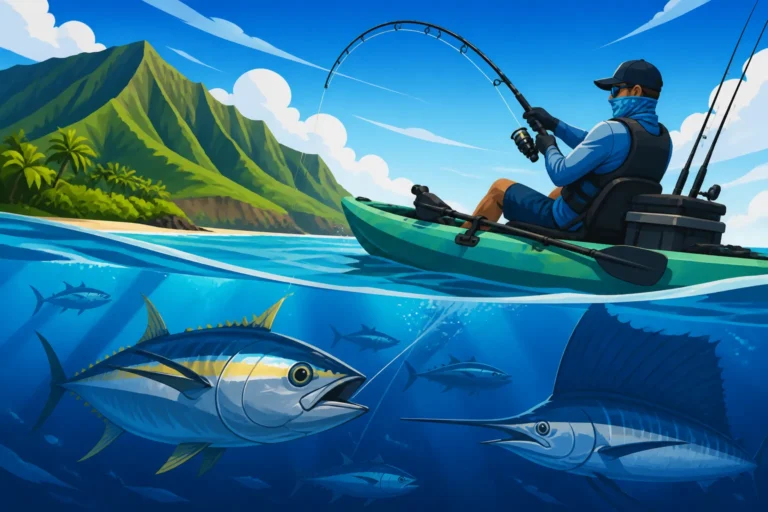
Opelu are schooling fish, and their aggregation behavior is particularly pronounced at dawn. As the light increases, scattered individuals begin to coalesce into tighter schools, often near structure or in areas where food is abundant. This schooling behavior offers protection in numbers against predators, but it also makes them incredibly attractive targets for anglers. They might "ball up" over reef edges, around buoys, or near the mouths of channels. These dawn aggregations are often a frenzy of feeding and movement. You might observe subtle signs on the water's surface, like slight disturbances or nervous jitters, indicating a school is present just below. Sometimes, the opelu will even "turn on" and start jumping, creating splashes that are unmistakable. This behavior is a beacon for those targeting them, as well as for larger predatory species like ahi and marlin, which often follow opelu schools. Knowing how to identify these subtle cues and where opelu schools gather will give you a significant advantage in maximizing your dawn fishing efforts.
Gear and Techniques for Dawn Opelu Success
To consistently catch opelu at dawn, having the right gear and knowing the most effective techniques are paramount. These aren't huge, hard-fighting fish, so the approach is generally light and nimble, focused on efficiency and quantity.
Essential Rod and Reel Setup
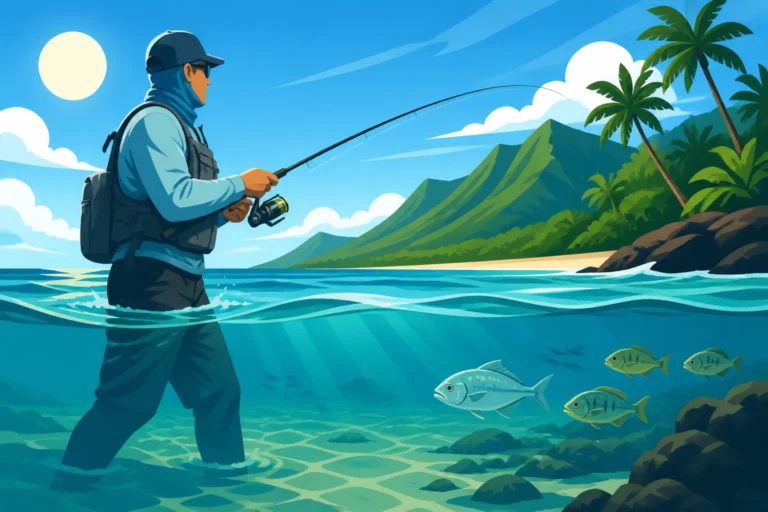
For opelu, you're generally looking for light tackle that can cast small lures or sabiki rigs efficiently and handle a school of fish without being cumbersome. A light to ultralight spinning rod, typically in the 6 to 7-foot range, with a fast action tip is ideal. This allows for sensitive feel and quick hook sets on their soft mouths. Pair this with a small spinning reel (size 1000-2500) spooled with 4-8 pound monofilament or braided line. Braided line, with its lack of stretch, offers excellent sensitivity, which can be crucial when you're feeling for subtle bites in dim light. A short fluorocarbon leader (6-10 lb test) can be added for invisibility, as opelu can be surprisingly line-shy in clear Hawaiian waters. The goal is a balanced setup that's light enough for repeated casting and retrieving, yet strong enough to lift multiple fish at once. You can easily find a good quality ultralight rod and reel combo on Amazon that’s perfect for this kind of fishing, often at a very reasonable price point. For more detailed insights, consider reading about the specific needs for a Hawaii Fishing License Guide for 2026 before you head out.
Best Baits and Lures for Early Morning
When it comes to baits and lures for dawn opelu, simplicity and small size are key. The most popular and arguably most effective method is using a sabiki rig. These rigs consist of a main line with multiple droppers, each sporting a small, flashy hook often adorned with iridescent skin, feathers, or tiny beads, designed to imitate small baitfish or plankton. These rigs are particularly deadly when opelu are schooling and aggressively feeding. Stock up on a variety of sabiki rigs, which are readily available on Amazon, to cover different depths and baitfish sizes. Brands like Hayabusa and Owner produce excellent sabiki rigs.
If sabiki rigs aren't cutting it or if you prefer a more active approach, very small artificial lures can also work. Tiny metal jigs, shiny spoons, or even small soft plastics (like a 1-inch grub tail on a tiny jig head) can entice opelu. The key is to match the hatch – whatever tiny baitfish or plankton they are feeding on. Natural baits, though less common for opelu specifically, can include tiny pieces of squid, shrimp, or even bread. Often, locals will throw out a small amount of 'chum' – finely crushed fish or bread – to attract and hold schools near their fishing spot, creating a feeding frenzy that makes the sabiki rigs irresistible. This practice is often discussed in guides about Best Techniques for Chumming for Ahi, as opelu are excellent live bait for larger predators.
Effective Fishing Methods at Sunrise
Successful opelu fishing at dawn often involves a blend of casting, jigging, and sometimes a bit of stealth. Here’s how it usually plays out:
- Locate the School: First, scan the water for any signs of activity – ripples, splashes, or even changes in water color. If you see birds diving, that’s an even bigger clue. Sometimes, you'll simply know the usual spots where opelu gather. Harbors, coves, and areas near channel mouths are prime.
- Cast and Retrieve (Sabiki): Once you've cast your sabiki rig out, let it sink to the depth where you believe the opelu are holding. This might be just below the surface, mid-water, or near the bottom. The retrieve is crucial: a slow, steady retrieve with occasional subtle twitches of the rod tip can make the sabiki hooks dance, mimicking tiny baitfish. The goal is to make the rig look like a small school of prey.
- Jigging: If you're fishing deeper water from a boat, kayak, or pier, vertical jigging is effective. Drop the sabiki rig to the desired depth and then gently lift and drop your rod, imparting a jigging motion. This makes the small hooks flutter enticingly. When you feel a bite, or several bites, maintain steady pressure and reel in smoothly. The weight of multiple opelu can be substantial on light tackle!
- Chumming: As mentioned, a little chum can go a long way. Small pieces of mashed fish or even some bread crumbs thrown sparingly into the water can draw opelu in and keep them interested. Be careful not to over-chum, which can fill them up.
Remember, opelu often come in waves, so persistence is key. If you don't get a bite immediately, try varying your depth, retrieve speed, and casting direction. Exploring various Best Night Fishing Spots in Hawaii can sometimes reveal prime opelu locations that continue to be active into the dawn.
Identifying Key Opelu Hotspots at Dawn
Knowing when to fish is only half the battle; knowing where to go is equally important. Opelu are found throughout Hawaii’s nearshore waters, but certain environments consistently produce better results, especially during the early morning hours.
Reef Edges and Drop-offs
The transition zones where shallow reef flats plunge into deeper water are absolute magnets for opelu at dawn. These areas provide both food and a degree of safety. The currents sweeping along these edges often carry plankton and small organisms, creating a buffet for opelu. At the same time, the deeper water nearby offers an escape route from predators if needed.
Think of locations like the reef edges along the Kona Coast on the Big Island, or the drop-offs near the Marine Life Conservation Districts (though fishing rules apply, so always check your specific location) on Oahu. The deeper sections of Kealakekua Bay, outside the immediate no-take zones, can also hold opelu schools. From a kayak or small boat, you can often position yourself right on the edge of these drop-offs and consistently pull in fish. Shore anglers might look for rocky points or ledges that extend into deeper water, allowing them to cast out past the immediate shallows. These areas are often teeming with Reef Fish Species Identification Guide for Hawaii, providing a rich ecosystem.
Harbors and Sheltered Bays
Harbors and sheltered bays offer calm, protected waters where opelu often congregate, especially if there's a good food source. The structures within harbors – docks, pilings, anchored boats – provide cover and often accumulate marine growth that attracts smaller organisms, which in turn attract opelu.
Places like Honokohau Harbor near Kailua-Kona, Maalaea Harbor on Maui, or Ala Wai Harbor in Honolulu are renowned for holding opelu, particularly in the quieter, dawn hours before boat traffic picks up. Anglers often fish from the breakwalls, piers, or even small boats within these harbors. The key here is to find the areas with the least current but enough depth, and possibly where freshwater runoff brings nutrients into the bay, creating a feeding zone. Always be mindful of local regulations and private property within harbors. For a broader understanding of fishing opportunities, you might want to review Best Harbor Fishing Spots in Hawaii.
FADs and Offshore Structures
While opelu are often considered nearshore fish, larger schools are also found further offshore, especially around Fish Aggregating Devices (FADs) or other submerged structures. FADs are essentially buoys anchored in deep water, designed to attract pelagic species. While often associated with larger game fish like ahi and marlin, they also draw in immense schools of baitfish, including opelu.
Fishing around FADs at dawn can be incredibly productive for opelu, especially if you're looking to catch a large quantity for live bait. The opelu gather around the FADs for food and protection, making them easy targets. These offshore schools tend to be much larger and more concentrated than those found closer to shore. If you're heading out on a boat specifically for How to Catch Ahi in Hawaii, stopping at a FAD at dawn to load up on opelu for bait is a common and highly effective strategy. Always ensure you're aware of Hawaii Boating Laws for Anglers before venturing offshore.
The specific "best time to fish for opelu at dawn" is often within an hour, maybe an hour and a half, before and after the official sunrise. This is the sweet spot when light conditions are optimal and before the full activity of the day scatters them or makes them more wary.
| Factor | Ideal Dawn Conditions for Opelu | Why It Matters |
|---|---|---|
| Time of Day | 30-60 minutes before and after sunrise | Optimal light for feeding, before major predator activity. |
| Light Level | Low light, increasing gradually | Increases plankton visibility for opelu, offers cover from predators. |
| Tide/Current | Gentle incoming or outgoing tide around structures/channels | Concentrates food sources and opelu in predictable patterns. |
| Location | Reef edges, harbor mouths, sheltered bays, FADs | Provides food, shelter, and aggregation points. |
| Water Clarity | Clear to moderately clear | Opelu rely on sight for feeding; clearer water also requires finer tackle. |
| Weather | Calm winds, minimal chop | Easier to spot schools, more comfortable fishing, less disturbance for opelu. |
| Gear | Ultralight spinning setup (4-8 lb line), sabiki rigs, small jigs | Maximizes sensitivity for subtle bites, allows for multiple hookups. |
In Hawaii, the early bird truly gets the worm, or in this case, the opelu. The magic of dawn on the water, combined with the predictable behavior of these fish, makes it an unforgettable and often highly productive fishing experience. Whether you're catching them for dinner or as prime live bait for a trophy ahi, knowing the ins and outs of dawn opelu fishing will significantly boost your success. Always double-check current Hawaii Fishing Regulations Explained and Hawaii Bag and Size Limits by Species for opelu or any other species you might encounter.
Disclaimer
Fishing regulations, seasons, and local conditions in Hawaii can change. Always consult the most current Hawaii Department of Land and Natural Resources (DLNR) Division of Aquatic Resources (DAR) rules and advisories before heading out. Safety first – be aware of ocean conditions and respect private property.