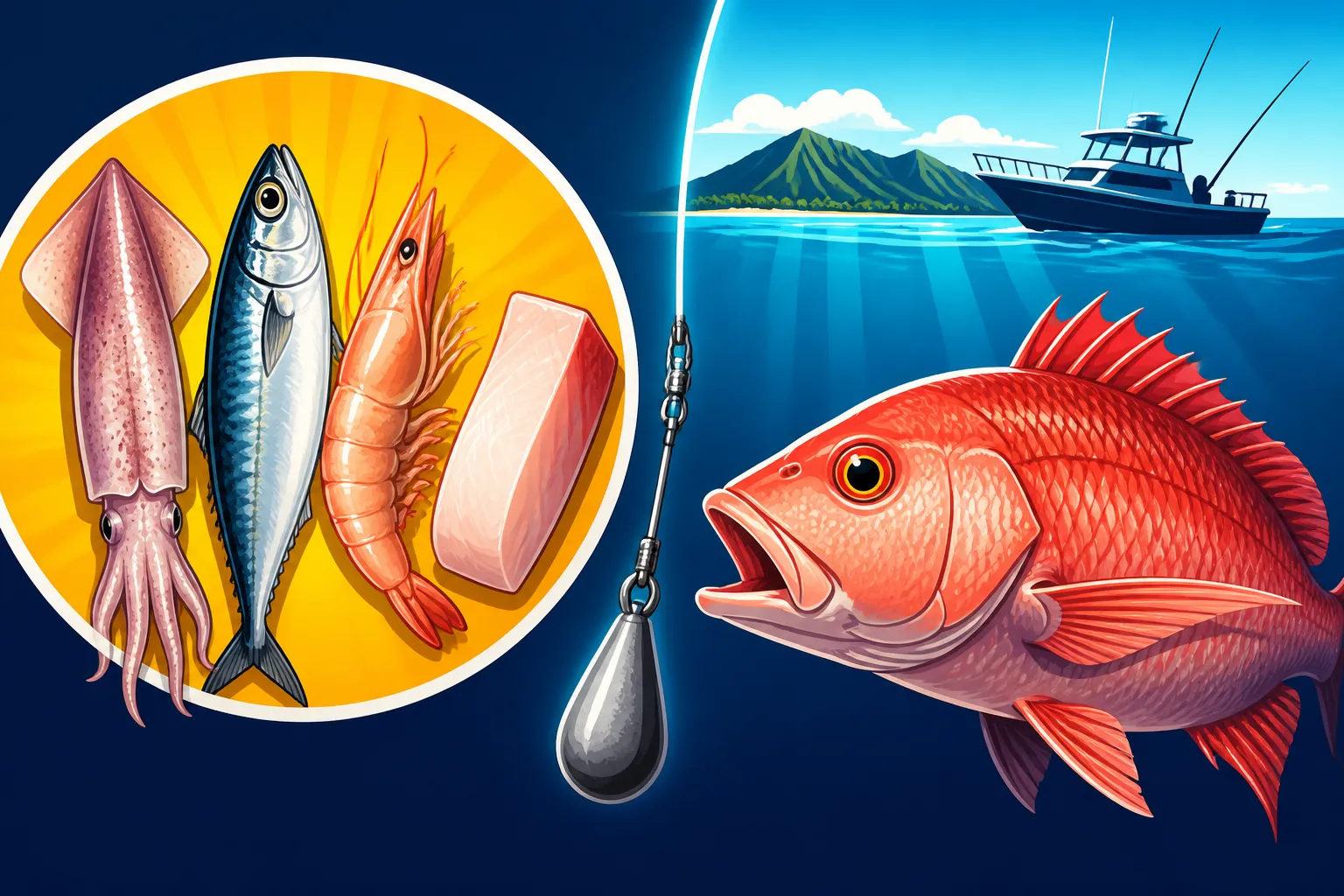
Best bait for deep drop onaga fishing
There’s nothing quite like the thrill of deep dropping in Hawaii, especially when you’re targeting a prize like the onaga, or ruby snapper. But let's be real, it can also be incredibly frustrating. You spend hours, maybe even all day, over what you hope is a productive spot, meticulously dropping lines hundreds of feet down, only to reel in an empty hook or, worse, a mangled bait that tells you something was down there but didn't commit. This guide is here to cut through that frustration, helping you understand the very best baits for deep drop onaga fishing, ensuring your efforts are rewarded with that beautiful, deep-red flash coming up from the abyss.
Understanding Onaga: The Elusive Ruby Snapper of the Deep
Before we even talk about bait, let's take a moment to appreciate the onaga. These aren't your typical reef fish; they're magnificent deepwater dwellers, known for their stunning ruby-red coloration and incredibly delicious, flaky white meat. They're a highly prized catch in Hawaii, and for good reason. They live in depths ranging from 600 to 1,200 feet, often hanging around specific structures like ledges, seamounts, and deep pinnacles. This deep-water habitat is exactly why bait selection and presentation are so critical.
Imagine trying to entice a fish that lives in near-total darkness, under immense pressure, and with a limited view of its surroundings. The bait you send down needs to appeal to its senses of smell and lateral line vibration, as well as being visually appealing when it finally sees it. Onaga are predatory, but they're not always aggressive feeders in the same way a pelagic fish might be. They’re often more opportunistic, waiting for food to come to them or slowly cruising for a meal. Their natural diet consists of smaller deep-sea fish, squid, and crustaceans that inhabit the same light-deprived environment. So, when we're choosing our bait, we're essentially trying to replicate what they'd naturally encounter down there. Trying to use just any old bait for deep drop onaga fishing is often a recipe for disappointment, so let's dial in on what truly works.
The Champion Baits for Deep Drop Onaga
When it comes to deep dropping for onaga, not all baits are created equal. You need something that holds up to the immense pressure, stays on the hook, and most importantly, releases an irresistible scent and has an appealing visual profile even in the dark.
Fresh Squid: The Universal Deep-Drop Magnet
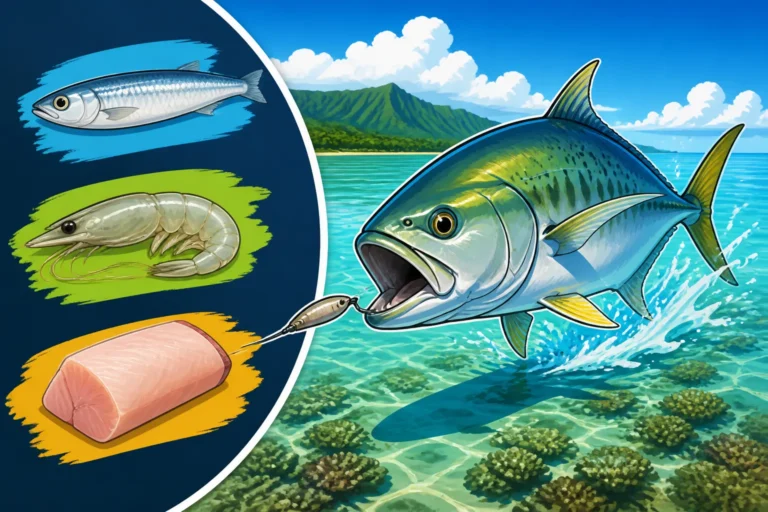
If there’s one bait that consistently ranks high for deep-drop onaga, it’s fresh squid. Its firm texture means it stays on the hook well, even during a long drop through strong currents. But its biggest advantage is its potent scent. As it descends and settles, it gradually releases a plume that travels through the water, attracting onaga from a distance.
You can use whole small squid, especially if you're targeting larger onaga, or cut larger squid into strips. When cutting strips, aim for pieces that are about 1-2 inches wide and 4-6 inches long, ensuring they have a good "flutter" to them as they move. For maximum scent, sometimes I'll even slightly score the squid or use a small bait needle to inject a tiny bit of fish oil into it right before dropping. The key here is freshness. Don't settle for freezer-burnt squid if you can help it. If you're on island and can get recently caught squid, that's gold. If not, high-quality frozen squid from a reputable bait shop or even purchased in bulk from a reliable online source like Amazon can work, just make sure it's thawed properly and kept cold until it hits the water. Remember, onaga are picky, and old, mushy bait won't cut it.
Opelu (Mackerel Scad) and Akule (Bigeye Scad): Local Oily Delights
These two baitfish are staples in Hawaiian fishing, and for good reason – they're oily, fragrant, and onaga absolutely love them. Opelu and akule are naturally abundant in Hawaiian waters and form a significant part of the diet for many predatory fish, including onaga.
Their high oil content creates a fantastic scent trail as they slowly "bleed" in the water column. You can use them whole, especially the smaller ones, or cut them into chunks. When using chunks, try to include a piece of the backbone or rib cage, as these release more scent and also help the bait stay on the hook better. A 2-3 inch section of an opelu or akule, presented on a stout circle hook, is often irresistible. Many local anglers swear by opelu as the top choice. The trick is often catching them yourself or finding a bait shop that has them fresh. Just like with squid, the fresher, the better. If you can get your hands on some live opelu, that's an absolute game-changer, though using live bait in deep water presents its own challenges.
Cut Bait: "Matching the Hatch" with Bottomfish Fillets
This might sound a bit unconventional if you're not used to it, but using pieces of other deepwater bottomfish as bait can be incredibly effective. Think of it as "matching the hatch" for the deep. Onaga naturally prey on smaller, injured fish that inhabit their same environment. If you've caught an ehu, opakapaka, or even a smaller onaga (within legal limits, of course!), a strip or chunk of its firm, white flesh can be an outstanding bait.
The firm texture of these fillets holds up incredibly well to the deep-sea environment and the strong bites of onaga. Plus, it smells exactly like something an onaga would eat. Cut these fillets into strips about 1 inch wide and 4-5 inches long, ensuring they have a good, clean edge. These firm baits are also less likely to be picked off by smaller, nuisance fish during the long descent. It's a strategy that speaks directly to the onaga's natural predatory instincts.
| Bait Type | Pros | Cons | Best Presentation | Scent Trail | Hook Retention |
|---|---|---|---|---|---|
| Fresh Squid | Excellent scent, firm, widely available | Can be expensive to buy in bulk | Whole (small), strips | High | Excellent |
| Opelu/Akule | Highly effective, very oily, natural | Can be harder to obtain fresh, softer | Whole (small), chunks | Very High | Good |
| Bottomfish Fillets | Extremely durable, natural food source | Requires catching another fish first | Strips, small chunks | Medium-High | Excellent |
Presentation is Everything: Rigging Your Onaga Bait for Maximum Impact
Having the best bait in the world won't matter if you don't present it correctly. Deep dropping for onaga requires specific rigging strategies to ensure your bait reaches the bottom intact and is appealing once it's there.
The Art of Rigging and Hook Choice
For deep drop onaga, I almost exclusively recommend using circle hooks. Why? For one, they are incredibly effective at hooking fish in the corner of the mouth, which is not only better for the fish if you decide to release it, but also means fewer pulled hooks during that long, arduous retrieve. For onaga, a size 16/0 to 20/0 circle hook is typically ideal. Ensure your hooks are sharp and strong enough to handle the pressures and the fish you're targeting.
When rigging, a simple dropper loop rig or a snelled leader setup works beautifully. You want to make sure the bait can flutter naturally and isn't constricted. If using strips of bait, you can thread the hook through once or twice to secure it, leaving the bulk of the strip free to wave. For whole baits or chunks, insert the hook through the nose or through a tougher part of the bait to prevent it from spinning or tearing off during the drop or when a fish strikes. The goal is a bait that looks alive and natural, even when it's hundreds of feet below the surface. A strong leader, typically 150-200 lb test fluorocarbon, is crucial given the sharp teeth of onaga and the rocky structure they inhabit. You don't want to lose that hard-won fish at the last minute!
Maximizing Scent Dispersion in the Dark Depths
In the dark world of the deep, scent is king. Onaga rely heavily on their sense of smell and their lateral line to detect prey. To maximize the effectiveness of your bait, consider these tips:
- Puncture your bait: If using whole squid or small fish, a few strategic punctures with a knife or a specialized bait needle can help release more of those delicious juices into the water.
- Chumming: While traditional chumming is difficult in deep water, specialized deep-drop chum dispensers or chum bags can be incredibly effective. These weighted devices slowly release a plume of pulverized bait, creating a scent trail that draws onaga from a wider area. Some anglers will even attach a small mesh bag of crushed bait near their main fishing rig. This technique is often used by charters and can make a huge difference, especially if you're trying to draw fish away from specific structures.
- Fish oil: Adding a dab of concentrated fish oil to your bait (especially less oily ones or artificial additions) can boost its appeal significantly. You can find these concentrated oils on platforms like Amazon, and they can be a secret weapon when the bite is slow.
Strategic Tips for Deep Drop Onaga Success
Catching onaga isn't just about the bait; it's about the whole picture. Here are a few strategic tips to increase your chances.
Finding the Right Structure and Depth
Onaga are structure-oriented fish. They love ledges, drop-offs, and seamounts. Your sonar or fish finder is your absolute best friend here. Don't just drop anywhere; spend time using your electronics to How to Locate Bottomfish Structure with Sonar and pinpoint these underwater features. Look for areas where the bottom quickly changes depth, or where you see distinct marks that indicate fish activity. The sweet spot for onaga is generally between 600 and 1000 feet, though they can be found shallower or deeper depending on the specific location and time of year. Knowing the specific depths where Onaga Ruby Snapper Habits are most prevalent will significantly improve your targeting.
Managing Currents and Maintaining Contact
Deep dropping involves fighting currents that can be incredibly strong, making it tough to keep your bait in the strike zone. You'll need heavy lead weights – often 3 to 10 pounds, sometimes even more – to get your bait down and keep it there. Pay attention to your line angle. If your line is trailing out too far, you're likely not fishing effectively on the bottom. Adjust your drift, boat speed, or weight as needed.
Electric reels are almost a necessity for serious deep dropping. Hand-cranking a heavy weight from 800 feet down, especially with a fish on, is a monumental task. An electric reel ensures you can efficiently check your bait, move spots, and fight fish without completely exhausting yourself. You can find robust electric reels and heavy-duty deep-drop fishing line on sites like Amazon, ready to be shipped to your doorstep.
Patience and Persistence
Deep drop fishing for onaga is not a fast-paced, action-packed fishery. It requires patience. Once your bait is on the bottom, leave it there for a good 10-15 minutes, allowing the scent to disperse and onaga to find it. Don’t be too quick to reel up and check your bait unless you suspect you've been picked clean by smaller fish or know you've drifted significantly off structure.
When you do get a bite, it often feels like a gentle tug or a slow pull at first, rather than an aggressive strike. Resist the urge to yank. Let the circle hook do its job. Allow the fish to take the bait, and simply begin to slowly reel, letting the rod load up. This usually sets the hook perfectly. And remember, all fishing in Hawaii is subject to regulations. Always be familiar with the Hawaii Fishing Regulations Explained and specifically the Hawaii Pelagic Species Bag Limits or bottomfish regulations that apply to your catch.
By focusing on the freshest, most effective baits – especially squid, opelu, akule, and cut bottomfish – and combining that with precise rigging, strategic location, and a healthy dose of patience, you'll be well on your way to bringing up some magnificent ruby snapper from the deep.
Disclaimer
This article is for general informational purposes only and does not constitute professional advice. Laws, prices and regulations vary by location and change over time. Consult a qualified professional for guidance on your specific situation.