Are Roi Safe to Eat in Hawaii?
Peacock grouper, roi, were introduced to Hawaii in the 1950s and 60s and spread fast, so eating one means weighing the ciguatera risk against safe handling.
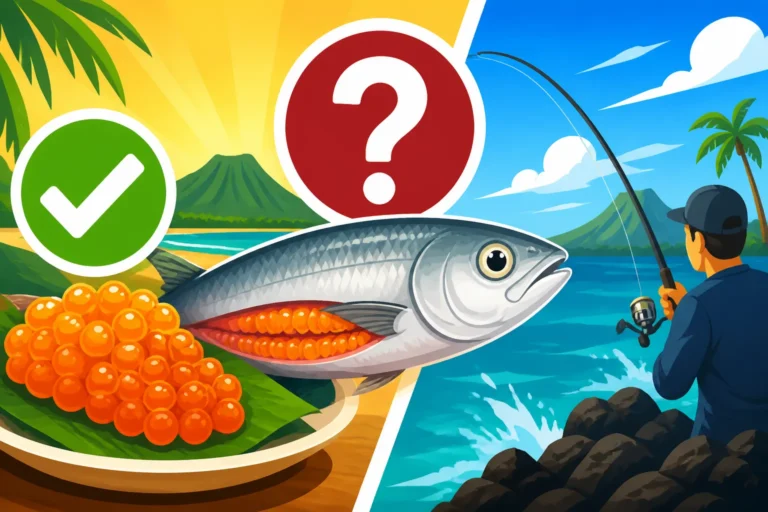
Peacock grouper, roi, were introduced to Hawaii in the 1950s and 60s and spread fast, so eating one means weighing the ciguatera risk against safe handling.
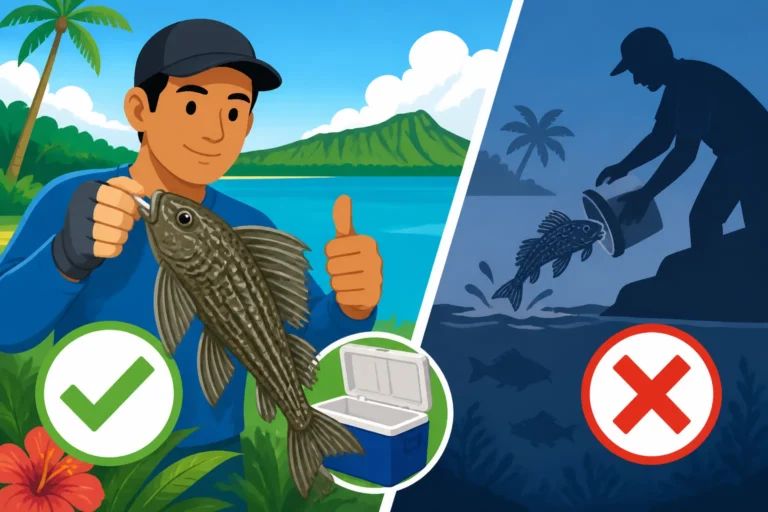
Anglers catching invasive fish in Hawaii learn species identification methods and proper disposal rules to protect marine ecosystems.
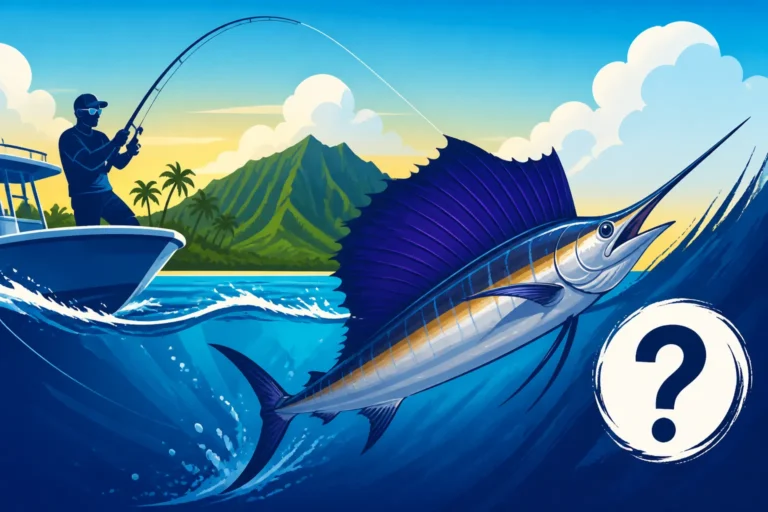
Hawaiian waters host sailfish, but they remain rare compared to blue marlin due to deep ocean depths and habitat differences.
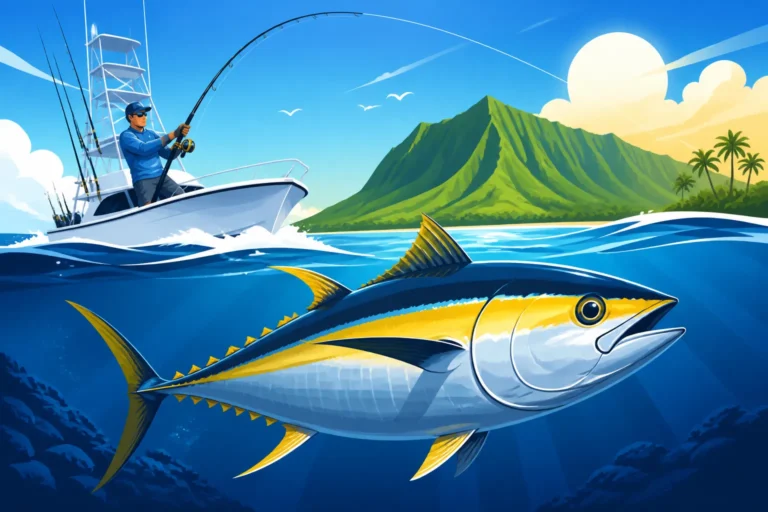
Trophy ahi locations in Hawaii include the Kona Coast and offshore Oahu waters, explaining where giant yellowfin tuna are found.
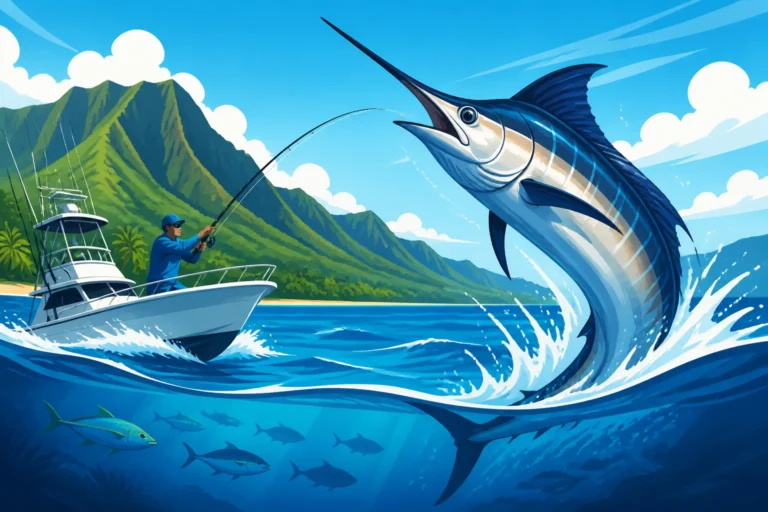
Kona’s seamounts, ledges and canyons gather baitfish, and its leeward position plus deep water near shore make it the top pick for granders.
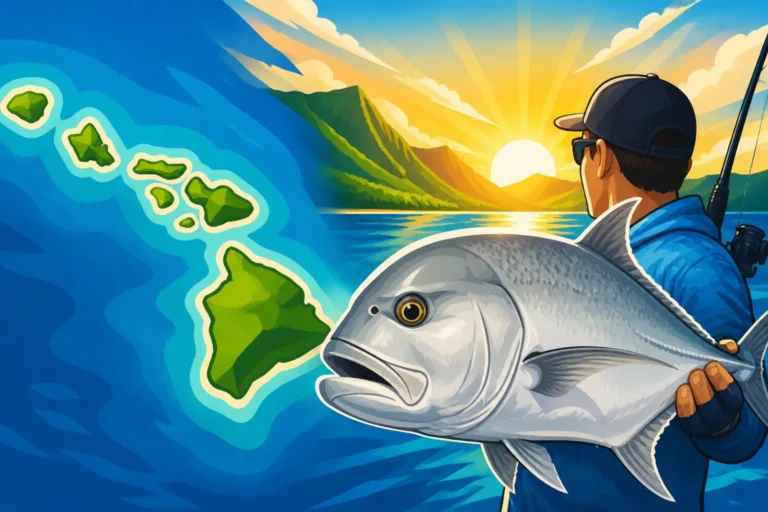
Hawaiian waters and specific Big Island locations where anglers find trophy giant trevally weighing over fifty pounds.
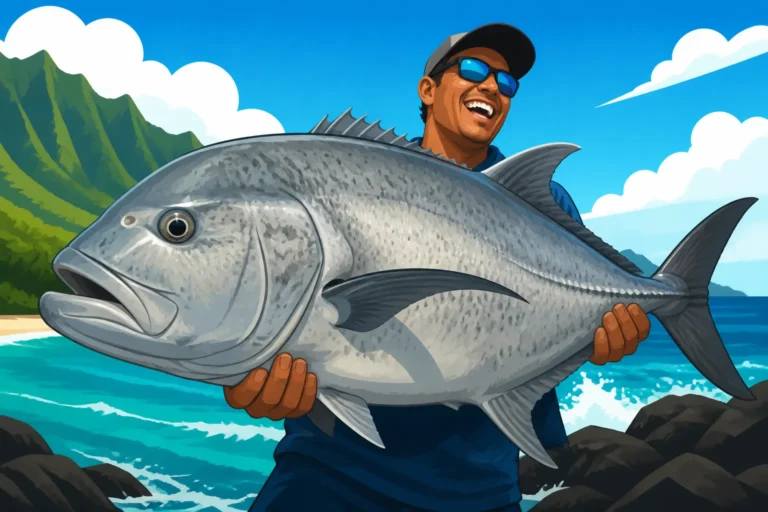
Ulua, or giant trevally, hold cultural weight in Hawaii, where families long guarded favorite spots and techniques, and a trophy catch is a badge of honor.
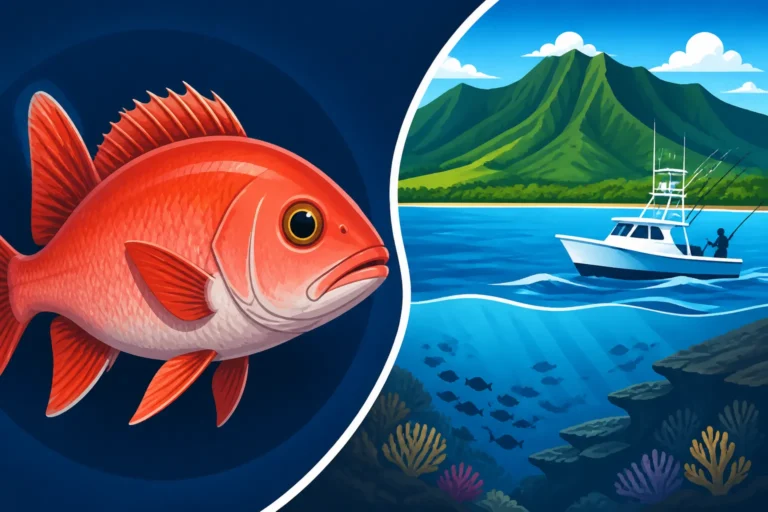
Opakapaka physical features, vibrant pink coloration, torpedo shape, and deep-water Pacific ocean habitats are detailed.
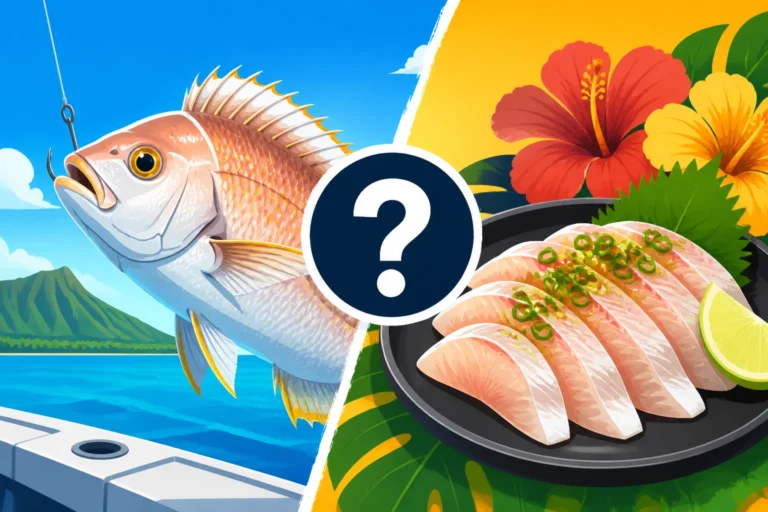
Onaga, a ruby-red snapper caught at ocean depths up to twelve hundred feet, is a prized Hawaiian delicacy known for its sweet flavor.
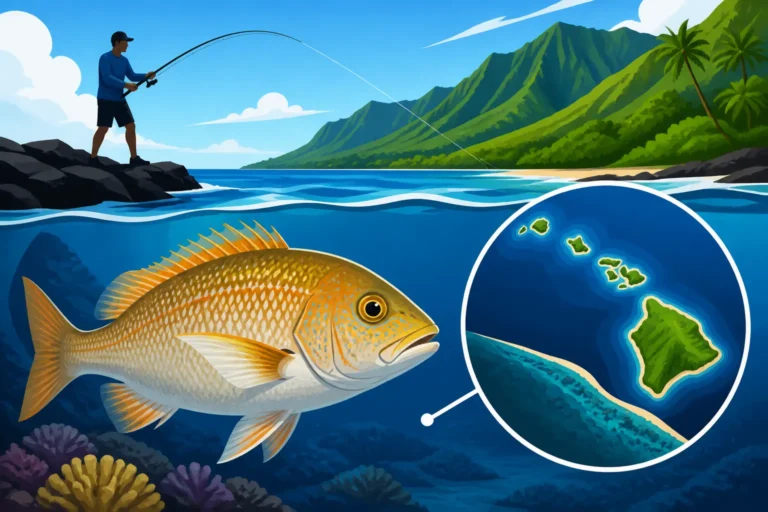
Onaga are ruby-red deep-sea snappers living six hundred to twelve hundred feet below Hawaii waters near steep underwater drop-offs.