How baitfish schools affect Kona marlin fishing
Baitfish schools dictate Kona marlin movements, explaining how finding dense bait concentrations helps anglers locate and catch these apex predators.
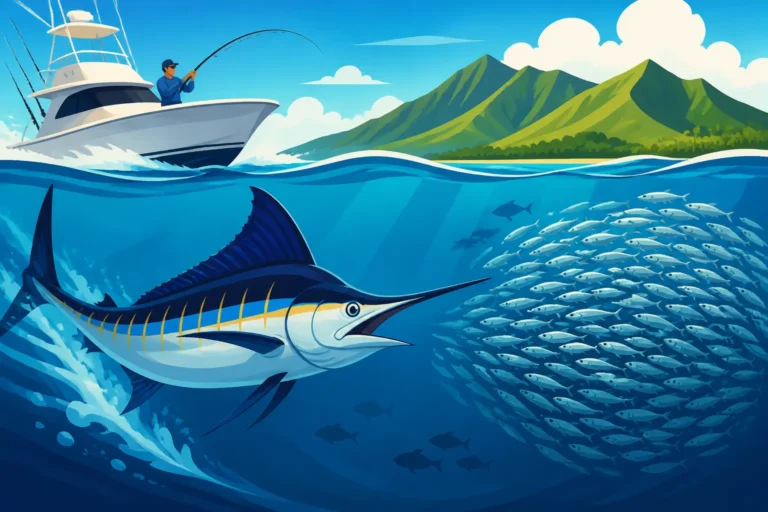
Baitfish schools dictate Kona marlin movements, explaining how finding dense bait concentrations helps anglers locate and catch these apex predators.
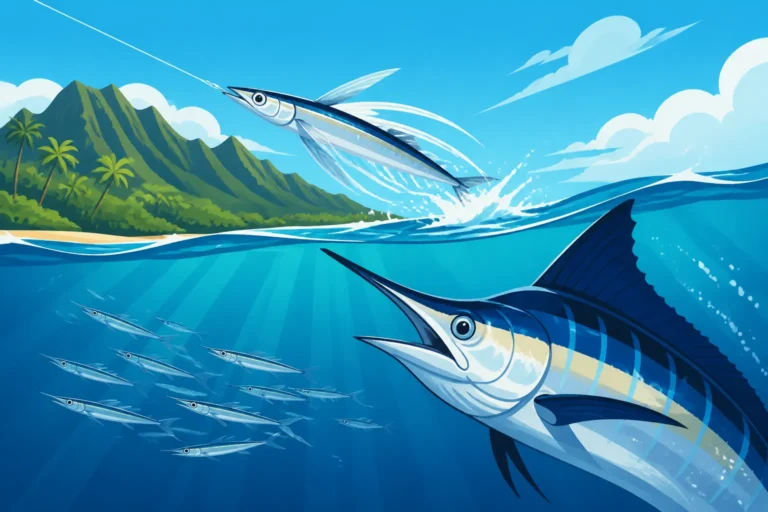
Ballyhoo are slender silvery halfbeaks ranging from 6 to 15 inches that serve as a primary forage fish for marlin in Hawaii.
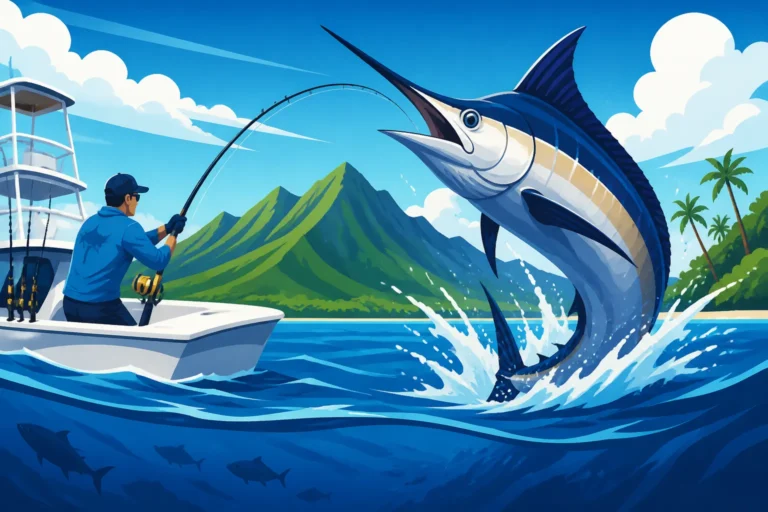
Kona blue and striped marlin locations, steep offshore drop offs, currents, and baitfish food sources for big game fishing.
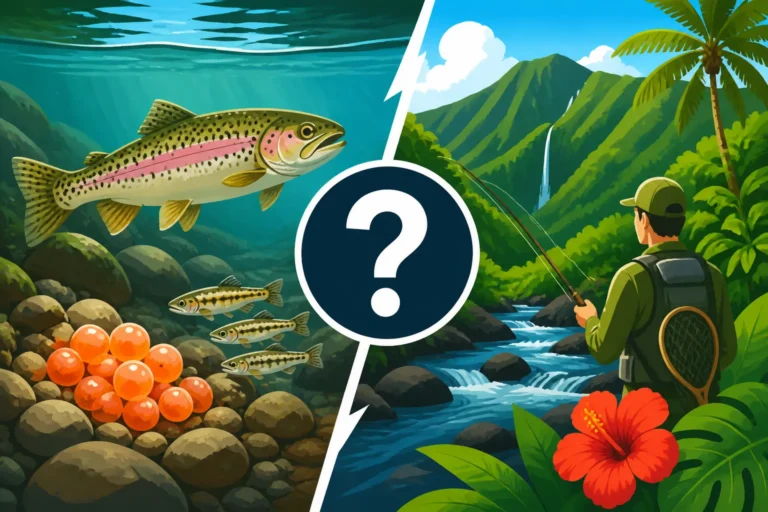
Rainbow trout reproduction in Hawaii streams fails due to warm water, steep volcanic landscapes, and human intervention sustaining fisheries.
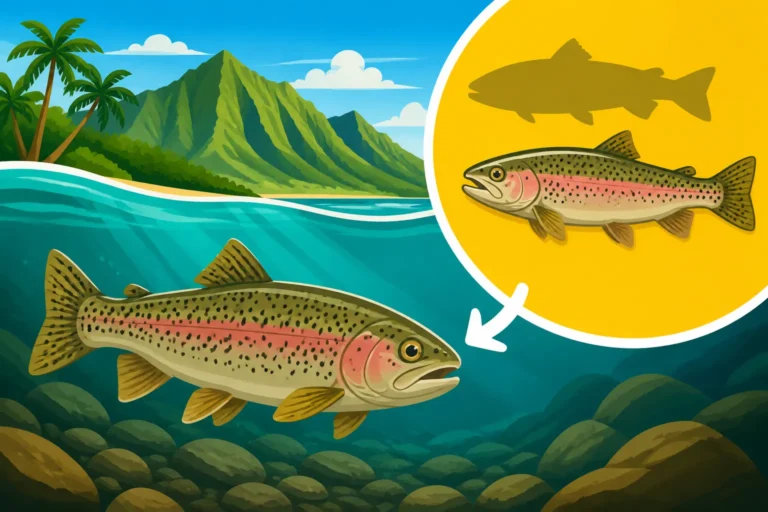
Holdover trout are rainbow trout surviving past stocking periods in the Kokee Public Fishing Area on Kauai, challenging anglers.
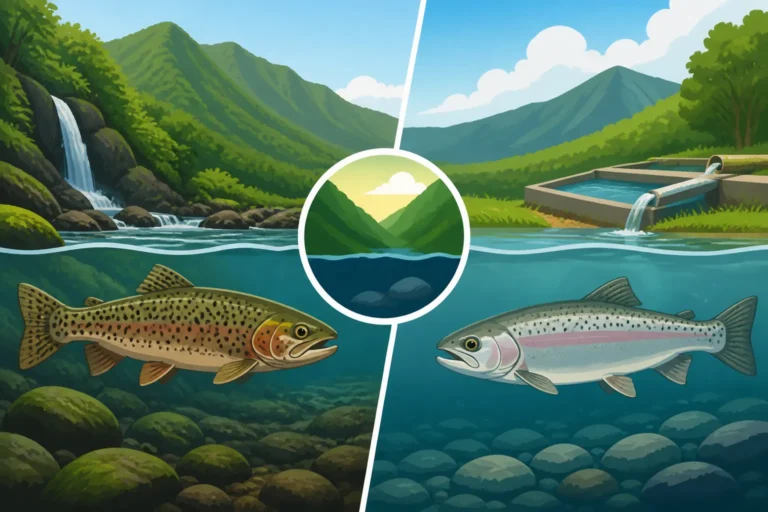
Wild and stocked rainbow trout in Kokee State Park streams differ in behavior, appearance, hatchery origins, and management.
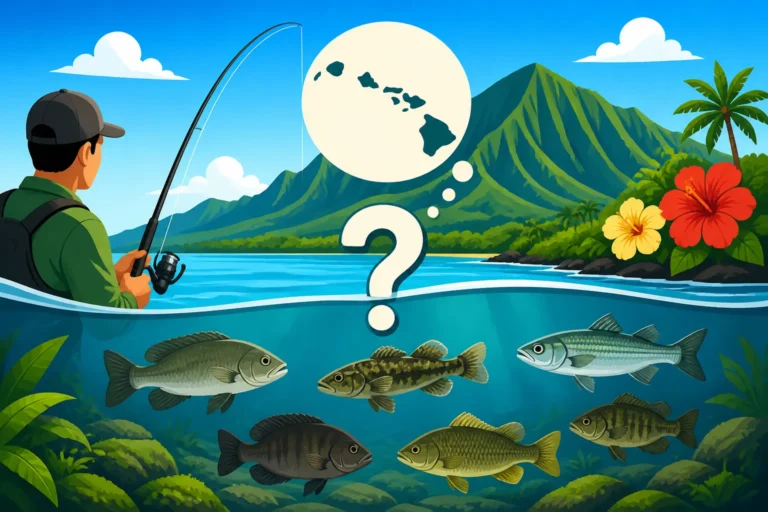
Hawaii’s freshwater fish species include five native goby species called oopu alongside many introduced fish brought for food.
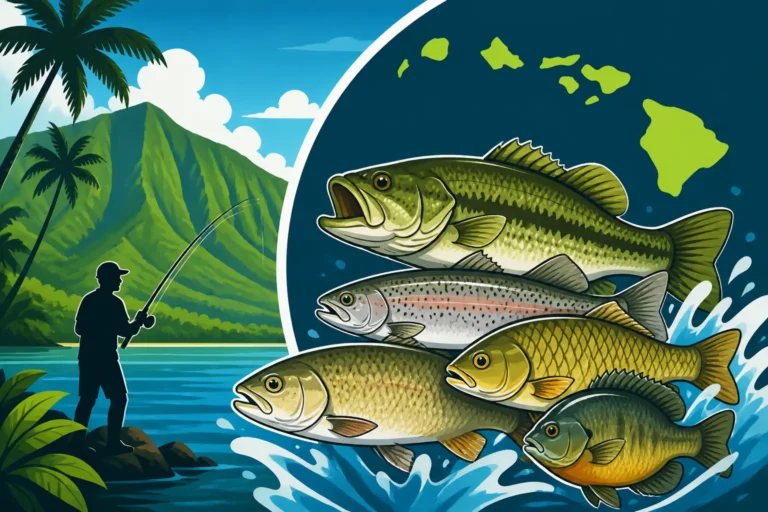
Hawaii freshwater reservoirs and streams feature introduced sport fish species including rainbow trout stocked by the Division of Aquatic Resources.
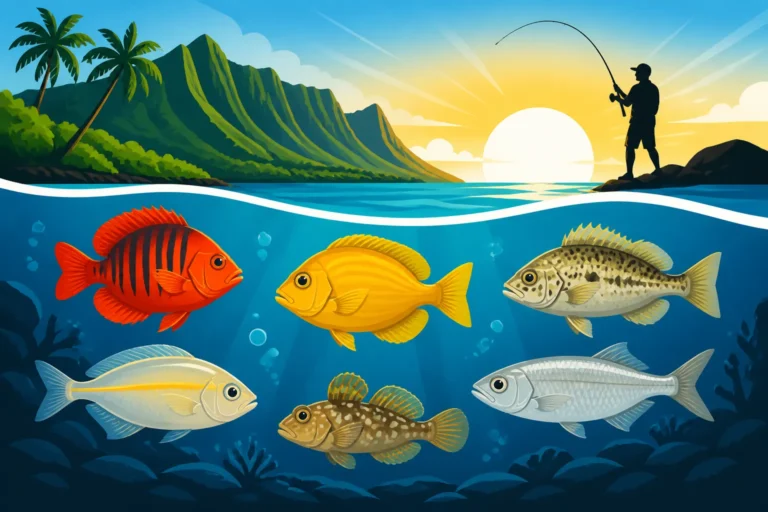
Native fish species of Hawaii explain unique marine evolution and differences between animals from ocean currents and local waters.
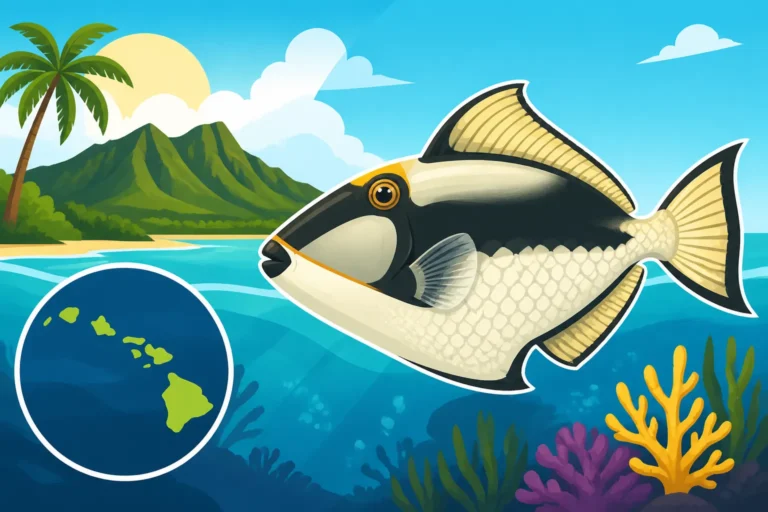
The Humuhumunukunukuapua’a, Hawaii state fish permanently reinstated in 2006, lives on coral reefs and has a snout like a pig.