Hawaii required boater education certificate rules
Navigating Hawaii's beautiful waters is a dream for many, but the excitement can quickly turn to confusion when you're trying to figure out all the rules. A common question that pops up, especially for those looking to operate a boat or personal watercraft, is whether a boater education certificate is actually required. This comprehensive guide will clear up all the mystery surrounding Hawaii's boater education certificate rules, helping you understand who needs one, how to get it, and why it's so vital for safe and responsible boating in the islands.
Understanding Hawaii's Boater Education Requirements
It's easy to assume that if you've been boating for years elsewhere, the rules will be the same here in Hawaii. But every state has its nuances, and our islands, with their unique ecosystems and visitor population, have specific requirements designed to keep everyone safe and preserve our precious marine environment. The Hawaii Department of Land and Natural Resources (DLNR) is the agency responsible for overseeing these regulations, ensuring that anyone operating certain vessels has the knowledge to do so responsibly.
Who Needs a Boater Education Certificate?
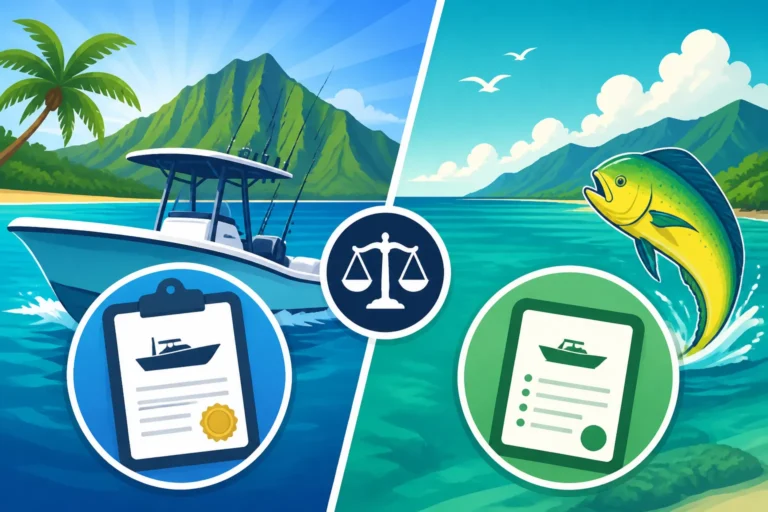
Let's cut right to the chase: not everyone operating a boat in Hawaii needs a boater education certificate, but a significant portion of recreational operators do. The primary focus for this requirement is on operators of personal watercraft (PWCs) and anyone born after a specific date operating a motorized vessel. For personal watercraft, like Jet Skis or WaveRunners, everyone, regardless of age, is required to have a boater education certificate. This is a crucial detail because PWCs are often associated with younger operators and can be involved in high-speed activities, necessitating a thorough understanding of safety and navigation.
For operators of other motorized vessels, such as powerboats, fishing boats, or even small dinghies with an engine, the requirement applies to anyone born on or after January 1, 1986. If you were born before this date, you are generally exempt from the mandatory education certificate, though taking a course is always a good idea for anyone on the water. This "cutoff" date is a common way for states to phase in new boating education laws, ensuring that newer generations of boaters are properly educated from the start. So, if you're planning a fishing trip and operating your own vessel, or even just a rented pleasure craft, you'll need to check your birth year.
It's also worth noting that some non-motorized vessels, like kayaks, canoes, or paddleboards, typically do not require a boater education certificate. However, if you attach even a small electric trolling motor to your kayak, for example, it suddenly becomes a motorized vessel, and the age-based requirement would apply. This highlights the importance of understanding the subtle distinctions in Hawaii's boating laws, which are designed to enhance safety for all water users. You can learn more about general boating regulations in our guide on Hawaii Boating Laws for Anglers.
Why Boater Education is So Important
Beyond just fulfilling a legal requirement, obtaining a boater education certificate is genuinely about safety – for yourself, your passengers, and everyone else enjoying Hawaii's waters. Think about it: our oceans are dynamic environments, and things can change in an instant. Understanding navigation rules, emergency procedures, and how to react to unexpected situations can be the difference between a minor inconvenience and a serious accident. The course isn't just a list of dry facts; it teaches practical skills and knowledge that are critical for responsible operation.
One major aspect covered is collision avoidance. With a mix of commercial fishing boats, charter vessels, recreational anglers, surfers, swimmers, and divers all sharing our precious ocean space, knowing the "rules of the road" on the water is paramount. For instance, understanding concepts like "stand-on vessel" and "give-way vessel" helps prevent dangerous encounters, especially in busy harbors or popular recreational areas. Moreover, a comprehensive understanding of local marine life conservation districts (MLCDs) and other sensitive areas, as detailed in our article on Hawaii Marine Life Conservation Districts, Explained, is crucial for protecting Hawaii's unique aquatic ecosystems. The education certificate helps prevent accidental damage to coral reefs or disturbance of protected marine animals, reinforcing a respect for the 'āina (land and sea).
Finally, boater education promotes general boating etiquette, which contributes to a more pleasant experience for everyone. This includes responsible waste disposal, noise reduction, and understanding how your wake affects other vessels or shoreline activities. It’s about being a good steward of the ocean and showing consideration for fellow water users, embodying the aloha spirit even on the water. These are the underlying values that drive the DLNR's efforts to ensure widespread boater education, making Hawaii's waters safer and more enjoyable for residents and visitors alike.
How to Obtain Your Hawaii Boater Education Certificate
So, you've determined you need a certificate – now what? The process is surprisingly straightforward, especially with the availability of online resources. The key is to ensure you're taking an approved course that meets Hawaii's specific standards. Don't just grab any boating course; make sure it's recognized by the Hawaii DLNR.
Approved Courses and Providers
The Hawaii Department of Land and Natural Resources (DLNR) accepts courses approved by the National Association of State Boating Law Administrators (NASBLA). This is a nationwide standard, so many reputable course providers offer programs that are valid in Hawaii. Two of the most popular and widely recognized online providers are Boat-Ed and BoatUS Foundation. These platforms offer comprehensive courses that you can complete at your own pace, from the comfort of your home. They typically cover everything from fundamental navigation rules, proper use of safety equipment, emergency procedures, environmental responsibilities, and specific Hawaii boating laws.
While online courses are incredibly convenient, some local organizations or community colleges might offer in-person courses. These can be a fantastic option if you prefer a classroom setting, enjoy interacting with instructors, or learn better through hands-on demonstrations. Check with your local Hawaii DLNR Division of Boating and Ocean Recreation (DOBOR) office for a list of approved in-person courses in your area. Regardless of whether you choose an online or in-person format, the content covered will be robust, ensuring you understand crucial topics like interpreting nautical charts, understanding weather patterns, practicing safe trailering and launching, and knowing proper docking procedures. Many online providers also offer supplementary materials or study guides; you might even find useful boating knots or safety manuals available on platforms like Amazon that can complement your course material.
The Certification Process Step-by-Step
Getting your certificate is a clear, multi-step process:
- Register for an Approved Course: Head to one of the NASBLA-approved online providers like Boat-Ed or BoatUS Foundation, or inquire about local in-person classes. The registration process is usually quick and allows you to access the course material.
- Complete the Course Material: Dedicate sufficient time to go through all the modules. These courses are designed to be thorough, covering everything from the importance of wearing a life jacket (read up on Life Jacket Requirements for Hawaii Boaters) to understanding distress signals. Don't rush it; the information is genuinely valuable. You might find it helpful to take notes or highlight key sections as you go.
- Pass the Final Exam: Once you've completed all the lessons, you'll need to pass a final exam. This exam tests your understanding of the material and ensures you've absorbed the critical safety and regulatory information. Don't worry, if you've paid attention, it's very manageable. Most online courses allow for multiple attempts if needed.
- Receive Your Certificate: Upon successful completion of the exam, you'll typically be able to print a temporary certificate immediately. Your official, permanent boater education card will then be mailed to you within a few weeks. It's a physical card, similar to a driver's license, and you'll need to carry it with you whenever you're operating a vessel that requires it. Consider getting a waterproof pouch or case for your certificate; you can find many practical options on Amazon to protect it from the elements.
This card is proof that you've completed the required education and are equipped with the knowledge to safely operate your vessel in Hawaii's waters. Remember, it's not just about getting the card, but internalizing the information for everyone's safety.
Exemptions, Reciprocity, and Penalties
While the general rules cover most recreational boaters, there are specific situations where the certificate might not be required, or where out-of-state certifications are recognized. It's also critical to understand the repercussions of not complying with these rules.
Specific Exemptions to the Rule
Hawaii's boater education requirements do come with a few notable exemptions. As mentioned earlier, if you were born before January 1, 1986, you are generally exempt from needing the certificate to operate a motorized vessel. However, this exemption does not apply to personal watercraft (PWCs) – all PWC operators, regardless of age, must have the certificate. This is a critical distinction to remember if you're planning to rent or operate a Jet Ski during your time in Hawaii.
Another common exemption applies to individuals who hold a valid commercial marine license, such as captains operating charter boats or those engaged in commercial fishing. These professionals typically undergo more extensive training and licensing processes that already cover or exceed the recreational boater education requirements. Furthermore, operators from out-of-state who possess a valid boater education card from a NASBLA-approved course in their home state are generally recognized under reciprocity agreements, meaning they don't need to obtain a separate Hawaii certificate. This makes it convenient for visitors bringing their boats or renting vessels while on vacation. For those operating larger vessels, it's also important to be aware of Hawaii Boat Registration Requirements to ensure full compliance with state laws.
Reciprocity with Other States
One of the great things about boating safety education is the widespread recognition of certificates across state lines. Hawaii, like many states, participates in a reciprocity agreement for boater education certificates. This means that if you've completed a boater education course approved by NASBLA in another state, Hawaii will generally recognize that certificate as valid. For example, if you moved to Hawaii from California and already have a California Boater Card issued after a NASBLA-approved course, you typically won't need to retake a Hawaii-specific course.
However, it's always a good idea to double-check with the Hawaii DLNR or DOBOR if you're unsure about the validity of your out-of-state certificate, especially if you plan to become a long-term resident. The key is that the course must have been approved by NASBLA, ensuring it meets a national standard for boating safety education. When in doubt, carrying both your out-of-state certificate and a copy of the Hawaii regulations or confirmation from DOBOR can save you a lot of hassle. This reciprocity also applies to military personnel stationed in Hawaii who may have obtained their boating certificate from their home state or through military-specific programs.
Penalties for Non-Compliance
Ignoring Hawaii's boater education certificate rules can lead to more than just a stern talking-to. The Hawaii DLNR and enforcement officers take boating safety seriously, and non-compliance can result in significant penalties. If you are found operating a vessel, particularly a PWC or a motorized boat if you fall under the age requirement, without the necessary certificate, you could face fines. These fines can vary depending on the specific violation and whether it's a first offense, but they are designed to be a deterrent.
Beyond monetary penalties, operating a vessel without the required education can have more severe consequences if an accident occurs. Your lack of compliance could be a factor in determining fault or liability, potentially leading to legal battles or increased insurance costs. It’s not just about the certificate; it’s about demonstrating a commitment to safe boating practices. Just as there are penalties for Fishing Without a Required License in Hawaii: Penalties, there are consequences for violating boating safety regulations. Always carry your certificate (or proof of exemption) with you while operating your vessel, as enforcement officers can request it at any time. Think of it as your driver's license for the water – you wouldn't drive without that, so don't boat without your education certificate if it's required.
Here's a quick summary of Hawaii's Boater Education Certificate rules:
| Requirement Aspect | Personal Watercraft (PWC) Operators | Other Motorized Vessel Operators (e.g., Powerboat, Dinghy with Motor) |
|---|---|---|
| Education Certificate Required? | Yes, regardless of age | Yes, if born on or after January 1, 1986 |
| Age Exemption | None | Born before January 1, 1986 are exempt |
| Accepted Courses | NASBLA-approved online or in-person courses (e.g., Boat-Ed, BoatUS) | NASBLA-approved online or in-person courses (e.g., Boat-Ed, BoatUS) |
| Reciprocity | Valid NASBLA-approved certificates from other states accepted | Valid NASBLA-approved certificates from other states accepted |
| Proof Required | Must carry valid boater education card onboard | Must carry valid boater education card onboard |
| Common Penalty | Fines for non-compliance | Fines for non-compliance |
Disclaimer
Please remember that boating laws and regulations can change. While this guide provides comprehensive and up-to-date information based on current knowledge, it is always recommended to check the official Hawaii Department of Land and Natural Resources (DLNR) and Division of Boating and Ocean Recreation (DOBOR) websites or contact them directly for the most current rules and any specific clarifications before heading out on the water.