What ulua eat around Hawaii’s reefs
It's incredibly frustrating when you're out on the reef, casting your heart out, hoping to hook into a powerful ulua, but you just can't seem to get a bite. You've tried everything in your tackle box, but what if the problem isn't your technique, but simply not knowing what these incredible predators are actually looking for to eat? This guide will dive deep into the diverse diet of ulua around Hawaii's reefs, helping you understand their feeding patterns so you can better predict their behavior and select the perfect bait or lure to land that fish of a lifetime.
The Opportunistic Predator: Understanding Ulua's Feeding Habits
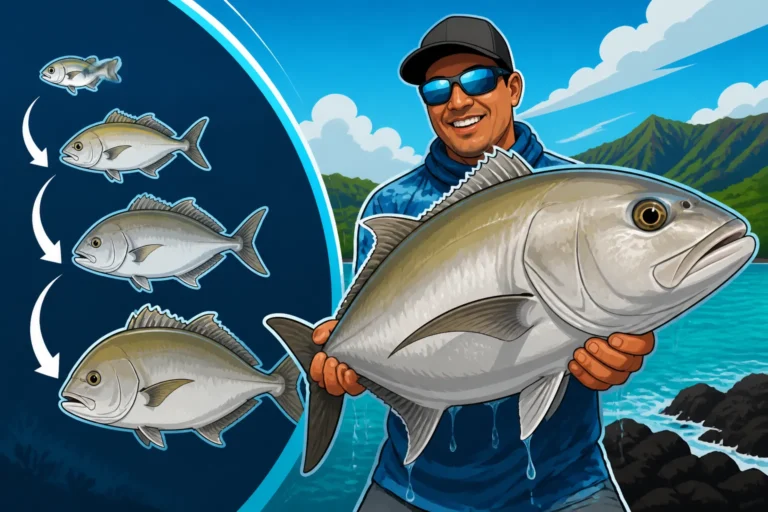
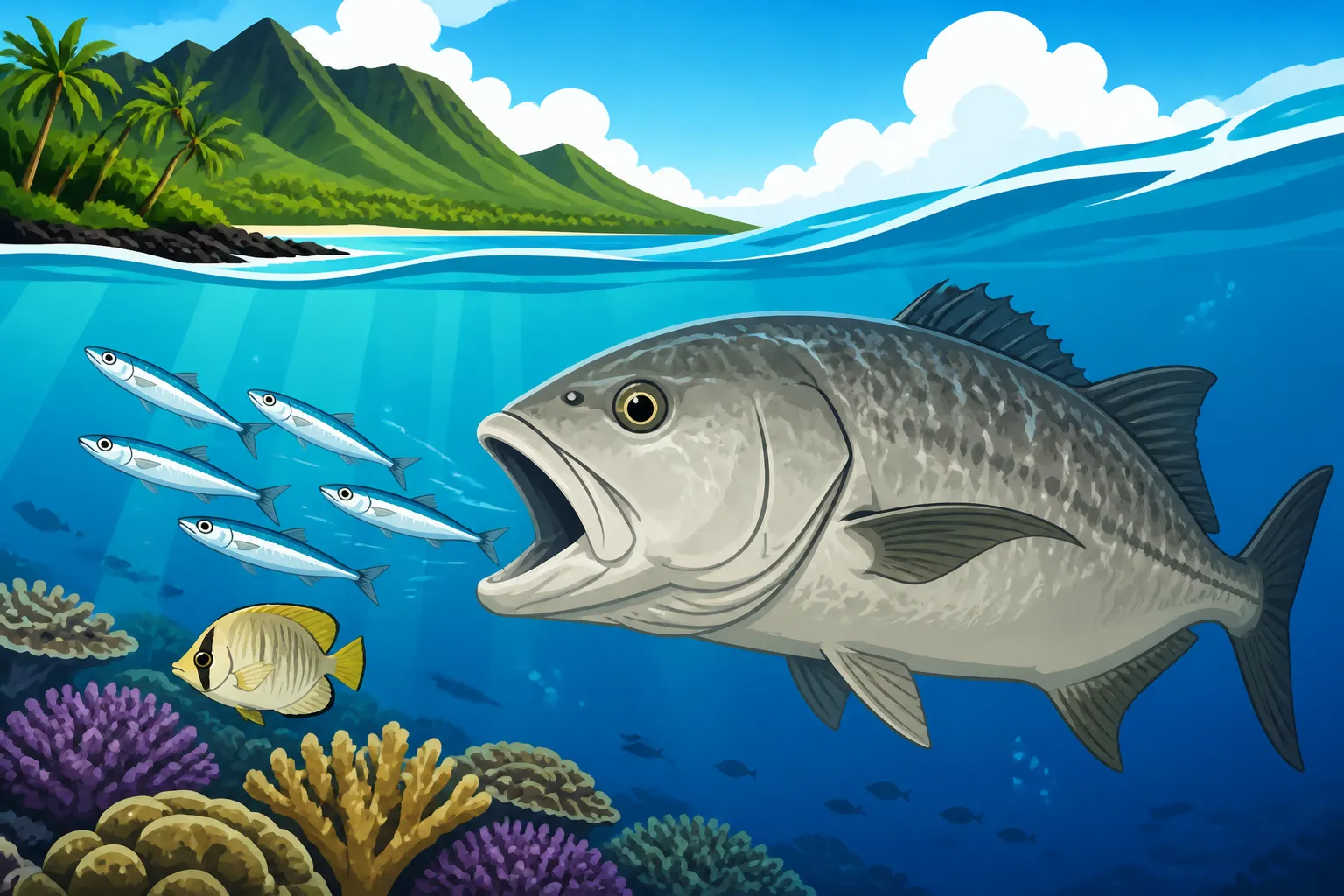
Ulua, also known as Giant Trevally (GT), are apex predators of Hawaii's nearshore waters and reefs. They're renowned for their explosive power and aggressive feeding habits, but what many anglers don't fully grasp is just how opportunistic these fish truly are. While they have preferred meals, an ulua isn't going to turn its nose up at an easy meal, which means their diet can be incredibly varied depending on what's available in their immediate environment. Understanding this adaptability is key to consistent success.
Reef Dwelling Prey: The Foundation of Their Diet
The bulk of an ulua's diet, especially for those residing closer to shore and around the intricate structures of Hawaii's reefs, consists of a wide array of creatures that call these same habitats home. Think about the bustling communities that thrive within coral formations, lava rock ledges, and sandy patches adjacent to structure. These are the hunting grounds for ulua, and they've evolved to expertly pick off unsuspecting residents.
Crabs and lobsters are high on the list. Ulua have incredibly powerful jaws and a crushing bite that makes short work of even the hardest shells. They'll patrol ledges, drop-offs, and crevices, sniffing out these crustaceans hiding amongst the rocks. Imagine an ulua slowly cruising along a rocky point, suddenly accelerating to ambush a red rock crab scuttling for cover. This preference for bottom-dwelling crustaceans is a crucial piece of information for shore anglers, suggesting that baits that mimic these creatures, or are presented near the bottom, often yield results.
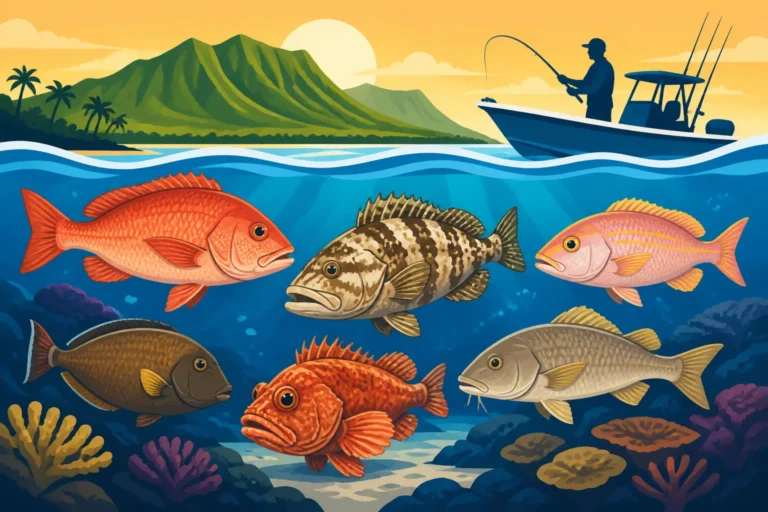
Beyond crustaceans, a variety of smaller reef fish form a significant part of their menu. This includes parrotfish (uhu), goatfish (kumu and weke), triggerfish, and even juvenile snapper species. These fish, while perhaps not as fast as pelagic baitfish, are abundant and provide a reliable food source within the reef system. An ulua might patiently stalk a school of goatfish foraging in the sand, waiting for the perfect moment to strike. They often use the reef structure itself to corner their prey, making quick, decisive lunges. You can read more about various species and their habits in our guide, Hawaii Bag and Size Limits by Species.
Baitfish on the Menu: When Schools Move In
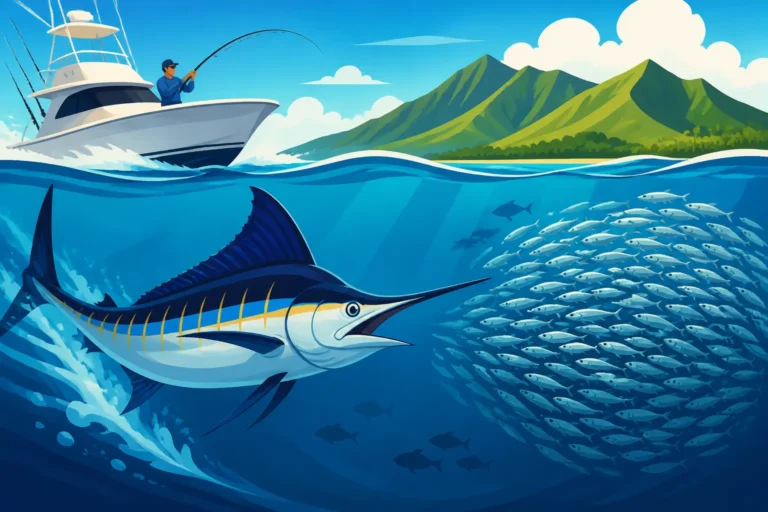
While reef dwellers are a constant food source, ulua are also highly attuned to the movements of larger baitfish schools. When schools of akule (bigeye scad), opelu (mackerel scad), or moi (Pacific threadfin) move closer to shore or congregate around deeper reefs, ulua are quick to capitalize on this bounty. This is when you might witness some of the most spectacular surface feeding activity.
These baitfish often travel in massive schools, creating a chaotic feast for predators. Ulua will slash through these schools, stunning or injuring multiple fish with powerful tail slaps before circling back to devour them. The sheer volume of food makes it an irresistible target. Anglers often observe diving birds or visible disturbances on the surface when baitfish schools are being harassed, and these are prime indicators that ulua might be in the area. Fishing with live bait, especially locally caught akule or opelu, becomes incredibly effective during these times. It's a classic "match the hatch" scenario where you're offering exactly what they're already gorging on. For a broader understanding of Hawaii's marine life, our Pelagic Species Identification Guide for Hawaii can be a valuable resource.
Beyond the Usual: Unusual Prey and Scavenging
Ulua are not picky eaters when the opportunity arises, and their diet can extend to some surprising items. Octopuses and squid, collectively known as cephalopods, are another highly favored meal. These creatures are nutritious and provide a substantial bite. Ulua will actively hunt octopus in rocky crevices, using their powerful bodies to flush them out. A well-placed artificial squid lure or even a fresh dead octopus tentacle can be an incredibly enticing offering.
They also won't hesitate to scavenge. If an injured fish or a discarded baitfish happens to drift into their territory, an ulua will readily snap it up. This opportunistic nature means that even a dead bait presented naturally on the bottom can draw a strike, particularly in areas with strong currents that might carry food past their ambush points. In very rare instances, there have even been documented cases of ulua preying on small seabirds that land on the water's surface, highlighting their incredible adaptability and predatory instinct. It's truly a testament to their survival skills that they can exploit almost any available food source in their environment.
Adapting Your Approach: Matching Ulua's Diet with Bait and Lures
Knowing what ulua eat is only half the battle; the real trick is translating that knowledge into successful fishing techniques. By understanding their preferred diet, you can select baits and lures that are not only appealing but also presented in a way that closely mimics their natural prey. This strategic approach drastically increases your chances of hooking into one of these hard-fighting fish.
Live Baiting: Mimicking Natural Prey
When it comes to targeting ulua, especially the larger ones, nothing quite beats fresh, lively bait. The erratic movements and natural scent of live bait are irresistible to these predators, directly tapping into their instinct to hunt. The key is to match your live bait to what the ulua are currently feeding on in that specific location.
For reef-dwelling ulua, live crabs are an absolute game-changer. Rigging a large swimming crab, or even a smaller rock crab, to drift naturally along a reef edge or into a deep hole can be incredibly effective. The struggling movements of the crab as it tries to escape often triggers an aggressive strike. Similarly, live lobsters, if legal and available, are a top-tier bait, though often harder to come by. For a detailed look at how to present such baits effectively, our guide on Sliding Bait Techniques for Ulua offers excellent insights, as many of these principles apply to live presentations as well.
When ulua are keying in on baitfish schools, live akule, opelu, or moi are your best bet. These can often be caught with sabiki rigs or throw nets in harbors or near bait schools. Presenting a lively baitfish, hooked lightly through the nose or back, allows it to swim naturally and attract attention. You can let it free-swim under a float, slow-troll it from a kayak, or even cast it out from shore into a likely ambush zone. The vitality of the bait is paramount here; a sluggish bait is far less appealing. Many anglers swear by specialized bait hooks and leader material for these presentations, which you can find a wide selection of on Amazon to ensure your gear is up to the task.
Artificial Lures: Replicating Movement and Appearance
Sometimes, live bait isn't an option, or the fishing conditions call for a more active approach. This is where artificial lures shine. Modern lures are designed to imitate various prey items, from struggling baitfish to scuttling crabs, and with the right technique, they can be incredibly effective at provoking an ulua strike.
Topwater lures like poppers and stickbaits are fantastic when ulua are actively feeding on baitfish schools near the surface. The explosive strikes on these lures are some of the most exciting experiences in fishing. A popper that creates a loud "bloop" and splashes, mimicking a fleeing baitfish, or a stickbait that glides enticingly just under the surface, can drive an ulua into a frenzy. Choosing colors that resemble local baitfish, like chrome, blue-and-silver, or even iridescent white, can make a big difference.
For ulua feeding deeper or closer to the reef floor, jigs and soft plastics come into their own. Heavy metal jigs, dropped down and retrieved with an erratic, vertical motion, can imitate an injured baitfish falling through the water column or a bottom-dwelling creature trying to escape. Soft plastics, especially those shaped like eels, crabs, or smaller fish, rigged on heavy jig heads, can be worked slowly along the bottom, mimicking their natural movements. The texture and flexibility of soft plastics can feel more natural to an ulua, encouraging it to hold on longer, giving you a better hook set. There's a vast world of options available, and many anglers discover new favorites by browsing the diverse selection on Amazon.
Targeting Specific Reef Structures: Where the Food Is
Understanding where an ulua's preferred food lives directly influences where you should cast your line. Ulua are ambush predators, often positioning themselves strategically to intercept prey as it moves through currents or along structure.
Deep ledges and drop-offs are prime locations. These areas act as highways for baitfish and are also home to many crustaceans. An ulua will often sit just below the ledge, waiting for an opportune moment to dart out and grab a passing meal. Casting a heavy jig or a sliding bait rig into these zones, letting it settle near the bottom, can be highly effective. Channels between reefs are another hotspot, as these constricted areas funnel water and, critically, food, creating natural ambush points. Ulua will patrol these channels, often using the current to their advantage, waiting for smaller fish or crabs to drift by. For more insights on optimal timing, check out our article on Best Time of Day to Catch Ulua.
Even shallow reef flats, particularly those with scattered rocks, coral heads, or areas where the sand meets the reef, can hold resident ulua. These fish might be smaller "papio" (juvenile ulua), but larger ulua will also move onto these flats during high tide or low-light conditions to hunt for crabs and smaller fish. Here, wading and casting smaller lures or live crabs can be surprisingly productive. Understanding the underwater topography of your chosen fishing spot can significantly improve your success rate. For excellent examples of productive areas, consider reading up on Best Shore Fishing Spots in Hawaii.
Seasonal Shifts and Environmental Factors Affecting Ulua's Diet
Just like us, ulua don't eat the exact same thing all year round. Their diet is heavily influenced by the natural cycles of the ocean, including the seasonal availability of their prey and various environmental factors. Being aware of these shifts can give you a significant edge when planning your fishing trips.
Seasonal Prey Availability: From Spawning to Migrations
Hawaii's waters experience subtle but important seasonal changes that impact marine life. Many baitfish species have specific spawning seasons when they congregate in large numbers, making them an easy target for predators. For example, moi (Pacific threadfin) have a regulated closed season to protect their spawning stocks, but outside of that, their presence can trigger ulua feeding activity. Similarly, large schools of akule and opelu might migrate through certain areas at different times of the year, following warmer currents or plankton blooms. When these baitfish arrive, ulua will often switch their primary focus to these abundant, fast-moving meals.
Conversely, some reef-dwelling prey, like certain crab or lobster species, might be more active or abundant during specific times, perhaps during warmer months when they are more likely to forage. This means that if you're targeting ulua during a time when pelagic baitfish are scarce, focusing on presentations that mimic crabs or other bottom dwellers might be more fruitful. Experienced local anglers constantly observe these natural cycles, adjusting their bait and lure choices to "match the hatch" of whatever food source is most prevalent. This knowledge is gained through years on the water, but by paying attention to local reports and bait availability, you can fast-track your learning curve.
Influence of Tides and Currents: Delivering the Feast
Tides and currents play a massive role in how and when ulua feed. Strong currents, particularly those pushing against reef edges, points, or through channels, act as natural conveyor belts for food. These currents dislodge crabs, sweep smaller fish out of hiding, and concentrate baitfish schools, creating perfect ambush opportunities for ulua.
Many seasoned ulua anglers swear by fishing around tide changes, especially the outgoing tide. As the tide recedes, water pulls off the reef flats, washing food items into deeper channels where ulua often lie in wait. Conversely, an incoming tide can bring cooler, nutrient-rich water closer to shore, stirring up baitfish and bringing other prey items within reach. Understanding the tidal swings and current patterns at your chosen fishing spot is crucial. For instance, a strong current might require heavier weights to keep your bait in the strike zone, but it also means more food is being delivered to the ulua. This connection between currents and feeding is especially important for shore-based anglers, as discussed in How to Catch Ulua from Shore.
Water Clarity and Temperature: Impacting Foraging Behavior
Environmental factors like water clarity and temperature also influence an ulua's diet and feeding strategy. In crystal clear Hawaiian waters, ulua can be incredibly wary and cunning. They rely heavily on sight to hunt, and in clear conditions, they might be more selective, favoring natural-looking baits and presentations that don't spook them. Conversely, clear water can also allow them to spot prey from a greater distance, making them highly efficient hunters.
When the water is a bit murkier, perhaps after heavy rain or during a strong swell, ulua might rely more on their other senses, like their lateral line (which detects vibrations) and sense of smell. In these conditions, baits with a strong scent, or lures that create significant vibration or displacement, can be more effective. The reduced visibility might also make them bolder, as their prey has less warning of an impending strike. If you're encountering high surf conditions, our guide Best Techniques for High Surf Shore Fishing can offer valuable tips for adapting your strategy.
Water temperature changes can also affect prey activity and, consequently, ulua feeding. While Hawaii's ocean temperatures are relatively stable, even slight variations can impact the schooling patterns of baitfish or the activity levels of crustaceans. Ulua, being cold-blooded, will adjust their metabolism and activity accordingly, often feeding more aggressively when temperatures are optimal for their prey.
Practical Tips for Anglers: Using Diet Knowledge to Your Advantage
Now that we've explored the diverse menu of ulua and the factors influencing their eating habits, let's bring it all together with some actionable tips you can use on your next fishing adventure. Knowing what they eat is powerful, but applying that knowledge effectively is where the real success lies.
"Match the Hatch" for Ulua
This age-old fishing adage is particularly true for ulua. Observing your immediate surroundings is paramount. Before you even make your first cast, take a few minutes to watch the water. Are there baitfish flickering on the surface? Do you see crabs scuttling along the rocks at the edge of the water? Are diving birds indicating baitfish schools offshore? The answers to these questions should directly inform your bait and lure selection.
If you see schools of opelu or akule, live-lining one of these baits is often your best bet. If you can't get live bait, choose a lure that mimics their size, color, and action. A fast-retrieved stickbait or a chugging popper can often replicate the frantic escape of a baitfish. If you're fishing a rocky coastline where crabs are abundant, consider a fresh dead crab on a sliding rig, or a soft plastic lure that imitates a crab bouncing along the bottom. The goal isn't just to use a bait, but the right bait for the specific conditions and available forage. Many anglers find great success researching popular lure colors and styles online, and Amazon often has community reviews that can point you to locally favored options.
Reading the Water: Signs of Ulua Feeding Activity
Ulua often give themselves away, if you know what to look for. Beyond the obvious surface explosions on bait schools, there are more subtle signs that indicate their presence and feeding activity. Keep an eye out for sudden changes in baitfish behavior – a school that suddenly scatters, leaps out of the water, or forms a tight ball without any visible predator on the surface could indicate an ulua stalking them from below.
Also, observe the behavior of other marine life. Diving seabirds, especially terns and boobies, are often reliable indicators of baitfish being pushed to the surface by predators like ulua or tuna. In shallower reef areas, look for disturbances in the water, like a sudden swirl or a change in the water's texture that doesn't seem to be caused by the wind or current. These could be the subtle movements of an ulua patrolling its territory. Even fishing during low-light conditions, such as dawn, dusk, or night, can be incredibly productive for ulua, as they often become bolder predators under the cover of darkness. Our Night Fishing for Ulua in Hawaii guide delves deeper into this strategy.
Essential Gear Considerations
Ulua are incredibly strong fish, and successfully landing one requires robust gear that can withstand their powerful runs and crushing strikes. Your rod and reel need to be up to the task – think heavy-action rods with plenty of backbone and reels with smooth, reliable drags and high line capacity. A general guide to the species and tackle can be found in Ulua (Giant Trevally) Fishing in Hawaii.
Your line and leader material are arguably the most critical components. Braided main line, typically 60-100 lb test, offers the strength and sensitivity needed. However, ulua are notorious for their abrasive mouths and the sharp edges of the reef. Therefore, a heavy monofilament or fluorocarbon leader, often 100-200 lb test, is essential to prevent break-offs. This leader needs to be long enough to protect your main line during the fight. Swivels and hooks should be heavy-duty and corrosion-resistant. Using cheap terminal tackle is a surefire way to lose a trophy fish. Investing in quality gear, much of which you can easily research and purchase from trusted online retailers like Amazon, is not just a preference, it's a necessity for tackling these giants. Remember, catching an ulua is a test of both angler skill and gear strength, so don't cut corners on your setup. Understanding Hawaii Papio and Ulua Size Rules will also help you prepare for the size of fish you might encounter.
Ulua Prey and Presentation Overview
Here's a quick look at some common ulua prey and how you can match your fishing strategy:
| Prey Type | Habitat | Best Bait/Lure Match | Presentation Strategy |
|---|---|---|---|
| Crabs | Rocky ledges, crevices, sandy pockets | Live crabs, fresh dead crabs, soft plastic crab imitations | Fished on the bottom, sliding rig, cast near structure |
| Lobsters | Deep crevices, rocky bottoms | Live small lobsters (if legal), fresh dead lobster pieces | Fished on the bottom, heavy tackle, near deep structure |
| Akule/Opelu (Baitfish) | Open water, near shore, harbors | Live akule/opelu, fresh dead whole fish, large poppers, stickbaits, swimbaits | Live-lined, slow troll, fast retrieve topwater/subsurface |
| Moi (Baitfish) | Sandy flats, near shore | Live moi, fresh dead whole fish, soft plastic jerkbaits | Live-lined on sandy edges, retrieved over flats |
| Octopus/Squid | Rocky reefs, coral heads | Fresh dead octopus/squid, large artificial squid lures, soft plastic eel/squid imitations | Fished on the bottom, jigged, drifted over reef |
| Smaller Reef Fish | Anywhere on the reef | Live small reef fish (if legal), soft plastic fish imitations, jigs, spoons | Fished near structure, bounced on bottom, retrieved erratically |
Disclaimer
This article is for general informational purposes only and does not constitute professional advice. Laws, prices and regulations vary by location and change over time. Consult a qualified professional for guidance on your specific situation.