How fast ahi grow
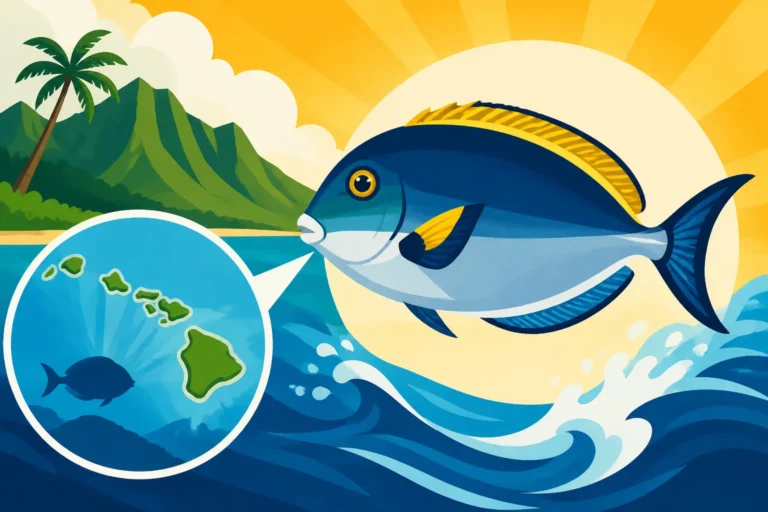
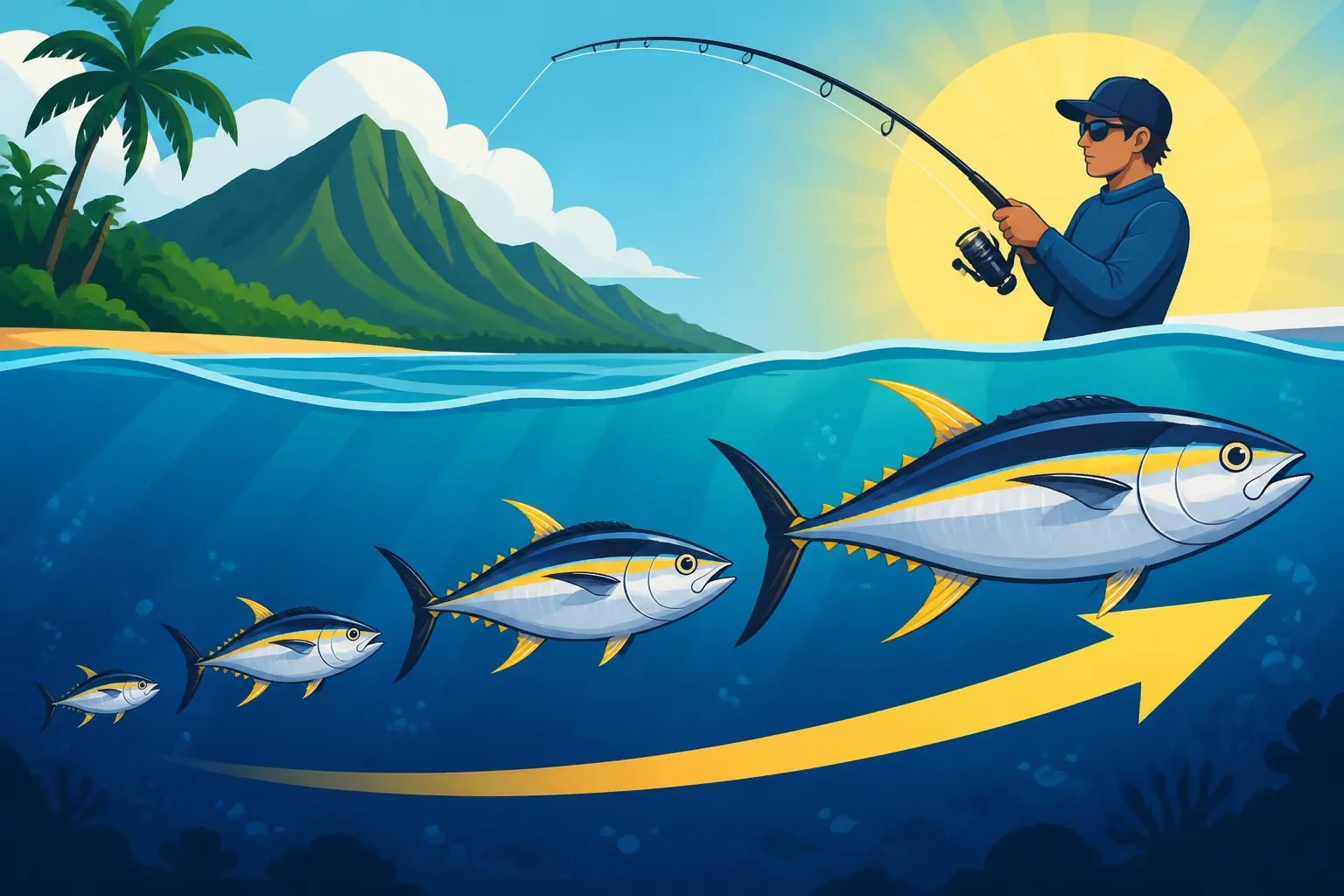
One of the most common questions I hear from fellow anglers, especially those new to Hawaii's vibrant fishing scene, is about the incredible growth of our local ahi. It's truly astounding to witness how these powerful yellowfin tuna can go from a tiny fry to a massive, ocean-roaming torpedo in what seems like no time at all. This guide will dive deep into the fascinating growth trajectory of ahi in Hawaiian waters, unraveling the mysteries of their rapid development and how various factors influence their impressive size.
Understanding Ahi Growth: More Than Just a Number
When we talk about how fast ahi grow, it’s not just about a simple length or weight increase; it's a complex interplay of biology, environment, and food availability. These highly migratory pelagic fish are built for speed and efficiency, and their growth rate reflects their energetic lifestyle. What might surprise you is just how quickly they can pack on the pounds and reach impressive sizes, making them such a prized catch for anglers across the islands.
Initial Growth Stages and Nursery Grounds
The journey of an ahi begins as a tiny larva, almost imperceptible to the naked eye. These initial stages are incredibly vulnerable, with survival rates often low as they drift as plankton. Hawaii's warm, nutrient-rich waters serve as excellent nursery grounds for many pelagic species, including ahi. While they don't have a specific "nursery" in the traditional sense like some reef fish, the vast expanse of the open ocean provides ample microscopic food and relatively stable conditions for these developing larvae.
During this period, their growth is exponential, though still measured in millimeters. They're quickly developing the characteristic sleek, torpedo shape that will allow them to become apex predators. It's a critical time where they must avoid countless predators and find sufficient sustenance to fuel their rapid transformation. The sheer number of eggs released by mature ahi ensures that at least a few will make it through this precarious early life.
Environmental Influences on Growth Rate
The ocean environment plays a massive role in how fast an ahi grows. Water temperature, for instance, directly affects their metabolism. Warmer waters generally mean a higher metabolic rate, which, when coupled with abundant food, translates to faster growth. Hawaii's consistently warm tropical waters are ideal for supporting this accelerated growth throughout the year. Cold snaps or prolonged periods of cooler water, while rare in Hawaii, could potentially slow down their feeding and growth.
Ocean currents and eddies also influence growth by concentrating baitfish, creating nutrient-rich upwellings, and transporting ahi to new feeding grounds. Areas where these conditions converge, like seamounts or current lines offshore, often become hotspots for larger, well-fed tuna. Changes in global climate patterns, such as El Niño or La Niña, can shift these oceanic conditions, impacting the overall health and growth rates of the ahi populations we see around the islands.
Diet and Food Availability: The Fuel for Growth
Perhaps the most significant factor determining how fast an ahi grows is its diet and the abundance of food. Ahi are opportunistic and voracious feeders, consuming a wide variety of prey including squid, crustaceans, and smaller fish like mackerel, sardine, and flying fish. The more quality food they can consume, the faster they can convert that energy into body mass. This is why you often find the biggest ahi in areas with rich bait concentrations.
When you're out Ahi (Yellowfin Tuna) Fishing in Hawaii, knowing what they're eating is half the battle. If a school of akule or opelu suddenly appears, you can bet the ahi are nearby, gorging themselves. This constant feeding fuels their incredible muscle development and allows them to gain weight at an astonishing rate. Anglers often experiment with different presentations to match the prevalent bait, and sometimes you can find specialty books or guides on Amazon that delve into the specific diets of various pelagic species, which can be invaluable for understanding their feeding patterns and growth.
The Lifecycle of an Ahi: From Larva to Trophy Tuna
The life of an ahi is a dynamic journey across vast oceanic expanses, characterized by constant movement and relentless feeding. Understanding this full lifecycle gives us a better appreciation for the fish we pursue and the regulations that help sustain them, such as Hawaii ahi bag limit rules.
Spawning and Early Life
Ahi are broadcast spawners, meaning females release millions of eggs into the water column, which are then fertilized by males. This typically occurs in warm, tropical waters, often near the surface. Unlike some fish that lay eggs in nests, ahi eggs are pelagic, meaning they float freely, carried by currents. This strategy ensures wide dispersal, increasing the chances of some surviving. The larvae that hatch are tiny, delicate creatures, spending their first weeks or months as part of the zooplankton, feeding on even smaller organisms.
During this vulnerable period, they are prey for a vast array of marine life. Only a tiny fraction will survive to reach the juvenile stage. The speed at which they transition from larva to a more robust, independent swimmer is astonishing, driven by the need to grow quickly to escape predation and hunt for larger food sources.
Juvenile Ahi: The Fast-Growing Years
Once ahi reach a few inches in length, they are considered juveniles. These younger tuna grow remarkably fast, often gaining several pounds a month. They form schools and are constantly on the move, searching for food. You'll often find these "schoolie" ahi around floating debris, FADs (Fish Aggregating Devices), or under birds, where baitfish tend to congregate. This is a period of intense activity and rapid physiological development. Their bodies are optimized for efficient energy conversion, allowing them to transform consumed prey into muscle mass with incredible speed.
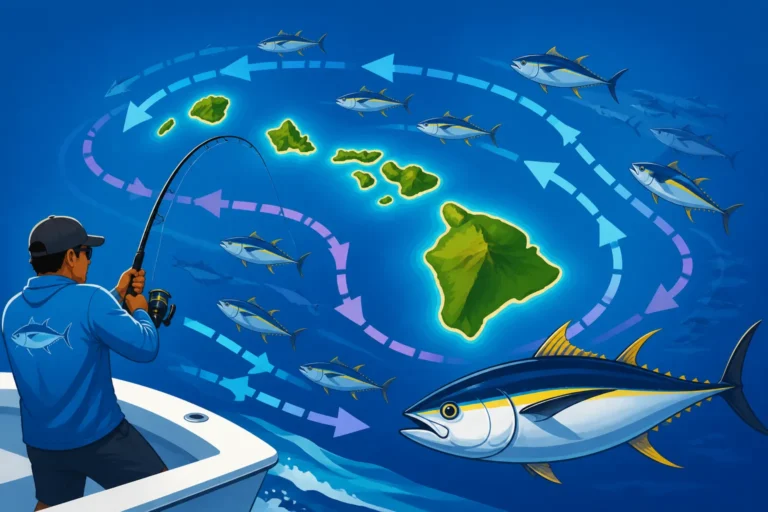
It’s during these juvenile years that they establish the migratory patterns that will take them across vast stretches of the Pacific. Understanding Ahi Migration Patterns Around Hawaii can give you an edge in finding these fast-growing schools. The goal for these young fish is simple: eat as much as possible, grow as quickly as possible, and avoid becoming prey themselves.
Mature Ahi: Peak Growth and Longevity
As ahi mature, typically after about 2-3 years, their growth rate might slow slightly compared to their juvenile burst, but they continue to pack on significant size. These are the powerful fish that can push into the 100-200 pound range, and beyond. A large, mature ahi can weigh several hundred pounds, with some truly massive specimens approaching the Hawaii state record ahi weight. While they can live for a decade or more, their most rapid growth occurs in their early to mid-life.
Mature ahi are formidable predators, capable of covering vast distances at high speeds. They are the target of serious sport fishermen, and catching one requires skill, patience, and often the right gear, which you can always find a wide selection of, often with helpful reviews, on Amazon. Their peak growth is often tied to periods of abundant food, like a sustained bait run or consistent upwelling that brings nutrient-rich waters to the surface.
Measuring Ahi Growth: Science and Angler Observations
How do we actually know how fast ahi grow? It's a combination of dedicated scientific research and the invaluable observations shared by experienced anglers who spend countless hours on the water. Both perspectives offer crucial pieces to the puzzle.
Scientific Methods for Age and Growth Determination
Marine biologists employ several methods to determine the age and growth rates of ahi. One of the primary techniques involves examining hard parts of the fish, specifically the otoliths (ear bones). Similar to tree rings, otoliths lay down growth rings annually. By cross-sectioning and analyzing these rings under a microscope, scientists can accurately determine a fish's age. This allows them to create growth curves, showing average length and weight at different ages.
Another method involves tagging studies. Scientists tag individual fish with conventional or satellite tags and release them. If a tagged fish is recaptured later, researchers can record its new size and the time elapsed since tagging, providing direct data on individual growth. This data, combined with genetic studies and oceanographic research, helps paint a comprehensive picture of ahi population dynamics and growth rates.
Angler Insights and Catch Data
While scientists use advanced techniques, the angling community provides a wealth of real-world data. Charter captains and experienced local fishermen often have an intuitive sense of how fast ahi are growing in a given season, based on the average size of their catches. Consistent reports of "schoolie" ahi hitting certain sizes at particular times of the year, or an unexpected run of "football" tuna that are larger than typical for their age class, offer valuable anecdotal evidence.
Many fishing clubs and tournaments also collect data on catch size and weight, contributing to a broader understanding of population trends. For instance, if you're wondering Best time of day to book a charter for Ahi, your captain might share insights about when they typically see larger or faster-growing fish feeding. This collective wisdom, passed down through generations of Hawaii fishermen, is an indispensable resource.
Average Size and Weight by Age
It's challenging to give exact numbers that are consistent year-round due to the dynamic nature of the ocean, but we can talk about general trends.
Ahi larvae, upon hatching, are usually less than a tenth of an inch long.
Within their first year, juvenile ahi can grow to a length of around 20-30 inches and weigh anywhere from 5-20 pounds, depending heavily on food availability. This rapid initial growth phase is crucial for their survival.
By their second year, they often reach 40-50 inches and can weigh 40-80 pounds. This is often the size when they become common targets for recreational anglers.
At three years old, many ahi will be 50-60 inches long and weigh 80-150 pounds, becoming truly formidable opponents on the line.
Beyond three years, their growth continues, but the rate of increase in both length and weight starts to taper slightly. Ahi can live for over ten years, reaching lengths well over 70 inches and weights that can exceed 300-400 pounds, with the largest specimens being truly exceptional.
Here's a simplified look at the typical growth trajectory, but remember, this is an approximation and can vary greatly:
| Age (Years) | Approximate Length (Inches) | Approximate Weight (Pounds) | Growth Stage | Notes |
|---|---|---|---|---|
| <1 | 5-30 | <1-20 | Larva/Juvenile | Highly variable, dependent on food |
| 1 | 25-40 | 15-40 | Juvenile | Rapid development, schooling behavior |
| 2 | 40-55 | 40-90 | Sub-Adult | Strong growth, beginning migrations |
| 3 | 55-70 | 80-150 | Adult | Sexually mature, peak growth rate |
| 4+ | 65+ | 150-300+ | Mature Adult | Continued growth, larger specimens rare |
Factors Affecting Ahi Size and Sustainability
The impressive growth rate of ahi isn't just a biological marvel; it also has significant implications for fisheries management and the long-term health of their populations. Several external factors can influence not only individual fish size but also the overall sustainability of ahi in our oceans.
Fishing Pressure and Stock Health
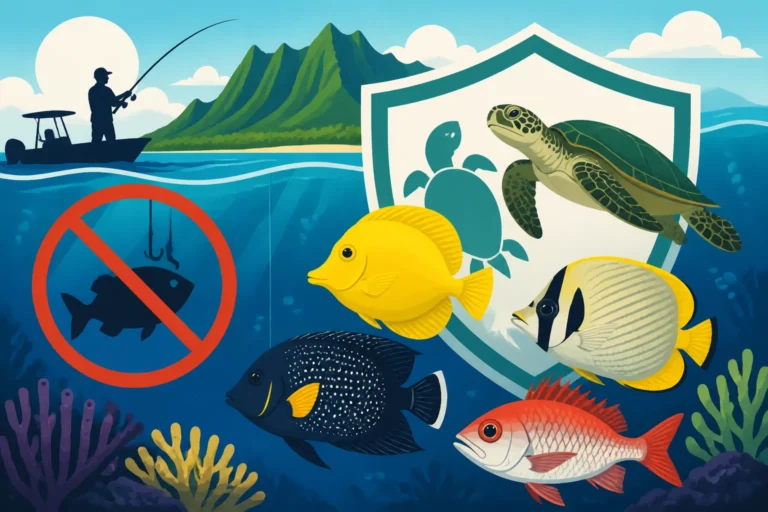
One of the most obvious factors affecting the prevalence of large, fast-growing ahi is fishing pressure. When a species is heavily fished, particularly if large, mature spawning fish are preferentially targeted, it can impact the average size of fish in the population and potentially affect reproduction. However, ahi are a highly migratory species, and their populations are managed internationally to ensure sustainability. Regular stock assessments help determine healthy catch limits and inform regulations like Hawaii ahi bag limit rules.
Responsible fishing practices, including adhering to limits and considering catch-and-release for certain fish, help ensure that ahi have the opportunity to grow to their full potential and contribute to future generations. Tools and resources for understanding these regulations, often found online or in guides available through retailers like Amazon, are crucial for every angler.
Climate Change and Ocean Conditions
Climate change poses a long-term threat to many marine species, including ahi. Changes in ocean temperature, acidification, and altered current patterns can impact the distribution of baitfish, ahi migration routes, and even their reproductive success. For example, if preferred feeding grounds shift due to warming waters, ahi might have to travel further, expending more energy, which could potentially affect their growth rate or overall health.
Oceanic phenomena like El Niño, which brings warmer waters and often shifts baitfish availability, can have noticeable short-term impacts on where and how fast ahi grow. These natural cycles, amplified by broader climate trends, are continually monitored by scientists to predict and understand their effects on valuable fisheries.
Conservation Efforts and Responsible Fishing
Ensuring that ahi continue to thrive and reach impressive sizes for future generations of anglers is paramount. Conservation efforts focus on sustainable fishing practices, international cooperation in managing migratory stocks, and marine protected areas. For instance, understanding the importance of areas like the Hawaii Marine Life Conservation Districts, Explained (though ahi are pelagic, the health of the broader ecosystem matters) is part of a holistic approach to ocean health.
Anglers also play a vital role. Choosing reputable charters that adhere to sustainable practices, such as those recommended in Best charters for catching marlin and ahi together, and practicing responsible catch-and-release when appropriate, all contribute to the health of the ahi population. Whether you're trolling offshore using Trolling Techniques for Hawaii Pelagics or trying Drift Fishing for Ahi in Hawaii, every action on the water has an impact.
By understanding how fast ahi grow and the many factors influencing their journey from tiny larva to powerful tuna, we can all contribute to the continued abundance of this incredible species in Hawaii's waters. It's not just about the thrill of the catch; it's about appreciating the biology and contributing to the sustainability of this cherished resource.
Disclaimer
This article is for general informational purposes only and does not constitute professional advice. Laws, prices and regulations vary by location and change over time. Consult a qualified professional for guidance on your specific situation.