What to do if you catch an invasive fish species in Hawaii
It’s a scenario many anglers face: you're out enjoying the beautiful Hawaiian waters, the line goes tight, and after a good fight, you reel in something that looks… a little out of place. This can be confusing, especially if you suspect it might be an invasive species and you're not sure about the rules. This guide is here to cut through that confusion, explaining exactly what you should do if you catch an invasive fish in Hawaii, from identification to responsible disposal, and why your actions are so crucial for our precious marine environment.
Identifying Invasive Species in Hawaiian Waters
The first step, and often the trickiest, is knowing what you're looking at. Hawaii's waters are teeming with incredible native life, but unfortunately, they're also home to a number of species that don't belong here, often introduced decades ago. These non-native species, termed invasive, can wreak havoc on local ecosystems, outcompeting native fish for food and habitat, altering the delicate balance of our reefs. It's a real challenge, and recognizing these species is the first line of defense.
Common Culprits: Taape and Roi
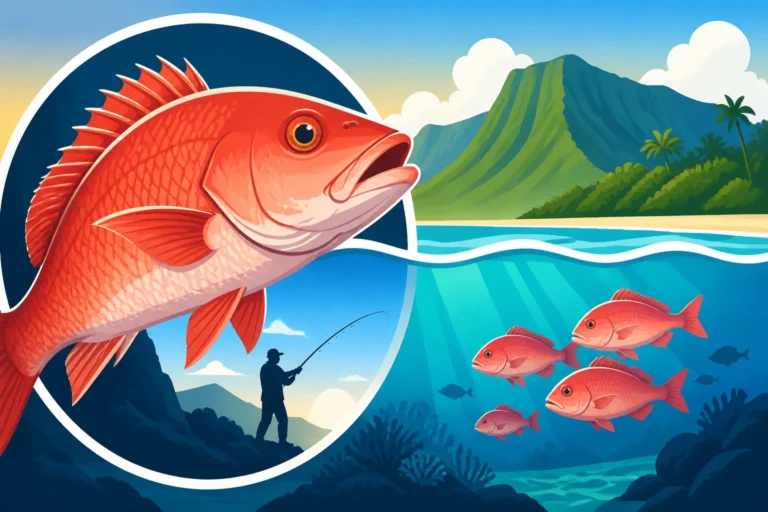
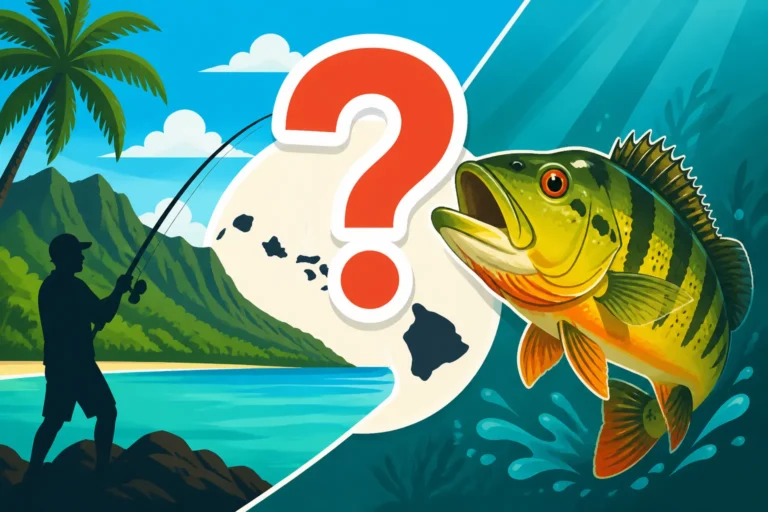
When we talk about invasive fish on Hawaii's reefs, two names consistently come up: the Taape (bluestripe snapper) and the Roi (peacock grouper). Both were intentionally introduced to Hawaiian waters back in the 1950s with the hope of boosting local food fish populations, but they've unfortunately become a significant problem. Many anglers feel a pang of disappointment when they hook one, knowing the potential harm these fish inflict. They're often found in areas where native fish populations are struggling, and their presence is a clear sign of an unbalanced ecosystem.
The taape, for instance, is a schooling fish, often seen in large groups, which can quickly overwhelm an area. They're voracious eaters and compete directly with native snappers and goatfish for food sources. The roi, on the other hand, is a solitary, ambush predator that can grow quite large. They've been observed preying on a wide range of native reef fish, including juveniles of commercially and culturally important species. Understanding their behavior and impact helps explain why the rules around them are so strict. If you're keen to learn more about the specific regulations around these species, take a look at Hawaii taape and roi invasive species harvest rules.
Key Identification Marks
Knowing the difference between an invasive species and a native one is absolutely critical. It’s not always straightforward, especially for those new to fishing Hawaii's unique environment. However, there are some distinct features that can help you tell them apart.
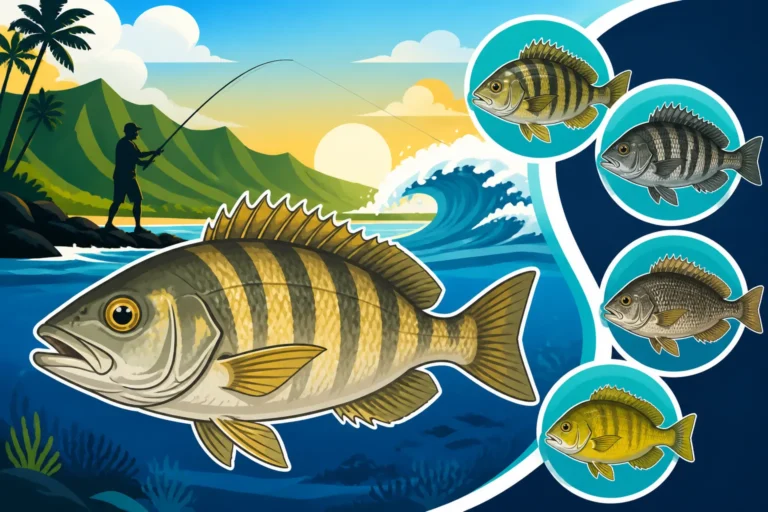
Let's start with the taape. These fish are generally silvery-pink to reddish-brown with prominent blue or yellow horizontal stripes along their sides, giving them their "bluestripe snapper" nickname. They have large eyes and pointed fins. They tend to hang out in schools, often near reef drop-offs or ledges, and they aren't shy about biting. For the roi, think peacock. They have a striking pattern of dark brown or reddish spots, often ringed in blue, against a lighter background. They have large mouths and a stocky body, often hiding amongst coral heads or rocky crevices, waiting for prey. Unlike the schooling taape, roi are usually solitary hunters. If you're ever in doubt, a quick search on your phone for images or a laminated Reef Fish Species Identification Guide for Hawaii you might have picked up at a local tackle shop can be a lifesaver.
It's important to be confident in your identification, as misidentifying a native fish as an invasive one could lead to unnecessary removal of a species that should be protected. Always err on the side of caution. Below is a quick comparison of these two common invasives:
| Feature | Taape (Bluestripe Snapper) | Roi (Peacock Grouper) |
|---|---|---|
| Color/Pattern | Silvery-pink to reddish-brown with blue/yellow horizontal stripes. | Dark brown/reddish spots, often blue-ringed, on lighter background. |
| Body Shape | Elongated, streamlined body. | Stocky, robust body with large mouth. |
| Eyes | Relatively large eyes. | Moderately large eyes. |
| Habitat | Schooling fish, often near reef drop-offs, ledges. | Solitary, ambush predator, hides among corals/rocks. |
| Typical Size | Up to 12-18 inches (though often smaller). | Can grow quite large, over 2 feet. |
| Introduced | Yes, 1950s. | Yes, 1950s. |
The Mandate: Catch, Do Not Release
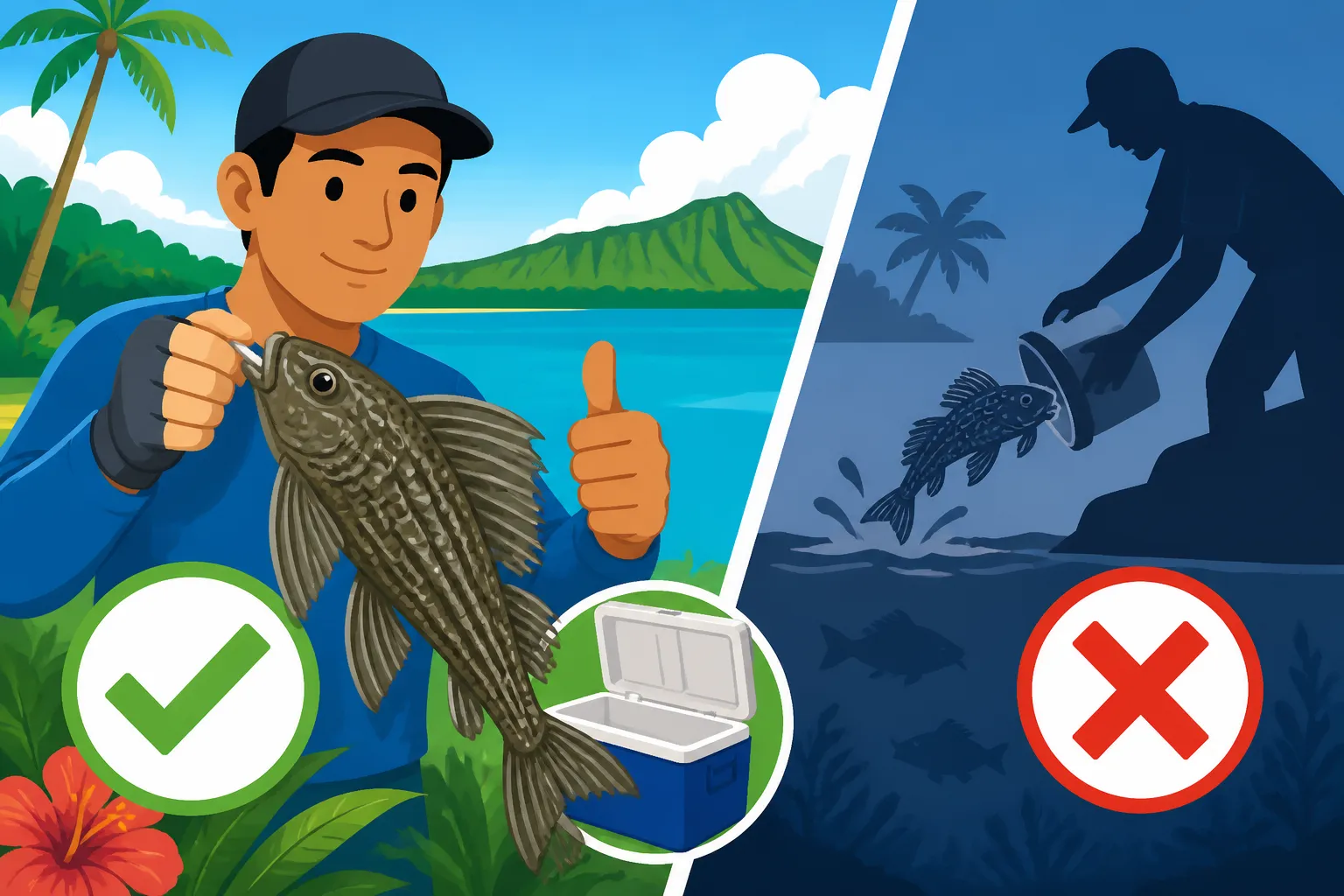
This is the cornerstone of responsible angling when it comes to invasive species in Hawaii: if you catch one, you must keep it. This isn't just a suggestion; it's an imperative designed to protect our fragile marine ecosystems. The frustration of trying to do your part is real, especially if you're accustomed to catch and release for other species, but with invasives, it's a different ballgame entirely.
Understanding the "Keep All" Rule
For certain designated invasive species in Hawaii, such as taape and roi, there are no bag limits, no size limits, and critically, no releasing them back into the water. The rule is clear: if it's an invasive species, you catch it, you keep it. This policy is explicitly stated in Hawaii Fishing Regulations Explained and is meant to encourage anglers to help reduce the populations of these harmful fish. Every invasive fish removed from the ecosystem is one less predator or competitor for our native species, and one less fish that can reproduce and spread its offspring.
This approach acknowledges the significant threat these species pose to Hawaii's unique biodiversity. Unlike a prized marlin where catch and release is often encouraged, or native reef fish with strict Hawaii Bag and Size Limits by Species to ensure sustainability, invasive species are actively targeted for removal. Think of it as an ongoing, community-wide effort to reverse past mistakes and safeguard the future of our reefs. Your single catch might seem small, but collectively, every angler who participates makes a difference.
Why Releasing is Harmful
Releasing an invasive species back into the ocean, even if you do so inadvertently or out of habit, directly undermines conservation efforts and contributes to the problem. These fish are ecological bullies. They outcompete native species for food, take over prime habitats, and can even introduce diseases that local fish have no natural immunity against.
Imagine a beautiful reef ecosystem, perfectly balanced with native parrotfish, goatfish, and small snappers. When a school of taape moves in, they start devouring the same invertebrates and smaller fish that the natives rely on. This puts immense pressure on the native populations, making it harder for them to thrive and reproduce. Roi, being apex predators in many reef environments where they don't belong, can significantly deplete populations of valuable native reef fish. Therefore, allowing them to continue to exist and reproduce unchecked, by releasing them, only exacerbates these issues. This is why for species like taape and roi, there's no debate: they need to be removed. It’s a vital step in helping our native fish, like the beautiful uhu, recover and flourish. If you're used to catch-and-release, like for certain pelagic species (see Is It Legal to Release a Marlin You Catch in Hawaii?), it's important to mentally reframe your approach for these invasive reef dwellers.
Proper Handling and Responsible Disposal
Once you've identified an invasive species and committed to keeping it, the next steps involve humane handling and responsible disposal. It's about respecting the life you've taken, even if the species itself is considered a pest, and ensuring it doesn't cause further harm to the environment.
Humane Dispatch and Storage
The goal here is a quick and humane dispatch. The most common and effective method is to use a fish bonker or a sturdy, blunt object to strike the fish firmly on the head, just above the eyes. This causes immediate brain death, minimizing suffering. Some anglers prefer to use a sharp knife to quickly bleed the fish as well, which can also improve the meat quality if you plan to eat it.
Once dispatched, the fish should be stored properly, especially if you plan to take it home. A cooler with ice is essential, even for short trips back to shore. This keeps the fish fresh and safe, whether it's destined for the dinner table or for disposal. You can find excellent, durable coolers on Amazon that are perfect for a day out on the water, ensuring your catch stays cold. For smaller fish, some anglers might use a fish stringer initially, but transfer to a cooler as soon as practical. Always ensure the fish is completely out of the water and secured once dispatched, preventing any chance of it flopping back in and escaping.
Beyond the Catch: Eating or Disposing
After you've caught and dispatched an invasive species, you have a couple of options: consume it or dispose of it responsibly. Many invasive species, like taape, are quite palatable. They have a firm, white flesh that can be delicious when filleted and cooked. Roi, while also edible, can sometimes carry ciguatera toxin, especially larger individuals caught in certain areas. It's always a good idea to research Are Roi Safe to Eat in Hawaii? and local advisories before consuming roi, as the risk varies. Smaller roi generally pose less risk, but caution is always advised. If you're confident in the edibility, these fish can make a fine meal, turning a conservation effort into a sustainable food source.
If you don't plan to eat your catch, responsible disposal is paramount. Never, ever discard an invasive fish back into the ocean, even if it's dead, as it could still contribute to disease spread or attract unwanted scavengers to sensitive areas. The best practice is to dispose of the fish in a marked trash receptacle or take it home for appropriate disposal with your household waste. For larger catches, some public boat ramps or harbors might have specific fish cleaning stations and disposal bins. Always check local signage for guidance. For proper filleting, a good, sharp fillet knife from Amazon can make the job much easier, allowing you to prepare the fish for consumption or reduce its bulk for disposal.
The Bigger Picture: Protecting Hawaii's Ecosystems
Your actions as an angler have a ripple effect, especially in a delicate environment like Hawaii. Understanding why these "catch and keep" rules exist for invasive species helps to solidify your role as a steward of the ocean, contributing to a much larger conservation effort.
Ecological Impact on Native Species
The introduction of non-native species has had a devastating impact on Hawaii's unique flora and fauna, both on land and in the sea. Our native marine life evolved in relative isolation, making them particularly vulnerable to aggressive, non-native competitors and predators. Invasive fish like taape and roi upset the natural food web, competing with native species for limited resources and even preying directly on them. This pressure can lead to declines in native fish populations, which in turn can affect other parts of the ecosystem, such as coral reefs that rely on herbivorous native fish for cleaning.
When native fish populations decline, the health of the entire reef can suffer. For instance, if too many herbivorous fish are displaced, algae can overgrow and smother corals. The long-term health and vibrancy of our reefs, which are not just beautiful but also critical for coastal protection and local economies, are directly tied to the health of our native fish populations. Every invasive fish you remove helps to alleviate some of that pressure, giving native species a better chance to recover. Learning about Are Taape and Roi Bad for Hawaii's Reefs? can provide even more insight into the detrimental effects of these invaders.
Your Role in Conservation
As an angler in Hawaii, you are on the front lines of marine conservation. Every time you cast a line, you have the potential to make a positive impact by removing invasive species. It's a hands-on way to contribute to the health of our oceans, supplementing the efforts of state agencies like the Hawaii Division of Aquatic Resources (DAR). By actively participating in the removal of invasives, you become a vital part of the solution, helping to preserve the incredible biodiversity that makes Hawaii so special.
It's about being informed, being responsible, and understanding the unique challenges our islands face. Fishing without a required license, or failing to adhere to other regulations, can result in Hawaii fishing without a license penalty which underscores the importance of being aware of all local rules. Your commitment to following these guidelines for invasive species, even if it means changing traditional fishing habits, is an invaluable contribution to the health and future of Hawaii's marine ecosystems. So next time you're out, keep an eye out for those distinctive patterns, and know that your efforts are genuinely making a difference for Hawaii's precious aquatic life.
Disclaimer
This article is for general informational purposes only and does not constitute professional advice. Laws, prices and regulations vary by location and change over time. Consult a qualified professional for guidance on your specific situation.