Life span of a marlin in the wild
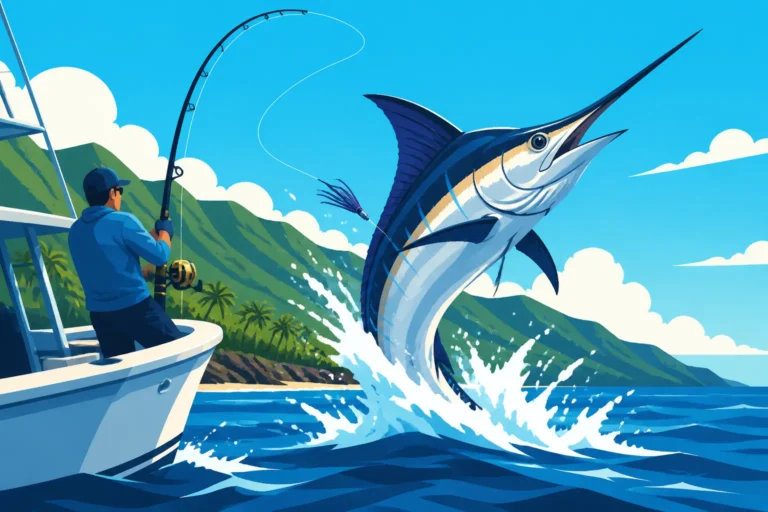
As anglers, we often marvel at the sheer power and beauty of a marlin breaching the surface or screaming line off a reel. These magnificent fish are true ocean athletes, apex predators that command respect. But beneath all that power and speed, a question often lingers: how long do these incredible creatures truly live in the vast, open ocean? It's a question that connects us to the deeper mysteries of marine life and helps us appreciate the journey of every marlin we encounter in Hawaii's bountiful waters. This guide aims to pull back the curtain on the life span of marlin, exploring how science unravels their secrets and what factors play a role in their longevity.
The Basics of Marlin Longevity in the Wild
When we talk about the life span of marlin, it's not a simple, single answer. Just like different breeds of dogs have varying life expectancies, different species of marlin have their own biological timelines. What's truly fascinating is how resilient these fish are, navigating a challenging oceanic environment for years, sometimes decades.
General Life Span Ranges by Species
Let's look at the big three billfish that Hawaii is famous for: blue marlin, black marlin, and striped marlin. Each has its own story when it comes to how long they grace our oceans.
-
Blue Marlin (Kajiki): These are the true giants of the billfish world, especially off the Kona Coast. They're known for their impressive size and incredible fights. Generally, blue marlin are thought to live for quite a while, with females, which grow much larger than males, potentially reaching ages of 20 to 30 years or even more in certain cases. Males tend to have a shorter life span, often in the range of 7 to 10 years. It's a significant difference, highlighting the distinct roles and growth patterns between the sexes. When you hook into a grander blue marlin, you're battling a fish that has seen many seasons pass. You can learn more about these incredible fish in our article Marlin Fishing off the Kona Coast.
-
Black Marlin: While not as common in Hawaiian waters as blue marlin, black marlin are another formidable species. Their life span tends to be similar to blue marlin, with larger females living longer, potentially into their twenties, and males having a shorter life arc. They share that same powerful, ocean-roaming existence.
-
Striped Marlin: These are often considered the "gladiators" of the ocean due to their acrobatic displays. Striped marlin typically have a shorter life span compared to their larger cousins, often living around 10 to 15 years. They grow faster and mature earlier, which is a common trade-off in the marine world – rapid growth often means a somewhat shorter overall existence. Understanding the differences between these species is key to appreciating their individual journeys, and you can delve deeper into Blue Marlin vs Striped Marlin Identification.
It's important to remember that these are estimations based on scientific research, and the ocean is full of surprises. Every fish's journey is unique, influenced by countless variables from the moment they hatch.
Factors Influencing a Marlin's Life Expectancy
So, what determines if a marlin makes it to a ripe old age or succumbs earlier? It's a complex interplay of environmental conditions, biological factors, and external pressures.
-
Genetics: Like all creatures, a marlin's genetic makeup plays a foundational role in its potential longevity. Some individuals might simply be predisposed to a longer, healthier life, much like in human families where some members consistently live past 100. Strong genes can mean better disease resistance, more efficient metabolism, or simply a robust constitution that helps them weather the challenges of the open ocean. These inherent strengths give some marlin an initial advantage in the marathon of life.
-
Food Availability and Quality: The ocean is a dynamic buffet, but it's not always brimming with the perfect meal. A marlin's ability to find abundant, nutritious prey directly impacts its growth rate, health, and resilience. Periods of scarce food can lead to slower growth, weakened immune systems, and increased vulnerability to disease or predation. Conversely, consistent access to rich feeding grounds, like those found off the Kona Coast, allows marlin to thrive, accumulate fat reserves, and maintain peak physical condition, which are all vital for a long life. The availability of What marlin eat off the Kona Coast certainly influences their well-being.
-
Water Temperature and Ocean Currents: Marlin are highly migratory and sensitive to oceanographic conditions. Preferred water temperatures influence their movements and feeding behaviors. Abrupt or prolonged changes in temperature, such as those caused by El Niño or La Niña events, can disrupt their food sources, alter migration patterns, and put stress on their systems. Strong currents can aid their travel but also concentrate predators or push them into less favorable habitats. The overall health and stability of the marine ecosystem directly correlates to their chances of survival and thus, their longevity.
-
Disease and Parasites: Even in the vastness of the ocean, disease and parasites are ever-present threats. Marlin can be affected by various internal and external parasites, some of which can be debilitating if left unchecked. A healthy immune system, often linked to good nutrition, is their primary defense. While it's harder for scientists to study disease prevalence in wild marlin compared to captive animals, it's an undeniable factor in natural mortality.
-
Natural Predation: As apex predators, adult marlin have few natural enemies other than large sharks, especially great whites or tiger sharks, or even larger marlin. However, juvenile marlin face a gauntlet of predators, from other fish to seabirds, during their early, vulnerable stages. The longer they survive to reach a substantial size, the fewer threats they face, but the ocean is always a wild place where the strong prey on the less strong.
How Scientists Estimate Marlin Age and Growth
It's not like marlin swim around with birth certificates or growth charts. Determining the age of a wild fish, especially one that lives in the open ocean and can travel thousands of miles, is a fascinating scientific endeavor. Scientists employ clever techniques to piece together the story of a marlin's life.
Otoliths: The Inner Ear Bones
This might sound a bit like something out of a detective novel, but one of the most reliable methods for aging fish involves examining their otoliths, also known as ear bones.
-
Nature's Built-in Recorder: Otoliths are small, calcified structures found in the inner ear of bony fish. They function in hearing and balance. What makes them so invaluable to scientists is that they grow continuously throughout a fish's life by laying down daily or annual growth rings, similar to the rings on a tree trunk. These rings are formed by calcium carbonate deposition, and their visibility can vary depending on the species and environmental conditions.
-
Reading the Rings: To age a marlin, scientists carefully remove these otoliths (usually post-mortem, from fish caught commercially or recreationally) and prepare them for examination. Sometimes, they're sectioned thinly and polished to make the rings more visible under a microscope. By counting these rings, much like an arborist counts tree rings, scientists can estimate the fish's age in years. It’s a meticulous and often challenging process, as some rings can be faint or crowded together, requiring skilled interpretation.
-
Limitations and Challenges: While otoliths are a powerful tool, they're not without their limitations. Collecting otoliths from large, oceanic fish like marlin can be difficult, as it often requires access to commercial or recreational catches where the fish are brought to shore. There's also the occasional challenge of "false rings" or unclear growth patterns that can make accurate counting tricky. Despite these hurdles, otolith analysis provides crucial data that helps researchers understand population dynamics, growth rates, and the overall longevity of marlin. This method, combined with others, helps refine our understanding of Marlin Growth Rate to Grander Size.
Tag-and-Release Programs and Recaptures
Beyond the biological clues within the fish themselves, direct observation through tagging programs offers another vital window into their lives.
-
A Living Experiment: Tag-and-release programs involve attaching a small, numbered tag to a live fish before releasing it back into the ocean. These tags contain unique identification numbers and contact information for the research organization. The hope is that if the fish is recaptured by another angler or commercial fisherman, they will report the tag number, date, and location of recapture. This creates a valuable data point, showing how much time has passed since the initial tagging and how far the fish has traveled. Many responsible anglers in Hawaii practice catch and release, and this directly supports scientific research. Our guide Marlin catch and release survival tips provides helpful information for these programs.
-
Types of Tags: There are different types of tags used in these programs. Conventional tags are simple, plastic dart tags that remain externally visible. More advanced technologies include "pop-up satellite archival tags" (PSATs). These high-tech tags record data on depth, temperature, and light levels over time. After a pre-programmed period, they detach from the fish, float to the surface, and transmit their stored data via satellite. This provides incredibly detailed insights into a marlin's movements, diving behavior, and habitat use, even without a physical recapture.
-
Revealing Migrations and Growth: Recapture data from conventional tags, especially for fish tagged as juveniles and recaptured years later as adults, directly informs scientists about growth rates and minimum life spans. PSATs give a much broader picture of movements and behavior patterns, showing how marlin use different ocean environments throughout their lives. While recaptures are relatively rare due to the vastness of the ocean, each one provides an invaluable piece of the puzzle, helping scientists to refine their estimates of how long marlin live and the incredible distances they cover during their journeys.
The Role of Environment and Fishing Pressure on Marlin Life Span
Marlin don't live in a vacuum. Their life span is intricately tied to the health of their ocean home and the pressures they face from human activities.
Natural Predators and Ecosystem Health
Even at the top of the food chain, marlin are part of a delicate balance, and the overall health of the marine ecosystem profoundly affects their chances of survival.
-
Early Life Vulnerability: While adult marlin are formidable, their journey begins as tiny larvae, utterly vulnerable to a host of predators. The early life stages are fraught with peril, and only a minuscule fraction of marlin eggs hatch and survive long enough to become juveniles. This natural attrition is a critical part of the oceanic food web. A healthy ecosystem provides enough shelter and food for these tiny marlin to grow, but it also supports the predators that keep their numbers in check, ensuring a natural balance.
-
Apex Predator Role and Food Web Dynamics: Marlin play a crucial role as apex predators, helping to control populations of smaller fish like tuna, mackerel, and squid. A healthy marlin population signifies a robust food web beneath them. Conversely, if the prey species they depend on are struggling due to overfishing or environmental changes, it directly impacts the marlin's ability to feed and thrive, potentially shortening their lives. When a critical food source like the opelu or akule schools are under pressure, it sends ripples up the food chain, affecting the mighty marlin. Maintaining the health of the entire food chain is paramount to marlin longevity.
-
Habitat Quality and Ocean Health: The open ocean, while vast, is not uniform. Marlin rely on specific oceanographic features, such as current breaks, temperature fronts, and areas with concentrated baitfish, as feeding grounds and migratory pathways. Pollution, habitat degradation (even far offshore, due to plastic accumulation), and the broad impacts of climate change can degrade these critical habitats. A less healthy ocean means fewer places for marlin to find food, less clean water, and potentially more exposure to toxins, all of which can contribute to a shorter life span and reduced overall health.
The Impact of Commercial and Recreational Fishing
It's impossible to discuss marlin life span without addressing the reality of fishing pressure. While recreational fishing often emphasizes catch and release, large-scale commercial operations can have a significant impact on populations.
-
Commercial Fisheries: Commercial fishing, particularly longline and purse seine operations targeting tuna, can result in significant bycatch of marlin. Even if not specifically targeted, marlin get caught accidentally on gear meant for other species. This unintended capture can lead to high mortality rates, directly impacting the number of marlin that survive to old age. While regulations exist to minimize this, the sheer scale of global commercial fishing means it remains a factor in overall marlin population health and individual longevity.
-
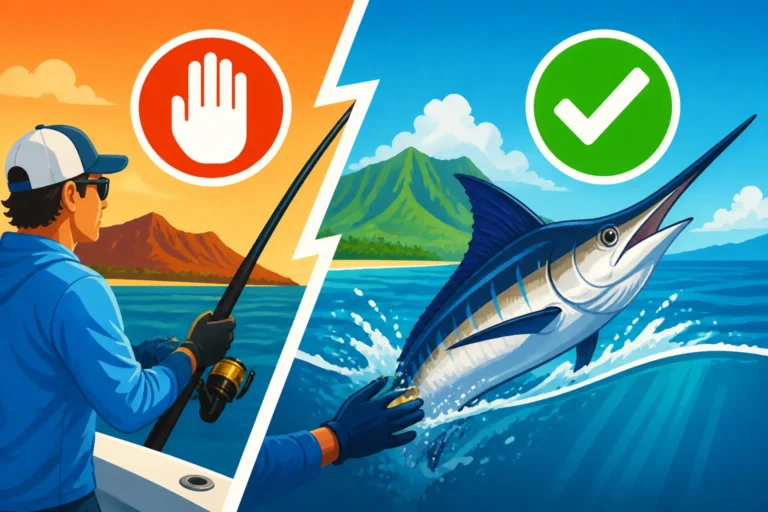
Recreational Fishing and Catch & Release: Recreational anglers in Hawaii cherish the opportunity to battle a marlin. Thankfully, the practice of catch and release is widely adopted, especially for marlin, allowing many fish to swim away and continue their lives. Studies on Is It Legal to Release a Marlin You Catch in Hawaii? indicate that released marlin have a high survival rate if handled properly. However, even with the best intentions, some released fish may succumb to stress or injuries. The cumulative effect of recreational fishing, even with high survival rates, contributes to overall fishing mortality. This is why techniques like careful de-hooking, minimizing fight time, and leaving the fish in the water as much as possible are so important.
-
Data Collection for Conservation: Both commercial and recreational fishing provide crucial data points for scientists studying marlin. Commercial landings offer information on sizes and species caught, while recreational tournaments often require detailed catch reports. The International Game Fish Association (IGFA) and various national fisheries organizations compile this data, which is essential for assessing stock health, setting quotas, and implementing management strategies aimed at ensuring healthy marlin populations for future generations. This data directly impacts decisions about Hawaii Pelagic Species Bag Limits and other regulations.
Understanding Marlin Reproduction and Maturation
The ultimate goal of any living creature is to reproduce and pass on its genes. For marlin, reaching reproductive maturity and successfully spawning are critical milestones that underpin their population's resilience and, in turn, contribute to the species' overall longevity.
When Marlin Reach Reproductive Maturity
Marlin don't start breeding as soon as they hatch; there's a significant period of growth and development before they are ready to contribute to the next generation. This stage is crucial for the continuation of the species.
-
Size Over Age: For many fish, including marlin, reproductive maturity is more closely linked to size than to a specific age. While age is a factor, a marlin must reach a certain body mass and length to have the physiological resources to produce eggs or sperm. This "size at maturity" can vary slightly within a species based on environmental conditions and food availability. For instance, blue marlin females typically mature at sizes well over 200 pounds, often around 6-8 years old, though some studies suggest earlier or later depending on growth rates. Males mature earlier and at a much smaller size, sometimes as small as 50 pounds. This is why males usually don't reach the immense sizes of females.
-
Fast Growth, Earlier Maturity: Species like striped marlin tend to grow faster and mature earlier than the larger blue or black marlin. This life history strategy means they can reproduce more quickly, potentially having more spawning cycles within their shorter overall life span. It's an evolutionary trade-off: a shorter life might be balanced by more frequent reproductive events. Understanding these differences helps explain why fishing regulations might vary by species, as discussed in Hawaii Fishing Regulations Explained.
-
Energy Investment: Reproduction is incredibly energy-intensive for marlin. Females, especially, invest a huge amount of energy into producing millions of eggs. This biological imperative means that until they reach maturity, their energy is primarily focused on growth. Once they start spawning, a significant portion of their resources is diverted, which can also influence their physical condition and, indirectly, their potential for further growth and long-term survival. A healthy, well-fed marlin has a better chance of successful reproduction.
Spawning Behaviors and Locations in Hawaiian Waters
The process of marlin reproduction is a spectacular, if often unseen, event that highlights the importance of specific ocean habitats.
-
Seasonal Spawning: Marlin are not year-round spawners; they typically have specific seasons when conditions are most favorable for their eggs and larvae to survive. For blue marlin in the Pacific, spawning often occurs during the warmer months, generally from spring through fall, when water temperatures are conducive to larval development and prey abundance is high. In Hawaiian waters, this peak season can align with the best times for fishing, as the fish gather for this vital activity. Knowing the Best Time of Year to Fish in Hawaii can sometimes mean you're fishing near prime spawning grounds.
-
Open Ocean Spawning Grounds: Unlike many coastal fish, marlin are pelagic spawners, meaning they release their eggs and sperm directly into the open ocean. They often gather in specific areas of warm, clear water, sometimes near oceanic banks, seamounts, or along current lines where nutrient-rich waters converge. These areas provide the necessary conditions for the planktonic eggs and larvae to develop and find food before they grow large enough to be independent. The Kona Coast, with its deep waters and rich ecosystem, is renowned not just for fishing, but also for being an important habitat for marlin throughout their life cycle, including reproduction.
-
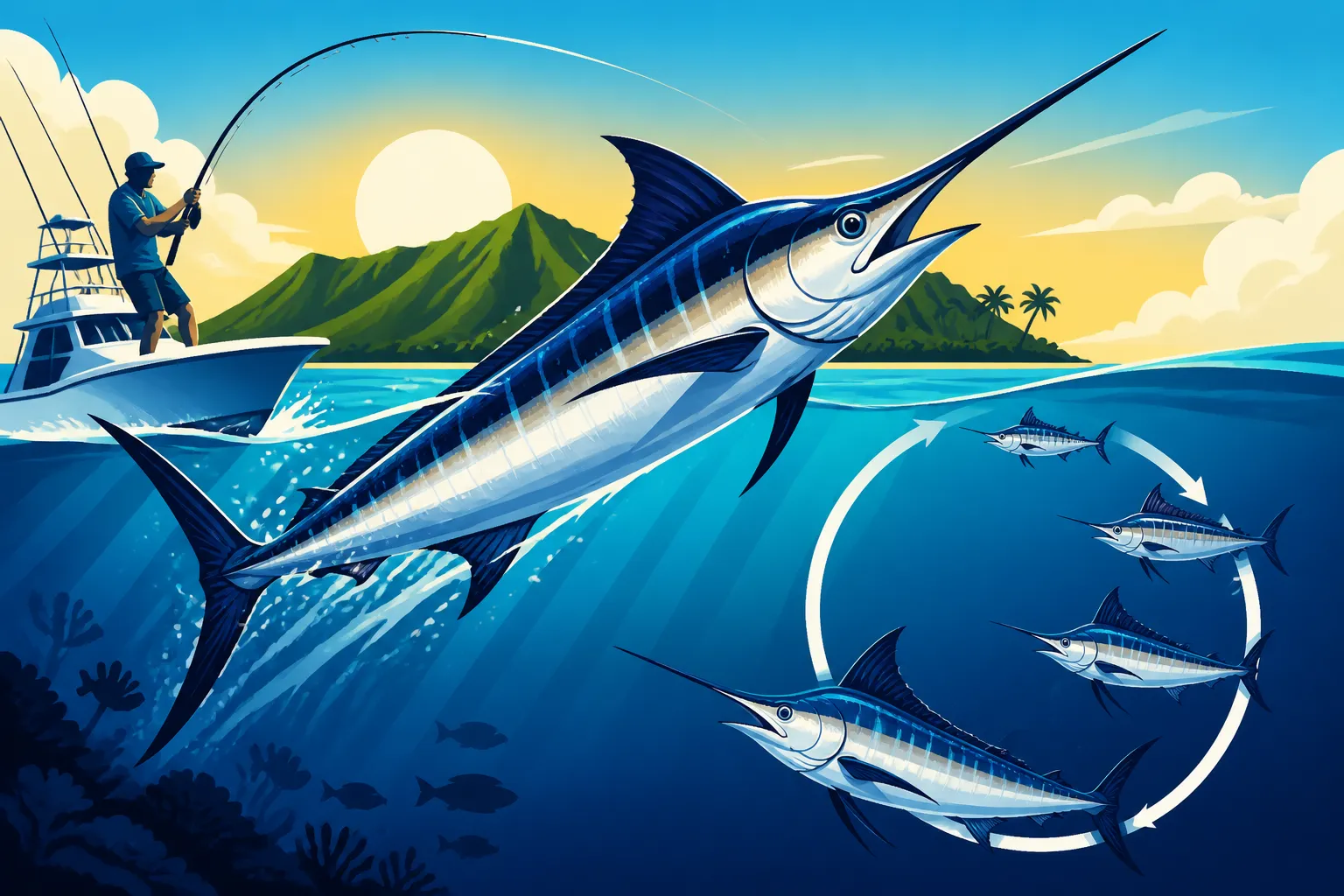
Millions of Eggs, Few Survivors: A single female blue marlin can release millions of eggs during a spawning event. This seemingly astronomical number is a survival strategy in the open ocean. The vast majority of these eggs and subsequent larvae will not survive due to predation, unfavorable currents, or lack of food. The few that do survive are the ones that will eventually grow, mature, and hopefully, return to spawn themselves, continuing the cycle of life. This high reproductive output, coupled with a long life span for mature females, underscores the resilience of these species when they have access to healthy, protected spawning grounds.
| Marlin Species | Estimated Max Life Span (Years) | Typical Size at Maturity (Females) | Primary Spawning Season (Pacific) |
|---|---|---|---|
| Blue Marlin | 20-30+ | >200 lbs | Spring-Fall (warm months) |
| Black Marlin | 20-25 | >200 lbs | Spring-Fall (warm months) |
| Striped Marlin | 10-15 | 80-120 lbs | Winter-Spring (cooler months) |
Understanding the life span of a marlin in the wild gives us a profound appreciation for these incredible fish. From their vulnerable larval stage to their decades-long reign as apex predators, their journey through the vast Pacific is a testament to nature's resilience. For anglers in Hawaii, every marlin hooked, whether released or brought to the boat, carries with it a story of survival, growth, and the intricate dance of life in the deep blue. By understanding their longevity and the factors that influence it, we can all become better stewards of the ocean and help ensure that these magnificent creatures continue to grace our waters for generations to come. When you are looking for new fishing gear for your next fishing trip to catch any marlin, you can always check out some options on Amazon.
Disclaimer
This article is for general informational purposes only and does not constitute professional advice. Laws, prices and regulations vary by location and change over time. Consult a qualified professional for guidance on your specific situation.