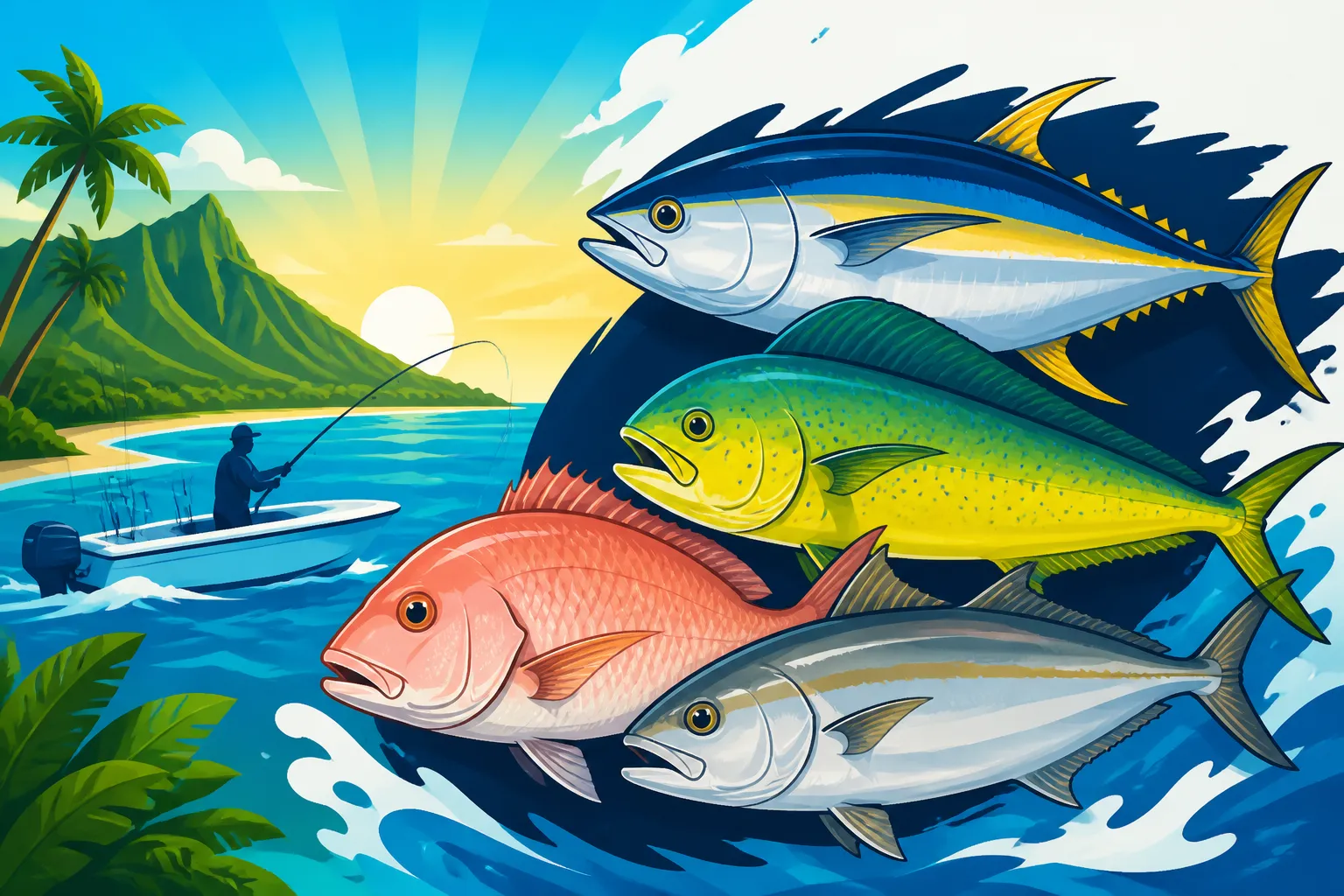
Best eating fish species from Hawaiian waters
There's nothing quite like pulling a fresh fish out of the shimmering blue waters of Hawaii, or picking up a pristine fillet from a local market, and wondering about the culinary journey it's about to take to your plate. Many visitors and even new residents often feel a little overwhelmed by the sheer variety of delicious fish available here, unsure which ones truly stand out for their flavor and texture. This guide is here to demystify the best eating fish species from Hawaiian waters, helping you navigate the options and truly savor the incredible bounty our ocean provides.
The Culinary Jewels of Hawaii's Ocean
Hawaii's waters are teeming with an incredible diversity of marine life, and a good portion of it also happens to be absolutely fantastic on a dinner plate. For generations, fishing hasn't just been a pastime here; it's a way of life, deeply intertwined with culture, sustenance, and celebration. When you talk about "Hawaiian fish," you're talking about more than just seafood; you're talking about a connection to the 'āina (land) and the kai (sea), and a commitment to appreciating its gifts.
Why Hawaiian Fish Stand Out
What makes fish from Hawaii so special? A big part of it is the pristine environment they come from. Our waters are generally clean, deep, and rich with nutrients, leading to fish that are healthy and firm-fleshed. Beyond that, there's the unparalleled freshness. Often, fish caught in the morning are on a restaurant plate or in a fish market by afternoon, meaning you're experiencing it at its absolute peak. Local fishermen, whether commercial or recreational, often have a deep respect for their catch, handling it with care from the moment it leaves the water to ensure the best possible quality for consumption. This meticulous care, from proper bleeding to immediate icing, makes a world of difference in the final taste and texture.
Beyond the Usual Suspects
When people think of Hawaiian fish, their minds often jump straight to "ahi." And while ahi is undeniably magnificent, it's just the tip of the iceberg. Hawaii offers a spectrum of flavors and textures, from the delicate and flaky to the firm and rich. Exploring these other species isn't just about variety; it's about discovering new favorites that might surprise you with their unique characteristics. Many of these fish have played vital roles in the Hawaiian diet for centuries, each prized for its own specific qualities and best prepared using traditional or modern methods that highlight its inherent goodness. This guide will take you beyond just tuna, introducing you to the true culinary treasures of our local waters.
Top Pelagic Species for Your Plate
When it comes to the iconic flavors of Hawaii's ocean, the pelagic species—those magnificent fish that roam the open ocean—often steal the show. These are the fish that deep-sea anglers dream of, and for good reason: they offer some of the most sought-after culinary experiences. Their firm flesh and distinct flavors make them incredibly versatile in the kitchen, from raw preparations to grilling and searing.
Ahi (Yellowfin Tuna): The King of the Plate
Ah, ahi. The very word conjures images of vibrant red flesh, perfectly seared edges, and perhaps a dollop of wasabi. Ahi, or yellowfin tuna, truly earns its title as the king of Hawaiian seafood. Its flesh ranges from a deep, ruby red to a lighter pink, depending on the fat content, with higher fat content generally indicating a richer flavor and melt-in-your-mouth texture. The flavor is robust, clean, and unmistakably oceanic, without being overly "fishy."
Ahi is incredibly versatile. For many, the ultimate experience is enjoying it raw, as sashimi or in a poke bowl, where its pure flavor and firm, almost buttery texture can truly shine. But it's equally spectacular seared rare or medium-rare, often crusted with sesame seeds or a simple pepper rub, allowing the warm, cooked exterior to contrast beautifully with the cool, raw interior. Grilling thick steaks of ahi is another popular method, creating a smoky char that complements its rich taste. You can find excellent quality ahi at fish markets across the islands, often caught just hours before sale, making it an essential part of any Hawaiian culinary adventure. If you're looking for Ahi (Yellowfin Tuna) Fishing in Hawaii, knowing what to do with your catch is half the fun!
Ono (Wahoo): A Lean, Mean Delight
Next up, we have ono, which fittingly means "delicious" in Hawaiian. And delicious it is! Ono, also known as wahoo, offers a completely different, yet equally appealing, culinary profile compared to ahi. Its flesh is notably firm, white, and flaky when cooked, with a delicate, mild flavor that makes it incredibly approachable for even those who aren't usually big fish eaters. It's a leaner fish than ahi, so it holds up exceptionally well to grilling and baking without falling apart.
Imagine thick steaks of ono, lightly seasoned and grilled to perfection, with a slight char on the outside and a moist, tender interior. It's fantastic simply prepared, perhaps with a squeeze of lemon and a sprinkle of fresh herbs. Ono is also a prime candidate for blackening, as its firm texture stands up to the intense heat and spices beautifully. It makes for incredible fish tacos, where its mild flavor doesn't compete with the other fresh ingredients. If you're interested in Ono (Wahoo) Fishing in Hawaii, you'll be delighted with the table fare it provides.
Mahimahi (Dorado): Sweet and Flaky
Mahimahi, also known as dorado or dolphin fish (though it's no relation to the marine mammal), is another pelagic favorite, celebrated for its unique texture and subtly sweet flavor. Its flesh is white to off-white, with large, moist flakes that separate easily once cooked. It has a distinctive, mild sweetness that is often described as almost tropical, making it a fantastic canvas for a variety of seasonings and sauces.
Mahimahi is incredibly versatile and can be baked, grilled, pan-fried, or even deep-fried without losing its integrity. It's especially popular for fish sandwiches and tacos, where its flaky texture and sweet notes complement fresh toppings. Many chefs love to serve mahimahi with fruit salsas or light citrus-based sauces that highlight its natural sweetness. Whether you're enjoying it casually on a beach or in a fine dining establishment, mahimahi is always a delightful choice that promises a satisfying and flavorful meal. Learning How to Catch Mahimahi in Hawaii can lead to some truly memorable meals.
Delicious Reef and Bottomfish Treasures
While the open ocean yields magnificent pelagic species, Hawaii's vibrant reefs and deep-water drop-offs are home to another class of culinary gems: the reef and bottomfish. These species often boast unique flavors and textures, reflecting their diverse diets and habitats closer to the underwater topography. They are staples in local cuisine, often prized for their delicate flesh and rich, savory notes.
Opakapaka (Pink Snapper): A Delicate Favorite
Opakapaka, or pink snapper, is a highly prized bottomfish in Hawaii, revered for its incredibly delicate, moist, and flaky white flesh. Its flavor is subtle, sweet, and clean, making it a favorite for elegant preparations where the natural taste of the fish is allowed to shine. It's a fish that doesn't need much embellishment; its inherent quality is its greatest asset.
This beautiful fish is often prepared simply, such as steamed with ginger and scallions, a preparation that truly showcases its tender texture and delicate flavor. It's also excellent baked whole, perhaps stuffed with herbs and citrus, allowing the skin to crisp while the interior remains perfectly succulent. Opakapaka is a fantastic choice for those who appreciate a lighter, more refined fish experience, perfect for a special dinner. Its popularity means it's often featured in upscale restaurants throughout the islands.
Onaga (Ruby Snapper): The Prized Red Snapper
Onaga, also known as ruby snapper, is another highly esteemed deep-water snapper, immediately recognizable by its stunning ruby-red skin. This fish is often considered a top-tier delicacy in Hawaii, especially in fine dining establishments and for celebratory meals. Its flesh is white, firm, and moist, with a richer, more pronounced flavor than opakapaka, though still very clean and sweet.
The firmness of onaga's flesh makes it hold up beautifully to various cooking methods. It's excellent grilled, pan-fried, or baked, and its rich flavor stands up well to bolder seasonings. Some locals prefer it steamed whole, much like opakapaka, to retain its moisture and delicate texture, while others enjoy it pan-seared to achieve a beautiful crispy skin. Onaga is a fish you'll often see command a higher price point, reflecting its desirability and the effort involved in deep-sea bottomfishing to acquire it. Understanding the different Bottomfish Species of Hawaii can broaden your culinary horizons.
Kumu (Goatfish): A Local Delicacy
Kumu, a type of goatfish, might not be as widely known outside of Hawaii as ahi or mahimahi, but among locals, it's considered a true delicacy. Kumu are bottom-dwellers, often found around reefs and sandy areas, and are distinctive for their two prominent barbels (whisker-like appendages) under their chin, which they use to forage. Their flesh is white, fine-textured, and possesses a unique, slightly nutty flavor that is highly prized.
Traditionally, kumu is often steamed or fried whole, allowing its skin to crisp beautifully while the meat stays incredibly moist and flavorful. The relatively small size of kumu makes them ideal for individual servings, and cooking them whole ensures maximum flavor and moisture retention. If you see kumu on a local menu, especially prepared in a traditional Hawaiian or Asian style, it's an experience not to be missed. For those keen to learn more about smaller reef fish, our guide on Kumu (Goatfish) in Hawaii offers deeper insights.
Lesser-Known but Equally Delicious Catches
While the big names often get all the glory, Hawaii's waters offer a plethora of other fantastic eating fish that might fly under the radar for visitors but are deeply cherished by those in the know. These species offer diverse flavors, textures, and culinary possibilities, proving that deliciousness isn't always about being the biggest or most famous catch.
Moi (Pacific Threadfin): Once Reserved for Royalty
Moi, or Pacific threadfin, holds a truly special place in Hawaiian history and cuisine. In ancient Hawaii, moi was considered kapu (forbidden) for commoners and reserved exclusively for alii (royalty). Today, thankfully, everyone can enjoy this exquisite fish. Moi has incredibly soft, delicate, and moist white flesh with a very mild, sweet flavor. It's often described as having a melt-in-your-mouth quality.
Because of its delicate nature, moi is best prepared simply to preserve its fine texture and subtle taste. Steaming, baking, or pan-frying with minimal seasoning are popular methods. Cooking it whole is often recommended, as it helps retain moisture and flavor. If you find fresh moi, especially from aquaculture operations (as wild moi populations are carefully managed), consider it a rare treat and an opportunity to taste a piece of Hawaiian history on your plate. If you're curious about regulations, check out Hawaii Moi Closed Season, Explained to understand efforts to protect this precious species.
Ulua (Giant Trevally) and Papio: The Hard-Fighting Edibles
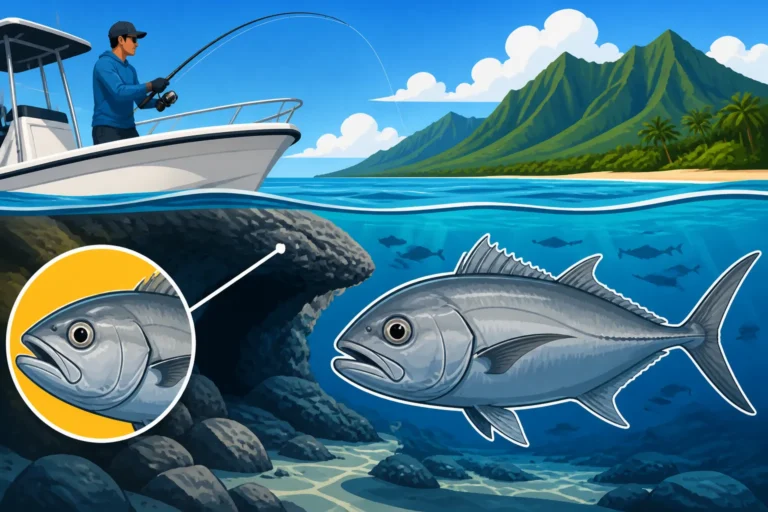
Ulua (giant trevally) are legendary in Hawaii for their incredible fighting power, making them a prime target for sport anglers. While trophy-sized ulua can have tougher, stronger-flavored flesh, especially the larger ones, smaller ulua and their juvenile form, papio, are actually quite good eating. The key is proper handling: bleeding the fish immediately after catch is crucial for superior table quality.
Papio, with their firm, white, and often mild-tasting flesh, are particularly popular for grilling, frying, or baking. They can be enjoyed whole or as fillets. Smaller ulua also provide excellent fillets that can be prepared similarly to snapper or mahimahi. The flavor tends to be robust, clean, and satisfying, particularly when fresh. Don't let their reputation as fighters overshadow their potential as delicious table fare, especially the younger, smaller individuals. For those who want to target these powerful fish, our guide on Ulua (Giant Trevally) Fishing in Hawaii is a must-read.
Akule (Bigeye Scad): Small but Flavorful
Akule, or bigeye scad, are schooling baitfish that are much larger than your typical baitfish and play an important role in the Hawaiian diet. While not a large, imposing fish, akule are celebrated for their rich, distinctive flavor and are often caught in abundance, especially by net fishermen.
These smaller fish are incredibly versatile and are often enjoyed whole. Frying is a popular method, yielding crispy skin and savory flesh. They can also be grilled whole, baked, or even used in stews and curries. Their rich, somewhat oily flavor makes them a fantastic source of omega-3s and a staple in many local households. If you’re looking for a taste of true local comfort food, don’t overlook akule. They might be small, but they pack a punch of flavor that’s deeply rooted in Hawaiian culinary traditions.
Important Considerations for Enjoying Your Catch
Beyond knowing which fish are delicious, understanding how to select, handle, and prepare your catch can elevate your Hawaiian seafood experience from good to absolutely unforgettable. A fresh fish, handled with care, will always taste better, no matter the species.
Freshness is Key
When it comes to fish, freshness isn't just a buzzword; it's the foundation of flavor and texture. A freshly caught fish will have clear, bright eyes, vibrant red gills, and firm, elastic flesh that springs back when pressed. There should be no strong "fishy" odor, only a clean, oceanic scent. In Hawaii, many fish markets receive daily deliveries, sometimes even multiple times a day, straight from the boats at harbors like Honokohau or Kewalo Basin. Don't hesitate to ask your fishmonger when the fish came in!
Proper handling from the moment of catch is also vital. This includes immediate bleeding (known as ikejime in Japanese, a method widely adopted here) to remove blood and prevent spoilage, and then immediately chilling the fish on ice. These steps significantly improve the taste, texture, and shelf life of the fish. Always aim to cook your fish as soon as possible after purchasing or catching it. If you need to store it, keep it well-chilled on ice in your refrigerator, or prepare it for freezing according to best practices.
Preparation and Cooking Methods
The best way to cook a fish largely depends on its fat content and texture. Lean, flaky fish like opakapaka or moi benefit from gentle cooking methods such as steaming, baking, or pan-frying with minimal oil, which preserve their delicate structure and moisture. Richer, firmer fish like ahi or some ulua can withstand higher heat and more robust preparations like grilling, searing, or even smoking.
Many Hawaiian recipes emphasize simplicity, allowing the natural flavors of the fish to shine. Common seasonings include sea salt, black pepper, garlic, ginger, green onions, and a squeeze of fresh lime or lemon. For an authentic local experience, try preparing a fresh catch poke, where diced raw fish is marinated with soy sauce, sesame oil, limu (seaweed), and other aromatics. If you're looking for gear to prepare your catch, a good set of fillet knives or a quality cutting board can be found online.
Fish to Exercise Caution With
While the vast majority of fish in Hawaiian waters are safe and delicious to eat, it's always wise to be aware of certain considerations, especially regarding ciguatera. Ciguatera is a type of food poisoning caused by eating fish that have consumed certain microalgae containing ciguatoxins. These toxins accumulate in the food chain, affecting reef fish primarily. Larger, older reef fish, especially predatory ones, tend to have higher concentrations.
Species most commonly associated with ciguatera in Hawaii include certain types of ulua (especially very large ones), roi (blotcheye hawkfish), and taape (bluestripe snapper). It's always best to consume these species in moderation, especially the larger individuals, or to seek advice from local, experienced fishermen about safe consumption practices. Symptoms can range from mild gastrointestinal issues to neurological problems. Awareness is key, not fear. For a more detailed breakdown, you can check out our article on Which Hawaii species carry a ciguatera risk. Most pelagic species like ahi, ono, and mahimahi are not typically associated with ciguatera.
| Species | Flavor Profile | Texture | Best Cooking Methods | Common Use |
|---|---|---|---|---|
| Ahi (Yellowfin Tuna) | Rich, Clean, Robust | Firm, Meaty | Sashimi, Seared, Grilled, Poke | Raw, Seared, Grilled Steaks |
| Ono (Wahoo) | Mild, Delicate, Clean | Firm, Flaky | Grilled, Baked, Pan-fried, Blackened | Fish Tacos, Grilled Fillets |
| Mahimahi (Dorado) | Mild, Sweet, Slightly Tropical | Flaky, Moist | Grilled, Baked, Pan-fried, Blackened | Fish Tacos, Sandwiches |
| Opakapaka (Pink Snapper) | Subtle, Sweet, Very Clean | Delicate, Moist, Flaky | Steamed, Baked Whole, Pan-fried | Steamed Fillets, Baked Whole |
| Onaga (Ruby Snapper) | Richer, Sweet, Clean | Firm, Moist | Grilled, Baked, Steamed, Pan-fried | Fine Dining, Special Occasions |
| Kumu (Goatfish) | Unique, Slightly Nutty | Fine, White | Steamed Whole, Fried Whole | Traditional Local Dishes |
| Moi (Pacific Threadfin) | Very Mild, Sweet | Soft, Delicate | Steamed, Baked, Pan-fried | Prized Delicate Fillets |
| Papio (Juvenile Ulua) | Mild to Medium, Clean | Firm, White | Grilled, Fried, Baked | Casual Fillets, Fried Fish |
| Akule (Bigeye Scad) | Rich, Distinctive, Savory | Moderately Firm | Fried Whole, Grilled Whole, Stews | Fried Whole Fish, Local Stews |
Disclaimer
This article is for general informational purposes only and does not constitute professional advice. Laws, prices and regulations vary by location and change over time. Consult a qualified professional for guidance on your specific situation.