Is Mahimahi Good to Eat?
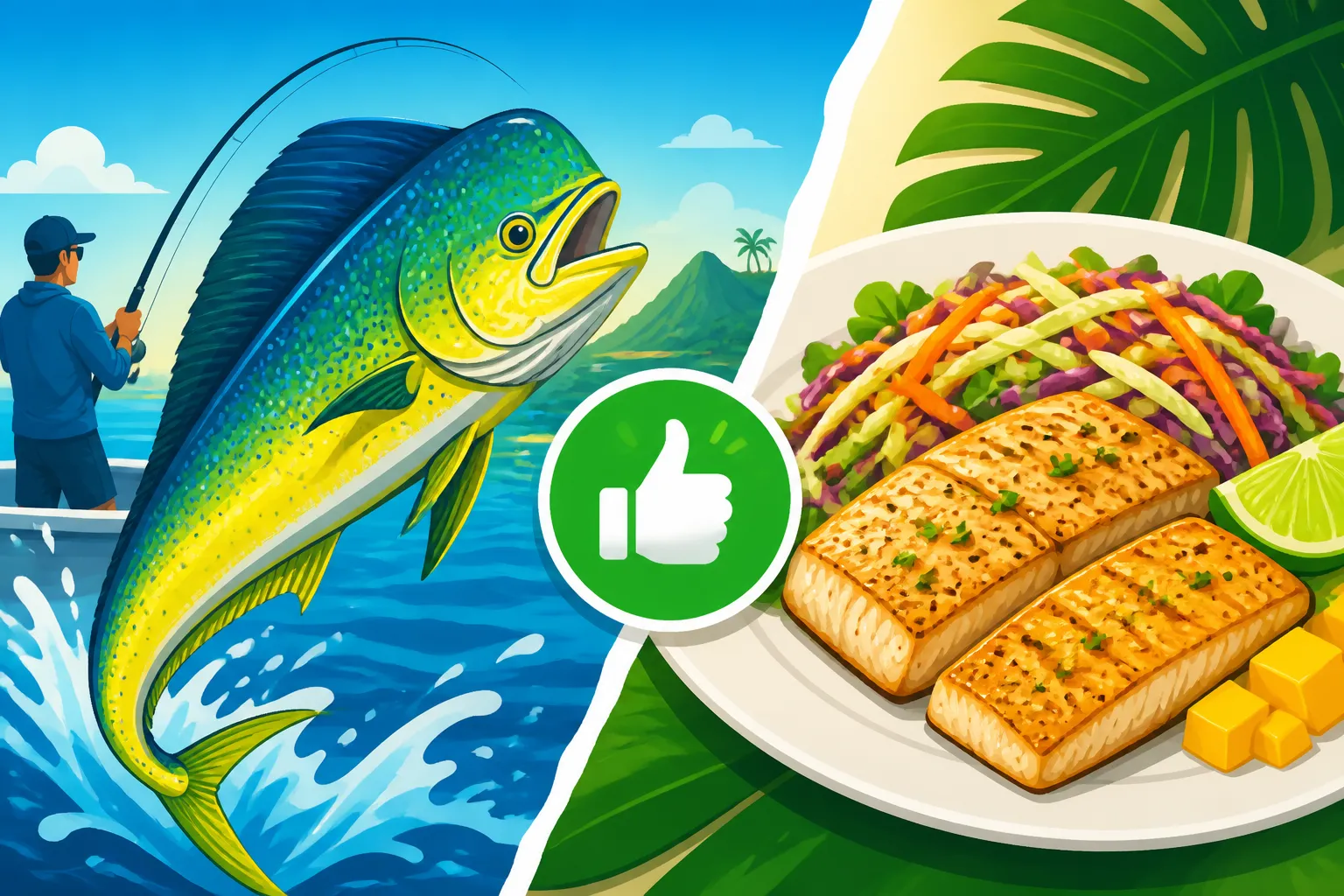
Oh, the age-old question that dances on the lips of every visitor and even some kama'aina when a fresh catch of mahimahi comes ashore: "Is mahimahi actually good to eat?" Let me tell you, if you've ever had a perfectly cooked piece of this vibrant fish, you already know the answer is a resounding yes. But beyond a simple nod, this guide is going to dive deep into why mahimahi is such a culinary star in Hawaii, what makes it so desirable, and how you can best enjoy it, whether you're pulling it from the deep blue yourself or savoring it at a local eatery.
The Culinary Appeal of Mahimahi in Hawaii
When you talk about Hawaiian fish, names like ahi and ono often steal the spotlight, but mahimahi holds a special place in the hearts and on the plates of many. Its vibrant colors in the water translate into a beautiful, versatile fillet that’s a true delight. It’s not just food; it’s an experience, deeply tied to the islands' fishing culture and fresh, ocean-to-table lifestyle.
Why Mahimahi is a Local Favorite
Mahimahi, also known as dolphinfish (though it's not related to the marine mammal dolphin, which can be a source of confusion for newcomers), is celebrated for its distinctive flavor and firm, flaky texture. Unlike some oilier fish, mahimahi boasts a mild, slightly sweet taste that makes it incredibly approachable, even for those who might be hesitant about "fishy" flavors. This mildness is actually a huge advantage because it allows the fish to absorb and complement a wide array of seasonings and sauces without being overpowered.
Imagine sitting by the ocean, the scent of a grill in the air, and a plate of grilled mahimahi in front of you. That's a classic Hawaiian experience. Its meat is white to off-white, often with a subtle pinkish hue when raw, cooking up to a bright, opaque white. The flakes are large and moist, holding together well, which means it doesn't easily fall apart on the grill or in the pan, a common frustration with more delicate fillets. This makes it a fantastic choice for everything from simple backyard barbecues to gourmet restaurant dishes. Many local cooks and chefs treasure it for its ability to adapt, showcasing its natural deliciousness in diverse preparations.
Mahimahi's Nutritional Benefits
Beyond its incredible taste and versatility, mahimahi is also a nutritional powerhouse, which makes enjoying it even better. It’s an excellent source of lean protein, which is essential for muscle repair and overall body function, a huge plus for active individuals or anyone looking for a healthy meal option. A typical serving provides a substantial amount of protein without excessive fat.
But the goodness doesn't stop there. Mahimahi is also rich in essential vitamins and minerals. You'll find a good dose of B vitamins, like B12 and B6, which are crucial for energy metabolism and nerve function. It also offers minerals such as phosphorus, selenium, and potassium, all vital for various bodily processes. Perhaps most notably, mahimahi contains beneficial omega-3 fatty acids. While not as high in omega-3s as some of the fattier fish like salmon or ahi, it still contributes to heart health, brain function, and reducing inflammation. For those mindful of their diet but still wanting to indulge in delicious seafood, mahimahi strikes a fantastic balance of flavor and healthful properties. It truly is a win-win on the plate.
What to Look for When Choosing and Preparing Mahimahi
Getting the most out of your mahimahi culinary experience starts long before it hits the plate. It begins with selecting the freshest fish possible and understanding how to prepare it to highlight its best qualities. Knowing what to look for at the fish market or even when you're cleaning your own catch is key to a truly unforgettable meal.
Identifying Fresh Mahimahi
When you're at the fish counter or local market, the first rule of thumb for any seafood is to trust your senses. For mahimahi, this means looking, smelling, and even subtly touching. Fresh mahimahi fillets should have a clean, ocean-like aroma, not a strong or "fishy" smell. Any hint of ammonia or sourness means it's past its prime. Visually, the flesh should be firm, moist, and almost translucent, with a sheen to it. If you see any dullness, dryness around the edges, or significant discoloration, that's a red flag. The color, as mentioned, can range from white to a light pinkish or ivory hue, and it should be consistent throughout the fillet.
If you're lucky enough to be selecting a whole mahimahi, pay close attention to the eyes – they should be clear, bright, and bulging, not sunken or cloudy. The gills should be a vibrant red, not brown or slimy. Press gently on the flesh with your finger; it should spring back immediately. If an indentation remains, the fish isn't as fresh as it could be. Local fish markets, especially those near harbors like Honokohau or Ma'alaea, are often your best bet for the freshest catch, sometimes even directly off the boats that caught them that morning. Anglers who go Mahimahi Fishing in Hawaii often bring their prize straight to the docks, ensuring peak freshness.
Simple Cooking Methods to Enhance Flavor
Mahimahi's firm texture and mild flavor make it incredibly forgiving and versatile in the kitchen. You don't need to be a gourmet chef to prepare it beautifully. One of the most popular methods in Hawaii is grilling. A simple marinade of soy sauce, ginger, garlic, a touch of brown sugar, and a squeeze of lime juice works wonders. Grill it over medium-high heat for a few minutes per side, just until it's opaque and flakes easily with a fork. Overcooking is the enemy of any good fish, so keep a close eye on it!
Pan-searing is another fantastic option. A hot skillet with a little olive oil or butter creates a beautiful crust while keeping the inside moist and tender. Season simply with salt and pepper, or add a dash of paprika or a local spice blend. For a lighter touch, baking or broiling mahimahi with fresh herbs, lemon slices, and a drizzle of olive oil can also yield delicious results. It's also excellent for fish tacos, often coated in a light batter and quickly fried, or as the star of a fresh poke bowl. Having a good, sharp knife and a sturdy cutting board, perhaps a well-reviewed set you picked up from Amazon, can make prep work much smoother, ensuring clean cuts for even cooking.
Common Concerns and Considerations
While mahimahi is undoubtedly a delicious and healthy choice, it's natural for people to have questions about fish consumption, especially regarding larger species. Addressing these concerns head-on helps everyone make informed choices and enjoy their meal with peace of mind.
Mercury Levels and Consumption Guidelines
One of the most common questions regarding larger predatory fish is about mercury content. Mahimahi, being a larger, pelagic fish, does contain mercury, like most fish in the ocean. However, it's generally considered a good choice within the spectrum of large fish. Regulatory bodies typically classify mahimahi as a "good choice" or "best choice" when it comes to mercury levels, meaning it can be consumed a few times a week by most healthy adults without concern. It generally falls into a lower mercury category than species like swordfish or some types of tuna, such as bigeye.
For vulnerable populations, such as pregnant women, young children, or those with compromised immune systems, it’s always wise to consult specific local health guidelines. These recommendations often suggest limiting consumption to one serving per week or opting for fish with even lower mercury levels. The key is moderation and variety in your seafood diet. So, while you can absolutely enjoy mahimahi, it's good practice to balance it with other seafood options and stay informed about current health advisories. Thankfully, its stock is generally considered healthy, so you can feel good about its sustainability as well, something often covered in Hawaii Fishing Regulations Explained.
Sustainability and Responsible Harvesting
The health of our ocean ecosystems is paramount, especially in a place like Hawaii where life revolves around the sea. When we talk about eating fish, it's important to consider where it comes from and how it's harvested. Fortunately, mahimahi populations are generally considered healthy and well-managed globally, including in Hawaiian waters. They are fast-growing fish with a relatively short lifespan, reproducing quickly, which helps their populations rebound effectively.
Most mahimahi caught in Hawaii are taken by recreational anglers or commercial troll fisheries, which are considered more selective fishing methods. Unlike large-scale net fisheries that can have significant bycatch, trolling primarily targets specific pelagic species like mahimahi, Ahi (Yellowfin Tuna) Fishing in Hawaii, and Ono (Wahoo) Fishing in Hawaii, reducing the impact on other marine life. Local regulations, including specific Hawaii Bag and Size Limits by Species, are in place to ensure responsible fishing practices and to maintain healthy fish stocks for future generations. When you source mahimahi, particularly from local fishermen or reputable markets, you're often supporting sustainable practices that contribute to the long-term health of Hawaii's valuable marine resources. This commitment to responsible harvesting is something anglers holding a Hawaii Fishing License Guide for 2026 take seriously.
Comparing Mahimahi to Other Popular Hawaiian Edibles
Hawaii's waters are teeming with a diverse array of delicious fish, each with its own unique characteristics. While mahimahi certainly holds its own as a culinary delight, it's helpful to understand how it stacks up against other local favorites. This comparison can guide your choices, whether you're dining out or cooking at home, ensuring you pick the perfect fish for your palate and recipe.
Mahimahi vs. Ahi (Yellowfin Tuna)
When you compare mahimahi to ahi, or yellowfin tuna, you're looking at two very different culinary experiences, both equally cherished in Hawaii. Ahi is renowned for its rich, meaty texture and robust, almost beef-like flavor. Its flesh ranges from deep red to pink and has a much higher fat content, particularly omega-3s, which gives it a buttery mouthfeel, especially when consumed raw in sashimi or seared rare. Ahi is the go-to for poke, sashimi, and perfectly seared steaks, where its strong flavor can be the star. The texture is dense and firm, but it's more prone to drying out if overcooked compared to mahimahi.
Mahimahi, on the other hand, presents a milder, flakier, and slightly sweeter profile. Its white flesh is less dense than ahi's, making it more delicate when cooked through, but still firm enough to handle various preparations. While ahi often commands higher prices due to its popularity for raw consumption and sashimi grade quality, mahimahi offers an equally satisfying experience, especially for those who prefer cooked fish or a less intense flavor. It's often more affordable than premium ahi, making it a fantastic everyday option. Think of ahi as the steak of the sea and mahimahi as a more versatile, white-fish option. If you’re ever curious if Is Ahi Good to Eat?, the answer, like mahimahi, is an emphatic yes, but for different reasons!
Mahimahi vs. Ono (Wahoo)
Another popular pelagic fish in Hawaii is ono, which means "delicious" in Hawaiian, and it certainly lives up to its name. Ono, also known as wahoo, shares some similarities with mahimahi but also possesses distinct characteristics. Ono has a very firm, dense, white flesh that is slightly leaner and has a milder, almost sweeter flavor than mahimahi. Its texture is often described as very fine-flaked and less prone to breaking apart, even more so than mahimahi. This makes it a favorite for grilling, broiling, and especially for smoking, where its leanness really shines.
Mahimahi typically has a broader, larger flake and a slightly moister texture than ono. While both are considered excellent eating fish and are often caught using similar How to Catch Mahimahi in Hawaii methods, their preparation and preferred cooking styles can differ subtly. Ono's firm texture makes it exceptional for dishes where you want the fish to hold its shape perfectly, such as in a delicate fish and chips or a high-end fish sandwich. Mahimahi, with its slightly more tender flake, is wonderfully suited for nearly any method, from simple pan-frying to being the star of a fish curry. Both are fantastic choices for any seafood lover, but if you prefer a leaner, firmer, and even milder taste, ono might edge out mahimahi for you. To help you decide, here's a quick comparison:
| Feature | Mahimahi (Dolphinfish) | Ono (Wahoo) |
|---|---|---|
| Flavor Profile | Mild, slightly sweet, clean ocean taste | Very mild, clean, subtle sweetness |
| Texture | Firm, large, moist flakes | Very firm, dense, fine flakes |
| Color (Cooked) | Opaque white, sometimes with a slight pinkish hue | Bright white, opaque |
| Fat Content | Low to moderate | Very low |
| Versatility | Highly versatile: grilling, baking, searing, tacos | Excellent for grilling, smoking, searing, sashimi-grade |
| Popularity | Very popular for cooked dishes, widespread in restaurants | Highly prized, especially for its firm texture |
Ultimately, both mahimahi and ono are considered Best Eating Fish Species From Hawaiian Waters, along with ahi. It often comes down to personal preference for texture and subtle flavor nuances. I truly hope this sheds some light on why mahimahi is such a beloved catch and culinary gem in Hawaii. Enjoy your next plate!
Disclaimer
This article is for general informational purposes only and does not constitute professional advice. Laws, prices and regulations vary by location and change over time. Consult a qualified professional for guidance on your specific situation.