What triggerfish (humuhumu) species live in Hawaii’s reefs
It's easy to get lost in the vibrant underwater world of Hawaii's reefs, where countless species flash by, leaving even seasoned ocean lovers scratching their heads. One group that often sparks curiosity, especially because of Hawaii's iconic state fish, is the triggerfish, or humuhumunukunukuapua'a. But did you know there isn't just one type of humuhumu swimming around? This guide will dive deep into the fascinating world of triggerfish species that call Hawaii's breathtaking coral gardens home, helping you distinguish between them and appreciate their unique roles in this delicate ecosystem.
More Than Just One Humuhumu: Understanding Hawaii's Triggerfish Family
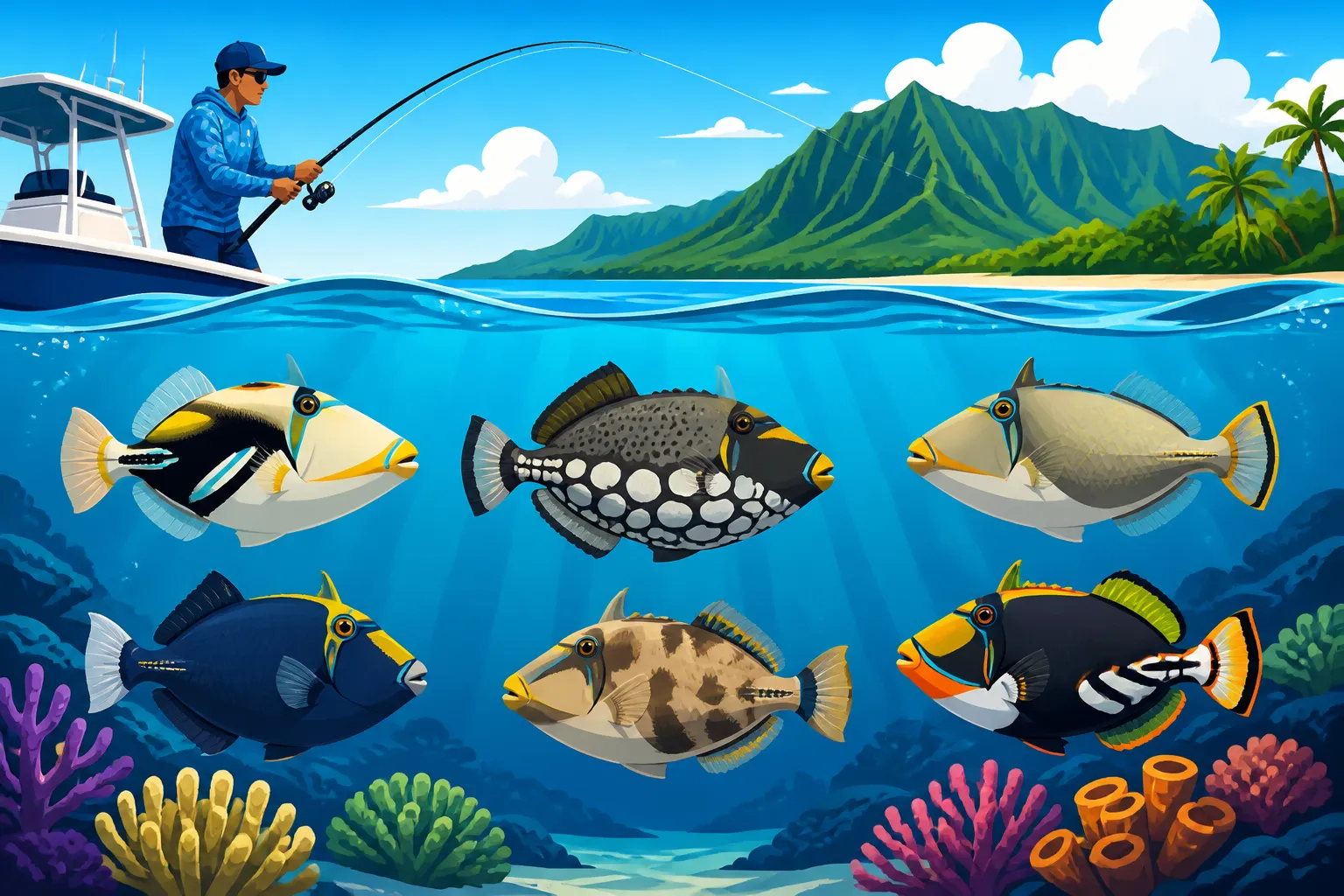
When most people think of a "humuhumu" in Hawaii, their minds immediately go to the Reef Triggerfish, the Rhinecanthus rectangulus, which bears the famous, tongue-twisting Hawaiian name humuhumunukunukuapua'a. This little marvel, with its striking geometric patterns, earned its special status as the state fish and is indeed a common sight on many of our shallow reefs. However, the triggerfish family, or Balistidae, is actually quite diverse, and Hawaii is home to several other species that are just as captivating, though perhaps less celebrated.
These fish get their common name from a unique dorsal fin locking mechanism. They have three dorsal spines; the first can be locked rigidly upright, and the second spine locks the first in place. This "trigger" system is used to wedge themselves into reef crevices at night or when threatened, making them incredibly difficult for predators (or even human hands) to dislodge. It's a clever defense mechanism that speaks to their hardy nature. Beyond their physical defenses, many triggerfish also exhibit a surprising level of intelligence, often observed moving rocks or blowing jets of water to uncover hidden prey, a truly engaging behavior for anyone lucky enough to observe it while snorkeling or diving. If you're keen on identifying them more easily, carrying a good Reef Fish Species Identification Guide for Hawaii can be incredibly helpful.
The Common Triggerfish Species You'll Spot in Hawaii's Waters
While the Reef Triggerfish might be the most famous, Hawaii's reefs host a small but distinct collection of other triggerfish species, each with its own charm and characteristics. Learning to identify them can add a whole new layer of appreciation to your time exploring the underwater world.
The Iconic Reef Triggerfish (Humuhumunukunukuapua'a)
Let's start with the star. The Reef Triggerfish, or humuhumunukunukuapua'a, is unmistakable. It typically reaches about 10 inches in length and sports a vibrant, almost painted appearance. Its body is a mix of tan, black, and yellow, with a prominent black band that angles from just behind the eye to the base of the tail, and a smaller, yellowish band near the snout. The dorsal and anal fins are often yellow or orange-tipped, adding to its flashy display. You’ll find these fish almost everywhere there are healthy coral reefs, from the shallowest tide pools to depths of about 60 feet. They are often seen grazing on algae, detritus, and small invertebrates, diligently maintaining the reef's health. Their inquisitive nature means they might even swim up to check you out if you're quietly observing.
These fish are pretty territorial and can be quite feisty, especially during spawning season. They’ll often create a nesting depression in the sand and aggressively guard it, sometimes even nipping at unsuspecting divers or snorkelers who get too close. It’s a good reminder that while they are beautiful to observe, maintaining a respectful distance is always best for both you and the marine life. If you're exploring areas like those found in Hawaii Marine Life Conservation Districts, Explained, you'll definitely encounter these bold characters.
The Elegant Pinktail Triggerfish (Humuhumu lei)
Another relatively common, though less famous, triggerfish you might encounter is the Pinktail Triggerfish, or humuhumu lei. This species, Melichthys vidua, is often a bit larger than the Reef Triggerfish, growing up to 15 inches. Its body is a deep, striking dark brown or black, which really makes its namesake pink or orange tail fin pop. The dorsal and anal fins often have a similar pinkish-orange margin, and sometimes you'll see subtle blue lines radiating from its eyes. They tend to prefer slightly deeper reef areas than the humuhumunukunukuapua'a, though they can certainly be found in shallower waters as well.
Pinktail triggerfish are generally more solitary and can be a bit shyer than their flashier cousins. They feed on a varied diet, including algae, tunicates, and sponges, helping to keep various reef organisms in check. Their dark coloration allows them to blend remarkably well with the deeper reef structure, making that vibrant pink tail a crucial identification mark. If you're looking to upgrade your snorkeling gear to get a clearer view, consider checking out some highly-rated masks and snorkels on Amazon for better visibility in varying light conditions.
The Skittish Black Durgeon Triggerfish (Humuhumu uli)
The Black Durgeon, Melichthys niger, also sometimes called the Black Triggerfish, is another species commonly observed in Hawaiian waters. Known locally as humuhumu uli, these fish can reach up to 14 inches in length and are characterized by their uniformly dark, almost velvety black body. The most distinctive feature, however, is the brilliant blue or purplish lines and spots that adorn their face and sometimes subtly highlight their fins, creating a mesmerizing effect in sunlight. They are typically found in both shallow and deeper reef environments, often schooling in small groups, which is a bit unusual for triggerfish.
Black Durgeon are active and constantly on the move, making them a bit harder to photograph than their more stationary counterparts. They are primarily plankton feeders, often seen suspended in the water column, darting to snap up tiny organisms. This feeding behavior sets them apart from the more bottom-dwelling habits of other triggerfish. Their schooling behavior provides a measure of safety, a classic tactic among reef fish to avoid predators. When you see a group of dark, shimmery fish with electric blue accents, you’ve likely found the humuhumu uli.
Here's a quick comparison of these common triggerfish species:
| Species Name | Hawaiian Name | Approximate Size | Key Identification Features | Typical Habitat | Primary Diet |
|---|---|---|---|---|---|
| Reef Triggerfish | Humuhumunukunukuapua'a | Up to 10 inches | Geometric patterns, black band from eye to tail, yellow/tan | Shallow to mid-depth coral reefs | Algae, detritus, small invertebrates |
| Pinktail Triggerfish | Humuhumu lei | Up to 15 inches | Dark body, striking pink/orange tail and fin margins | Mid-depth to deeper reef areas | Algae, tunicates, sponges |
| Black Durgeon Triggerfish | Humuhumuli | Up to 14 inches | Uniformly dark body, brilliant blue lines/spots on face | Shallow to deeper reefs, often schooling | Plankton |
The Vital Role of Triggerfish in the Reef Ecosystem
Beyond their striking looks, Hawaii's triggerfish play crucial roles in maintaining the health and balance of our fragile reef ecosystems. Each species, with its specific feeding habits and behaviors, contributes to the complex web of life beneath the waves. Understanding their ecological significance helps us appreciate why conservation efforts, especially in Hawaii Marine Life Conservation Districts, Explained, are so vital.
For instance, the Reef Triggerfish, with its habit of grazing on algae and detritus, acts like a diligent gardener for the coral. By keeping algal growth in check, they prevent it from overgrowing and smothering corals, which are essential building blocks of the reef. They also stir up the substrate as they feed, which helps to aerate the sand and expose small invertebrates for other reef dwellers. This constant "cleaning" action is vital for the overall health and resilience of the coral reef.
Similarly, the Pinktail Triggerfish's diet of sponges and tunicates helps to control populations of these organisms, preventing them from dominating reef surfaces and competing with corals. The Black Durgeon, as a plankton feeder, contributes by consuming tiny organisms in the water column, helping to cycle nutrients within the ecosystem. Together, these different feeding strategies ensure that no single organism overpopulates, contributing to the incredible biodiversity and stability of Hawaii's reefs. It’s a delicate balance, and every fish, no matter how small or seemingly insignificant, plays a part. Protecting these fish means protecting the very structure and future of the reefs we all cherish.
Angler Encounters: Respecting Triggerfish on the Line
For anglers, encountering a triggerfish is usually an incidental catch rather than a targeted pursuit. Given their relatively small size and their preference for scraping reef surfaces, they aren't typically sought after for sport or table fare, though some species are eaten in other parts of the world. In Hawaii, many triggerfish, including the humuhumunukunukuapua'a, are more valued for their aesthetic beauty and ecological role.
If you happen to hook a triggerfish while targeting other reef species, it's generally a good practice to release them unharmed. Their powerful jaws, designed for crushing shells and corals, can make them tricky to unhook. It’s wise to use a dehooking tool, which you can easily find on Amazon, to minimize handling and stress on the fish. Avoid touching them directly if possible, as their skin can be quite tough, and those trigger spines can give an unexpected poke. Always wet your hands before handling any fish you intend to release, as dry hands can strip away their protective slime coat, making them more susceptible to disease.
Remember that Hawaii has specific Hawaii Fishing Regulations Explained for various species and locations, so it’s always best to be informed. While triggerfish aren't typically subject to specific bag or size limits due to their incidental nature, understanding general regulations for reef fish and practicing responsible catch-and-release is crucial for sustainable fishing. Always be mindful of Hawaii turtle and monk seal proximity rules for anglers and other protected species that might inhabit the same reef areas, ensuring you're doing your part to protect all of Hawaii's incredible marine life.
Disclaimer
This article is for general informational purposes only and does not constitute professional advice. Laws, prices and regulations vary by location and change over time. Consult a qualified professional for guidance on your specific situation.