Hawaii Moi Closed Season, Explained
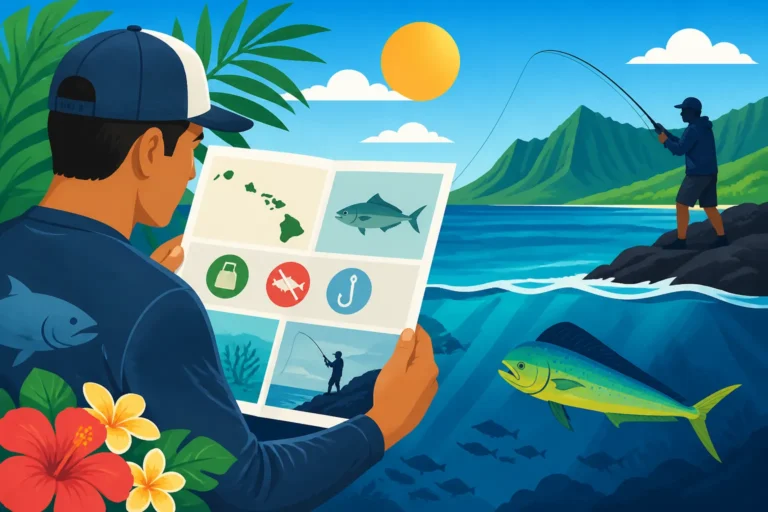
Navigating the myriad of fishing regulations in Hawaii can sometimes feel like trying to untangle a particularly stubborn knot in your fishing line. Among the many rules designed to protect our precious marine life, the closed season for moi, or Pacific Threadfin, often causes confusion and frustration for anglers who simply want to enjoy their time on the water. This comprehensive guide is here to demystify the moi closed season, explaining why it's in place, what it means for you, and how we can all contribute to the sustainable future of this revered fish.
Understanding the Moi Closed Season in Hawaii
The moi, a truly iconic fish in Hawaiian waters, holds a special place in the hearts of local anglers and the history of the islands. Its protection isn't just about preserving a species; it's about safeguarding a cultural legacy and ensuring the health of our vibrant marine ecosystems. The closed season is a critical tool in this effort, but to truly understand its importance, we need to dive a little deeper.
Why Moi Need Protection: Ecological Importance
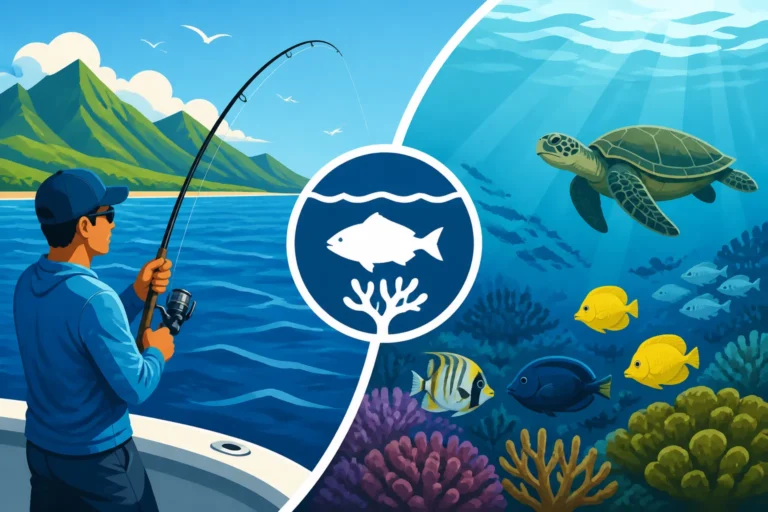
Moi play a significant role in Hawaii's nearshore reef ecosystems. As consumers of small invertebrates and detritus, they help maintain the balance of their habitats. A healthy moi population indicates a healthy reef, and vice versa. When their numbers decline, it can have ripple effects throughout the local food web, impacting other species that rely on the same resources or prey. Think of them as crucial cogs in the intricate machinery of our underwater world; if one cog falters, the whole system can be affected. Protecting moi is therefore not just about one species, but about supporting the broader biodiversity and resilience of Hawaii's unique marine environments.
Historical Context: Moi's Cultural Significance and Decline
For centuries, moi have been revered in Hawaiian culture. They were considered "royal fish," often reserved for aliʻi (chiefs) and used in traditional aquaculture in loko iʻa (fishponds). Their delicate flavor and esteemed status made them a highly sought-after food source. However, like many other valuable species, moi populations faced significant pressure over time due to increased fishing demand and habitat degradation. Decades ago, it became clear that their numbers were dwindling at an alarming rate, jeopardizing both the fish and the traditions associated with them. The closed season, along with size and bag limits, was implemented as a direct response to this historical decline, a recognition that immediate and sustained action was necessary to prevent further loss and hopefully facilitate a recovery.
The Core Purpose of the Closure: Ensuring Future Generations
At its heart, the moi closed season is all about sustainability and ensuring that our keiki (children) and their keiki will also have the opportunity to experience the joy of catching moi. The primary goal is to protect moi during their most vulnerable period: their spawning season. By prohibiting fishing during this crucial time, the Hawaii Division of Aquatic Resources (DAR) aims to allow adult moi to reproduce undisturbed, maximizing the number of eggs laid and increasing the chances of new generations of moi recruits surviving and thriving. It's a proactive measure, based on scientific understanding of fish life cycles, designed to boost population numbers and maintain a healthy, fishable stock for the long term. This foresight is vital for balancing the needs of today's anglers with the ecological imperative of preserving our natural heritage.
Key Details of the Moi Closed Season
Understanding the "why" behind the moi closed season is important, but knowing the practical "what" and "when" is absolutely essential for any angler heading out in Hawaii. Getting these details wrong can not only harm the fish population but can also lead to significant legal consequences for you.
Specific Dates and Duration: When You Can't Fish for Moi
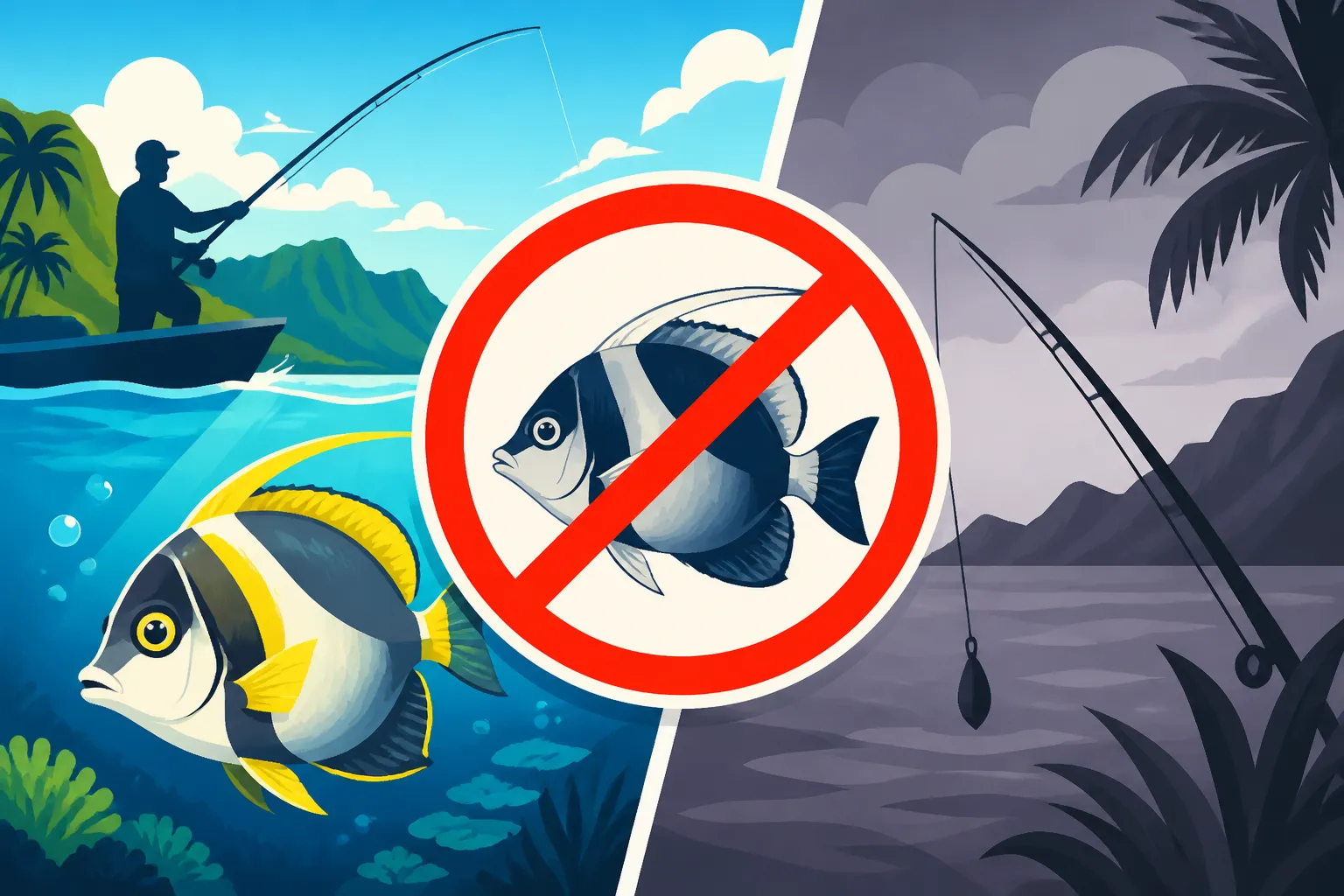
Let's make this crystal clear: the moi closed season in Hawaii runs annually from June 1st through August 31st, inclusive. This means that during these three months, it is strictly prohibited to catch, possess, or sell moi, regardless of how or where they were caught. If you hook a moi by accident during this period, you are required to release it immediately and unharmed. This annual closure is consistently enforced, so marking these dates on your calendar is a non-negotiable step for any responsible angler. Missing this window means you'll have to put your moi fishing plans on hold.
Geographic Scope: Where the Rules Apply
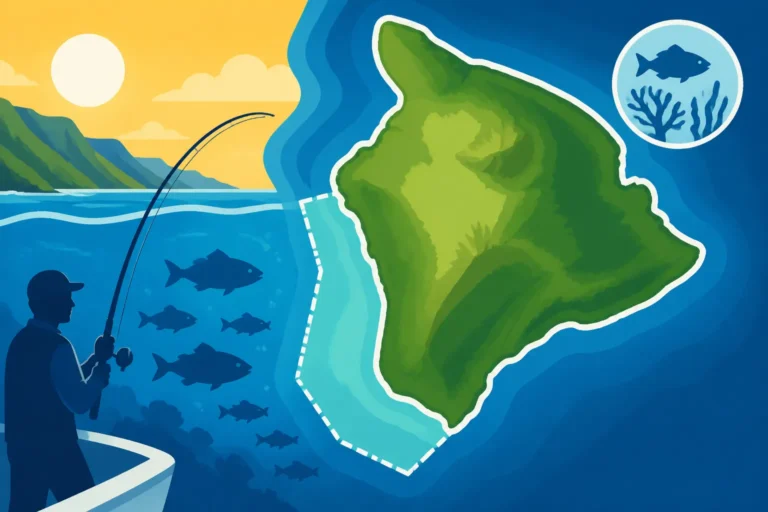
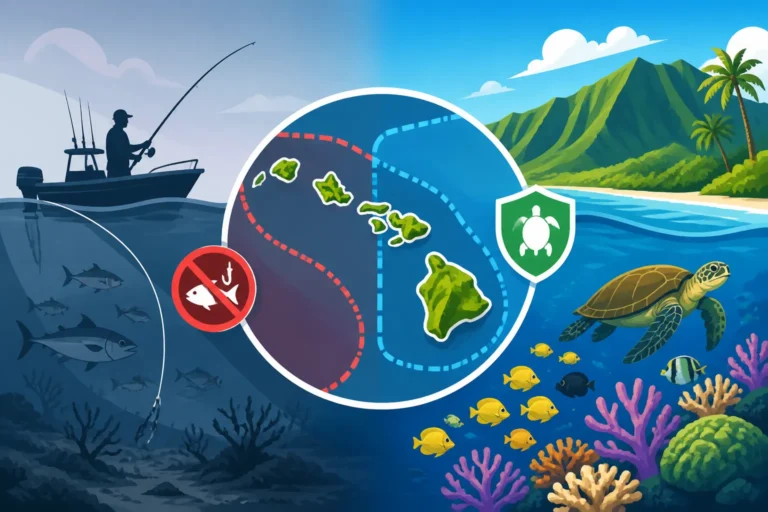
The moi closed season is a statewide regulation. This isn't just a rule for one island or one specific bay; it applies to all Hawaiian waters, from the shoreline out to the federal waters. Whether you're fishing off the beaches of Oahu, casting from a rocky point on Maui, or deep dropping off the Big Island, the June 1st to August 31st closure for moi is in effect. There are no exceptions for specific areas or islands. This broad application ensures maximum protection for the species across its entire range within the Hawaiian archipelago, acknowledging that moi populations are interconnected across different regions. For a broader look at aquatic regulations, you might want to review the general Hawaii Fishing Regulations Explained.
Identifying Moi: Avoiding Accidental Catches and Trouble!
Moi are distinctive fish, but sometimes in the excitement of a bite, or if you're new to Hawaii's diverse species, misidentification can happen. Moi (Pacific Threadfin) are characterized by their deeply forked tails and, most notably, the several long, free-standing rays below their pectoral fins, which give them their "threadfin" name. These thread-like filaments are usually quite visible. To avoid accidentally catching moi during the closed season, it's crucial to be able to identify them quickly. Carrying a good fish identification guide, perhaps one you can easily order from a platform like Amazon, can be incredibly helpful. Familiarize yourself with their appearance, especially when they are juveniles, as they can sometimes be confused with other small, silvery fish. When in doubt, it's always best to release a fish you can't confidently identify, especially during a closed season.
The Science Behind Moi Regulations
It might sometimes feel like these regulations appear out of nowhere, but I assure you, they are the result of careful scientific study and observation. The Hawaii Division of Aquatic Resources (DAR) doesn't just pull dates out of a hat; there's a lot of biological reasoning that goes into protecting species like moi during critical periods.
Spawning Cycles and Reproductive Biology
The timing of the moi closed season, from June 1st to August 31st, directly correlates with their peak spawning season in Hawaiian waters. Moi are broadcast spawners, meaning they release their eggs and sperm into the water column, relying on currents to disperse them. During these summer months, moi gather in specific areas to reproduce, and restricting fishing during this period significantly reduces the pressure on these breeding aggregations.
Imagine a critical point in a fish's life cycle – the moment it contributes to the next generation. If anglers are heavily targeting them at this exact time, it disrupts their ability to reproduce successfully, potentially leading to fewer young fish entering the population in subsequent years. By giving them a protected window, we're essentially granting them the peace and quiet they need to do their vital work of creating more moi. This crucial detail is why understanding Moi Spawning Season in Hawaii is so important for sustainable fishing.
Population Management and Data Collection by DLNR
The Hawaii Department of Land and Natural Resources (DLNR), through its Division of Aquatic Resources (DAR), is the lead agency responsible for managing Hawaii's marine resources. Their work involves ongoing monitoring of fish populations, including moi. This isn't a one-and-done process; it requires continuous data collection, scientific surveys, and analysis of catch data reported by both commercial and recreational fishermen.
Fishery biologists analyze factors such as population size, age structure, growth rates, and reproductive success to assess the health of the moi stock. They also consider environmental factors that might affect moi, such as ocean temperatures, currents, and habitat quality. This comprehensive approach allows them to determine if current regulations, like the closed season and bag limits, are effectively protecting the species or if adjustments are needed. It's a dynamic process, driven by the best available science, to ensure the long-term viability of the fishery. If you're keen on understanding the broader regulatory landscape, checking out Reading the Hawaii DLNR Fishing Regulations can provide more context on how these decisions are made.
Impact of Climate Change and Other Environmental Factors
While regulations like the closed season are vital, moi populations, like many other marine species, also face threats from larger environmental changes. Climate change, for example, can impact ocean temperatures and currents, potentially altering spawning patterns or the availability of food sources. Habitat degradation, caused by pollution, coastal development, and sedimentation, also plays a significant role in reducing the areas where moi can thrive.
The scientists at DLNR must consider these broader impacts when developing and reviewing fishing regulations. It's not enough to just manage fishing pressure; we also need to address the underlying environmental health of our oceans. These external factors can make the recovery of a species like moi even more challenging, emphasizing why strict adherence to the closed season and other sustainable practices is more important than ever. Every angler who respects the rules contributes to the overall resilience of the moi population against these larger, sometimes overwhelming, environmental pressures.
How the Moi Closed Season Impacts Anglers
The moi closed season isn't just a rule; it directly affects how, when, and where anglers can fish. While it might seem like a restriction, viewing it as an opportunity to explore new techniques or target different species can enhance your overall fishing experience in Hawaii.
Changes in Fishing Strategies: What to Do Instead
When the moi closed season rolls around, many anglers find themselves reassessing their fishing plans. If moi were a primary target, it's a perfect chance to branch out and try for other exciting species. Hawaii's waters are teeming with a diverse array of fish, and the summer months can be fantastic for papio, ulua, various reef fish, or even pelagics further offshore. This might mean adjusting your tackle, baits, and even your preferred fishing spots.
Instead of focusing on sandy flats or shallow reefs where moi often feed, you might shift your attention to rocky points for trevally or explore deeper channels for bottomfish. It's an excellent opportunity to experiment with different techniques, too. Perhaps you've always wanted to try whipping for papio, or maybe hone your skills with a casting net for baitfish. Embrace the change as a chance to become a more versatile and knowledgeable angler. There are always plenty of fish to pursue, even when one particular species is off-limits. You can explore new opportunities by checking out Best Shore Fishing Spots in Hawaii for ideas.
Recreational vs. Commercial Anglers: Different Responsibilities
It’s easy to think all anglers are treated the same, but when it comes to regulations, there are often distinctions between recreational and commercial fishing, even with the moi closed season. Both groups are subject to the same June 1st to August 31st closure – no one gets to harvest moi during this period. However, commercial fishermen, who rely on their catch for livelihood, often have additional reporting requirements and permits that recreational anglers do not.
The intent behind the commercial regulations is often to monitor catch rates and ensure that the overall commercial take does not exceed sustainable limits during the open season. For recreational anglers, the focus is more on individual compliance with bag and size limits, as well as adherence to the closed season. While both play a vital role in conservation, commercial operations typically face a higher level of scrutiny and data collection. Understanding these differences can be important, especially if you ever consider transitioning from hobby to profession, or simply to appreciate the broader scope of fisheries management, which you can learn more about in Hawaii Commercial vs Recreational Fishing License Rules.
Gear and Technique Adjustments During the Off-Season
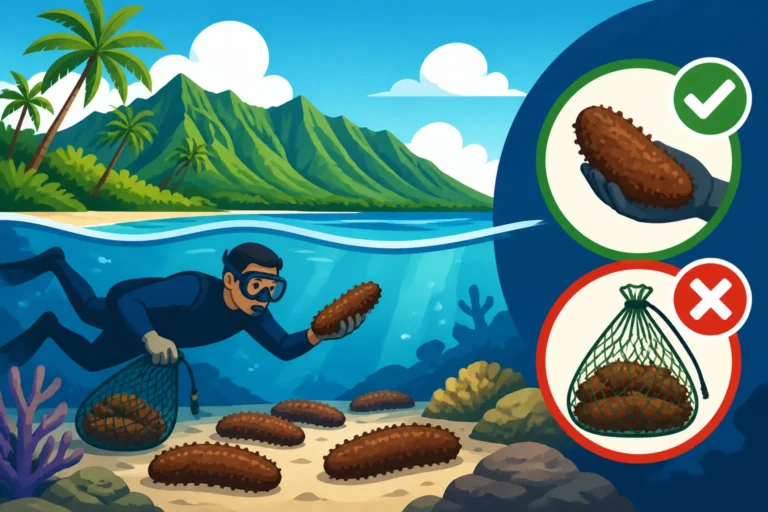
The closed season for moi isn't just about not keeping the fish; it's also about being mindful of how you're fishing to avoid accidental catches and minimize harm if one is hooked. For moi, specifically, there's an important gear restriction during the open season as well: moi may only be taken by hook-and-line. The use of nets (including throw nets), spears, or any other gear is prohibited for moi. This means that if you're out during the closed season and you typically target moi with hook-and-line, you simply refrain from doing so.
However, if your usual fishing method, like spearfishing, could inadvertently result in you encountering moi, you need to be extra cautious. While spearfishing is legal for many other species in Hawaii, specifically targeting moi, or even accidentally taking one with a spear, would be a violation during the closed season. Anglers targeting other species during the moi closure should consider using larger hooks or different baits that are less likely to attract moi, reducing the chance of an accidental catch. If you do hook a moi, quick, careful release techniques are paramount. For those interested in spearfishing, it's critical to review Hawaii Spearfishing Regulations to ensure compliance.
Legal Ramifications and Enforcement
Ignoring Hawaii's fishing regulations, especially something as clearly defined as a closed season, isn't just frowned upon – it carries serious legal consequences. The state takes its marine resource protection very seriously, and ignorance of the law is not an excuse.
Penalties for Violating the Closed Season: It's Serious Business
Let's not mince words: violating the moi closed season can result in significant penalties. These aren't just minor slaps on the wrist. Depending on the severity of the offense and whether it's a first-time or repeat violation, you could face hefty fines, confiscation of your fishing gear (including rods, reels, and even your boat in some cases), and even potential jail time. The exact penalties can vary, but generally, civil penalties range from hundreds to thousands of dollars per violation. The DLNR has the authority to issue citations and pursue legal action, and they do.
Imagine spending a beautiful day fishing, only to have your trip end with a costly citation and the loss of your beloved gear, all because you weren't aware of or chose to ignore a simple seasonal rule. It's a harsh reality, but it underscores the importance of respecting these regulations. Always assume that enforcement officers are out there, ensuring compliance. For a detailed overview, it’s always wise to consult official resources like the Hawaii DLNR Fishing Regulations PDF; while I cannot provide a direct link, searching for it will give you the most current and official document.
Reporting Violations: Protecting Hawaii's Resources
Responsible angling isn't just about following the rules yourself; it's also about being a steward of the environment. If you witness someone violating the moi closed season, or any other fishing regulation for that matter, reporting it is a critical step in protecting Hawaii's marine resources for everyone. Many anglers might feel hesitant, not wanting to "rat out" another fisherman. But remember, illegal fishing harms the fish populations that we all cherish, depleting stocks for future generations.
The DLNR's Division of Conservation and Resources Enforcement (DOCARE) has a hotline for reporting violations. You can usually find the local DOCARE number for your island, or the general non-emergency number for statewide reports. When reporting, try to provide as much detail as possible: the date, time, location, description of the individuals, any boat registration numbers, and the specific nature of the violation. Your anonymity is often protected, and your vigilance can make a real difference in preserving our precious fisheries.
DLNR's Role in Protecting Moi
The DLNR, particularly its Division of Aquatic Resources (DAR) and DOCARE, plays a multifaceted role in protecting moi. DAR scientists conduct the research that informs the regulations, constantly monitoring moi populations and recommending adjustments as needed. They are the ones studying spawning patterns and assessing the health of the stock.
DOCARE officers are the front-line enforcers, patrolling our coastlines and waters, educating the public, and issuing citations when violations occur. But beyond enforcement, DLNR also engages in public education campaigns, making information about regulations readily available through their website, brochures, and community outreach events. They also oversee programs aimed at habitat restoration and managing other threats to marine life. Their combined efforts are instrumental in ensuring that the moi, and countless other species, continue to thrive in Hawaii's unique aquatic environments. Every angler who takes the time to get their Hawaii Fishing License Guide for 2026 is also implicitly supporting the DLNR's work through license fees.
Respecting Moi Beyond the Closed Season
Adhering to the moi closed season is a fundamental step, but truly being a responsible angler means thinking about sustainable practices throughout the year, even when the season is open. It’s about more than just avoiding a fine; it’s about participating in the long-term health of our marine ecosystems.
Adhering to Size and Bag Limits Year-Round
Even when the moi season is open (September 1st through May 31st), there are still crucial rules to follow to ensure sustainable harvesting. For moi, the regulations specify a minimum size limit of 11 inches (fork length, meaning from the tip of the snout to the fork of the tail). This size limit ensures that fish have had at least one chance to spawn before being harvested, contributing to the next generation. Additionally, there is a daily bag limit of 10 moi per person per day. This limit prevents over-harvesting by individual anglers, distributing the catch more equitably and reducing overall pressure on the stock. These regulations are not arbitrary; they are carefully calculated based on scientific data about moi growth rates and reproductive cycles. Always carry a measuring device and count your catch carefully. For a comprehensive look at all species, consult Hawaii Bag and Size Limits by Species.
Here's a quick summary of Moi regulations:
| Regulation Type | Details | Applicability |
|---|---|---|
| Closed Season | June 1st to August 31st (inclusive) | Statewide, all Hawaiian waters |
| Minimum Size | 11 inches (fork length) | Open Season Only (Sept 1st – May 31st) |
| Daily Bag Limit | 10 moi per person | Open Season Only (Sept 1st – May 31st) |
| Gear Restriction | Hook-and-line ONLY | Open Season Only, no nets or spears allowed |
Sustainable Fishing Practices for Moi
Beyond just following the letter of the law, true stewardship involves practicing sustainable fishing techniques that go above and beyond. For moi, this means minimizing harm, especially to undersized fish that must be released. Here are a few tips:
- Use appropriate tackle: Using gear that is too light or too heavy can prolong the fight, stressing the fish. Matching your tackle to the target species helps land the fish more quickly and safely.
- Handle with care: If you catch an undersized moi or one during the closed season, handle it gently with wet hands. Avoid touching its gills or eyes.
- Quick release: Use de-hooking tools if necessary to remove hooks quickly and cleanly. Consider using circle hooks, which tend to hook fish in the corner of the mouth, making release easier and reducing gut-hooking.
- Minimize air exposure: Keep the fish in the water as much as possible if you plan to release it. Long periods out of water drastically reduce survival rates.
- Avoid prime spawning areas: Even if you're not specifically targeting moi, if you notice large aggregations of spawning fish, consider moving to another area to minimize disturbance.
These practices, combined with adherence to regulations, help ensure that the moi we release have the best possible chance of survival and reproduction.
The Future of Moi Fishing in Hawaii
The future of moi fishing in Hawaii rests squarely on the shoulders of every angler who casts a line into our waters. The regulations, including the annual closed season and the size and bag limits, are vital tools for conservation, but their effectiveness depends entirely on compliance and a shared commitment to responsible fishing.
By understanding and respecting these rules, we contribute to healthy moi populations, which in turn supports the entire marine ecosystem and preserves the cultural heritage associated with this royal fish. Continued scientific monitoring, adaptive management by the DLNR, and the ongoing education of anglers will all play a part. But ultimately, it's the actions of individuals, day in and day out, that will determine whether future generations will continue to enjoy the thrill of catching moi in Hawaii. Your commitment to sustainability is the single most important factor.
Disclaimer
Please note that fishing regulations in Hawaii can change. While this guide provides information based on current knowledge, it is essential to always check the most up-to-date rules and regulations published by the Hawaii Department of Land and Natural Resources (DLNR) or its Division of Aquatic Resources (DAR) before heading out to fish. This content is for informational purposes only and does not constitute legal advice.