What happens if weather cancels a Hawaii charter
It's an unfortunate truth for any angler hoping to wet a line in Hawaii: sometimes, the weather just doesn't cooperate. You've planned your dream fishing trip, maybe booked flights and accommodation, and then a storm rolls in, or the ocean decides to get feisty. It's incredibly frustrating when your much-anticipated charter is suddenly called off, leaving you wondering what happens next with your money and your plans. This guide is here to walk you through the typical process and arm you with the knowledge to navigate weather-related cancellations in the islands.
Understanding Hawaii's Weather and Its Impact on Charters
Hawaii, with its idyllic reputation, still experiences real weather, and that weather can directly impact fishing conditions and charter operations. Unlike some mainland locations where a little drizzle might just mean putting on a rain jacket, ocean conditions can rapidly turn dangerous, making a fishing trip unsafe and unproductive.
Tropical Realities and Unexpected Changes
The Hawaiian islands are in the middle of the Pacific, and while much of the year boasts glorious sunshine, we're also susceptible to tropical systems, strong trade winds, and localized weather patterns that can pop up quickly. One minute, the ocean might be glassy, and the next, a squall line can churn things into a washing machine. Even seemingly calm days can have underlying swells that make offshore travel incredibly uncomfortable, or even hazardous, for anglers and crew alike. It's not just heavy rain that can spoil a trip; strong winds whipping up chop, or large, breaking swells can make navigating specific fishing grounds impossible or downright dangerous.
It's common for visitors to look at a general forecast for Honolulu or Kailua-Kona and assume it applies to the entire ocean surrounding the islands. However, microclimates are a huge deal here. What's happening in town might be completely different from conditions miles offshore or even just a few bays over. The captain is constantly monitoring buoy reports, satellite imagery, and local observations, not just the general weather app on their phone. They have an intimate knowledge of how different wind directions and swell patterns affect their specific fishing areas and boat capabilities.
Captain's Discretion: Safety First
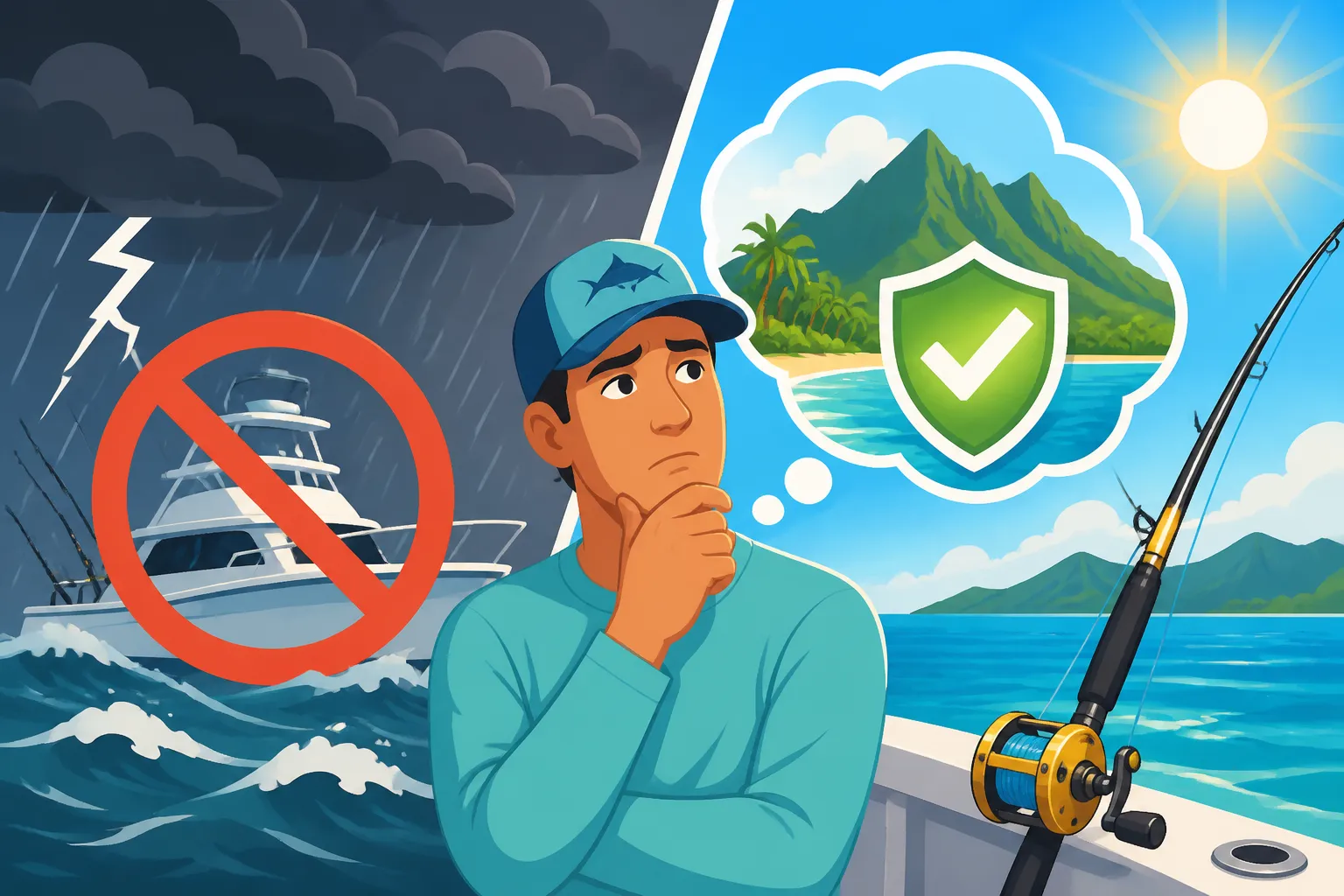
The absolute most important thing to remember is that the decision to cancel a charter due to weather rests solely with the captain. This isn't a casual choice; it's a professional judgment made with the safety of everyone on board and the integrity of their vessel as the top priority. No amount of money or desire to fish is worth risking lives or damaging equipment in adverse conditions. They are the experts in these waters, and they know the limits of their boat and crew better than anyone.
Sometimes, the weather might not look that bad to an untrained eye, but the captain sees potential hazards. Maybe a distant storm is generating a significant swell that will hit their offshore fishing grounds in a few hours, or perhaps the wind is just on the cusp of making it an extremely unpleasant and unproductive day for everyone. They might foresee conditions deteriorating rapidly, making a return to port difficult. It's a tough call for them too, as they lose income, but it's one they take very seriously. They're also responsible for ensuring a safe and enjoyable experience, and if they feel they can't deliver that, they'll make the responsible decision to cancel.
Navigating the Cancellation Policy Maze
Understanding what happens when a charter is cancelled due to weather often comes down to the specific policy of the charter company you booked with. This is not a situation where a "one size fits all" rule applies, so doing your homework upfront is key.
Standard Cancellation Policies
Most reputable Hawaii fishing charters have clear policies regarding weather cancellations. Typically, if the captain cancels the trip due to unsafe weather or sea conditions, you're usually entitled to a full refund or the option to reschedule. This is considered an "act of God" or circumstances beyond anyone's control. However, it's crucial to understand that your decision to cancel because you think the weather might be bad, or because you just don't feel like going out in a little rain, is almost never covered by this policy. The captain must make the official call.
For example, a charter might state: "Full refund or reschedule if the Captain cancels due to weather. No refunds for customer cancellations within 72 hours of the trip." This means if a heavy kona storm rolls in, and the captain calls you the morning of the trip to say it's off, you're good. But if you wake up, see some clouds, and decide you'd rather sleep in, you'll likely lose your deposit. Always, always check the specific terms and conditions when you book. You might find these details on their website, in your booking confirmation email, or even on booking platforms like FishingBooker.
The Role of Online Booking Platforms
Many anglers book their Hawaii fishing charters through online platforms such as FishingBooker. These platforms often serve as an intermediary, streamlining the booking process and sometimes offering an extra layer of clarity or support regarding cancellation policies. When you book through one of these sites, the charter's individual cancellation policy is usually clearly displayed before you confirm your reservation.
If a weather cancellation occurs, these platforms typically follow the charter's stated policy. They will usually facilitate the refund process or help you communicate with the charter about rescheduling. It can sometimes be a smoother process than dealing directly with a small, busy charter operation, especially if there are language barriers or time zone differences. Remember, the platform isn't making the weather call; they're simply enforcing the agreement that was made between you and the charter when you booked.
Communicating with Your Charter Company
Clear and timely communication is paramount when there's a sniff of bad weather. If you're concerned about the forecast leading up to your trip, don't hesitate to reach out to your charter company a day or two beforehand. A quick call or email asking about the captain's assessment of the conditions shows you're engaged and allows them to provide an update. They might tell you it looks fine, or they might say they're keeping a close eye on it and will let you know by a certain time.
Often, the captain will make the final decision on the morning of the trip, particularly for offshore excursions where conditions can change rapidly overnight. Be available by phone or email. If they can't reach you, it might delay their ability to process your refund or offer you an alternative. If you've booked through a platform like FishingBooker, they might also be in touch to relay messages from the captain. Keeping an open line of communication ensures you're not left in the dark and can make alternative plans if necessary.
Your Options When a Trip is Called Off
So, the unfortunate call has come in – your Hawaii fishing charter is cancelled due to weather. Now what? Don't panic! Most reputable charter companies have a protocol for these situations, offering you choices to mitigate the disruption.
Full Refunds: What to Expect
When a captain makes the decision to cancel due to unsafe weather conditions, a full refund is almost always the standard course of action. This means you should get back 100% of any money you paid for the charter. The timeline for receiving this refund can vary. If you paid directly to the charter, it might take a few business days for them to process it back to your credit card or bank account. If you booked through an online platform, they will usually initiate the refund on behalf of the charter, and it might also take a similar amount of time to reflect in your account.
It's a good idea to confirm with the charter or booking platform when you can expect to see the refund processed. Keep an eye on your bank statements and don't hesitate to follow up if it seems to be taking longer than expected. Remember, this refund covers the cost of the charter itself. It typically does not cover other expenses you might have incurred, like non-refundable flights, accommodation, or rental cars, unless you have specific travel insurance that addresses those situations.
Rescheduling: Flexibility is Key
For many anglers, especially those visiting Hawaii for a limited time, a full refund is great, but what they really want is to get out on the water. This is where rescheduling comes in. Most charter companies will offer you the option to rebook your trip for another available date, assuming your schedule allows for it and they have openings. This is often the preferred solution for both parties, as it means the charter still gets your business, and you still get your fishing adventure.
Be prepared to be flexible. Especially during peak seasons, charters can be booked solid for weeks or even months in advance. You might need to adjust your itinerary or be open to a different time slot or even a shorter trip if that's what's available. If you booked through a service like FishingBooker, their customer support might assist in finding alternative dates or even suggesting other available charters in the area that meet your needs. Discuss your options thoroughly with the charter company; they often want to make it work for you. For instance, if you were planning on a Kona Coast Fishing Guide trip, they might offer a later slot if one frees up.
Alternative Activities and Local Insights
Let's be realistic: sometimes rescheduling just isn't an option. Maybe you're flying out tomorrow, or the rest of your vacation is already packed. When your fishing trip is a no-go, it can feel like a huge disappointment, but Hawaii offers a plethora of other incredible experiences. Use the unexpected free time to explore other aspects of the islands.
Perhaps it's a perfect day for exploring a Hawaii Marine Life Conservation Districts, Explained from shore, hiking a scenic trail, visiting a local museum, or enjoying a leisurely beach day if conditions near the shore are calm. On Oahu, a weather cancellation might open up time to visit the Polynesian Cultural Center or explore the North Shore. On the Big Island, you could visit Volcanoes National Park or tour a coffee farm. Embrace the opportunity to discover something new. Often, locals are happy to share their knowledge of alternative activities, especially if you ask politely and show genuine interest in their culture and island home.
| Weather Scenario | Captain's Action | Typical Angler Outcome |
|---|---|---|
| Heavy Winds/High Seas | Cancellation for safety/comfort | Full refund or reschedule |
| Tropical Storm/Hurricane | Cancellation is almost certain | Full refund or reschedule |
| Localized Heavy Rain | May proceed if seas are calm | Trip proceeds, or partial refund if cut short by captain |
| Light Chop/Slight Swell | Trip proceeds; may be bumpy | Trip proceeds as planned |
| Distant Swell (no local wind) | May proceed with caution | Trip proceeds; can be uncomfortable |
Proactive Steps for Anglers
While you can't control the weather, you can certainly take steps to minimize the impact of a potential cancellation on your Hawaii fishing adventure. A little foresight can save a lot of stress and disappointment down the line.
Researching Charters and Their Policies
Before you even think about booking, make it a habit to thoroughly research the charter company you're considering. Look beyond just the price and the target species. Dive into their website or their listing on platforms like FishingBooker to find their cancellation policy. Is it clearly stated? Does it differentiate between customer cancellations and captain-initiated weather cancellations? A transparent policy is a sign of a professional operation. Don't be shy about asking questions if anything is unclear before you commit. You might even find reviews from other anglers who have experienced weather cancellations with that particular charter, giving you insight into how they handle these situations. When planning your trip, consider what type of experience you want, whether it's Best Marlin Charters off the Kona Coast or Best Bottomfishing Charters in Hawaii, and then match that with a company whose policies align with your comfort level.
Travel Insurance Considerations
For a significant investment like a Hawaiian vacation that includes activities such as fishing charters, travel insurance can be a smart move. While a weather cancellation from the charter typically entitles you to a refund for the charter itself, it won't cover your non-refundable flights, resort stays, or other expenses. Comprehensive travel insurance policies often include coverage for trip interruption or cancellation due to unforeseen circumstances, which can sometimes extend to major weather events that prevent you from reaching your destination or participating in pre-booked activities.
Carefully read the terms of any travel insurance policy to understand what exactly is covered. Some policies might specifically exclude certain weather-related events or have strict conditions. It's an extra cost, yes, but for peace of mind, especially when traveling to a destination like Hawaii where weather can be unpredictable, it can be invaluable. It's particularly useful if you're booking an expensive Hawaii Fishing Charter Cost Guide or have a very rigid travel schedule.
Staying Informed About Weather Forecasts
While you should always trust the captain's judgment, it doesn't hurt to keep an eye on the weather forecast as your trip date approaches. Use reliable marine weather sources, not just your general phone app. Websites that track buoy data, wind speeds, and swell forecasts for specific Hawaiian waters will give you a much better picture of what to expect. This isn't about second-guessing the captain, but about being informed and mentally prepared.
If you see a significant weather system developing, or forecasts are predicting strong winds and high seas, you can anticipate a potential cancellation. This allows you to start thinking about alternative plans and to be ready to communicate with your charter. Being prepared for the possibility means the actual cancellation won't come as such a jarring surprise. Remember, local conditions around Best Deep Sea Fishing Spots in Hawaii can differ greatly from those along the shore. Having some understanding of the forecasts can also help you appreciate the captain's decision if they do call off the trip, knowing it's genuinely for safety.
Disclaimer
This article is for general informational purposes only and does not constitute professional advice. Laws, prices and regulations vary by location and change over time. Consult a qualified professional for guidance on your specific situation.