Best center console charters in Hawaii
For many anglers dreaming of fishing Hawaii's incredible waters, the thought often jumps to massive sportfishing yachts chasing grander marlin. While those experiences are certainly epic, they're not the only, or even always the best, option for everyone. You might be looking for something more agile, more personal, or perhaps a charter that can easily switch between different types of fishing in a single day. That's where center console charters truly shine, offering a phenomenal blend of versatility and intimacy for an unforgettable Hawaiian fishing adventure. This guide will explore why a center console might be your perfect choice and how to find the best one for your trip.
Why Choose a Center Console Charter for Hawaii Fishing?
When you picture a fishing charter, a huge, air-conditioned sportfisher with a fighting chair might be the first image that comes to mind. And while those boats certainly have their place, center console charters offer a completely different, often more engaging, experience. These boats are designed for maximum fishability and versatility, making them an excellent choice for navigating Hawaii's incredibly diverse marine environments, from shallow reefs to deep offshore canyons.
Versatility for Diverse Fishing Styles
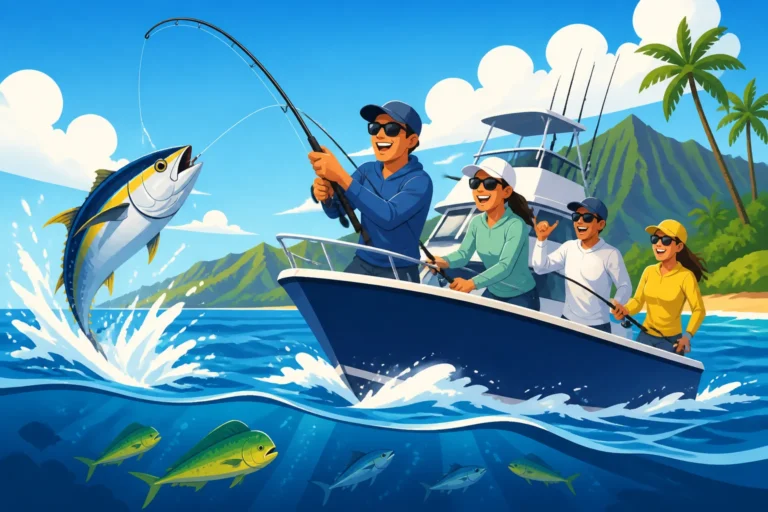
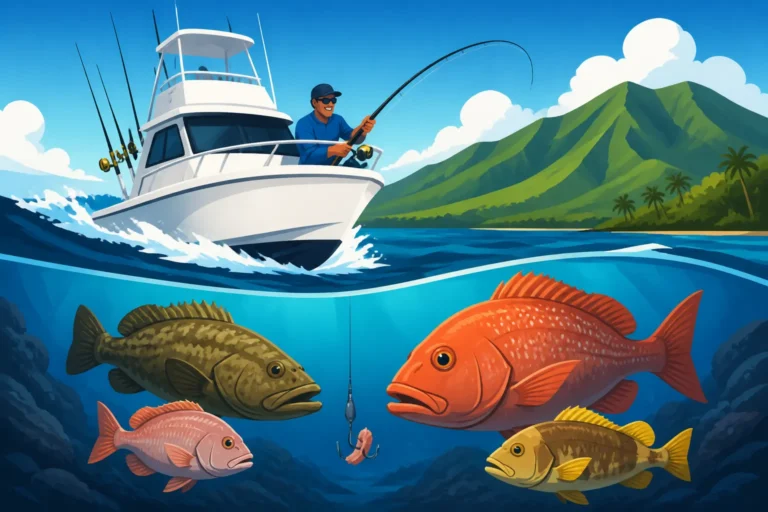
One of the biggest draws of a center console charter in Hawaii is its incredible versatility. Unlike a dedicated sportfisher that might be primarily set up for trolling offshore, a center console can truly do it all. Imagine starting your morning bottomfishing for opakapaka or onaga in a deep water spot, then effortlessly transitioning to trolling for mahimahi or ono on the way to a FAD (Fish Aggregating Device), and maybe even trying some light tackle whipping for papio or bonefish near a shoreline reef in the afternoon.
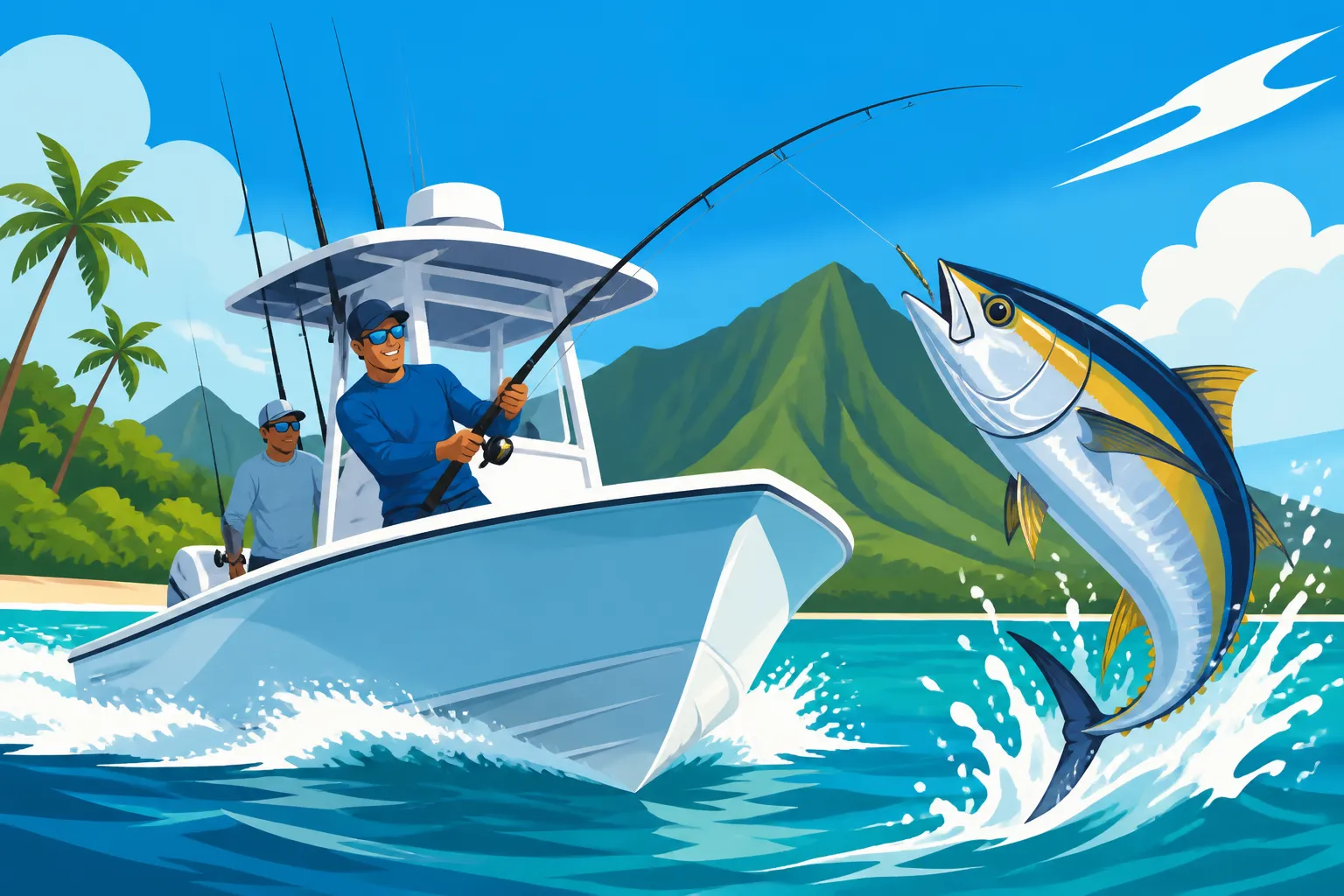
These boats are nimble enough to hug coastlines for inshore opportunities, but also robust and sea-worthy enough to venture miles offshore in pursuit of pelagics like ahi (yellowfin tuna) or marlin. This adaptability means you're not locked into one type of fishing. If one bite isn't happening, your captain can quickly move to a different technique or location, maximizing your chances of success and keeping the day exciting. For families or groups with varied interests, this chameleon-like ability to adapt to different fishing scenarios is absolutely invaluable.
Agility and Access to Varied Grounds
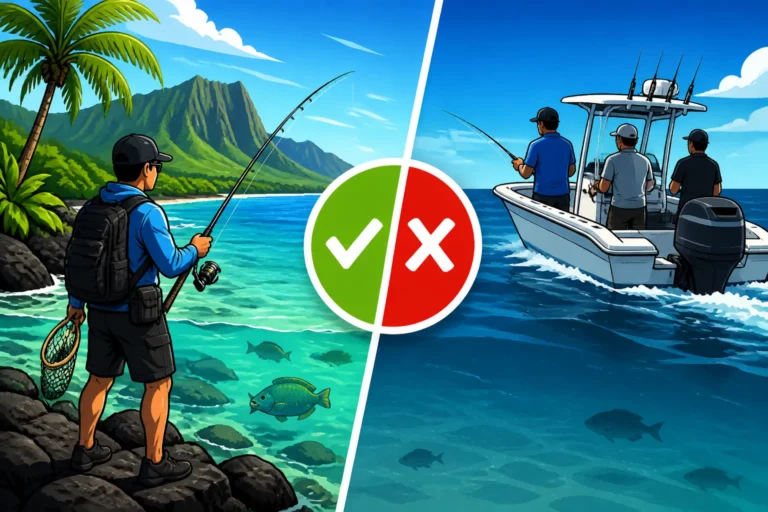
Hawaii's coastline is a tapestry of rugged lava flows, sandy beaches, and vibrant coral reefs. Larger vessels can often be limited in where they can safely operate due to draft and maneuverability. Center console boats, with their typically shallower drafts and excellent handling characteristics, can access areas that bigger boats simply can't. This means getting closer to prime reef structures for ulua (giant trevally) or kumu (goatfish), or slipping into productive channels that hold schooling akule.
Their speed also plays a significant role. A good center console, often powered by twin outboard engines, can make quick runs to distant offshore spots where ahi might be schooling, or swiftly reposition if the bite moves. Less time spent traveling means more time with lines in the water. This agility extends to how they fish, too. A center console allows for 360-degree fishability around the boat, which is fantastic when a school of fish erupts around you, or when you're battling a powerful fish that wants to run under the boat. It truly enhances the dynamic nature of Hawaiian fishing.
Intimate and Engaging Fishing Experience
If you're looking for a personal, hands-on fishing experience where you're truly connected to the ocean and your guide, a center console is often the way to go. These boats are typically suited for smaller groups, ranging from two to six anglers, which means less crowding and more direct interaction with your captain and crew. You're right in the thick of the action, feeling every head shake and every surge from the fish.
The open deck layout, central console, and lack of a large cabin foster an environment where communication flows easily between everyone on board. You can ask questions, learn about local techniques, and get personalized instruction on casting or rigging. It feels less like a commercial operation and more like fishing with knowledgeable friends. For many, this closer connection to the captain and the environment, without the distraction of a crowded deck or a distant wheelhouse, is what truly makes a fishing trip memorable. It's about the shared experience and the education you gain, not just the fish you catch.
What to Look for in a Top Hawaii Center Console Charter
Choosing the right center console charter can make all the difference in your Hawaii fishing adventure. It’s not just about the boat itself, but also about the people and the preparation that go into each trip. With so many options, knowing what factors to prioritize will help you find a charter that aligns perfectly with your fishing goals and style.
Captain's Experience and Local Knowledge
The captain is the heart of any fishing charter, and this is especially true in Hawaii. Look for a captain with deep-rooted local knowledge, or "mana'o," about the specific waters you'll be fishing. Hawaii’s currents, bottom structures, and fish migrations are complex, and an experienced captain will know how to read the water, understand weather patterns, and anticipate where the fish will be. They'll know the secret spots for Hawaii bottomfish species, the seasonal patterns for Hawaii ahi bag limit rules, and the best conditions for a successful day.
Beyond just finding fish, a top captain prioritizes safety and clear communication. They should be certified, have an impeccable safety record, and be able to articulate their plan for the day while remaining flexible to changing conditions or your preferences. A great captain also acts as a mentor, patiently teaching techniques and sharing insights, whether you're a seasoned angler or a complete novice. Many charter listings, especially on platforms like FishingBooker, will include bios of the captains, highlighting their experience and specialties. Don't hesitate to ask about their specific experience with the species you're hoping to target.
Vessel Features and Equipment
While all center consoles share a general design, the quality and features can vary significantly. When researching, pay attention to the boat's size, engine configuration, and the presence of essential equipment. A good size for a Hawaii center console often ranges from 25 to 35 feet, offering a comfortable balance of stability for offshore runs and agility for inshore work. Twin outboard engines are a major plus, providing both increased speed to get to the fishing grounds faster and an important safety redundancy.
Check for modern electronics, including reliable sonar (fishfinder), GPS for navigation, and radar for safe operation in varying weather conditions. Features like a spacious live bait well are crucial if you plan on targeting species that prefer live bait, such as ulua or ahi. A T-top or partial hardtop provides much-needed shade from the intense Hawaiian sun. Also consider the deck space; a clean, uncluttered deck with plenty of room to move around is key for fighting fish comfortably from any angle. Think about amenities like a marine head (toilet) for longer trips, though not all center consoles will have one, especially the smaller, more agile ones.
Tackle and Gear Quality
Even the best captain and boat won't guarantee success without high-quality, well-maintained tackle. A reputable center console charter will provide an array of rods, reels, and lines appropriate for the various species you might encounter. This means having both light tackle setups for whipping papio or baitfish, and heavier gear for battling powerful offshore pelagics or deep-dwelling bottomfish.
Inspect photos or inquire about the condition of their gear. Are the reels smoothly operating? Are the rods free of damage? Is the line fresh and strong? The charter should also have a good selection of lures, jigs, and bait appropriate for the season and target species. For specialized fishing, like specific styles of bottomfishing or even spearfishing (if permitted and offered), ensure they have the right equipment and that it's in top working order. Don't be shy about asking about their preferred tackle for How to Catch Ahi in Hawaii or How to Catch Ulua from Shore, as this can tell you a lot about their approach and preparation.
Popular Locations for Center Console Charters in Hawaii
Hawaii's islands each offer unique fishing experiences, and center console charters are perfectly suited to explore the diverse waters around them. From the calm, deep-water drops of the Big Island to the vibrant reef systems of Oahu and the rugged coastlines of Maui and Kauai, a center console can put you on the fish wherever you choose to cast your line.
Kona Coast, Big Island
The Kona Coast on the Big Island is world-renowned for its calm, deep waters and incredible offshore fishing, particularly for marlin and tuna. What makes it special is the unique geography: the island drops off steeply just a few miles from shore, creating perfect hunting grounds for pelagic species without long, rough runs to deep water. A center console charter here is an excellent choice, offering the ability to troll for these majestic fish, but also pivot to deep-dropping for bottomfish like opakapaka or onaga should the offshore bite be slow.
Many charters operate out of Honokohau Harbor, giving quick access to famous fishing grounds. With a center console, you get to experience the thrill of the open ocean, the tight turns during a marlin fight, and the personal attention that might be diluted on a larger, more crowded vessel. It’s a fantastic way to immerse yourself in the legendary Kona Coast Fishing Guide and specifically target species like the blue marlin, spearfish, or mahi-mahi that cruise these rich waters. The versatility of these boats means you could even spend part of your day targeting inshore papio and then switch to blue water.
Oahu's Diverse Waters
Oahu, with its bustling harbors and varied coastline, presents a fantastic playground for center console charters. From the deep offshore waters accessible from Kewalo Basin or Honolulu Harbor, where ahi, ono, and mahimahi roam, to the vibrant inshore reefs and expansive flats perfect for bonefishing, a center console can adapt to it all. These boats are ideal for navigating the often-choppier channels, making swift runs between fishing spots, and getting anglers right into the action.
You might find center consoles heading offshore to target large pelagics, similar to Kona, but they also excel at inshore fishing for ulua, papio, or even exploring the flats for bonefish (oio). If you're looking for a guided trip that combines different techniques, such as light tackle trolling near structure and then dropping baits for reef species, a center console provides that flexibility. For those interested in the unique challenge of flats fishing, many offer specialized Best Guided Bonefishing Trips on Oahu using smaller center consoles or bay boats to access shallow areas. Oahu Fishing Guide covers a vast range of fishing opportunities, and center consoles are often the vessel of choice for locals and visitors alike who want to explore this diversity.
Maui and Kauai's Opportunities
Maui and Kauai each offer distinct, stunning backdrops for a fishing adventure, and center console charters are well-represented across both islands, providing excellent options for anglers.
On Maui, charters often depart from Maalaea Harbor or Lahaina Harbor, quickly reaching prime offshore fishing grounds where the deep waters around the island hold abundant populations of ahi, ono, mahimahi, and marlin. The agility of a center console allows captains to efficiently work the FADs or dive into bottomfishing spots off the coast. The intimate nature of these charters also means you can often customize your trip more easily, whether you want to focus solely on trolling or combine it with some jigging for deepwater species. If you're staying in popular areas, check out a Maui Fishing Guide to see what's available nearby.
Kauai, the Garden Isle, provides a more rugged and often less crowded fishing experience. Charters typically leave from Nawiliwili, heading out to the productive deep waters for pelagics or working the numerous reef systems for a variety of reef fish. A center console here is excellent for exploring the island's diverse marine landscape, from the dramatic Na Pali Coast (though often within restricted fishing zones) to the open ocean. They offer a stable and efficient platform to pursue a wide range of species. For a comprehensive look at the island's potential, consult a Kauai Fishing Guide to plan your journey. These islands offer fantastic fishing, and a center console puts you right in the middle of it.
Booking Your Hawaii Center Console Adventure
Booking a fishing charter in Hawaii should be an exciting part of your trip planning, not a stressful one. With some forethought and clear communication, you can ensure a smooth process and set yourself up for an incredible day on the water. From knowing what to expect to understanding the logistics, here's how to secure your ideal center console adventure.
Planning Ahead and Communicating Your Goals
Hawaii is a popular destination, and the best fishing charters, especially the highly-regarded center console operations, book up quickly. It's always a good idea to plan and book your trip as far in advance as possible, particularly if you're traveling during peak seasons or holidays. This gives you the best chance to secure your preferred date and captain.
Once you've identified a few potential charters, the most crucial step is clear communication with the captain or booking agent. Don't be shy about discussing your fishing goals. Are you hoping for a trophy marlin, or would you prefer a day catching a variety of reef fish for dinner? Are you an experienced angler, or is this your first time fishing? Do you want to try specific techniques like jigging or live baiting? The more information you provide, the better the captain can tailor the trip to your expectations. Using online booking platforms like FishingBooker can streamline this process, allowing you to compare options, read reviews from other anglers, and often communicate directly with the charter to ensure they understand your specific desires for the trip. Always remember to ask about their policy on Hawaii fishing license age requirements and if you need your own, which is often the case for freshwater, but sometimes covered for ocean charters.
What to Bring and What's Provided
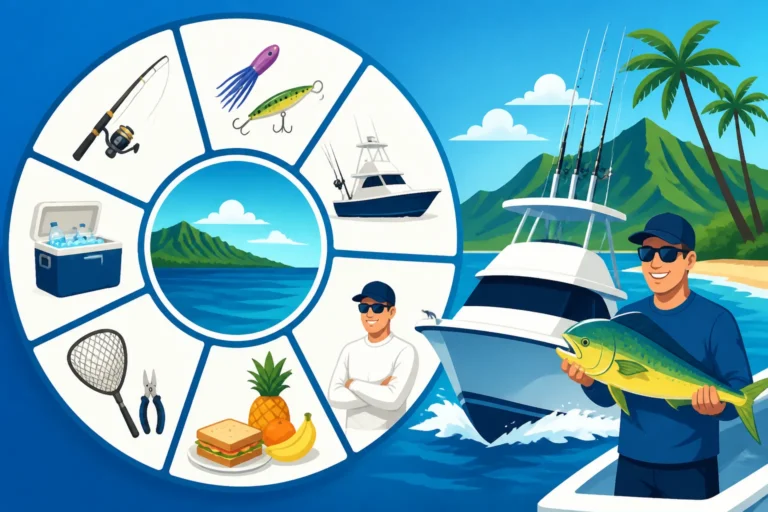
While charter boats typically provide the essential fishing gear, knowing what else to bring will ensure your comfort and enjoyment. The Hawaiian sun can be intense, so always pack plenty of high SPF sunscreen (reef-safe if possible), a wide-brimmed hat, and polarized sunglasses to protect your eyes and help you spot fish. Lightweight, long-sleeved clothing is often recommended for sun protection. Don't forget any personal medications, especially motion sickness remedies if you're prone to seasickness – it's always better to take it before you board! A reusable water bottle is also a good idea to stay hydrated.
Most center console charters will provide all the necessary fishing equipment, including rods, reels, bait, and tackle. They'll also have all the required safety gear like life jackets. Many will include non-alcoholic beverages, and some might even provide snacks or lunch, especially on longer trips. However, it's always best to clarify what's included and what you should bring yourself when booking. Some charters offer fish cleaning and bagging services, which is a great bonus if you plan to take your catch home for dinner. Refer to a comprehensive guide like What to Bring on a Hawaii Fishing Charter to make sure you've covered all your bases.
Understanding Costs and Inclusions
Fishing charter costs in Hawaii can vary widely based on the duration of the trip (half-day, 3/4-day, full-day), whether it's a private or shared charter, the size and amenities of the boat, and the type of fishing. Center console charters often fall into a mid-range cost, typically being more affordable than the largest luxury sportfishers but more expensive than small skiffs.
When you receive a quote, always ask for a clear breakdown of what's included in the price. This should cover fuel, bait, tackle, and the services of the captain and crew. Some charters might have additional costs for things like specialty live bait, fish cleaning, or even optional gratuities for the crew. While you shouldn't expect to pay a specific amount, a general understanding of Hawaii Fishing Charter Cost Guide can help you budget. It's customary to tip the captain and crew if you had a good experience, so factor that into your planning. A helpful resource like Tipping Etiquette for Hawaii Fishing Charters can provide guidance on appropriate amounts. Remember, transparency up front helps avoid any surprises on the day of your adventure.
| Feature | Center Console Charter | Large Sportfishing Yacht |
|---|---|---|
| Primary Design | Versatile, open deck for 360-degree fishing | Large cabin, focused on offshore trolling and comfort |
| Group Size | Typically 2-6 anglers (more intimate) | Often 4-10+ anglers (can be shared or private) |
| Fishing Styles | Trolling, bottomfishing, jigging, live baiting, inshore, light tackle | Primarily offshore trolling; some bottomfishing possible |
| Agility | High maneuverability, can access varied depths/structure | Less agile, best for open water |
| Speed | Generally fast, quick runs to spots | Fast offshore travel |
| Comfort | More exposed to elements, T-top for shade, engaging | Enclosed, air-conditioned cabin, more amenities |
| Cost | Often a mid-range, excellent value for versatility | Typically higher, especially for private charters |
| Experience | Hands-on, interactive with crew, close to the action | More luxurious, comfortable, but can be less interactive |
Disclaimer
This article is for general informational purposes only and does not constitute professional advice. Laws, prices and regulations vary by location and change over time. Consult a qualified professional for guidance on your specific situation.