Best charters for teaching kids to fish
It's every parent's dream to share the magic of fishing with their keiki, especially in a place as incredible as Hawaii. But let's be real, finding the right fishing charter that truly understands how to engage kids, keep them safe, and make it fun (not just a long boat ride) can feel like finding a needle in a haystack. This guide is here to help you cut through the confusion and pinpoint the best Hawaii fishing charters for teaching your little ones the joy of the catch.
What Makes a Hawaii Fishing Charter Truly Kid-Friendly?
You've probably seen listings that simply say "kids welcome," but that's often just scratching the surface. A truly kid-friendly fishing charter in Hawaii goes above and beyond, recognizing that children have different attention spans, physical capabilities, and expectations than adult anglers. It's not just about allowing them on board; it's about actively tailoring the experience to their needs.
First and foremost, patience is paramount. Kids will tangle lines, ask a million questions, get distracted by a flying fish, or need a bathroom break at the most inconvenient time. A captain and crew who genuinely enjoy having children aboard, and possess the patience to guide them through the basics without frustration, are invaluable. They should be willing to explain the gear, demonstrate casting, and help reel in a fish, no matter how small. Look for reviews that specifically mention how good the crew was with children, highlighting their demeanor and teaching style.
Secondly, safety is always the top priority, but for kids, it means extra vigilance. Life jackets that fit properly are non-negotiable, and the crew should be proactive in ensuring kids are wearing them when needed and understand boat safety rules. A kid-friendly boat might also have easier access to restrooms, comfortable seating that keeps little ones secure, and enough shade to protect them from the intense Hawaiian sun. The captain should brief both parents and children on safety protocols in a way that kids can understand, making it clear what's expected of them on the vessel.
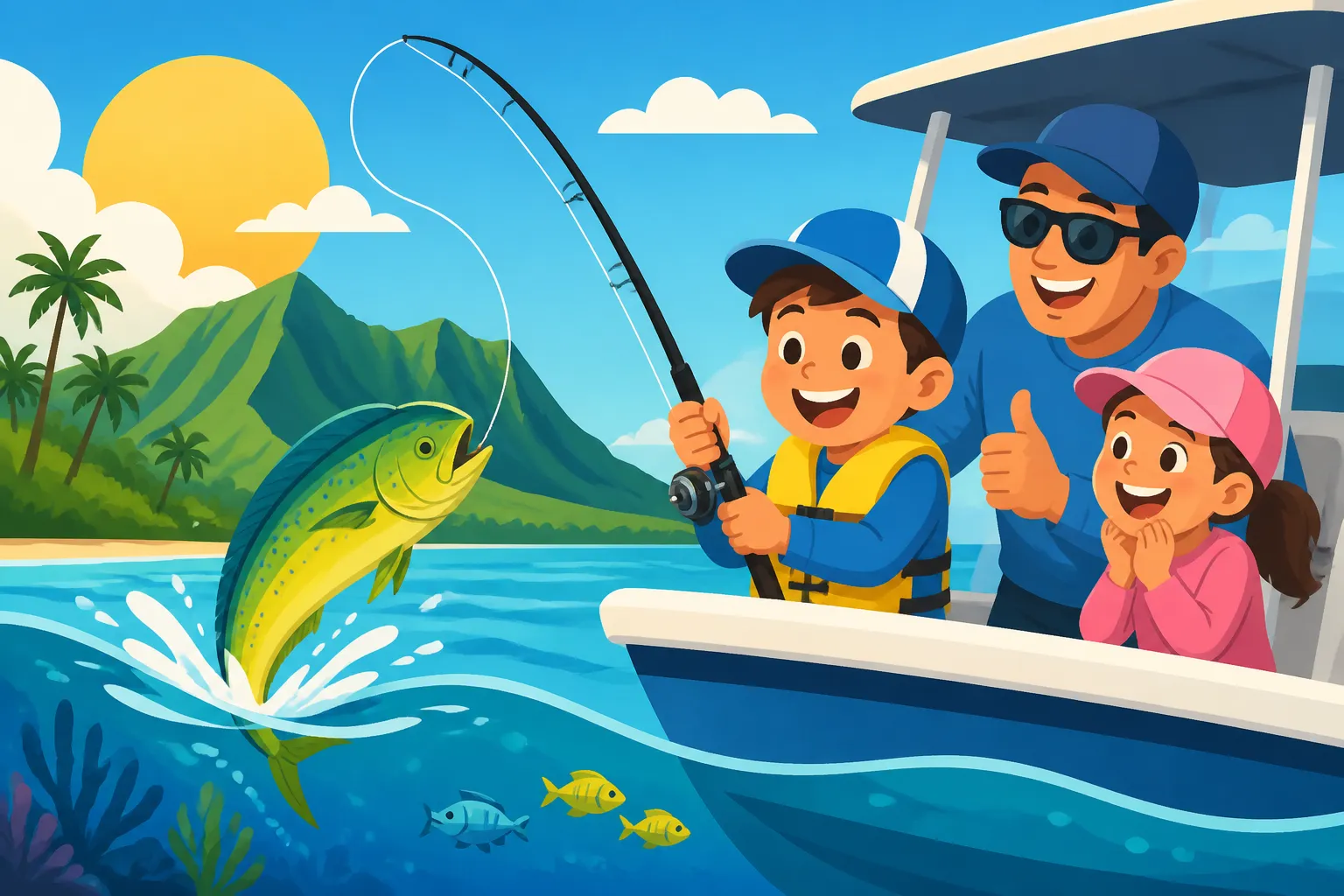
Finally, engagement and success are key to fostering a love for fishing. This means targeting species that are more likely to bite frequently, even if they aren't the biggest trophy fish. Catching a Papio (trevally), an assortment of colorful reef fish, or even a smaller Mahimahi can be incredibly exciting for a child. A good kid-friendly charter will focus on creating action, even if it's smaller action, to keep spirits high. They might also incorporate educational elements, teaching kids about the different Hawaiian fish species, the ocean ecosystem, or responsible fishing practices. This transforms the trip from just fishing into a memorable learning adventure. Hawaii Fishing License Age Requirements outlines what ages require a license, so make sure to check that out beforehand.
Choosing the Right Type of Charter for Your Family
Navigating the various charter options can be dizzying. When you're planning a fishing trip with kids in Hawaii, thinking about the length of the trip, who else will be on board, and where you'll be fishing can make a huge difference in the overall experience. Each choice has its own set of pros and cons, particularly when considering the attention spans and comfort levels of younger anglers.
Half-Day vs. Full-Day Trips
This is perhaps the biggest decision. For most families with young children, a half-day charter (typically 4-6 hours) is almost always the better choice. Kids, bless their hearts, have an amazing ability to burn through energy and enthusiasm faster than you can say "fish on!" A full-day trip, which can stretch 8-10 hours, often leads to boredom, seasickness, or overtired meltdowns, especially if the bite is slow. On a half-day trip, the excitement remains high, and you can pack in enough action without pushing anyone past their limits. You'll likely target species closer to shore, which means less travel time and potentially calmer waters, a huge bonus for little stomachs. If you're pondering the best fit, read up on Best Half-Day Charters in Hawaii for more insights.
For older kids or teenagers who are already avid anglers, a full-day trip might be feasible, but be honest about their endurance and passion for fishing. Even then, ensure the charter offers amenities like a comfortable cabin, snacks, and drinks to keep them fueled and happy.
Private vs. Shared Charters
This choice boils down to control, comfort, and budget.
-
Private Charters: If your budget allows, a private charter is often the ideal choice for families. You get the entire boat to yourselves, meaning the captain and crew can dedicate their full attention to your family. You have the flexibility to dictate the pace, choose the target species (within reason and what's biting), and even head back to shore early if little ones are struggling. There's no pressure from other adult anglers who might be focused purely on trophy catches or less patient with a child's learning curve. This personalized experience can make all the difference in creating a truly kid-centric trip. The cost is higher, but the experience is tailored.
-
Shared Charters: Shared, or "walk-on," charters are more budget-friendly as you're splitting the cost with other individuals or small groups. However, this comes with compromises. The crew's attention is divided, and the trip's focus is generally on maximizing catches for the group, which may not align with a child's need for patience and smaller, more frequent action. Other anglers might not appreciate a child's exuberance or the inevitable noise. If you opt for a shared charter, try to find one that explicitly advertises itself as family-friendly or has a good reputation for accommodating children. Some shared charters might even offer specific "family days" where all passengers are families, which can be a great middle ground. When thinking about value, checking Hawaii Fishing Charter Cost Guide can help with comparisons.
Inshore vs. Offshore Fishing
The type of water you fish can drastically impact a child's enjoyment.
-
Inshore Fishing: Generally, inshore fishing is the winner for kids. You stay closer to land, meaning less time traveling, usually calmer waters, and quicker access back to the harbor if someone gets seasick or just needs a break. Inshore trips often target smaller, more abundant species like Papio, rockfish, and various reef dwellers that offer frequent bites, keeping kids engaged. These trips can also be more hands-on, with lighter tackle that's easier for small hands to manage. Some charters might even combine fishing with snorkeling in calm, shallow spots, turning it into a multi-adventure day. Learning about How to Catch Papio on Hawaii's Shoreline can give you an idea of the types of fish you might target.
-
Offshore Fishing: Offshore charters venture far from land into deep blue water, primarily targeting large pelagic species like marlin, tuna (ahi), and mahimahi. While the thrill of a big game fish is undeniable, these trips involve long runs to fishing grounds, can encounter rougher seas, and often result in longer periods without bites. For most kids, this can quickly lead to boredom, motion sickness, and disappointment. Offshore trips are better suited for older, more experienced, and truly dedicated young anglers. You can dive deeper into the differences by reading Best Inshore vs Offshore Charters in Hawaii.
Here’s a quick comparison of charter types:
| Charter Type | Best For Kids If… | Cost (Shape) | Engagement Level | Key Consideration |
|---|---|---|---|---|
| Half-Day Private | You want maximum flexibility, personalized attention, and a focused kid experience. | Higher | Very High | Best overall experience, but a larger investment. |
| Half-Day Shared | On a budget, but can find a truly family-focused boat with other kids on board. | Moderate | Moderate | Less personalized; other passengers' expectations vary. |
| Full-Day Private | Older, highly experienced, or very patient teens who love fishing. | Highest | High | Long duration can lead to fatigue/boredom for younger kids. |
| Full-Day Shared | Not recommended for most kids due to long hours, varied company, and deep-sea focus. | Lower | Low to Moderate | High risk of boredom and discomfort for children. |
| Inshore Charter | Targeting frequent bites, calmer waters, and diverse smaller species. | Varies (often less) | High | Less chance of "trophy" fish, but more consistent action. |
| Offshore Charter | Older teens with a specific interest in big game fish and good sea legs. | Varies (often more) | Moderate to High | Long travel times, potentially rough seas, fewer bites. |
Preparing Your Keiki for a Memorable Fishing Adventure
Even the most kid-friendly charter won't be a success if your little ones aren't prepared. A little pre-trip planning can go a long way in ensuring everyone has a fantastic time on the water. It’s about more than just packing a bag; it’s about setting the right expectations and equipping them both mentally and physically.
Packing the Essentials
Hawaii's sun is no joke, and boat decks can be slippery. Here's a checklist of must-haves:
- Sun Protection: This is critical. Pack wide-brimmed hats, sunglasses (polarized if possible to help them see into the water), and reef-safe sunscreen. Even on a cloudy day, the sun's reflection off the water can cause severe burns. Reapply frequently!
- Comfortable Clothing: Lightweight, quick-drying clothing is best. Long-sleeved rash guards or fishing shirts can provide excellent sun protection without being too hot.
- Closed-Toe Shoes: Boat decks can be wet and have obstacles. Shoes with good grip are important for safety.
- Snacks and Drinks: While some charters provide these, it's always a good idea to pack favorites, especially for picky eaters. Hydration is key in the sun, so bring extra water or juice boxes.
- Seasickness Remedies: Even if your child has never been seasick, the ocean can be unpredictable. Pack non-drowsy seasickness medication, ginger candies, or motion sickness bands. Administer medication before you board, not after symptoms start. Familiarize yourself with Seasickness tips for a Hawaii fishing charter.
- Entertainment: While fishing is the main event, there might be downtime, especially during travel to fishing grounds. A small, waterproof camera, a sketchbook, or a travel game can help keep boredom at bay. Just be mindful of items that could easily blow away or get wet.
Setting Expectations for the Day
One of the biggest mistakes parents make is promising a monster catch. Fishing is called fishing, not catching, for a reason! It's important to explain to kids that while you hope to catch fish, the real fun is in the experience: being on the ocean, seeing marine life, and learning something new.
- It's Not a Guarantee: Explain that fishing involves patience and luck. There might be times when no fish are biting, and that's okay. Focus on the process, not just the outcome.
- Different Types of Fish: Show them pictures of the types of fish you might target (e.g., papio, triggerfish, smaller snappers) so they know what to expect. Celebrate every catch, no matter the size!
- Listen to the Crew: Emphasize the importance of listening to the captain and crew, as they are the experts and are there to ensure everyone's safety and enjoyment.
Involving Kids in the Preparation
Getting kids involved before the trip can build excitement and a sense of ownership. Let them help pack their bag, pick out a "lucky" hat, or choose a snack. Talk about what you'll see on the ocean, like flying fish or maybe even a distant dolphin pod. You could even read a book about Hawaiian marine life. This pre-engagement transforms the trip from just an outing into an adventure they've helped plan.
Finding and Booking Your Ideal Kid-Friendly Charter
So, you're ready to find that perfect charter for your budding angler. The search can be overwhelming, but with a strategic approach, you can narrow down the options and make an informed decision. The key is to look beyond flashy websites and dig into what truly makes a charter suitable for families with children. When choosing your vessel, remember to also review Hawaii Boating Laws for Anglers for general safety practices.
Where to Look and What to Ask
Start your search by looking at reputable online platforms and local harbor websites. Resources like FishingBooker are excellent because they allow you to filter by location, trip duration, and often have reviews that specifically mention family experiences. You can search for "family-friendly" or "kid-friendly" charters and often find detailed descriptions of what they offer.
Once you have a few potential charters in mind, it's time to get on the phone or send an email with some key questions:
- "What is your experience fishing with young children?" This isn't just about their general charter experience; it's about their comfort and expertise with kids. Listen for answers that show patience and understanding of a child's needs.
- "What species do you typically target on a half-day inshore trip, and what's the likelihood of frequent bites?" Remember, frequent action, even with smaller fish, keeps kids engaged.
- "What safety equipment do you have for children (e.g., correctly sized life jackets)?" Ensure they have gear that fits your child's size and weight.
- "Do you have a covered area for shade and a restroom on board?" Essential for comfort and protection from the elements.
- "What is your policy if a child gets seasick or wants to go back to shore early?" Knowing their flexibility can save a lot of stress on the day of the trip.
- "Is there a dedicated crew member who is particularly good with kids?" Sometimes having a first mate who loves teaching children can make all the difference.
Don't be shy about asking for specific details. A truly kid-friendly charter will welcome your questions and be eager to put your mind at ease. Platforms like FishingBooker often include captain bios and boat amenities, which can help you pre-screen for many of these points.
Considering Location
Hawaii's islands each offer unique fishing opportunities, and where you base your trip can influence the type of experience your child will have.
- Oahu: With bustling harbors like Kewalo Basin and Honokohau, Oahu offers a wide range of charter options, from deep-sea excursions to calmer inshore reef fishing. Shoreline fishing for papio is also popular here. Because it's the most populated island, there's a higher chance of finding charters explicitly geared toward families. For more options on Oahu, explore Best Fishing Charters Out of Honolulu.
- Maui: Ma'alaea and Lahaina harbors are popular departure points for charters targeting both pelagics and reef fish. Maui often has a good balance of inshore and offshore options, and many charters cater to tourism, making them experienced with diverse client groups, including families. Look into Best Charters Out of Maalaea Harbor for specific recommendations.
- Big Island (Kona Coast): Kona is world-famous for its deep-sea fishing, especially for marlin and tuna. While many charters here are geared towards serious big-game anglers, some do offer shorter, inshore bottom fishing or trolling trips that can be suitable for older kids or those keen on a bigger adventure. Make sure to choose carefully if you're aiming for big game, as offshore trips can be long and challenging for youngsters. For an overview of top choices, consult Best Fishing Charters in Hawaii.
- Kauai: Known for its lush landscapes and calmer pace, Kauai offers charters from places like Nawiliwili. You'll find good opportunities for both inshore and offshore fishing, often with a more relaxed atmosphere which can be great for families.
Regardless of the island, reading recent reviews from other families is your best friend. Look for specific mentions of how the crew interacted with children, whether the kids caught fish, and if the overall experience was enjoyable for the whole family. Many families share their experiences on sites like FishingBooker, providing invaluable first-hand accounts that can guide your decision. Choosing your charter wisely will make all the difference, so check out How to Choose a Hawaii Fishing Charter for a comprehensive guide.
Disclaimer
This article is for general informational purposes only and does not constitute professional advice. Laws, prices and regulations vary by location and change over time. Consult a qualified professional for guidance on your specific situation.