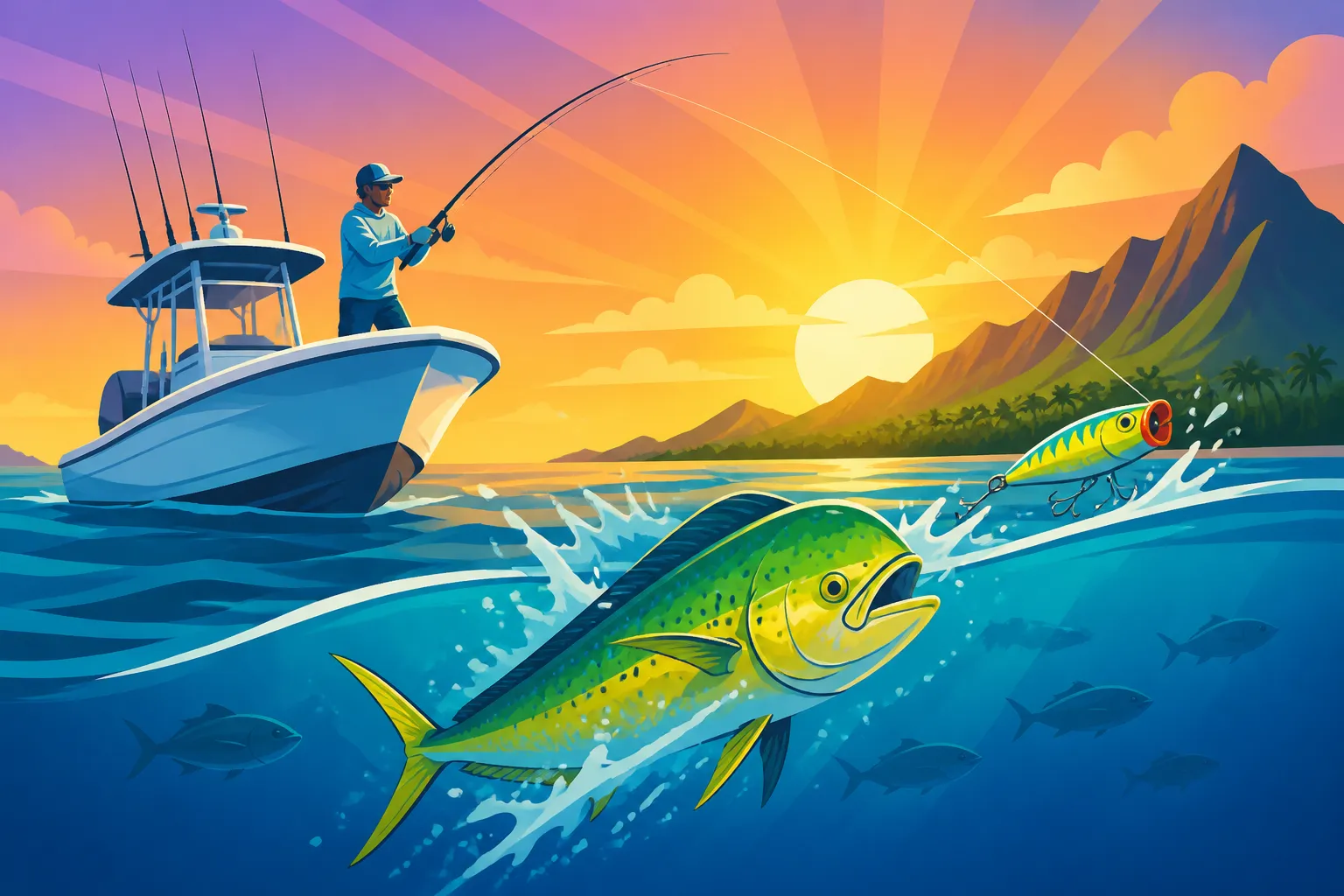
Best charters for topwater papio at dawn
There's nothing quite like the sight of a papio exploding on a topwater lure as the first rays of Hawaiian sunlight kiss the ocean surface. But trying to figure out which fishing charter specifically specializes in this exhilarating experience, knowing all the nuances of targeting these feisty fish at such a particular time, can feel a bit like searching for a needle in a haystack. This guide is here to cut through the confusion and help you pinpoint the best charters for a truly memorable dawn topwater papio adventure in Hawaii.
The Magic of Topwater Papio Fishing at Dawn
If you've never experienced the thrill of topwater fishing for papio, you're truly missing out on one of Hawaii's most exciting inshore angling opportunities. Papio, which are juvenile Giant Trevally (ulua), are incredibly aggressive predators, and they absolutely love to smash lures on the surface, especially during the low light conditions of dawn. It's a visual, heart-pounding style of fishing that sets the tone for an unforgettable day.
The "dawn bite" for papio isn't just a myth; it's a very real phenomenon driven by the fish's feeding habits. As the sun begins to rise, the reef and shoreline come alive. Baitfish, often small akule or opelu, become more active, moving into shallower waters to feed themselves, and the papio are right there, ready to ambush them. The reduced light penetration at dawn also gives the papio a predatory advantage, making them less wary and more willing to strike at a lure splashing on the surface. This is why timing is so crucial, and why finding a charter that's willing and able to get you out before the sun fully crests the horizon is paramount. It’s not just about being on the water; it’s about being there at the right moment.
What truly elevates this experience is the raw power of even a smaller papio. These fish are fighters, pound for pound, delivering powerful runs and strong head shakes that will test your tackle and your stamina. You're not just fishing; you're engaging in a dynamic pursuit where sight, sound, and adrenaline combine to create an exhilarating experience. For many anglers, catching a papio on a topwater lure is a bucket-list item, a testament to the vibrant inshore fisheries found across the Hawaiian Islands. Understanding How to Catch Papio on Hawaii's Shoreline will give you a great foundation for what to expect, but a good charter takes it to the next level.
Identifying Charters Specializing in Dawn Topwater Papio
Not all charters are created equal, especially when it comes to highly specialized techniques like topwater papio fishing at dawn. Many larger offshore boats focus on pelagic species like marlin and ahi, and while those are incredible experiences, they aren't geared for the inshore excitement of papio. You need to look for specific characteristics when vetting potential captains and boats.
Small Boat, Local Expertise, Early Start
The best charters for topwater papio at dawn are typically operated by local guides on smaller, nimble boats – think center consoles, skiffs, or even kayaks. These vessels allow access to shallower reef flats, rocky points, and sheltered bays where papio often ambush their prey. A good captain for this type of trip will be intimately familiar with the local tides, currents, and the specific haunts where papio gather. They'll know which submerged ledges, coral heads, or channels hold fish, and they'll get you there well before sunrise. When researching, pay close attention to reviews and descriptions that specifically mention "inshore fishing," "light tackle," "reef fishing," or even "shoreline fishing" if they offer guided wade trips. Best Guided Shore Fishing Trips on Oahu often involve these types of experiences.
One of the most important things to confirm is the departure time. If a charter isn't willing to leave the dock 30-60 minutes before first light, they might not be the right fit. The prime bite window can be surprisingly short, sometimes only lasting an hour or two after sunrise. A captain who understands this critical timing is essential. Don't be shy about asking direct questions about their willingness to target papio with topwater lures, and specifically at dawn. Their enthusiasm for this particular style of fishing will tell you a lot.
The Right Gear for the Job
Beyond the boat and the captain's knowledge, the tackle provided is crucial. Topwater fishing for papio requires specific rods, reels, and lures. Look for charters that advertise using lighter spinning or baitcasting setups, generally in the 20-40lb class, with fast-action rods suitable for casting poppers, walk-the-dog lures, and stickbaits. The lures themselves are critical; a good guide will have a selection of tried-and-true topwater plugs in various sizes and colors that have proven effective in local waters.
You want to make sure they're not just bringing out heavy offshore gear adapted for inshore, but truly specialized equipment. Ask about line strength, leader material (often fluorocarbon to withstand abrasions from coral and papio teeth), and the types of lures they typically use for papio. A charter that takes pride in its light tackle offerings is usually a good sign. It shows they understand the nuance and excitement of this specific fishing style. Many resources, like Topwater Fishing for Papio in Hawaii, delve into these specific gear requirements.
Here's a quick comparison of what to look for when selecting a charter for dawn topwater papio:
| Feature | Ideal for Dawn Topwater Papio | Less Ideal |
|---|---|---|
| Boat Type | Skiff, center console, shallow draft boat | Large sportfisher, deep-V offshore vessel |
| Departure Time | 30-60 minutes before sunrise | After sunrise, standard 7-8 AM trips |
| Captain's Expertise | Local knowledge of reefs, tides, inshore spots | Focus on offshore FADs, deep water |
| Tackle Provided | Light spinning/baitcasting, specific topwater lures | Heavy trolling rods, offshore jigs |
| Target Species Focus | Papio, ulua, inshore jacks, reef species | Marlin, ahi, mahimahi, ono |
| Trip Duration Options | Often 4-6 hour half-day trips are perfect | Exclusively 8+ hour full-day offshore trips |
Essential Techniques and Tackle for Topwater Papio
Even though you're on a charter, having a basic understanding of the techniques and tackle involved will greatly enhance your experience. A good captain will provide instruction, but knowing what to expect can help you get the most out of your time on the water.
Lure Selection and Presentation
Topwater lures for papio mimic injured baitfish struggling on the surface. Poppers create a loud "bloop" and splash, drawing attention from a distance. Walk-the-dog lures, like the classic Heddon Super Spook or various stickbaits, glide side-to-side with a rhythmic retrieve, mimicking a panicked baitfish. Your charter captain will likely have a few favorites, but the key is active presentation. It’s not about just casting and reeling; it’s about imparting action to the lure.
When the captain positions the boat near a promising reef edge, a rocky point, or a channel, you’ll cast your lure out and begin your retrieve. For poppers, this usually involves a sharp downward snap of the rod tip to make the lure "pop," followed by reeling in the slack and repeating. For walk-the-dog lures, it's a rhythmic twitch-twitch-pause motion with the rod tip, letting the lure sashay across the surface. A lot of the time, the papio strike isn't subtle—they often hit with explosive force, so be ready! Articles like How to fish a popper for schooling papio offer more in-depth advice on these techniques.
Rods, Reels, and Line
For topwater papio, you'll generally be using medium-heavy spinning or baitcasting outfits. A 7-8 foot rod with a fast action is ideal for casting these often wind-resistant lures and providing the necessary leverage to fight strong fish. Reels should be durable, with a smooth drag system and enough line capacity for powerful runs. Typically, you'll see reels spooled with 30-50 lb braided line, which offers incredible casting distance and sensitivity. A strong fluorocarbon leader (60-80 lb) is almost always used to prevent bite-offs from sharp teeth and abrasion from coral. A good charter will provide well-maintained equipment that's matched to the fishing. If you're wondering about more general tackle, you can learn a lot from What to Bring on a Hawaii Fishing Charter, though papio specific gear will be lighter.
Reading the Water and Anticipating Strikes
One of the benefits of fishing with a seasoned local guide is their ability to "read the water." They’ll point out areas where baitfish are schooling, where current lines converge, or where birds are diving—all indicators of active predators like papio. When casting, try to aim for these areas or around any visible structure like rocks or reef patches. Sometimes, you’ll even see a papio cruising just under the surface before it strikes, adding to the anticipation! The dawn light often helps spot these subtle signs. Your guide will teach you how to properly cast and retrieve, but keeping an eye on the water is a huge part of the fun.
Booking Your Dawn Topwater Papio Adventure
Once you're convinced that a dawn topwater papio trip is for you, the next step is finding and booking the right charter. This can take a little research, but the effort is well worth it for a truly specialized experience.
Research and Reviews
Start by researching charters in the area you plan to visit, whether that's Oahu, Maui, Kauai, or the Big Island. Websites like FishingBooker are excellent resources, as they aggregate listings from many different captains and allow you to filter by location, boat type, and even target species. Look for charters with strong positive reviews, especially those that mention "inshore fishing," "papio," "ulua," "light tackle," or "topwater." Don't be afraid to delve into specific comments about the captain's demeanor, their local knowledge, and the quality of their gear.
When you find a few promising options, dig a little deeper. Check their individual websites or social media pages for photos and videos of past trips. Do they consistently show anglers catching papio on topwater? Do the photos feature dawn settings? This visual evidence can be a great indicator of their specialization. For a broader overview of options, you might even consider looking at Best Fishing Charters in Hawaii to get an idea of the landscape, then narrow your search.
Direct Communication is Key
After narrowing down your choices, contact the captain directly. This is arguably the most important step for a specialized trip like dawn topwater papio. Explain exactly what you're hoping to experience: "I'm really interested in targeting papio using topwater lures, especially right at dawn. Is this something you regularly do, and are you set up for it?" Ask about their typical morning schedule, the types of lures they use, and if they provide instruction for beginners to topwater techniques.
Using a platform like FishingBooker can streamline this initial contact, as many captains list their specialties and are accustomed to answering detailed questions. Their direct messaging systems make it easy to clarify details about the exact experience you're seeking. A good captain will be enthusiastic about your specific request and openly discuss whether their trip is a good fit. If they try to steer you towards a generic trolling trip for offshore species, they might not be the best choice for your specific goal. Remember, asking the right questions, as outlined in How to Choose a Hawaii Fishing Charter, is crucial for managing expectations.
Confirming Details and Preparing for Your Trip
Once you've found the perfect charter and discussed your expectations, confirm all the details: meeting point, departure time, what's included (tackle, bait, water, ice), and what you should bring (sunscreen, hat, light rain jacket, snacks). Given the early start, often before any shops are open, make sure you pack anything you might need for breakfast or coffee beforehand. It’s a good idea to pack light, but sensibly, as you’ll be moving around a smaller boat.
And, of course, double-check any licensing requirements. While many charters cover the fishing license for their guests, it's always wise to confirm, especially if you're not a Hawaii resident. Knowing Do You Need a Fishing License in Hawaii is a good baseline, but always verify with your specific charter. Getting ready for an early morning outing means planning ahead, but the reward of those first few topwater strikes as the Hawaiian sun rises is absolutely priceless.
Disclaimer
This article is for general informational purposes only and does not constitute professional advice. Laws, prices and regulations vary by location and change over time. Consult a qualified professional for guidance on your specific situation.