Best guides for freshwater bass and tilapia trips
So, you're dreaming of a fishing trip to Hawaii, but instead of the usual deep-sea marlin or mahimahi charters, your heart is set on something a little different: freshwater bass and tilapia. It's a fantastic, often overlooked side of Hawaii's angling scene, and finding the right guide can make all the difference in turning a good day into an unforgettable one, especially when you're trying to navigate unfamiliar waters for these elusive freshwater fighters. This guide will walk you through everything you need to know about finding the best guides for freshwater bass and tilapia trips across the islands.
The Unique Appeal of Freshwater Fishing Guides in Hawaii
When most people picture fishing in Hawaii, their minds immediately conjure images of vast, sparkling blue oceans, massive pelagic fish, and sleek sportfishing boats cutting through waves. While that's certainly a huge part of the allure, Hawaii also offers a surprising and vibrant freshwater fishing experience, primarily within its various reservoirs. This unique niche is where a specialized guide truly shines.
Beyond the Ocean: Why Freshwater?
Let's be honest, the ocean here is breathtaking, but sometimes, you're looking for a different kind of challenge, or maybe even a more laid-back day on calmer waters. Freshwater fishing in Hawaii provides exactly that. The serene beauty of the islands' inland reservoirs, often nestled amidst lush, verdant landscapes, offers a stark and welcome contrast to the open ocean. For many anglers, the fight of a hard-pulling largemouth bass or the constant action of tilapia provides a fulfilling experience that offshore fishing might not always deliver, especially if you're prone to seasickness or prefer staying closer to shore. It's a chance to see a different side of Hawaii, one that many tourists completely miss. You might be surprised at how peaceful and secluded these spots can feel, offering a true escape.
The reservoirs, like the famous Wahiawa Reservoir on Oahu or Nuuanu Reservoir, hold some truly impressive fish. These aren't just little pond panfish; we're talking about robust bass that put up a serious fight, and abundant tilapia that can keep the rods bent all day. Without local knowledge, however, finding the prime spots and understanding the unique behaviors of these fish in Hawaiian conditions can be a real struggle. This is where a guide becomes invaluable, turning what could be a frustrating wild goose chase into a productive and enjoyable outing. You'll want to be sure you understand the rules, and a quick read of the Hawaii Freshwater Fishing License and Rules can help you prepare.
Targeting Bass and Tilapia: What's the Draw?
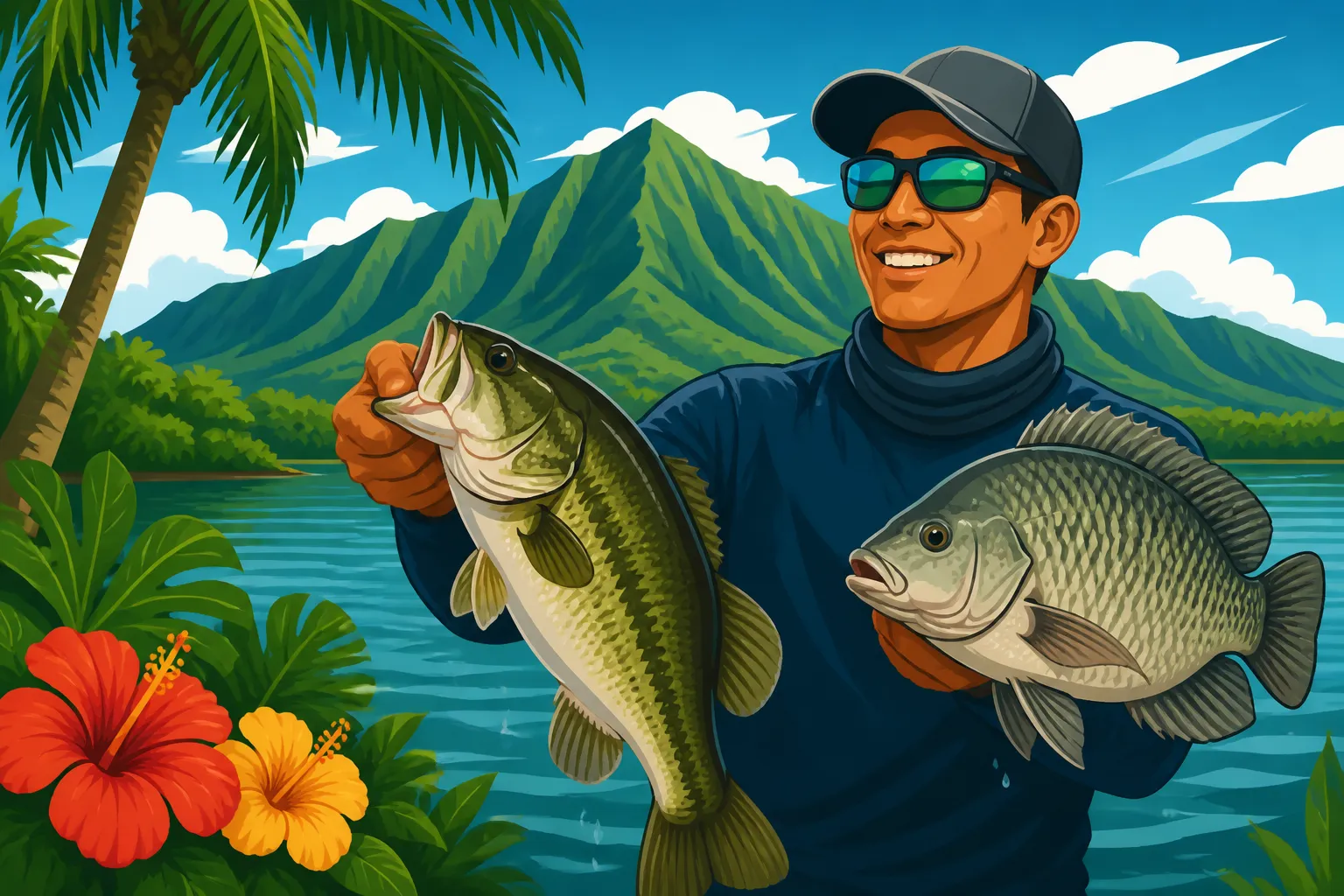
So, why specifically target bass and tilapia with a guide? For bass anglers, the draw is obvious: Hawaii's reservoirs are home to several species, including the popular largemouth bass and the aggressive peacock bass. These fish are known for their strong runs, aerial jumps, and pure fighting spirit. A good guide knows the patterns, the best lures, and the structure where these fish lurk. They understand how the weather, water levels, and time of day affect the bite, which is crucial for success. You can spend days trying to figure this out yourself, or you can tap into decades of local expertise.
Tilapia, on the other hand, offer a different kind of fun. While not always as large as a trophy bass, they are incredibly numerous and provide constant action, making them perfect for beginners, kids, or anyone who just wants to feel a tug on the line consistently. Plus, many species of tilapia are excellent table fare! A guide can help you locate the biggest schools and teach you effective techniques for catching them, whether you're fly fishing for them or using more traditional bait and lure methods. The abundance of tilapia means that even on a slow bass day, you're almost guaranteed to catch fish, ensuring a fun and engaging trip for everyone. Moreover, understanding their habits is key; you can delve deeper into Tilapia in Hawaii's Freshwater Reservoirs to learn more about where these fish reside.
What Makes a Great Freshwater Guide in Hawaii?
Finding the "best" guide isn't just about who promises the most fish. It's about finding someone who enhances your entire experience, teaching you along the way and making sure you have a safe and memorable time. This is especially true in Hawaii's unique freshwater environment.
Local Knowledge and Experience: Navigating the Reservoirs
The absolute cornerstone of a great freshwater guide in Hawaii is their intimate, deep-seated knowledge of the local reservoirs. These aren't vast, interconnected lake systems; they are individual bodies of water, each with its own quirks, depths, submerged structures, and prevailing conditions. A truly exceptional guide will have spent countless hours on waters like Wahiawa Reservoir Fishing Guide or Nuuanu Reservoir Fishing Guide, understanding seasonal fish movements, preferred habitats, and even subtle changes in water temperature or clarity that influence the bite.
They'll know where the Peacock Bass in Wahiawa Reservoir are hiding during different times of the year, or how the largemouth bass react after a big rain. This isn't information you can just look up in a book; it's earned through years of trial and error, observing and adapting. They can instantly read the water, identify promising coves or drop-offs, and navigate safely around submerged hazards. For instance, knowing the subtle currents near an inlet or the exact depth where tilapia congregate can be the difference between a sparse catch and a boat full of action. Their expertise isn't just about finding fish; it's about understanding the entire ecosystem they operate within, which is crucial for a productive day.
Gear and Techniques: Specialized for Freshwater
While many Hawaii fishing charters focus on heavy tackle for offshore behemoths, a dedicated freshwater guide will have specialized gear perfectly suited for bass and tilapia. This means lighter rods and reels, appropriate line weights, and a tackle box stocked with a wide array of lures, baits, and terminal tackle that are proven performers in Hawaii's reservoirs. They'll have everything from topwater frogs for aggressive peacock bass to small jigs and live bait setups for tilapia.
Furthermore, a great guide isn't just equipped; they're skilled in a variety of techniques. They can teach you how to properly cast a spinnerbait, work a jerkbait, or even effectively fish live bait under a bobber. They understand that different conditions and fish moods require different approaches. For example, they might employ techniques like drop-shotting for reluctant bass in deeper water, or fly fishing specific patterns for tilapia on the flats. Their boat will also be set up for freshwater success, likely smaller and more maneuverable than an offshore vessel, often equipped with a trolling motor for silent approach and advanced sonar to pinpoint structure and fish. This tailored approach ensures you're always using the most effective methods, maximizing your chances of success. You can learn more about specific tactics by checking out articles like Best techniques for largemouth bass in Wahiawa Reservoir.
Teaching and Hospitality: Beyond Just Catching Fish
Beyond just putting you on fish, the best freshwater guides are excellent communicators and patient teachers. They understand that not everyone is an experienced angler, and they're genuinely happy to share their knowledge. Whether you're a seasoned pro looking to refine your technique for Peacock Bass in Wahiawa Reservoir or a complete beginner just learning to cast, they'll offer helpful tips and guidance without making you feel inadequate. They'll explain why they're using a certain lure or fishing a particular spot, turning your trip into a valuable learning experience.
Hospitality is another key factor. A great guide will be friendly, engaging, and genuinely committed to making your day enjoyable, regardless of the fishing action. They'll often provide water, snacks, and perhaps even lunch, ensuring you're comfortable throughout the trip. They prioritize safety, keeping a close eye on weather conditions and ensuring all necessary safety equipment is onboard. Ultimately, you're not just hiring someone to drive a boat; you're hiring an experience, and the best guides are those who make you feel welcome, informed, and completely immersed in the joy of fishing.
Finding and Booking Your Ideal Freshwater Guide
Once you've decided a freshwater guide is for you, the next step is actually finding and booking one. While freshwater guides might not be as numerous as offshore charters, they are definitely out there, and with a little research, you can connect with the perfect match.
Online Platforms and Local Networks
One of the most efficient ways to find a reputable freshwater fishing guide in Hawaii is through online booking platforms. Websites like FishingBooker, for instance, specialize in connecting anglers with guides and charters worldwide, including those operating in Hawaii's freshwater reservoirs. You can often filter by location, target species (like bass or tilapia), and even specific trip types (half-day, full-day, beginner-friendly). These platforms typically feature detailed profiles for each guide, including photos, descriptions of their services, customer reviews, and pricing information, making it easy to compare options. Always read the reviews carefully; they'll often give you a good sense of the guide's personality, teaching style, and success rates.
Beyond online platforms, don't underestimate the power of local networks. If you're already on the island, visit local bait and tackle shops, especially those catering to freshwater anglers. Shop owners and staff are often invaluable sources of information, knowing the best local guides by reputation. They might even have business cards or contact information readily available. Joining local Hawaii fishing forums or social media groups can also yield recommendations from experienced anglers who have first-hand experience with different guides. Sometimes, the most hidden gems are found through these community connections.
Key Questions to Ask Before Booking
Before you commit to a booking, it's wise to ask a few targeted questions to ensure the guide is a good fit for your expectations. This is especially important for freshwater, which has different nuances than ocean fishing.
- "What species do you primarily target, and what's your typical success rate for bass vs. tilapia?" This confirms their specialization and gives you realistic expectations. Some guides might be more focused on trophy bass, while others excel at providing constant action with tilapia.
- "What kind of boat do you use, and how many anglers can you accommodate comfortably?" Ensure the boat is appropriate for freshwater (smaller, maneuverable) and that there's enough space for your group.
- "What gear do you provide, and can I bring my own?" Most guides provide all necessary rods, reels, and tackle, but if you have a favorite bass setup, it's good to know if you can bring it.
- "What does the trip cost, and what's included (bait, lures, water, snacks, fish cleaning)?" Get a clear breakdown of costs to avoid surprises. Also ask about payment methods and deposit requirements.
- "What's your cancellation policy, especially for weather?" Hawaii's weather can be unpredictable, even inland. Understand the terms for rescheduling or refunds.
- "Do I need to obtain my own fishing license?" While many ocean charters cover a blanket license for passengers, freshwater rules often require individual licenses. This is a critical point; you'll absolutely need a freshwater license. For residents, you can get an idea of the Hawaii freshwater license cost for residents, and for visitors, check out Hawaii freshwater license cost for nonresidents or Hawaii 30-day tourist freshwater license cost. Don't forget to ask about What age requires a freshwater fishing license in Hawaii if you're bringing children.
Asking these questions helps you gauge the guide's professionalism and ensures there's mutual understanding, leading to a smoother, more enjoyable trip. When you use platforms like FishingBooker, many of these details are often listed upfront, but it never hurts to clarify directly with the captain.
Preparing for Your Hawaii Freshwater Fishing Adventure
So, you've booked your guide and you're excited for your freshwater bass and tilapia trip. Now comes the preparation! A little foresight can ensure your day on the water is as smooth and successful as possible.
Licensing and Regulations: Don't Forget the Basics
This is a big one and it often trips up visitors who assume all fishing is covered by charter fees. For freshwater fishing in Hawaii, you will need a valid Hawaii freshwater fishing license. This is not typically included in your guide's fee, so it's your responsibility to purchase one beforehand. You can find detailed information on Where and How to Buy a Hawaii Fishing License but typically, you can purchase them online through the Department of Land and Natural Resources (DLNR) or at authorized vendors across the islands. Make sure to buy the correct type of license for your residency status (resident, nonresident, or a short-term tourist license).
Beyond the license, it's also a good idea to familiarize yourself, at least broadly, with Hawaii's freshwater fishing regulations, including bag and size limits for specific species, especially if you plan on keeping your catch. Your guide will be an expert on these, but understanding them yourself shows respect for the local environment and ensures you're fishing responsibly. The Hawaii Bag and Size Limits by Species article can give you a starting point for common freshwater catches.
| Category | Resident Annual | Nonresident Annual | Nonresident 30-Day | Nonresident 7-Day |
|---|---|---|---|---|
| Eligibility | Hawaii residents only | All non-residents | All non-residents | All non-residents |
| Cost | Check DLNR for current figures | Check DLNR for current figures | Check DLNR for current figures | Check DLNR for current figures |
| Duration | One year from purchase | One year from purchase | 30 consecutive days | 7 consecutive days |
| Primary Use | Regular freshwater angling | Regular freshwater angling | Short-term visitor fishing | Short-term visitor fishing |
| Requirement | Mandatory for ages 10+ (for certain species) | Mandatory for ages 10+ (for certain species) | Mandatory for ages 10+ (for certain species) | Mandatory for ages 10+ (for certain species) |
Note: Always verify current pricing and regulations directly with the Hawaii DLNR as these can change.
What to Bring: Essential Gear for Your Trip
While your guide will provide all the necessary fishing tackle, there are a few personal items you should definitely bring to ensure your comfort and safety during your freshwater adventure:
- Sun Protection: Hawaii's sun is intense, even in the cooler, inland areas. Bring a wide-brimmed hat, polarized sunglasses (crucial for spotting fish in clear water!), and plenty of reef-safe sunscreen. Long-sleeved, lightweight shirts are also a great idea.
- Appropriate Clothing: Dress in layers. Mornings can be cool, especially at higher elevations, but the day will warm up quickly. Quick-drying fabrics are always a good choice.
- Rain Gear: Hawaiian weather can turn on a dime, with sudden showers common. A lightweight, packable rain jacket can be a lifesaver.
- Footwear: Wear comfortable, non-slip shoes that can get wet. You might be walking on damp ground or stepping in and out of the boat.
- Snacks and Drinks (if not provided): While some guides offer these, it's always smart to have your favorites on hand. Stay hydrated!
- Camera: You'll want to capture those beautiful reservoir views and your triumphant catches. Just make sure it's protected from water.
- Motion Sickness Medication: While freshwater is generally much calmer than the ocean, some people are sensitive to any boat motion. If you're unsure, it's better to be prepared.
- Small Cooler: If you plan on keeping fish for dinner, ask your guide if they have space in their cooler or if you should bring a small one for your cleaned catch.
Communicate with your guide beforehand about anything specific they recommend bringing or not bringing. They're the local expert and their advice will be tailored to the conditions of your trip. With your license in hand and the right gear, you're all set to enjoy a fantastic day exploring Hawaii's often-hidden freshwater fishing gems!
Disclaimer
This article is for general informational purposes only and does not constitute professional advice. Laws, prices and regulations vary by location and change over time. Consult a qualified professional for guidance on your specific situation.