Best charters for a group of two anglers
It's a common dilemma for fishing duos heading to Hawaii: you want that incredible, personalized offshore or inshore experience, but you're not a full party of six, and the thought of either paying for an entire private boat or feeling like odd ducks on a crowded shared trip can be daunting. Finding the sweet spot for just two anglers that balances cost, comfort, and a productive day on the water can feel like a riddle wrapped in an enigma. This guide is here to unravel that mystery, helping you navigate the charter scene and pinpoint the best options for your two-person fishing adventure in paradise.
Why a Specific Charter Approach Benefits Two Anglers
When you're a pair, you're in a unique position. You're not a solo angler looking to jump on any open spot, nor are you a large group that automatically fills a boat. This means you have specific considerations that can greatly enhance or detract from your fishing experience.
Maximizing Rod Time and Personalized Attention
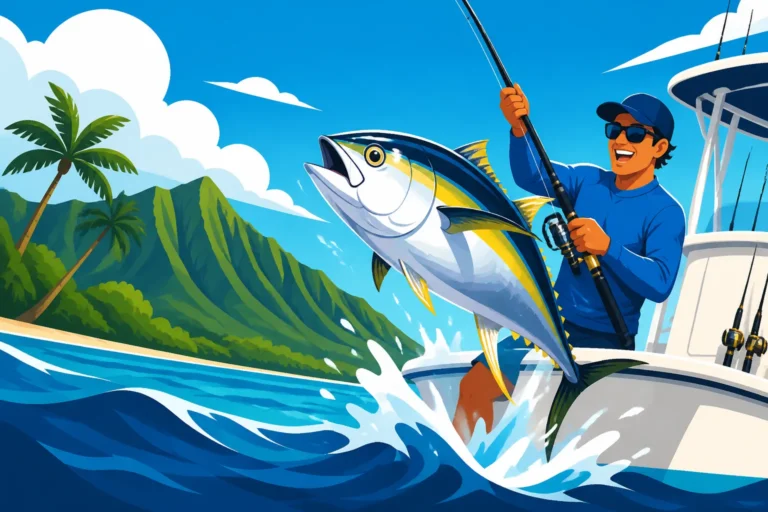
One of the biggest advantages for a duo is the potential for more one-on-one time with the captain and crew. On a larger, shared charter with many anglers, you might find yourselves waiting longer for a turn with the rod, or receiving less individualized coaching. For a pair, especially if one or both of you are less experienced or want to learn a specific technique, having that dedicated attention is invaluable. Imagine the crew spending extra time explaining the nuances of How to Catch Ahi in Hawaii or perfecting your technique for Bottomfishing in Hawaii. This focused instruction can transform a good fishing trip into an unforgettable learning experience.
Balancing Cost and Exclusivity
Let's be real, charter fishing in Hawaii can be an investment. For a full private charter, the cost is typically fixed whether there are two people or six. This can feel steep when you're splitting it only two ways. On the flip side, some shared charters pack in as many people as possible, which might save money but could lead to cramped conditions, tangled lines, and less space to really enjoy the ocean. The challenge for two anglers is finding that middle ground: a trip that feels special and provides ample space and opportunity, without requiring you to pay for empty seats. It's about getting the most bang for your buck while still having a truly Hawaiian experience.
Types of Charters Best Suited for Duos
While many charter operations cater to all sizes of groups, some are inherently better designed for just two anglers. Understanding these options will help you make an informed decision.
Shared Charters with Smaller Group Sizes
Not all shared charters are created equal. Many boats, especially larger sportfishing vessels, might take up to six passengers on a shared trip. While you save money, it can indeed feel crowded. However, there are charters that intentionally limit their shared trips to fewer anglers, sometimes just four. This immediately gives you more space, more rod time, and a less chaotic environment. When researching, always ask about the maximum number of passengers on a "shared" or "walk-on" trip. If a boat only takes two or three other people, your experience as a duo will be significantly more enjoyable than on a boat packed with six. These kinds of options are often available out of popular ports like Honokohau Harbor on the Big Island or Maalaea Harbor in Maui.
Private Charters on Smaller Vessels
If you're willing to stretch your budget a bit for complete exclusivity, but don't need a massive sportfisher, consider a private charter on a smaller vessel. These might be center console boats, smaller offshore boats, or even certain inshore skiffs designed for two to four passengers. The per-trip cost for these smaller private boats can be considerably less than a large offshore battlewagon, making a private experience more attainable for just two. You get the benefit of tailoring the trip entirely to your preferences – whether you want to specifically target Ulua (Giant Trevally) Fishing in Hawaii with heavy tackle, spend the day whipping for papio (giant trevally) on Hawaii's shoreline, or focus on specific reef species. Plus, the intimacy of a smaller boat often means more interaction and shared stories with your captain.
Specialty Charters: Fly Fishing or Light Tackle Guides
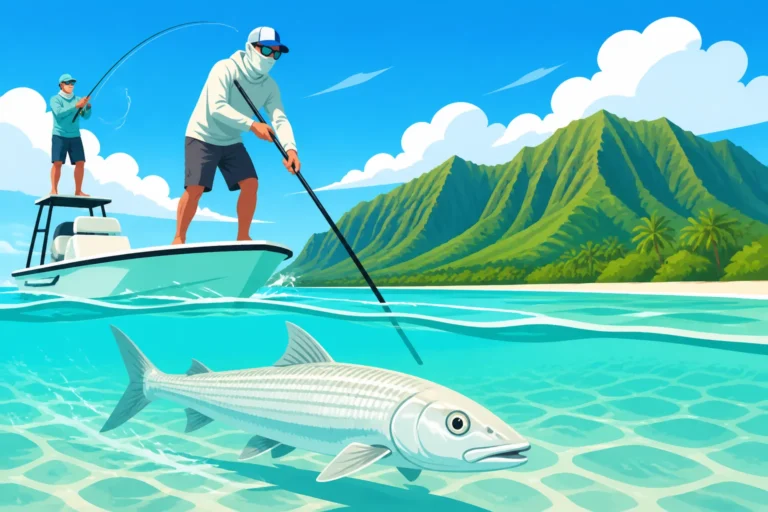
For the angler looking for a very specific experience, specialty charters are fantastic for duos. This includes dedicated fly fishing guides who often run smaller skiffs or bay boats perfect for two anglers to chase bonefish on the flats. Similarly, light tackle guides focusing on casting for papio, barracuda, or other inshore species often operate smaller vessels. These trips are typically highly customized and instructional, making them perfect for a pair who wants to hone specific skills or target particular species with finesse tackle. These guides are usually experts in Best Bonefishing Techniques for Oahu Flats or whipping techniques for papio, offering an unparalleled learning experience.
Key Factors When Booking for Just Two Anglers
Booking a fishing charter requires more than just picking a date. When you're a duo, there are specific factors you should weigh to ensure you land the perfect trip.
Budget Considerations and Value for Money
As discussed, the budget is often the primary concern for two anglers. While shared charters are almost always cheaper per person, assess what that cost truly gets you. Is it a crowded boat with limited rod time, or a more intimate shared experience? For private charters, compare the rates of smaller boats versus larger ones. Sometimes, paying a bit more for a private trip on a smaller vessel can offer better value if the alternative is a less satisfying crowded shared experience. Don't be afraid to ask if charters offer "couples packages" or slight discounts for parties of two filling a boat that could technically hold more but rarely does. Remember to factor in potential costs like Tipping Etiquette for Hawaii Fishing Charters and fish cleaning services.
Desired Fishing Experience and Target Species
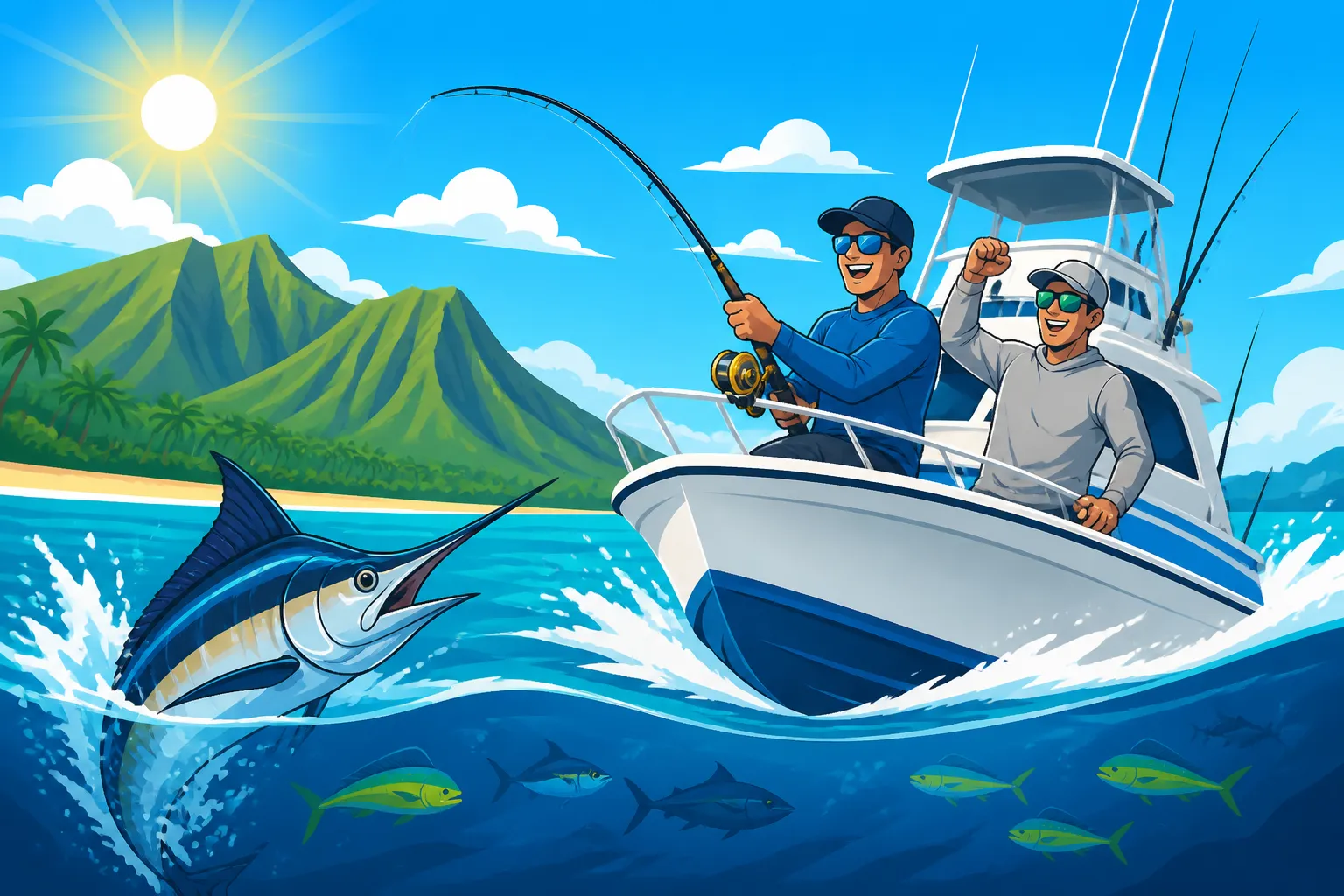
Before you even start looking at boats, sit down with your fishing partner and decide what kind of experience you're truly after. Do you dream of battling a massive marlin offshore, or would you prefer the thrill of sight-casting for bonefish on the flats? Are you hoping to catch dinner, or is catch-and-release your priority? Your target species will heavily influence the type of boat and captain you need. For instance, a dedicated marlin charter off Kona might be overkill if you're primarily interested in light tackle reef fishing near shore. Conversely, an inshore guide won't take you to the offshore FADs for ahi. Be specific in your desires; it helps the charter operator match you with the right boat and trip.
Half-Day vs. Full-Day Charters
For two anglers, especially if one is new to offshore fishing or prone to seasickness, a half-day trip can be a fantastic compromise. It's often less expensive, shorter in duration, and still provides ample opportunity to hook into exciting fish. Many boats offer half-day trips, and they can be particularly good for targeting species that are found closer to shore or for a quick trolling session for mahimahi or ono. If you're seasoned anglers with a specific target in mind, a full-day trip usually offers more time to travel to prime fishing grounds and allows for more varied techniques. It also increases your chances of encountering multiple species or hitting that trophy fish. Consider your stamina, experience level, and how much time you truly want to spend on the water when making this choice. You can find more details in Best Half-Day Fishing Charters in Hawaii.
Here's a quick comparison of charter types for two anglers:
| Feature | Shared Charter (Standard) | Shared Charter (Limited Numbers) | Private Charter (Small Vessel) | Private Charter (Large Vessel) |
|---|---|---|---|---|
| Pros for Duo | Lowest per-person cost | More space, better rod time, good value | Exclusive, customized, intimate | Exclusive, highly customized, luxurious |
| Cons for Duo | Can be crowded, less personalized | Still shared, less customization | Higher cost than shared, smaller boat | Highest cost, more boat than needed |
| Personalization | Low | Medium | High | Very High |
| Rod Time | Potentially limited | Good | Excellent | Excellent |
| Typical Cost | Varies, generally lowest | Moderate | Moderate to High | Highest |
| Recommended For | Budget-conscious, social anglers | Balance of cost and experience | Desire for exclusivity on budget | No budget limit, ultimate experience |
Researching and Booking Your Charter
Once you have an idea of what you're looking for, it's time to do your homework. Online platforms like FishingBooker are incredibly useful for finding charters in Hawaii. You can often filter by location (e.g., Best Charters Out of Honolulu), boat type, target species, and even see reviews from past customers. Pay close attention to reviews that mention group sizes or how the crew interacted with smaller parties. Don't hesitate to call the charter directly with specific questions about their approach to two-person bookings. Ask about the typical number of anglers on shared trips, what gear is provided, and what the What to Expect on a Hawaii Fishing Charter entails. Transparency upfront prevents disappointment later.
Making the Most of Your Two-Person Charter Experience
Booking the right charter is only half the battle. To truly maximize your time on the water as a duo, a little preparation and communication go a long way.
Communicate Your Expectations Clearly
This is perhaps the most crucial tip for any charter, but especially for a pair. Before you even step on the boat, communicate clearly with the captain about your goals for the day. Are you experienced anglers looking for a challenge, or beginners hoping to just catch a few fish for dinner? Do you want to try a specific technique, or are you open to whatever the captain recommends? For example, if you're hoping to land a Hawaii state record ahi weight, make sure that's a goal the captain understands and believes is realistic given the conditions. If one of you is prone to seasickness, mention it – the crew can often offer tips or suggest smoother waters if possible. The more information you provide, the better the crew can tailor the trip to your preferences.
Be Prepared for the Conditions
Hawaii's waters can be unpredictable, even on a beautiful day. Being prepared means you can focus on fishing, not discomfort. Even for a half-day trip, pack essentials like sunscreen, a hat, sunglasses, and plenty of water. If you're going offshore, a light long-sleeved shirt can protect you from the sun, and a light rain jacket might be useful for unexpected squalls. Comfortable, non-slip shoes are a must. If you're concerned about seasickness, take preventative measures well before the trip. Being prepared helps you stay comfortable and alert, ready to reel in that next big catch. For a more comprehensive list, check out What to Bring on a Hawaii Fishing Charter.
Embrace Flexibility and Enjoy the Journey
While it's important to communicate your expectations, it's equally important to remain flexible. Fishing, by its very nature, is unpredictable. The fish might not be biting exactly where you hoped, or the weather might shift. A good captain will always work hard to put you on fish, but sometimes, the best laid plans change. Embrace the adventure, enjoy the stunning Hawaiian scenery, and appreciate the opportunity to be out on the water. Even if you don't land a trophy, a day spent with a good fishing partner on the Pacific is a day well spent. The conversations, the shared moments, and the beauty of the ocean are often just as memorable as the fish you catch. You'll learn so much from the crew about local species, the ocean, and the best fishing spots in Hawaii.
Disclaimer
This article is for general informational purposes only and does not constitute professional advice. Laws, prices and regulations vary by location and change over time. Consult a qualified professional for guidance on your specific situation.