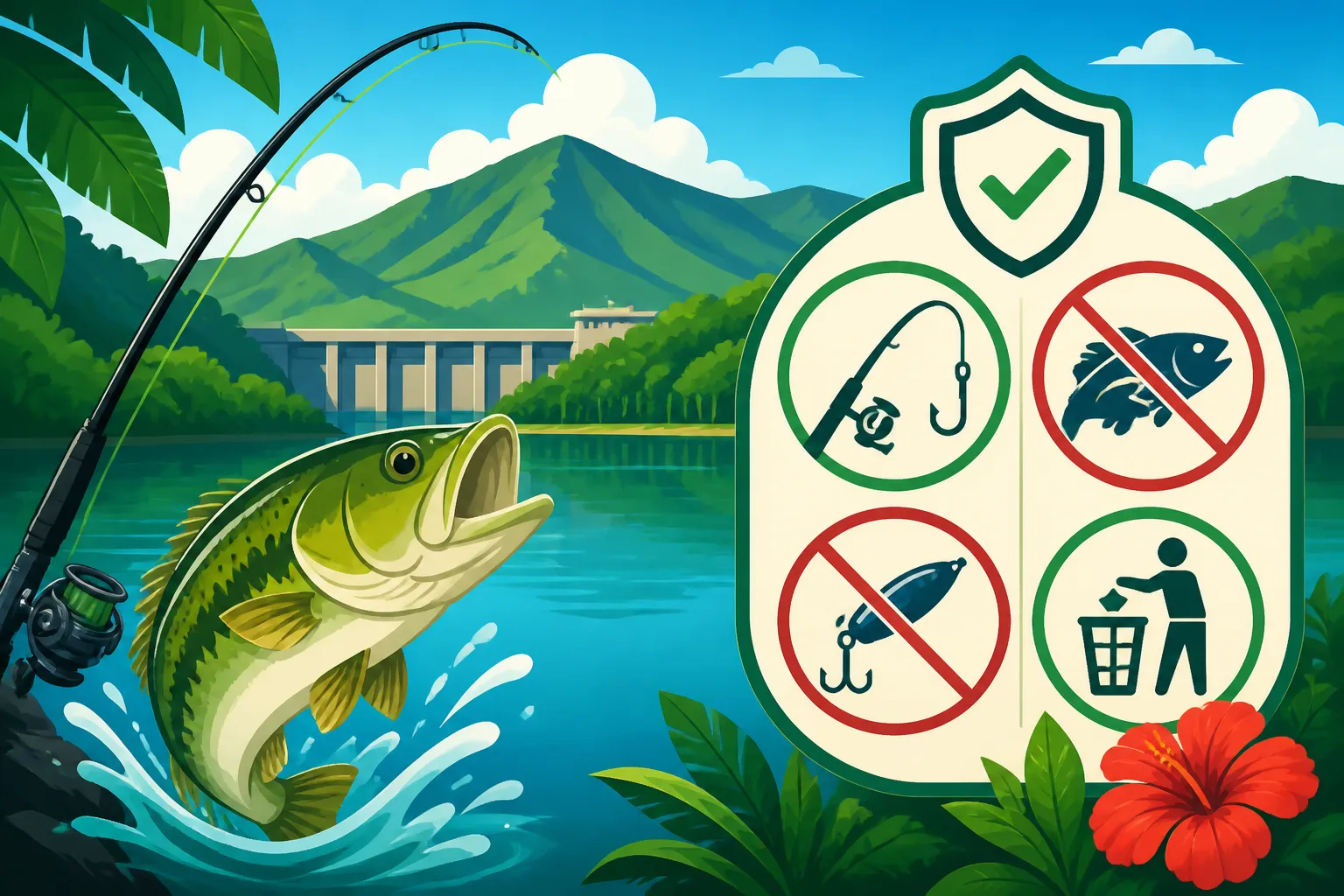
Hawaii Wahiawa Reservoir Fishing Rules
It's completely understandable to feel a bit overwhelmed when trying to figure out the rules for fishing a specific spot like Wahiawa Reservoir here in Hawaii. Unlike the vast ocean where many residents are exempt from a license, freshwater fishing spots, especially those managed for public recreation, come with their own unique set of regulations designed to protect these precious resources. This guide is here to untangle all that for you, providing clear, actionable information so you can enjoy a hassle-free and legal day out on the water.
Understanding Wahiawa Reservoir's Unique Status
Wahiawa Reservoir, often affectionately referred to by locals as Lake Wilson, isn't just another body of water. It holds a special place in Hawaii's freshwater fishing landscape, primarily because it's one of the few places anglers can consistently target trophy freshwater species. But with that unique status comes a distinct set of rules that you absolutely need to understand before you even think about casting a line.
A Brief History and Purpose of Wahiawa Reservoir
Picture this: it’s the early 1900s, and the burgeoning pineapple plantations, particularly the Dole Food Company, needed a reliable water source for irrigation. That's how Wahiawa Reservoir came to be, an artificial lake carved out of the landscape to support the agricultural boom on Oahu. For decades, it served its primary purpose, quietly sustaining pineapple fields. However, over time, its potential as a recreational fishing haven became undeniable, especially after various freshwater game fish species were introduced, some intentionally and some, well, not so intentionally.
Today, while still managed in part by Dole, the Hawaii Division of Aquatic Resources (DAR) within the Department of Land and Natural Resources (DLNR) plays a crucial role in overseeing its aquatic health and recreational use. This collaboration means that accessing and fishing the reservoir involves navigating both private land considerations and public resource management goals. It's a prime example of how land history shapes our angling opportunities.
Why Wahiawa Reservoir Has Special Regulations
Unlike the vast majority of our coastal waters, where Hawaii residents traditionally don't need a license to fish recreationally, freshwater bodies like Wahiawa Reservoir are a different story entirely. The primary reason for these special regulations boils down to resource management. Freshwater fisheries in Hawaii are limited; we don't have endless rivers or lakes teeming with fish. Wahiawa Reservoir is a contained ecosystem that requires careful monitoring and regulation to ensure sustainable fishing for everyone.
The DLNR's Division of Aquatic Resources actively manages the reservoir's fish populations, including stocking certain species and conducting surveys to assess health and numbers. This management requires funding, which fishing licenses help provide. Furthermore, because the reservoir serves multiple purposes, including being a water source and existing on property with private ownership components, rules are in place to ensure public safety, prevent pollution, and respect property boundaries. Ignoring these rules isn't just a minor infraction; it can lead to significant penalties and threaten the future of fishing access at this cherished spot.
Essential Licensing Requirements for Wahiawa
Alright, let's get down to brass tacks: the license. This is often where confusion sets in, especially if you're used to the general ocean fishing exemptions in Hawaii. But for Wahiawa Reservoir, a valid freshwater fishing license is non-negotiable for most anglers.
Who Needs a Freshwater Fishing License
If you're planning to fish in Wahiawa Reservoir, or any other public freshwater area in Hawaii, and you are 18 years of age or older, you absolutely need a freshwater fishing license. This applies to both residents and non-residents alike. It's a common misconception that because you live here, you're automatically exempt, but that only applies to most marine recreational fishing for residents. When you step into the freshwater realm, the rules shift.
There are, however, a few specific exemptions. Anglers under the age of 18 are generally not required to hold their own license, but they must still abide by all other fishing regulations, including bag and size limits. Also, if you’re fishing as part of a permitted scientific or educational program, or if you hold a specific commercial freshwater aquaculture license, different rules might apply. But for the vast majority of recreational anglers heading to Wahiawa, getting that license is step one. For a more detailed look at who needs one, check out our guide on Hawaii Freshwater License Age Requirements.
Types of Freshwater Licenses Available and Costs
The DLNR offers a few different options for freshwater fishing licenses, catering to both residents and visitors, and varying in duration. Understanding these can help you choose the most economical and appropriate option for your trip to Wahiawa.
- Resident Annual Freshwater Fishing License: This is the most popular choice for Hawaii residents who plan to fish freshwater regularly. It's valid for a full calendar year from the date of purchase. As of my last check, the cost for residents is quite reasonable, typically around $5. This makes it an incredibly affordable way to enjoy year-round freshwater angling. For more details on the specific cost, you can refer to Hawaii freshwater license cost for residents.
- Non-Resident Annual Freshwater Fishing License: For visitors who plan an extended stay or frequent trips to Hawaii's freshwater spots, an annual non-resident license is available. This license also covers a full calendar year. The cost for non-residents is higher than for residents, usually around $20. You can find more information about this at Hawaii freshwater license cost for nonresidents.
- Non-Resident 30-Day Freshwater Tourist License: If you're visiting for a month or less and want to hit Wahiawa, this is a convenient option. It's valid for 30 consecutive days. The cost hovers around $10. For specific pricing, check out Hawaii 30-day tourist freshwater license cost.
- Non-Resident 7-Day Freshwater Tourist License: For shorter trips, a 7-day license is ideal. It’s valid for seven consecutive days from the date of purchase and is generally the cheapest option for visitors at about $5.
It’s important to remember that these costs are subject to change, so always verify the latest fees with the DLNR's Division of Aquatic Resources before purchasing.
Where and How to Purchase Your License
Gone are the days when you had to track down a specific government office or tackle shop to get your license. The Hawaii DLNR has made it quite convenient to acquire your freshwater fishing license, whether you prefer the digital route or a physical copy.
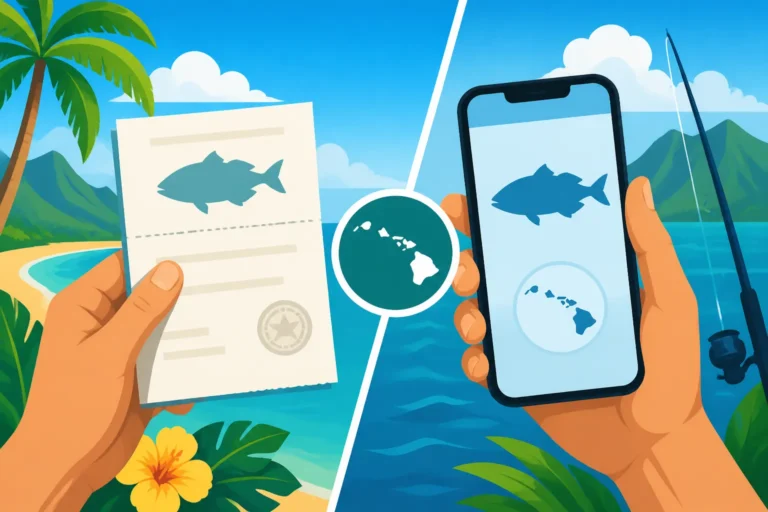
The easiest way for many is to purchase their license online through the DLNR's Division of Aquatic Resources website. This allows you to complete the transaction from the comfort of your home, print your license immediately, or save it digitally to your smartphone. Having a digital copy is incredibly convenient, especially if you're prone to misplacing paper documents. You might even consider a waterproof license holder available on Amazon to keep your digital copy protected on your phone, or your printed copy safe from splashes. This online portal provides a step-by-step process and is usually the quickest way to get legal before your trip. For detailed instructions, see our article on How to Buy a Hawaii Fishing License Online.
Alternatively, you can purchase licenses in person at various authorized license agents across the islands. These often include local sporting goods stores, tackle shops, and some general merchandise stores. A quick call to your local fishing store in Wahiawa or nearby communities like Mililani or Waipahu can confirm if they are a licensed vendor. Lastly, you can also purchase licenses directly from DLNR offices during business hours, though this is often less convenient than the online option. Always make sure to carry proof of your license, whether digital or physical, whenever you are fishing at Wahiawa Reservoir. For general licensing information, our Hawaii Fishing License Guide for 2026 is a fantastic resource.
Specific Fishing Regulations and Limitations at Wahiawa
Now that your license is sorted, let's dive into the nitty-gritty of the actual fishing rules at Wahiawa Reservoir. These regulations are designed not just for sustainability but also for public safety and to ensure a fair and enjoyable experience for all anglers.
Permitted Fishing Methods and Gear
Wahiawa Reservoir is primarily a rod-and-reel fishery. This means you'll be using conventional fishing tackle – spinning rods, baitcasting setups, or even fly fishing gear are all perfectly acceptable. However, there are strict limits on how you can employ this gear:
- Number of Lines: Each licensed angler is generally limited to using two fishing lines simultaneously. This prevents individuals from monopolizing the water and allows for equitable access. Make sure your lines are attended to; leaving them unattended could result in a citation.
- Hook Limits: While there isn't a strict "one hook per line" rule, the use of multiple-hook rigs is typically regulated. Always check the latest DLNR regulations, but generally, the intent is recreational angling, not commercial-scale harvesting.
- Prohibited Methods: This is crucial. Net fishing (gill nets, throw nets, scoop nets, etc.), spearfishing, trotlines, traps, and snagging are strictly prohibited within Wahiawa Reservoir. The goal is to promote sport fishing and protect the fish populations from overharvesting by methods that could indiscriminately remove large numbers of fish. Explosives or poisons are, of course, absolutely forbidden and carry severe penalties.
Adhering to these rules helps maintain the integrity of the fishery and ensures that Wahiawa remains a vibrant spot for generations of anglers.
Species-Specific Bag and Size Limits
This is where planning your catch comes into play. Wahiawa Reservoir is home to several popular freshwater game fish, and each has its own set of rules regarding how many you can keep and what size they need to be. These limits are critical for managing the fish populations and promoting healthy breeding.
Here’s a general overview of the primary target species and their typical regulations. Always double-check the latest DLNR regulations as these can change.
| Species | Minimum Size Limit | Daily Bag Limit | Notes |
|---|---|---|---|
| Peacock Bass | 9 inches | 10 fish | Highly prized sportfish, known for aggressive strikes. Excellent table fare. |
| Largemouth Bass | 9 inches | 10 fish | Another popular game fish. |
| Tilapia | No limit | No limit | Considered an invasive species; anglers are encouraged to remove as many as possible. Great bait for ulua if you head to the ocean! |
| Channel Catfish | 16 inches | 5 fish | Found predominantly in deeper, muddier sections of the reservoir. |
| Oscar | No limit | No limit | An introduced species, often caught incidentally. |
| Mexican Poecilia | No limit | No limit | Small, livebearer fish, also introduced. |
Note: These limits are for recreational fishing. Commercial operations have different licensing and regulations.
For Peacock Bass and Largemouth Bass, the minimum size limit is 9 inches, and the daily bag limit is 10 fish total for both species combined. This means you can keep 10 bass, whether they are all peacock bass, all largemouth, or a mix, as long as each one meets the 9-inch minimum. Tilapia, on the other hand, are an invasive species, and there are no bag or size limits on them; anglers are actively encouraged to remove them from the system. Channel Catfish have a minimum size of 16 inches and a bag limit of 5 fish. These rules ensure that enough fish remain to reproduce and keep the fishery healthy. Any fish that doesn't meet the size requirement must be immediately released unharmed.
Restricted Areas and Access Points
Wahiawa Reservoir is a large body of water, but not all of its shoreline or surrounding areas are open to the public for fishing. Respecting private property and designated restricted zones is paramount.
The main public access point is usually near the boat launch managed by the DLNR. This area often provides shoreline access for fishing, a boat ramp, and parking. However, much of the reservoir's shoreline is privately owned, primarily by Dole Food Company. It is absolutely critical to look for "No Trespassing" signs or fenced-off areas. Anglers found trespassing on private property can face legal consequences.
Always stay within clearly marked public access areas. Maps indicating public fishing areas are sometimes available from the DLNR or local tackle shops. Pay close attention to signage around the reservoir, as it will clearly delineate where you can and cannot go. There may also be specific areas around spillways or dam structures that are restricted for safety reasons. It's not just about avoiding a fine; it's about respecting the land and ensuring continued access for everyone who enjoys this unique fishing spot.
Boating and Other Activities on Wahiawa Reservoir
For many, fishing Wahiawa Reservoir means getting out on the water. However, unlike ocean boating, there are specific regulations governing what kind of watercraft you can use and how you operate them to protect the reservoir's environment and ensure everyone's safety.
Permitted and Prohibited Watercraft
When it comes to getting on the water at Wahiawa, there’s a distinct preference for quieter, less impactful vessels. Generally, gasoline-powered motors are strictly prohibited on the reservoir. This rule is in place to prevent water pollution from fuel and oil, which could harm the delicate freshwater ecosystem and impact the quality of water that might be used for irrigation.
So, what can you use?
- Electric Motors: These are perfectly fine! Many anglers use small jon boats, aluminum skiffs, or larger bass boats powered by electric trolling motors.
- Non-Motorized Watercraft: Kayaks, canoes, stand-up paddleboards, and float tubes are all excellent options for navigating Wahiawa's waters. They allow for silent approaches to prime fishing spots and a great workout to boot.
Always ensure your watercraft is in good working order and carries the necessary safety equipment. Using a prohibited gasoline motor can lead to immediate removal from the reservoir and potential fines.
Essential Boating Safety Requirements
Safety on the water is always paramount, and Wahiawa Reservoir is no exception. Even though it's a calm freshwater environment, standard boating safety rules apply and are enforced by the DLNR and other agencies.
- Life Jackets (PFDs): Every person on board any vessel must have a Coast Guard-approved personal flotation device (PFD) that is readily accessible. For children under 12 years of age, wearing a PFD at all times while underway is typically mandatory. It’s always a good idea to wear your PFD, regardless of age, especially if you're in a kayak or canoe. Our article on Life Jacket Requirements for Hawaii Boaters provides more detailed information.
- Sound-Producing Devices: Depending on the size of your vessel, you might be required to carry a whistle, horn, or other sound-producing device to signal other boaters or alert for help.
- Navigation Lights: If you plan to be on the water from sunset to sunrise, your vessel must display appropriate navigation lights. This is crucial for visibility, especially if you're staying out for a night fishing session or heading out before dawn.
- Fire Extinguisher: While less common for purely electric-powered boats, any vessel with an engine (even electric, if it has a battery compartment that could be sealed or enclosed in a way that traps fumes) or fuel tanks might be required to carry a fire extinguisher. Always check the specific requirements based on your boat's configuration.
Always perform a pre-trip safety check on your vessel and equipment. A safe day on the water is a good day on the water.
Other Activities and Environmental Stewardship
Wahiawa Reservoir is a cherished natural resource, and it’s up to all of us to treat it with respect. Beyond fishing and boating, there are strict guidelines on other activities to protect the environment and ensure harmonious use.
- No Swimming: Swimming is generally prohibited in Wahiawa Reservoir. This is for public safety (due to submerged hazards and boat traffic) and to maintain water quality.
- Trash and Litter: Whatever you bring in, you must take out. This includes fishing line, bait containers, food wrappers, and anything else. Leaving trash behind pollutes the water and shoreline, harms wildlife, and can lead to closure of public access. Consider bringing a small trash bag with you, or even a specialized fishing trash receptacle from Amazon that clips to your boat or tackle box, ensuring nothing blows away.
- Catch and Release: While there are bag limits for certain species, many anglers choose to practice catch-and-release, especially for the larger, trophy-sized Peacock Bass or Largemouth Bass. If you do release fish, handle them gently with wet hands, minimize their time out of the water, and ensure they swim away strongly. This helps conserve the fishery for future enjoyment.
- Protecting Vegetation: Be mindful of the reservoir's shoreline vegetation. Avoid trampling plants or disturbing nesting birds. These areas provide crucial habitat for baitfish and other wildlife that contribute to the reservoir's health.
By practicing good environmental stewardship, we can all contribute to keeping Wahiawa Reservoir a fantastic fishing destination for years to come.
Best Practices for a Successful Wahiawa Fishing Trip
Getting your license and knowing the rules are just the beginning! To truly maximize your time at Wahiawa Reservoir, it helps to be prepared with the right gear, understand the optimal conditions, and pick up a few local tips.
Recommended Gear and Bait for Wahiawa Species
The fish in Wahiawa Reservoir have distinct preferences, and having the right tackle can make all the difference between a slow day and a banner one.
- For Peacock Bass & Largemouth Bass: These aggressive predators love a variety of lures.
- Topwater Lures: Think poppers, walk-the-dog baits, and buzzbaits, especially effective during dawn and dusk. The explosive strikes on topwater are truly exhilarating. You can find a fantastic selection of these on Amazon with diverse colors and sizes.
- Crankbaits & Jerkbaits: Medium-diving crankbaits that mimic baitfish or jerkbaits worked with a twitch-pause retrieve can be deadly when bass are holding a bit deeper.
- Soft Plastics: Senkos, swimbaits, and creature baits rigged Texas-style or on a jig head are always reliable, especially when the bite is tough. Green pumpkin, black and blue, or watermelon seed are popular colors.
- Spinners & Jigs: Spinnerbaits and chatterbaits are excellent for covering water and triggering reaction strikes, while jigs with soft plastic trailers can be worked slowly around structure.
- For Tilapia: While often caught incidentally, if you're specifically targeting them (remember, no limits!), small pieces of bread, corn, or tiny worms on a small hook under a bobber work wonders. They're not picky!
- For Channel Catfish: These bottom dwellers prefer natural baits. Cut bait (pieces of tilapia or other fish), nightcrawlers, chicken liver, or even stink baits fished on the bottom with a weight are effective.
A medium-action spinning or baitcasting rod, spooled with 10-20 lb monofilament or fluorocarbon line, is a versatile setup for most of Wahiawa's species. Having a robust leader, especially for the toothy peacock bass, can prevent heartbreaking break-offs.
Optimal Times and Conditions for Fishing
Just like ocean fishing, freshwater angling success at Wahiawa is often influenced by the clock and the weather.
- Time of Day: The golden hours, dawn and dusk, are almost universally the best times to fish Wahiawa Reservoir. This is when the bass are most active, feeding in shallower water before the sun gets too high or as it begins to set. Mid-day can be productive, especially in cooler, overcast conditions, but generally, the bite slows down significantly once the sun is directly overhead.
- Weather Conditions: Overcast days with a light breeze are often ideal. The reduced sunlight can keep fish active longer into the day, and the breeze can create a chop on the water that breaks up their vision, making them less wary of your presentation. Conversely, bright, sunny, calm days can make the fish more lethargic and harder to catch, often retreating to deeper, shadier areas.
- Seasonal Considerations: While Hawaii doesn't experience drastic seasonal changes like mainland climates, there are subtle shifts. The warmer months can sometimes make fish more active, but also drive them deeper during the hottest parts of the day. Cooler periods might see them shallower for longer. Pay attention to water temperature if you have a fish finder; this is a key indicator of fish activity. Generally, Wahiawa offers good fishing year-round, making it a reliable spot. For more insights on fishing stocked waters, check out Best time to fish a stocked reservoir.
Navigating Challenges and Local Tips
Every fishing spot has its quirks, and Wahiawa is no different. Being aware of potential challenges and knowing some local insights can make your trip much more enjoyable.
- Vegetation: Wahiawa Reservoir can have extensive submerged and emergent vegetation, especially in shallower coves and along the shorelines. This can be a blessing (as it provides excellent cover for fish) and a curse (as it snags lures and makes retrieval difficult). Learn to fish around it. Topwater lures, weedless soft plastics, and spinnerbaits that glide over grass are excellent choices.
- Crowds: Because it's one of the best freshwater spots, Wahiawa can get busy, particularly on weekends and holidays. If you prefer solitude, try to go on weekdays or get an early start. Respect other anglers' space and avoid crowding their fishing spots.
- Sun Protection: The Hawaii sun is no joke, even on overcast days. Bring a hat, sunglasses, long-sleeved sun shirts, and plenty of reef-safe sunscreen. Dehydration is a real risk, so bring ample water or other hydrating drinks.
- Footwear: If you plan on shore fishing, durable, comfortable footwear with good grip is essential. Some areas can be muddy or uneven.
- Fish Identification: Make sure you can correctly identify the fish you catch, especially regarding size and bag limits for different bass species. Misidentifying a fish could lead to keeping an undersized one or exceeding a limit, resulting in a fine.
- Patience and Persistence: Like all fishing, success at Wahiawa often comes down to patience and persistence. If one spot isn't working, move to another. Experiment with different lures and retrieve speeds. Talk to local anglers (respectfully, of course!) – they often have invaluable insights into what's biting and where.
By keeping these tips in mind, you're not just following the rules, you're setting yourself up for a truly rewarding experience at Hawaii's beloved Wahiawa Reservoir.
Disclaimer
Please remember that fishing regulations, including licensing requirements, bag limits, and permitted methods, can change. The information provided in this guide is intended for general informational purposes only and is based on publicly available data at the time of writing. It is the responsibility of every angler to consult the most current regulations published by the Hawaii Department of Land and Natural Resources (DLNR) Division of Aquatic Resources (DAR) before engaging in any fishing activities. Always adhere to local signage and directives from enforcement officers.