Hawaii uhu daily bag limit
It can be incredibly frustrating to head out for a day of fishing, excited about bringing home some delicious uhu, only to feel completely unsure about the specific rules that govern your catch. Hawaii's fishing regulations, especially for reef fish, can feel like a maze, and understanding the daily bag limit for uhu is crucial for both legal compliance and sustainable fishing. This guide is designed to cut through that confusion, giving you a clear, empathetic breakdown of everything you need to know about the uhu daily bag limit.
What Exactly is an Uhu? A Closer Look at Hawaii's Parrotfish
When we talk about uhu in Hawaii, we're referring to parrotfish, a vibrant and incredibly important group of reef fish. They're not just beautiful to look at; they play a vital role in the health of our coral reefs. Parrotfish are constantly munching on algae that grows on corals, acting like the reef's personal lawnmowers. Without them, algae can overgrow and smother the delicate corals. You'll see them in an amazing array of colors – blues, greens, yellows, and even bright oranges – making them one of the most recognizable fish on the reef.
Identifying Your Catch: Different Uhu Species
Here in Hawaii, "uhu" is a general term that encompasses several species of parrotfish. While many fall under the same general regulations, there's one particular species that often causes confusion due to its unique rules: the uhu ‘ahu’ula, or the Redlip Parrotfish. This species is highly prized and consequently has more stringent regulations.
Most uhu you'll encounter will be brightly colored, with distinct parrot-like beaks formed from fused teeth, which they use to scrape algae off rocks and coral. The uhu ‘ahu’ula, however, is often larger, typically sporting more subdued colors, often greenish-brown with reddish fins and lips. It’s critical to be able to tell the difference, especially when you’re out on the water, because the rules for the uhu ‘ahu’ula are much stricter than for other parrotfish species. If you’re unsure, it’s always best to err on the side of caution or release the fish, especially if it appears to be a ‘ahu’ula. For a deeper dive into identifying these stunning creatures, you might want to check out our guide on Uhu Species Identification Guide.
The Cultural Significance of Uhu
Beyond their ecological importance, uhu hold a special place in Hawaiian culture. Historically, they were a significant food source and often caught using traditional methods like nets or spears. The uhu ‘ahu’ula was particularly revered, often reserved for royalty and special occasions due to its beautiful colors and delicious flesh. This deep cultural connection underscores why conservation efforts for uhu are so important – it’s not just about protecting a species, but also about preserving a piece of Hawaii's heritage for future generations. Respecting these regulations isn't just about following the law; it's about honoring the traditions and sustainability practices that have been passed down through generations.
Understanding the Daily Bag Limit for Uhu
Now, let's get down to the nitty-gritty: the actual numbers you need to remember when fishing for uhu. The Hawaii Division of Aquatic Resources (DAR) sets these limits to ensure that our fish populations remain healthy and abundant. Ignoring these rules can lead to stiff penalties, so it’s always better to be well-informed before you cast your line or dive into the water.
The Standard Recreational Limit for General Uhu
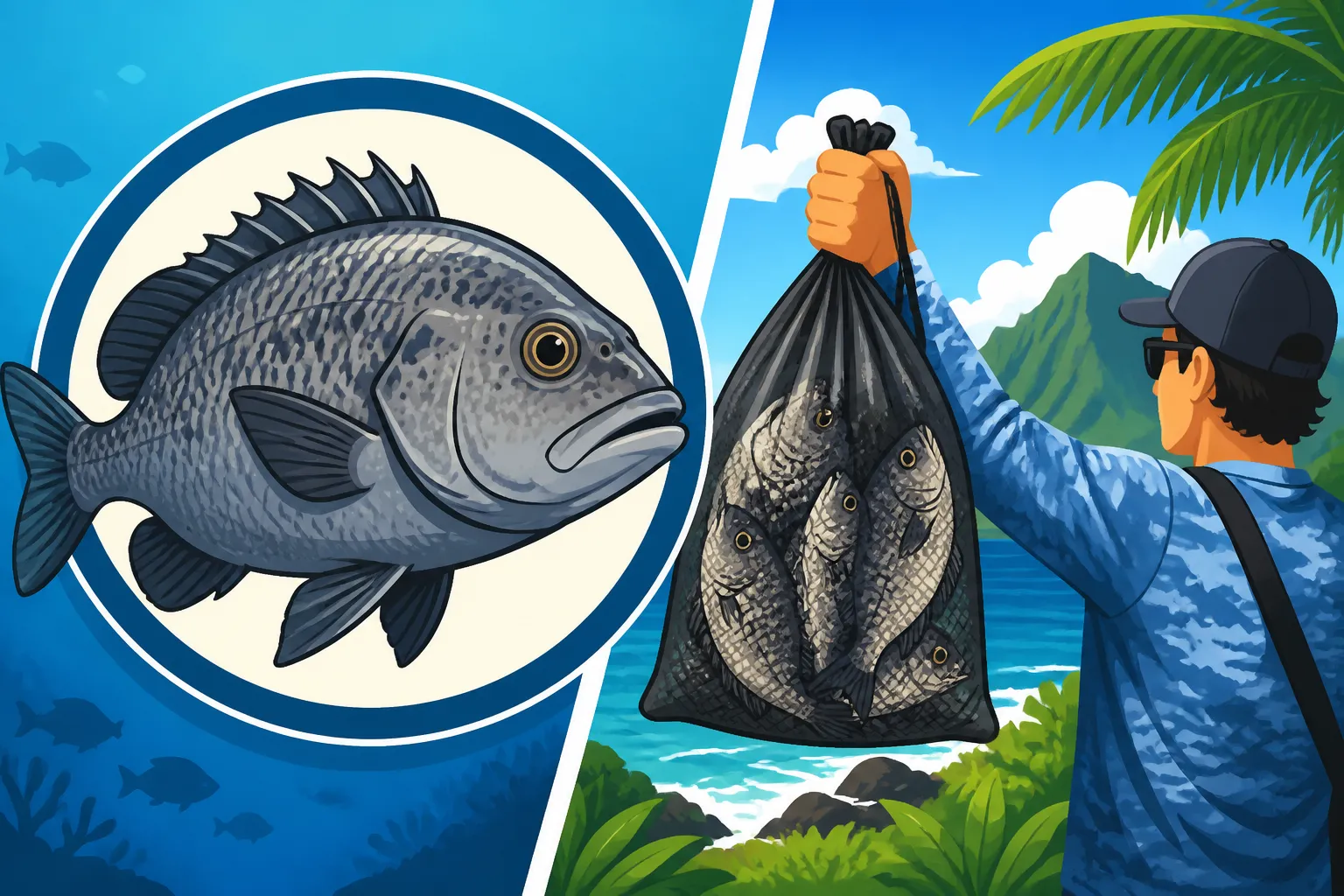
For most uhu species that you'll encounter, the recreational daily bag limit is pretty straightforward: you can take no more than five uhu per person, per day. This limit applies to all species of uhu except for the uhu ‘ahu’ula. Along with this bag limit, there's also a minimum size requirement. All uhu must be at least 10 inches in length (fork length, which means from the tip of the snout to the fork of the tail). This 10-inch minimum size ensures that fish have a chance to mature and reproduce before they are harvested, contributing to the health of the overall population.
Imagine you're out shore fishing at your favorite spot along the Kona Coast, and you reel in a beautiful blue uhu. You measure it carefully, and it comes in at 9 inches. Even though it's a perfect eating size, you absolutely must release it. Trying to sneak it into your cooler isn't worth the risk, both for potential fines and, more importantly, for the health of the reef. If you're planning a trip, our comprehensive Hawaii Fishing Regulations Explained can offer more insights into the broader rules governing fishing in our waters.
Specific Regulations for Uhu ‘Ahu‘ula (Redlip Parrotfish)
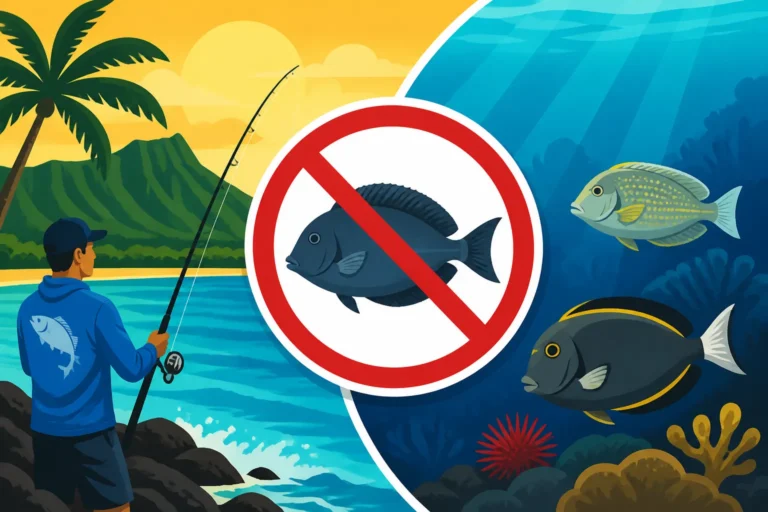
The uhu ‘ahu’ula is a special case and has significantly stricter rules. For this specific species, the daily bag limit is one fish per person, per day. And the size limit is also larger: the uhu ‘ahu’ula must be a minimum of 12 inches in length (fork length). This tighter regulation reflects the uhu ‘ahu’ula’s popularity and its importance in maintaining ecological balance, as well as its cultural significance.
But wait, there's more! The uhu ‘ahu’ula also has a closed season. From June 1st to August 31st each year, it is illegal to take, possess, or sell uhu ‘ahu’ula. This closed season is a critical conservation measure, designed to protect the species during its peak spawning period, giving the population a chance to replenish without fishing pressure. This means if you catch one during these months, regardless of size, you must release it immediately and unharmed. Failing to observe this closed season can result in severe penalties. Our detailed post on Hawaii uhu ahuula closed season dates provides even more context on this critical period.
Quick Reference Table for Uhu Regulations
To help keep everything straight, here’s a handy table summarizing the key regulations for uhu in Hawaii:
| Uhu Species | Daily Bag Limit (per person) | Minimum Size Limit (Fork Length) | Closed Season | Notes |
|---|---|---|---|---|
| General Uhu | 5 fish | 10 inches | None (Year-round open) | Applies to most common parrotfish species. |
| Uhu ‘Ahu‘ula | 1 fish | 12 inches | June 1st – August 31st | Redlip Parrotfish; stricter limits due to popularity and ecological importance. Must be released during closed season. |
Remember, these are recreational limits. Commercial fishing operations often have different licenses and regulations. For information on general bag and size limits for other species, our guide on Hawaii Bag and Size Limits by Species is an excellent resource.
Why These Limits Matter: Conservation and Sustainability
It’s easy to look at fishing regulations as just another hurdle to enjoying your time on the water, but I promise you, they exist for a very good reason. Hawaii's marine ecosystem is incredibly delicate and uniquely diverse. Our reefs and the fish that call them home face a lot of pressure, from climate change and pollution to, yes, fishing. These daily bag and size limits are carefully crafted tools designed to manage that pressure and ensure that future generations can experience the same incredible fishing opportunities we enjoy today.
Protecting Reef Health
As I mentioned earlier, uhu are crucial for reef health. By grazing on algae, they prevent it from suffocating corals, allowing the corals to thrive. If uhu populations decline too much, the delicate balance of the reef ecosystem can be thrown off, leading to a decline in coral health and, subsequently, a decline in other fish species that rely on healthy coral reefs for food and shelter. Think of it like a ripple effect: healthy uhu mean healthy reefs, which in turn means more fish overall and a more vibrant ocean. Adhering to the Hawaii uhu minimum size limit and daily bag limits directly contributes to keeping these critical grazers abundant.
Ensuring Future Generations Can Fish
No one wants to see our oceans become barren. The regulations, particularly the size limits and closed seasons for species like the uhu ‘ahu’ula, are designed to give fish a chance to grow to maturity and reproduce at least once, if not multiple times, before they are harvested. This concept, known as "spawning potential," is vital for maintaining a robust fish population. If too many young fish are caught before they can spawn, the population's ability to recover and sustain itself is severely hindered.
Imagine telling your grandchildren about the incredible variety of fish you used to catch, but they can’t experience it themselves because unsustainable practices led to depletion. That’s a future none of us want. These regulations are an investment in the future, a way to ensure that the joy of fishing and the bounty of the ocean remain accessible for years to come. It’s a shared responsibility that all of us, from seasoned local anglers to visiting tourists, must uphold.
Practical Tips for Adhering to Uhu Regulations
Navigating fishing regulations on the fly can be tough, especially when you're caught up in the excitement of a good bite. But with a little preparation and the right mindset, you can easily comply with all the rules and contribute to sustainable fishing practices.
Essential Gear for Responsible Fishing
Having the right tools on hand makes all the difference. For uhu, a good, clear measuring device is non-negotiable. Look for a durable, waterproof ruler or tape measure that floats, which you can easily find on sites like Amazon. Having it easily accessible will save you time and ensure accurate measurements, helping you quickly determine if a fish is legal to keep. A pair of fish-friendly gripping tools or gloves can also help you handle fish gently, reducing stress and injury if you need to release an undersized catch.
Another thing to consider is a small cooler or fish bag, also readily available on Amazon, that can keep your legal catches cool and fresh. This isn't just about food safety; it helps maintain the quality of your fish. Remember, if you’re fishing with bait, ensure it’s legal for use in Hawaii, as some baits are restricted to prevent the introduction of invasive species.
Double-Checking Regulations Before You Go
Fishing regulations, while generally stable, can sometimes change. New scientific data, conservation concerns, or even public input can lead to adjustments. That’s why it’s always a good habit to double-check the latest rules before each fishing season or a significant trip. The Hawaii Department of Land and Natural Resources (DLNR) Division of Aquatic Resources (DAR) website is the official source for all current regulations. You can often find PDF documents detailing all the rules, which you can print or save to your phone. Reading the Hawaii DLNR Fishing Regulations is an excellent way to stay updated. Don't rely solely on what you heard from a friend or saw online a year ago; verify it yourself.
Many local bait and tackle shops, like those found around Honokohau Harbor or Maalaea Harbor, are also fantastic resources. The folks who work there are often seasoned anglers themselves and can provide up-to-date information, local insights, and even tips on specific species you might be targeting. They often carry the official regulation pamphlets or can point you to where you can find them.
Handling and Releasing Undersized Fish with Care
Catching an undersized uhu or one during a closed season means you have to release it. The way you handle that fish can significantly impact its survival chances. Here are a few best practices:
- Minimize Air Exposure: Fish can't breathe out of water. Keep them in the water as much as possible, especially during unhooking and measuring.
- Wet Your Hands: If you must handle the fish, wet your hands thoroughly beforehand. Dry hands can remove the fish's protective slime coat, making it vulnerable to disease and infection.
- Use Barbless Hooks (if possible): Barbless hooks make unhooking much faster and cause less damage to the fish's mouth. If you don't have barbless hooks, consider flattening the barb on your existing hooks with pliers.
- Unhook Gently: Use a de-hooker or needle-nose pliers to remove the hook quickly and cleanly. If the fish is deeply hooked, it might be better to cut the line as close to the hook as possible rather than tearing internal organs.
- Support the Fish: When holding a fish, support its entire body horizontally. Avoid holding it vertically by the jaw or gills, which can damage its spine and internal organs.
- Revive If Necessary: If the fish seems sluggish after release, gently hold it in the water, facing into the current, and move it back and forth to help water flow over its gills until it swims away strongly.
Being mindful of these practices not only helps conserve fish populations but also shows respect for the marine environment we all cherish. And remember, having a valid Do You Need a Fishing License in Hawaii is the first step to legally enjoying our incredible fisheries.
Disclaimer
Please note that fishing regulations can change. While every effort has been made to provide accurate and up-to-date information, it is always your responsibility to consult the official Hawaii Department of Land and Natural Resources (DLNR) Division of Aquatic Resources (DAR) website or publications for the most current and complete regulations before engaging in any fishing activity. This article is for informational purposes only and should not be considered legal advice.