Hawaii life jacket rules for children
Bringing keiki (children) out onto Hawaii’s stunning waters for a day of fishing, snorkeling, or just cruising is a truly magical experience. But that joy can quickly turn to anxiety when you’re not entirely sure about all the rules and regulations, especially when it comes to something as crucial as life jackets. It’s easy to feel overwhelmed by the mix of state and federal guidelines, leaving you wondering if you’ve got everything covered to keep your little ones safe and stay on the right side of the law. This comprehensive guide is here to clear up all that confusion, giving you a clear understanding of Hawaii’s life jacket rules for children so you can enjoy your time on the water with complete peace of mind.
Why Life Jackets Aren't Optional: The Importance of Child Safety on Hawaii's Waters
When we talk about life jackets, we're not just discussing a piece of equipment; we're talking about a vital layer of protection that can be the difference between a minor scare and a tragic incident. The ocean, while beautiful and inviting, is also an unpredictable environment. Even seemingly calm bays can have sudden currents, unexpected swells, or rapid weather changes that can catch even experienced adults off guard, let alone children. This is especially true in Hawaii, where conditions can shift dramatically from one moment to the next, often without much warning.
Think about it: a child can slip on a wet deck, be bumped by a wave, or simply lose their balance. In those precious seconds after falling into the water, a properly fitted life jacket acts as an immediate flotation device, keeping their head above water and allowing them to breathe. Without it, even a child who knows how to swim can panic, become disoriented, or be quickly overcome by the conditions. The physical exertion of trying to stay afloat in unfamiliar water, especially if it’s cold or choppy, can rapidly lead to exhaustion and hypothermia, making rescue efforts far more challenging. This isn't about being overly cautious; it's about being realistically prepared for any scenario our beautiful, yet powerful, ocean might present.
Furthermore, it’s not just the deep ocean we need to consider. Hawaii's freshwater reservoirs and streams, while appearing docile, also pose risks. Slippery banks, hidden depths, and strong underwater currents in places like Wahiawa Reservoir can be just as dangerous. A life jacket provides that crucial buoyancy, giving rescue personnel more time to locate and retrieve a child in distress. These regulations aren't just bureaucratic hurdles; they are literally life-saving mandates designed to prevent accidents and ensure that everyone, especially our most vulnerable passengers, returns home safely after a day on the water.
Navigating Hawaii's Life Jacket Regulations for Young Anglers and Boaters
Understanding the specific laws can feel like deciphering a riddle, but it's simpler than you might think once you break it down. Both Hawaii state law and federal U.S. Coast Guard regulations dictate the requirements, and generally, the stricter rule applies. For children, these rules are quite clear-cut and are designed with their utmost safety in mind.
The Core Age Requirement and Vessel Types
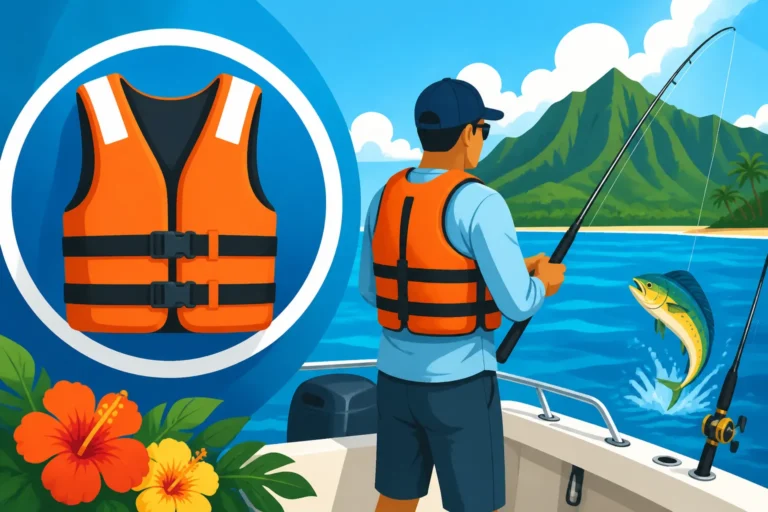
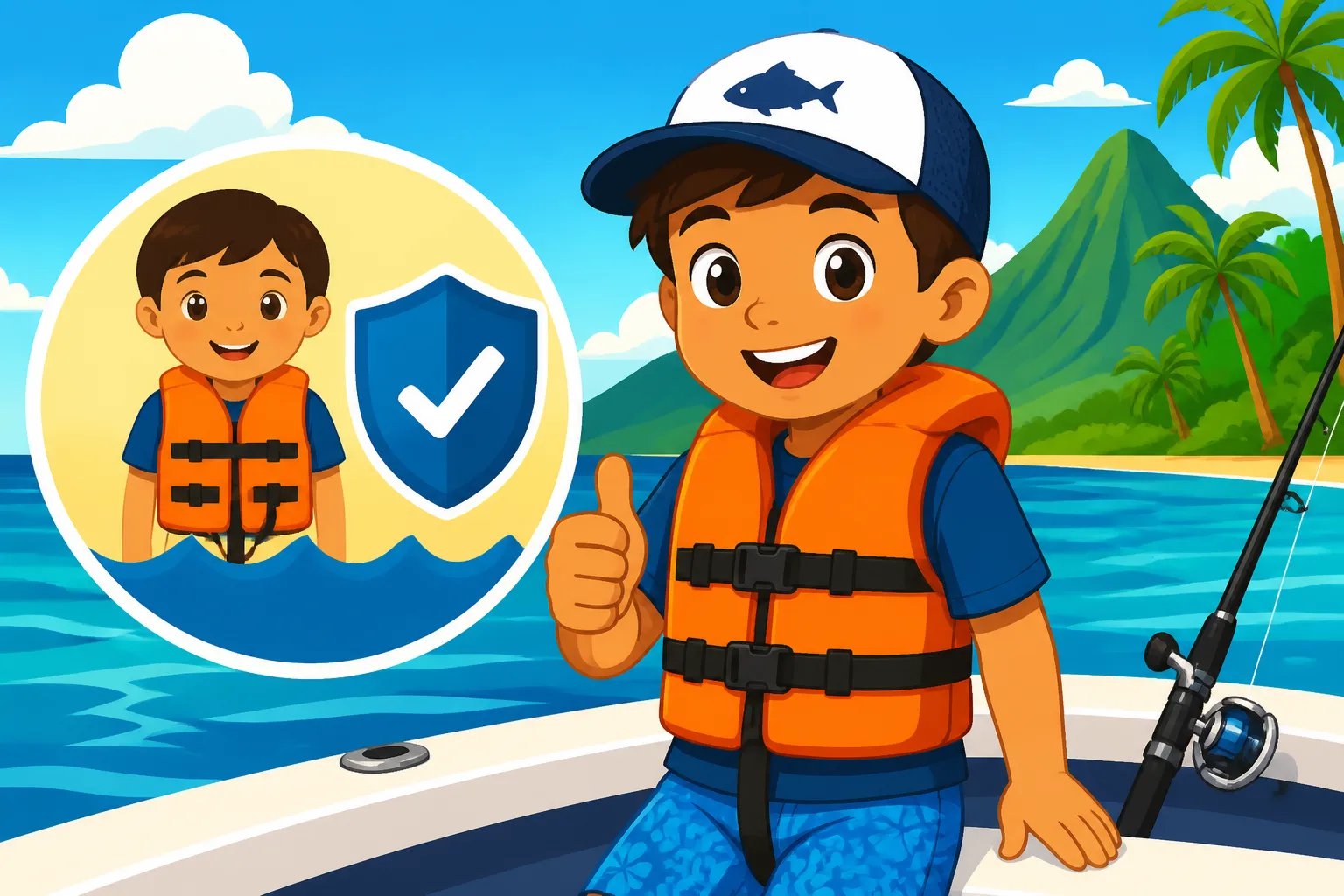
In Hawaii, the primary rule is that any child under 13 years of age must wear a U.S. Coast Guard (USCG) approved life jacket at all times while on a recreational vessel that is underway. "Underway" means not at anchor, moored, or aground. If your boat is moving, whether it's powering along, sailing, or even just drifting, and you have a child under 13 on board, they need to be wearing their life jacket. This applies to a vast array of vessels you might encounter here, from your personal fishing boat navigating the channels off the Kona Coast to a small sailboat cruising around Kaneohe Bay, a kayak paddling along the coastline of Maui, or even a stand-up paddleboard (SUP) being used with a child on board.
It's important to remember that this rule isn't just for motorized vessels. If you're out canoeing, kayaking, or even enjoying a quiet afternoon of kayak fishing techniques for Hawaii waters, this age requirement still holds true for children under 13. Many people assume smaller craft are less regulated, but when it comes to child safety, the rules are comprehensive. For instance, while some non-motorized boats might have Hawaii non-motorized boat registration exemption, they are certainly not exempt from critical safety gear like child life jackets.
Who Enforces These Rules and What Happens If You Don't Comply
The enforcement of these critical safety regulations falls primarily to the Hawaii Department of Land and Natural Resources (DLNR) Division of Boating and Ocean Recreation (DOBOR), as well as the U.S. Coast Guard. These agencies conduct regular patrols and vessel safety checks, especially during busy seasons and holidays. If an officer observes a child under 13 on your vessel without a properly worn USCG-approved life jacket while underway, you could face penalties.
Penalties can range from a warning for minor infractions, especially if you immediately correct the issue, to significant fines. The exact amount can vary depending on the severity of the violation, whether it's a first offense, and the discretion of the enforcing officer. Beyond the financial implications, there's the much more serious consequence: the potential for a child to be seriously injured or worse. No one wants to face that outcome, which is why understanding and adhering to these rules is non-negotiable. It’s also important to be familiar with general Hawaii Boating Laws for Anglers and Life Jacket Requirements for Hawaii Boaters to ensure overall compliance.
Exemptions and Common Misconceptions
While the "under 13 underway" rule is broad, there are very few practical exemptions that apply to children in recreational fishing or boating scenarios. The most common exception is if a child is below deck or within an enclosed cabin while the vessel is underway. However, for most recreational fishing, kayaking, or casual boating activities where children are actively participating or observing, they are almost always on deck and thus subject to the requirement.
One common misconception is that if a child is a strong swimmer, they don't need a life jacket. This is absolutely false. Even Olympic swimmers can drown, particularly when faced with unexpected falls, head injuries, or extreme conditions that render them unconscious or disoriented. Another myth is that if the boat is just "drifting" or "trolling slowly," it’s not "underway." If the vessel is not anchored, moored, or aground, it is considered underway by law, and the life jacket rule applies. It's best to always err on the side of caution and ensure young children are wearing their life jackets whenever they are on deck and the boat isn't securely docked.
Let’s look at a quick overview of the requirements:
| Age Group | Vessel Type | Requirement | Enforcement Agency |
|---|---|---|---|
| Under 13 years old | Recreational Vessels (motorized, sailboats, kayaks, canoes, SUPs, etc.) | Must wear USCG-approved life jacket while underway. | DLNR, USCG |
| 13 years and older | Recreational Vessels (motorized, sailboats, kayaks, canoes, SUPs, etc.) | Must have a USCG-approved life jacket readily accessible on board. | DLNR, USCG |
| All Ages | Personal Watercraft (PWC) operators & passengers | Must wear USCG-approved life jacket at all times. | DLNR, USCG |
| All Ages | Waterskiing, wakeboarding, tubing, etc. | Must wear USCG-approved life jacket. | DLNR, USCG |
This table highlights the crucial difference for children under 13: it's not enough to have a life jacket on board; they must wear it. This rule is consistent across federal and state lines, underscoring its importance.
Choosing the Right Life Jacket for Your Child: More Than Just a Pretty Color
Selecting a life jacket for your child isn't just about grabbing the first colorful one you see on the shelf. It's a critical safety decision that requires careful consideration of several factors. A poorly fitting or inappropriate life jacket is almost as dangerous as no life jacket at all because it can give a false sense of security.
Understanding USCG Approval and Types of PFDs
The absolute first thing to look for is the U.S. Coast Guard (USCG) approval label. This label indicates that the life jacket has met rigorous safety standards for flotation, materials, and design. Without this label, it is not legal or safe for use on U.S. waters. You can find a wide selection of USCG-approved life jackets on platforms like Amazon, offering various sizes and designs, but always double-check for that crucial label.
USCG-approved Personal Flotation Devices (PFDs), as they are officially called, come in different "Types" based on their design and intended use:
- Type I (Offshore PFDs): These offer the most buoyancy and are designed for rough, remote waters where rescue might be delayed. They are bulky but can turn an unconscious person face-up in the water. While highly effective, they are usually too cumbersome for active children.
- Type II (Near-Shore Buoyant Vests): These are good for calmer, inland waters or where a quick rescue is likely. They are less bulky than Type I but still designed to turn an unconscious person face-up. Many child-sized life jackets fall into this category.
- Type III (Flotation Aids): These are the most common type for recreational boating and fishing. They are designed for comfort and freedom of movement, making them ideal for activities like shore fishing, kayaking, or general boating. They are not guaranteed to turn an unconscious person face-up, so they're best for situations where immediate rescue is likely and the wearer is conscious. For active children, many choose Type III due to comfort, but constant supervision is paramount.
- Type V (Special Use Devices): These are designed for specific activities like waterskiing, kayaking, or deck work, and are only approved for the activity specified on the label. They often provide additional features or specialized flotation.
For children in Hawaii, especially those under 13, you'll most commonly be looking at Type II or Type III PFDs. For infants and toddlers, a Type II with a head support pillow and a crotch strap is highly recommended to ensure they stay face-up and don't slip out.
The Critical Importance of a Proper Fit
A life jacket's effectiveness hinges on its fit. It needs to be snug, but not uncomfortably tight, and it should not ride up when the child is in the water. Here's how to check for a proper fit:
- Check the Weight Range: All USCG-approved life jackets have a weight range printed on the label. Ensure your child falls within that range. Never buy a life jacket for a child to "grow into" – it must fit now.
- Buckle and Zip Up: Have your child put the life jacket on and fasten all zippers, buckles, and straps securely.
- Lift Test: With the jacket on, lift your child by the shoulders of the life jacket. If the jacket rides up past their ears or chin, it's too big and your child could slip out in the water. It should remain firmly in place around their torso.
- Comfort and Movement: Ensure the child can move their arms and head freely. If it restricts their ability to play or move comfortably, they'll be less likely to wear it, defeating its purpose. Modern life jackets are designed to be much less bulky than older models.
Comfort, Material, and Maintenance
Comfort is paramount, especially for children who might be reluctant to wear a life jacket. Look for features like soft, flexible materials, multiple adjustment points for a custom fit, and bright colors for visibility. Many life jackets now come with fun designs that kids might be more excited to wear. Materials that are quick-drying and resist mildew are also a plus, particularly in Hawaii's humid environment.
Finally, regular maintenance is key to ensuring your child's life jacket remains effective. After each use, rinse it with fresh water to remove salt, sand, or chlorine. Hang it to air dry completely, out of direct sunlight, to prevent mildew and degradation of the fabric. Never use a life jacket as a cushion or sit on it, as this can compress the flotation material and reduce its effectiveness over time. Periodically check for tears, broken buckles, or frayed straps. If a life jacket shows significant wear and tear, it's time to replace it. A well-maintained life jacket is a reliable piece of safety equipment.
Practical Strategies for Parents and Guardians on the Water
Understanding the rules and buying the right gear are excellent first steps, but putting these into practice effectively makes all the difference. As parents and guardians, we're the first line of defense for our keiki on the water, and our actions set the tone for their safety.
Leading by Example and Constant Supervision
Perhaps the most impactful thing you can do is to lead by example. If you, as the adult, wear your life jacket, your children are much more likely to wear theirs without complaint. It normalizes the behavior and reinforces the idea that life jackets are for everyone's safety, not just a "kid rule." Make it a family routine: "Life jackets on before we even step foot on the boat!" This also applies if you’re fishing from shore near dynamic waters or cliffs; sometimes, wearing a life jacket in these situations can also be a smart choice for adults.
Beyond setting a good example, constant and active supervision is non-negotiable. While a life jacket provides buoyancy, it's not a substitute for an attentive adult. Children should never be left unsupervised near or on the water. Assign a specific adult to "water watch" duty, especially if there are multiple children or distractions. This means putting down the phone, disengaging from conversations, and keeping eyes fixed on the children. Even a momentary lapse can lead to a dangerous situation, as explained in resources covering Hawaii required boat safety equipment checklist.
Making Life Jackets a Positive Experience
Getting kids to embrace wearing a life jacket can sometimes be a challenge, but you can make it a positive experience. Let them pick out their own USCG-approved life jacket (within the proper fit guidelines, of course!). Many brands offer fun colors and patterns that can make it feel more like a piece of adventure gear than a chore. Talk to them about why they wear it – explain that it helps them float, keeps them safe, and allows them to have more fun in the water.
Practice wearing the life jacket in a safe, shallow environment, like a swimming pool, so they get used to how it feels to float in it. Make it a game! This helps build confidence and familiarity, so if they ever do fall into open water, the sensation won't be entirely new or terrifying. This preparedness is similar to understanding the nuances of Hawaii fishing license age requirements – it's all about responsible enjoyment.
Beyond Life Jackets: Holistic Water Safety
While life jackets are paramount, remember that they are one piece of a larger water safety puzzle. Familiarize yourself with all Hawaii Boating Laws for Anglers before heading out. This includes having other essential safety gear on board, understanding navigation rules, and knowing what to do in an emergency. If you're operating a boat, be aware of Hawaii boating under the influence penalties – alcohol and boating safety absolutely do not mix.
Always check local weather and ocean conditions before you go. Hawaii’s waters can be notoriously unpredictable, and what looks calm from shore can be very different a mile out. Pay attention to forecasts from the National Weather Service and local surf reports. If conditions are rough, it's always better to reschedule your outing than to put yourself and your children at risk. For instance, knowing the Hawaii PWC operator minimum age is important, but if the surf is too high, even an experienced PWC operator shouldn't be out there with children.
Finally, teach your children basic water safety skills from a young age. This includes learning to swim, understanding the concept of currents, and knowing to ask an adult for permission before going near the water. The more knowledge and respect they have for the ocean, the safer they will be in the long run.
By combining the legal requirements with practical, proactive safety measures, you can ensure that your family's time on Hawaii’s beautiful waters is not only compliant with the law but also truly safe and enjoyable for everyone.
Disclaimer
The information provided in this guide is for general informational purposes only and does not constitute legal advice. While we strive to keep the information accurate and up-to-date, regulations can change. It is always the responsibility of the individual angler or boater to consult the most current Hawaii Department of Land and Natural Resources (DLNR) Division of Boating and Ocean Recreation (DOBOR) regulations and federal U.S. Coast Guard guidelines, or to seek professional legal counsel, to ensure full compliance. Neither the author nor the publisher will be held liable for any loss or damage caused by reliance on this information.