Hawaii non-motorized boat registration exemption
Navigating the myriad of rules and regulations surrounding boating can feel like trying to untangle a stubborn fishing line, especially when you're just looking to enjoy a peaceful paddle or a quiet fishing session from a kayak. Many folks assume all boats need to be registered, leading to unnecessary confusion and sometimes, even unwarranted stress. If you're wondering whether your trusty paddleboard, kayak, or canoe requires a state registration number and sticker here in Hawaii, you're in the right place. This guide is all about clarifying Hawaii's non-motorized boat registration exemption so you can spend less time worrying about paperwork and more time on the water.
Understanding Hawaii's Boat Registration Laws
Hawaii's Division of Boating and Ocean Recreation (DOBOR) has specific guidelines for vessel registration, primarily aimed at ensuring safety and accountability on our beautiful waters. However, not every floating craft falls under the same umbrella of requirements. It's crucial to understand these distinctions to avoid any run-ins with enforcement officers and to ensure you're compliant.
Who Needs to Register a Boat in Hawaii?
Generally speaking, any vessel principally used in Hawaii that is mechanically propelled—meaning it has an engine, whether gasoline, electric, or any other mechanical means of propulsion—must be registered with DOBOR. This includes everything from large offshore fishing vessels and sailboats with auxiliary engines down to small skiffs or dinghies that are powered by an electric trolling motor. The registration process involves submitting an application, proof of ownership, and paying the applicable fees, after which you'll receive a registration number and validation decal that must be displayed prominently on your vessel. This system helps authorities identify vessels, track ownership, and manage boating safety across the islands.
Think about the sheer volume of boats on a busy weekend around harbors like Honokohau Harbor or Maalaea Harbor. Without a clear registration system, it would be nearly impossible to manage safety, respond to incidents, or even address basic issues like abandoned vessels. That's why the focus is squarely on anything with a motor, as these vessels typically travel at higher speeds, have greater range, and, unfortunately, can pose higher risks if operated improperly or left adrift. For those looking into Hawaii Boating Laws for Anglers, understanding the foundation of registration is a great first step.
The Specific Exemption for Non-Motorized Vessels
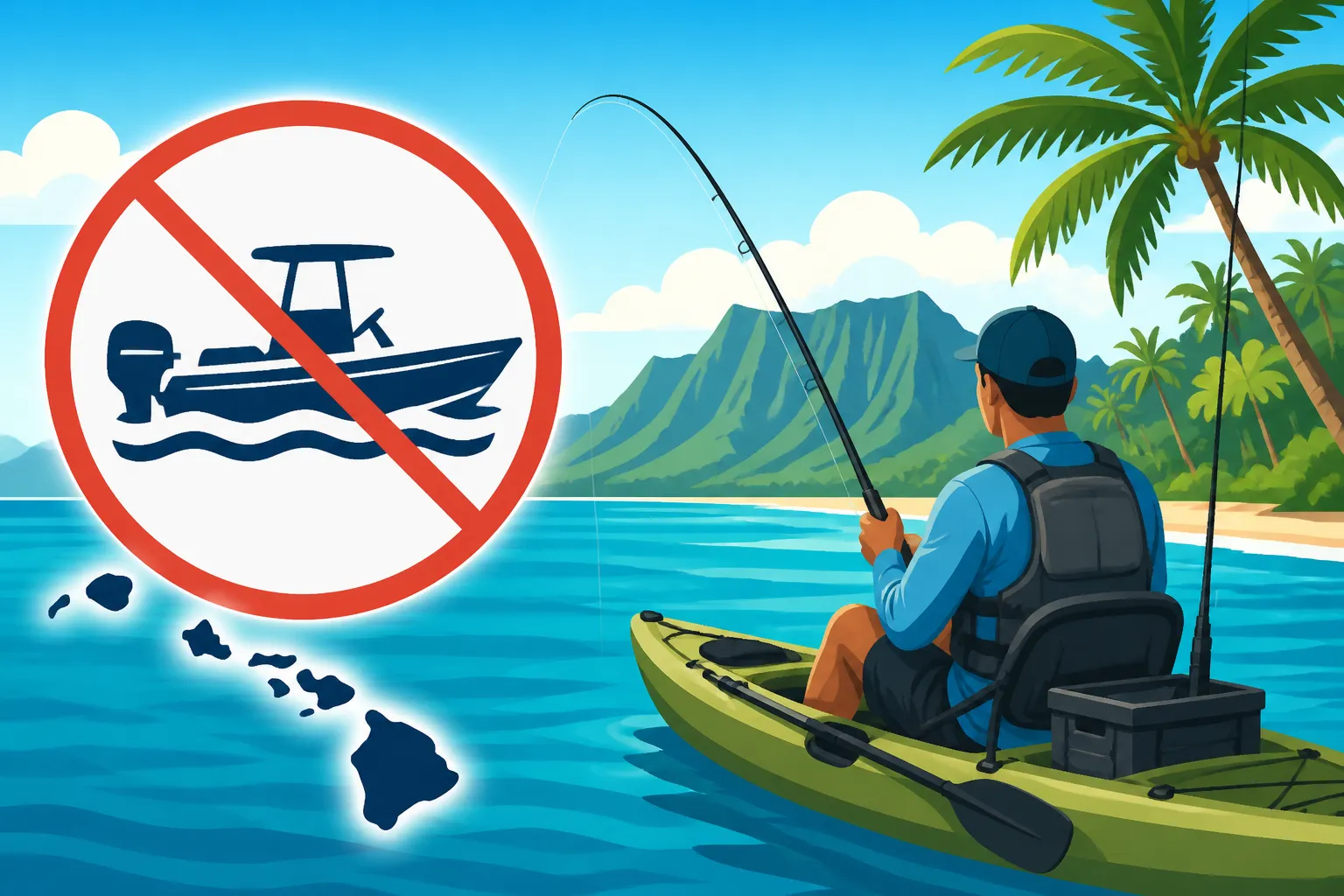
Here's the good news for paddlers, rowers, and sail-powered enthusiasts: Hawaii law specifically exempts vessels that are propelled exclusively by sail or by muscular power from state registration requirements. This means if your primary means of moving your vessel across the water is through paddling, rowing, sculling, or harnessing the wind with a sail, you likely do not need to register it. This exemption covers a wide array of popular watercraft used by residents and visitors alike, from the smallest inflatable kayak to larger sailing dinghies.
This particular regulation recognizes the distinct operational characteristics of these vessels. They generally operate at lower speeds, closer to shore, and pose a different set of safety considerations compared to their motorized counterparts. The legislative intent behind this exemption is often to encourage participation in non-motorized water sports and recreation, which typically have a lower environmental impact and are accessible to a broader range of individuals without the added bureaucratic hurdle of registration. So, if you're out on a stand-up paddleboard or a traditional Hawaiian outrigger canoe, you can breathe a little easier knowing you're likely exempt from this particular paperwork.
Why This Exemption Matters for Anglers
For many anglers, especially those who prefer a more serene, stealthy, and intimate connection with the ocean, non-motorized vessels like kayaks and canoes are the vessel of choice. This exemption is a huge relief! Imagine buying a new fishing kayak, all excited to hit your favorite spot near Kailua-Kona, only to find yourself bogged down with registration forms, fees, and waiting periods before you can even launch. The exemption means less red tape, no annual registration renewal fees, and a quicker path from purchase to paddle.
This directly encourages more people to engage in activities like Best Kayak Fishing Spots in Hawaii or quiet shoreline angling from a canoe. It lowers the barrier to entry, making these forms of fishing more accessible and affordable. Without the need to register, you don't have to worry about displaying registration numbers that might obscure fishing gear mounts or disrupt the aesthetic of your craft. It simplifies the entire process, allowing you to focus on the essentials: your fishing gear, safety, and, of course, finding that elusive ulua. This exemption highlights Hawaii's appreciation for traditional and environmentally conscious ways of enjoying our marine environment.
What Qualifies as a Non-Motorized Vessel?
It's one thing to know there's an exemption, but it's another to clearly understand what actually falls under the "non-motorized" category in the eyes of Hawaii law. There are many types of human-powered craft, and while most are straightforward, some have nuances that are worth discussing.
Common Examples for Anglers
For the typical angler, the most common non-motorized vessels include:
- Kayaks: Both sit-on-top and sit-in models, whether recreational, touring, or specifically designed for fishing, are generally exempt. If you're paddling it, you're good.
- Canoes: Traditional outrigger canoes, recreational canoes, and even larger voyageur canoes that rely solely on paddles are exempt. These vessels are deeply rooted in Hawaiian culture and remain a popular way to explore nearshore waters.
- Stand-Up Paddleboards (SUPs): These incredibly popular boards, propelled by a single long paddle, are also considered non-motorized. They're fantastic for accessing shallow flats or cruising along the coastline, and their registration status is clear.
- Inflatable Boats/Rafts: If these are propelled solely by oars or paddles, they fall under the exemption. However, if you attach an electric trolling motor, even temporarily, the vessel's status changes.
- Float Tubes/Pontoon Boats (Human-Powered): Smaller, personal craft often used in freshwater or calm nearshore areas, these are typically foot-propelled or paddled by hand and are also exempt.
These vessels are celebrated for their versatility and ability to access areas that larger, motorized boats cannot, making them ideal for targeting species like papio in shallow reefs or bonefish on the flats. Many popular models, readily available on platforms like Amazon, come specifically rigged for fishing, further illustrating their appeal.
Key Characteristics Defining "Non-Motorized"
The core definition hinges on the exclusive method of propulsion. A vessel is considered non-motorized if its only means of moving through the water comes from:
- Muscular Power: This includes paddling, rowing, sculling, or any other method where the human body directly applies force to propel the craft.
- Wind Power: This refers to sails. A sailboat that relies solely on wind (and potentially muscular power for maneuvering in calm conditions or docking) is also considered non-motorized.
The critical takeaway here is the word "exclusively." There cannot be any mechanical means of propulsion, even as a backup. If you have an engine on board, even if it's not currently in use, it could potentially change the vessel's classification, which leads us to the trickier aspects.
Gray Areas and Potential Misunderstandings
This is where many people get tripped up. While the basic definition seems clear, real-world applications can introduce ambiguities:
- Electric Trolling Motors: This is the most common point of confusion. If you attach an electric trolling motor to your kayak, canoe, or paddleboard—even if it's a small one, even if it's detachable, and even if you primarily paddle—your vessel is now considered mechanically propelled and requires registration. The moment an engine, no matter how small or seemingly insignificant, becomes a means of propulsion, the exemption no longer applies. So, if you bought a setup from Amazon that includes a transom mount for a trolling motor, be aware that adding the motor changes everything. For clarity on related regulations, check out Hawaii Boating Laws for Anglers.
- Auxiliary Engines on Sailboats: A true sailboat that only uses wind and muscular power is exempt. However, most modern sailboats have an auxiliary engine for docking, maneuvering in calm seas, or emergencies. If your sailboat has an engine, it needs to be registered, regardless of how often you use it.
- Temporary Motors: Thinking of attaching a small gas outboard to your canoe for a long trip? The same rule applies. Even if it's only for temporary use, the presence and capability of mechanical propulsion mean registration is required.
It's vital to be honest with yourself about your vessel's capabilities. If there's an engine, even a small electric one, you need to follow the registration process. This isn't just about avoiding a fine; it's about ensuring all vessels that can travel faster or further, or potentially lose power, are accounted for on Hawaii's waters.
Still Need to Follow Safety Regulations? Absolutely!
Just because your non-motorized vessel is exempt from registration doesn't mean you're exempt from basic boating safety regulations. In fact, safety is paramount, especially in Hawaii's dynamic ocean environment. These rules are designed to protect you, your passengers, and other water users.
Essential Safety Gear for All Vessels
Regardless of whether your boat is registered or not, you are legally required to carry specific safety equipment. This isn't optional; it's the law, and it could literally save your life or someone else's.
- Life Jackets (Personal Flotation Devices – PFDs): This is perhaps the most critical piece of safety gear. You must have a U.S. Coast Guard-approved PFD for every person on board your vessel. Furthermore, children under 13 years of age must wear their PFDs at all times while underway on any vessel. Even if you're an excellent swimmer, conditions can change rapidly in Hawaii, and a PFD can be the difference between a close call and a tragedy. You can find excellent, comfortable PFDs designed specifically for paddling activities on platforms like Amazon. For more detailed information, consult Life Jacket Requirements for Hawaii Boaters.
- Sound-Producing Device: You need a way to make an audible signal to alert other vessels of your presence or to signal distress. A whistle is usually sufficient for non-motorized craft.
- Visual Distress Signals (VDS): While not always required for small vessels operating during daylight hours within sight of land, it's highly recommended to carry a waterproof flashlight, a signaling mirror, or even flares, especially if you plan to be out around dawn, dusk, or at night.
- Navigation Lights: If you plan to operate your non-motorized vessel between sunset and sunrise, or during periods of restricted visibility (like fog or heavy rain), you must display appropriate navigation lights. For kayaks and SUPs, a 360-degree white light, visible from at least 2 miles away, is often required and can be easily clipped on.
Investing in these items, whether from a local marine supply store or online, is a non-negotiable part of responsible boating. Think of it as your essential "go-bag" for the water. You can often find a comprehensive Hawaii required boat safety equipment checklist that details everything you might need.
Navigation Rules and Operator Responsibilities
Even without an engine, your non-motorized vessel is subject to the same "rules of the road" as larger ships. These rules are in place to prevent collisions and ensure everyone can share the water safely.
- Right-of-Way: Understand who has the right-of-way. Generally, powerboats must keep clear of sailboats and human-powered vessels. However, this doesn't absolve you of the responsibility to avoid a collision if possible. Stay alert and predictable.
- Maintain a Proper Lookout: Always be aware of your surroundings. Look for other boats, swimmers, divers (look for dive flags!), and hazards. Don't be so engrossed in fishing or paddling that you miss an approaching vessel or a change in conditions.
- Operating in Channels and Harbors: Be extra cautious in busy areas like shipping channels and harbor entrances. Stay to the side, avoid obstructing larger vessels, and be prepared for wakes.
- No Alcohol or Drugs: Just like operating a car, it is illegal and incredibly dangerous to operate any vessel, motorized or non-motorized, under the influence of alcohol or drugs. Impaired judgment is a recipe for disaster on the water.
Your responsibility as an operator extends beyond simply having the right gear; it's about making smart decisions and being a considerate, safe water user.
Importance of Being Prepared for Hawaiian Waters
Hawaii's waters, while breathtakingly beautiful, can also be unpredictable and challenging. The ocean here is powerful, and even on a calm day, conditions can shift rapidly.
- Weather: Always check the marine forecast before heading out. Strong winds, sudden squalls, and changes in swell can turn a pleasant outing into a dangerous situation quickly. If the weather looks iffy, it’s always better to err on the side of caution and stay ashore.
- Currents and Tides: Hawaii experiences strong currents, particularly around points, channels, and between islands. Understanding local tides and currents is vital, especially for non-motorized vessels that can be easily swept away. A tide chart app on your phone can be a lifesaver.
- Sun Protection and Hydration: The Hawaiian sun is intense. Wear sunscreen, a wide-brimmed hat, sunglasses, and protective clothing. Always bring more water than you think you'll need. Dehydration and sunstroke can quickly lead to fatigue and impaired judgment.
- Communication: Carry a fully charged cell phone in a waterproof bag, or consider a marine VHF radio for emergencies. Let someone know where you're going and when you expect to return. This "float plan" is a simple but effective safety measure.
Even if you're fishing close to shore, the ocean's power should never be underestimated. Being well-prepared is the hallmark of a responsible angler and boater in Hawaii.
Practical Considerations for Non-Motorized Boaters
Beyond the legalities, there are practical aspects of owning and operating a non-motorized vessel in Hawaii that are worth considering. These are the day-to-day realities that can enhance your enjoyment or create unnecessary headaches if not thought through.
Launching and Landing Access
One of the biggest advantages of non-motorized vessels is their portability, which often translates to more flexible launch options compared to trailerable powerboats.
- Public Ramps: While primarily designed for motorized boats, many public boat ramps, like those at Honokohau Harbor or Maalaea Harbor, can also be used by kayakers and canoeists. Just be mindful of larger vessels and busy times, and ensure you're not obstructing anyone. Sometimes, a dedicated small craft launch area is available.
- Beach Access Points: For lighter craft like kayaks, SUPs, and smaller canoes, many public beaches offer excellent launch points. However, be respectful of swimmers, sunbathers, and local residents. Avoid launching directly in designated swimming areas. Always check for signs regarding specific beach rules. Understanding Hawaii shoreline fishing rights and public access rules can also guide your choice of launch site.
- Parking: This can be a major hurdle. Even if you can carry your vessel to the water, finding legal and safe parking for your vehicle and trailer (if you have one for a larger canoe) can be challenging, especially at popular spots. Arrive early, especially on weekends or holidays.
- Marine Life Conservation Districts (MLCDs): Be aware of special designations like Hawaii Marine Life Conservation Districts, Explained. While many MLCDs allow non-motorized entry, fishing and harvesting regulations within them can be very strict or completely prohibited. Always know before you go.
Always scout your launch and landing spots beforehand if you're unfamiliar with the area. Local knowledge or even a quick satellite map search can save you a lot of hassle.
Securing Your Vessel
Non-motorized vessels are often easier targets for theft due to their portability. Securing your investment is a crucial consideration.
- Storage: Whether at home, a rental property, or a designated storage facility, ensure your kayak or canoe is securely stored. Keep it out of sight if possible, or use heavy-duty locks and cables to deter opportunistic thieves. Many residential areas in Hawaii have open carports or yards, making accessible storage a common concern.
- Transport: When transporting your vessel on your vehicle, ensure it's properly tied down and secured. Investing in good quality tie-downs and roof racks from a reputable brand (you can find many on Amazon) is vital for highway safety and preventing theft during brief stops.
- While on the Water/Shore: If you're going to leave your vessel unattended on a beach or at a secluded spot for a short period (e.g., to explore a tide pool or grab a snack), use a cable lock to secure it to a fixed object like a tree or bench. Don't make it an easy target.
The peace of mind that comes with knowing your gear is safe is invaluable. A stolen kayak can quickly put a damper on your fishing plans.
Environmental Stewardship
As users of Hawaii's pristine waters, non-motorized boaters have a special responsibility to be good stewards of the environment. Our natural resources are fragile and require our protection.
- "Leave No Trace": Pack out everything you pack in. This includes all trash, fishing line, and any other waste. Even small pieces of plastic can be harmful to marine life. Many popular fishing spots suffer from litter, and it’s up to all of us to reverse this trend.
- Avoid Damaging Reefs: When paddling or wading in shallow areas, be extremely careful not to drag your vessel over coral reefs or sensitive marine habitats. Coral takes decades, sometimes centuries, to grow and can be easily destroyed. When launching or landing, choose sandy areas or established access points.
- Prevent Invasive Species: If you're moving your vessel between different freshwater bodies (like reservoirs or streams) or even between different coastal areas, clean your boat thoroughly to prevent the spread of invasive species. This means washing off mud, plants, and aquatic organisms that might hitchhike.
- Respect Wildlife: Maintain a respectful distance from marine animals like Hawaiian monk seals, green sea turtles (honu), and dolphins. Do not feed them or harass them. Observe from afar and allow them their space. Know the Hawaii turtle and monk seal proximity rules for anglers.
By embracing these principles, we ensure that Hawaii's beautiful waters remain healthy and vibrant for future generations to enjoy, whether they're motorized or non-motorized boaters. It's a collective effort, and every responsible action contributes to the preservation of our cherished ʻāina.
Summary of Non-Motorized Vessel Status and Key Safety Gear
To help you keep track of what's what, here's a quick summary for common vessels used by anglers in Hawaii:
| Vessel Type | Registration Required? | Key Safety Gear (Minimum) | Notes |
|---|---|---|---|
| Kayak (Paddle-powered) | No | PFDs (1 per person), Whistle, (Lights for night operation) | Most common non-motorized fishing craft. |
| Canoe (Paddle-powered) | No | PFDs (1 per person), Whistle, (Lights for night operation) | Traditional and recreational canoes. |
| Stand-Up Paddleboard (SUP) | No | PFDs (1 per person), Whistle, (Lights for night operation) | Popular for shallow water access and exercise. |
| Inflatable Kayak/Raft | No (if purely paddle-powered) | PFDs (1 per person), Whistle, (Lights for night operation) | If an electric motor is attached, registration IS required. |
| Float Tube / Pontoon (Human) | No | PFDs (1 per person), Whistle, (Lights for night operation) | Primarily for freshwater or very calm nearshore. |
| Kayak with Electric Motor | YES | PFDs (1 per person), Whistle, (Lights for night operation), Bailing Device, Fire Extinguisher (if applicable) | Considered mechanically propelled. |
| Sailboat (no auxiliary engine) | No (if purely sail/muscular powered) | PFDs (1 per person), Whistle, Visual Distress Signals, Navigation Lights | True sailing dinghies. Most larger sailboats have engines and require registration. |
This table provides a quick reference, but remember that specific situations can always have nuances. When in doubt, it's always best to consult the Hawaii Department of Land and Natural Resources (DLNR) Division of Boating and Ocean Recreation (DOBOR) directly for the most up-to-date and authoritative information.
Disclaimer
The information provided in this guide is for general informational purposes only and does not constitute legal advice. While we strive to keep the information accurate and up-to-date, regulations can change. Always consult the official Hawaii Department of Land and Natural Resources (DLNR) Division of Boating and Ocean Recreation (DOBOR) resources or a qualified legal professional for the most current and specific guidance regarding Hawaii boat registration and safety requirements.