Best Bonefishing Spots in Hawaii
Navigating the vast and often challenging flats of Hawaii in search of bonefish can feel like an impossible puzzle, especially when you're dreaming of that silvery flash but aren't sure where to even begin. The sheer expanse of ocean, coupled with the elusive nature of these "ghosts of the flats," can be daunting for even experienced anglers. This comprehensive guide is here to demystify Hawaii's bonefishing landscape, sharing the prime locations, essential techniques, and crucial insights you'll need to finally hook into one of these magnificent fish.
Understanding Hawaii's Bonefishing Landscape
Hawaii isn't just about deep-sea monsters or colorful reef fish; it's also a world-class destination for bonefishing, though it often flies under the radar compared to other famous flats. What makes bonefishing here so incredibly special, and equally challenging, is the unique volcanic geography and vibrant reef systems that shape our shallow water environments. Unlike the vast, soft bottom flats you might find in the Caribbean, Hawaii's flats often feature a mix of sand, coral rubble, and lava rock, creating a complex and incredibly rich ecosystem that bonefish thrive in.
Habitat and Environment for Bonefish
When you're looking for bonefish in Hawaii, you're essentially hunting in a variety of shallow water habitats that offer both food and protection. The most common areas are the extensive reef flats that stretch out from shorelines, particularly around the more populated islands like Oahu and Maui. These flats are typically quite shallow, ranging from mere inches at low tide to a few feet deep at high tide, making them perfect for wading.
Beyond the classic sandy flats, you'll find bonefish often patrolling along the edges of deeper channels, near patches of living coral, or even around submerged lava formations. These structures provide excellent ambush points and shelter for their prey, which includes crabs, shrimp, and small bottom-dwelling invertebrates. The water here is almost always crystal clear, which is both a blessing and a curse: it means fantastic visibility for sight fishing, but it also means the bonefish can spot you just as easily. Understanding these varied habitats is crucial because it dictates your approach, from the type of gear you use to how stealthily you need to move.
The Elusive "Ghost of the Flats"
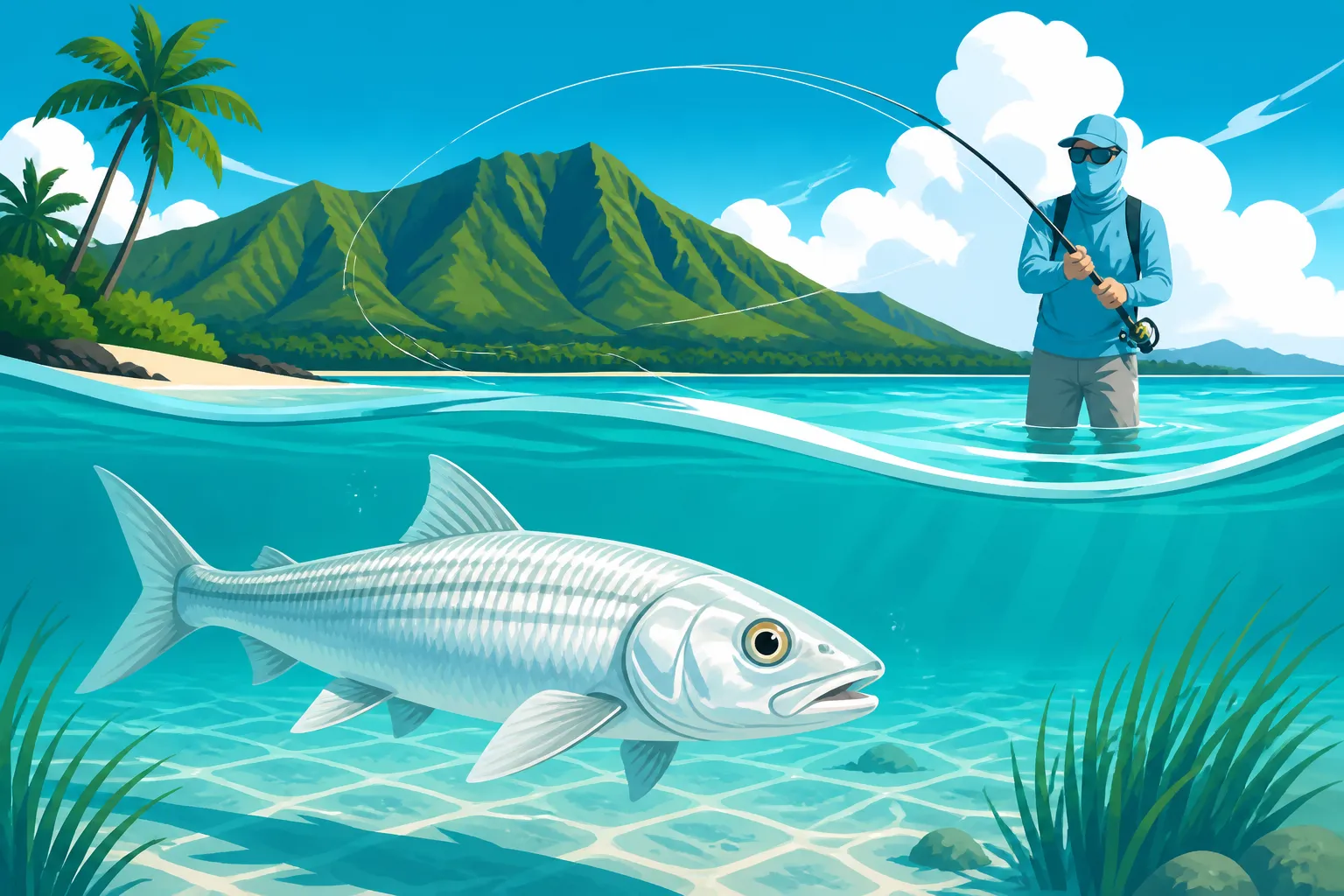
Bonefish (Albula glossodonta), or "oio" as they're known in Hawaiian, truly earn their nickname as the "ghosts of the flats." These fish are masters of camouflage, their silvery scales blending seamlessly with the sandy bottoms, making them incredibly difficult to spot until they're often right upon you. They are also incredibly spooky; even a shadow, a dropped fly line, or a misplaced step can send them darting off in an explosive burst of speed.
What makes them so appealing to anglers, beyond their evasiveness, is their sheer power. Pound for pound, a bonefish is one of the strongest fighting fish in shallow water. Once hooked, they make blistering runs that scream line off your reel, often taking you deep into your backing. This combination of stealth, intelligence, and raw power is precisely why so many dedicated anglers travel far and wide to pursue them. Successfully landing a Hawaiian bonefish is not just about casting prowess; it's a test of patience, observation, and meticulous technique, making the reward all the more satisfying. For more on this incredible species, check out our guide on Bonefish Oio in Hawaii.
Essential Gear and Techniques for Hawaiian Bonefish
Tackling the wily Hawaiian bonefish requires a thoughtful approach to your gear and a mastery of specific techniques. You can't just show up with any old rod and expect success; these fish demand precision and a setup that can handle their lightning-fast runs and keen senses. Whether you're a fly fishing purist or prefer the versatility of spin gear, having the right tools makes all the difference between a frustrating day of empty casts and the thrill of a screaming reel.
Tackle Recommendations for Bonefishing
For fly anglers, a 7-weight or 8-weight rod is generally considered ideal for Hawaiian bonefish. This provides enough backbone to cast in windy conditions and handle larger flies, while still offering the sensitivity to present smaller patterns delicately. Pair this with a high-quality saltwater reel that has a smooth, sealed drag system and enough capacity for at least 150-200 yards of backing. A weight-forward floating line specifically designed for saltwater and bonefish will cut through the wind and turn over your leader effectively. Your leader system is paramount: start with a 9-12 foot tapered leader, typically ending in 8-10 lb fluorocarbon tippet. Fluorocarbon's low visibility in Hawaii's clear waters is a huge advantage.
Spin fishermen will find success with a medium-light to medium action spinning rod, around 7 feet in length. A reel in the 2500-4000 series, again with a smooth drag, spooled with 10-15 lb braided line is perfect. Braided line offers superior casting distance and sensitivity, allowing you to feel the most subtle takes. You'll want to add a 6-8 foot leader of 8-12 lb fluorocarbon to your braid, connecting it with a strong knot like an FG or Albright. Lures like small jigs (1/8 to 1/4 ounce) dressed with soft plastics or bucktail, mimicking shrimp or crabs, are highly effective. For specific tackle setups tailored to different situations, our guide on Best Bonefishing Techniques for Oahu Flats provides even more detail.
Key Techniques for Success
The absolute cornerstone of bonefishing in Hawaii is sight fishing. This isn't blind casting; it's about actively spotting the fish, anticipating their movement, and making a precise presentation. You'll spend most of your time scanning the water for tell-tale signs: a subtle movement, a nervous school of baitfish, a "puff" of disturbed sand indicating a feeding bonefish, or the most obvious—a tailing fish with its tail breaking the surface as it digs for food on the bottom.
When you spot a fish, the approach is critical. For fly anglers, a precise cast that lands the fly a few feet ahead of and beyond the fish, allowing you to strip it into its path, is often best. Avoid landing the fly directly on top of or behind the fish, as this can spook them. For spin anglers, casting a small jig with a light retrieve that mimics a fleeing shrimp or crab is usually the ticket. Both methods require a slow, deliberate retrieve that keeps the bait or fly in the fish's strike zone for as long as possible. Wading is the primary method of access, and stealth is your best friend. Move slowly, shuffle your feet to avoid stepping on sharp coral, and keep your profile low. Pay attention to the sun's angle and wind direction, as these can greatly impact visibility and casting. When wading, it’s also important to be mindful of sensitive reef ecosystems, as highlighted in Wading Techniques for Hawaii Shore Fishing.
Oahu: The Heart of Hawaiian Bonefishing
When it comes to bonefishing in Hawaii, Oahu often takes center stage. While other islands certainly hold promise, Oahu boasts some of the most consistent and accessible bonefish flats, drawing both seasoned fly anglers and spin fishermen from around the globe. The island's unique blend of developed coastlines and pristine, shallow reef systems creates a diverse range of opportunities for pursuing these challenging fish. From sprawling lagoons to intricate flat systems, Oahu offers a comprehensive bonefishing experience that truly highlights the "ghost of the flats" nickname.
Keehi Lagoon: A Premier Destination
Keehi Lagoon, located just west of Honolulu, is arguably Hawaii's most famous bonefishing destination. This expansive, shallow body of water is a complex network of channels, sand flats, and coral patches, making it a prime habitat for large schools of bonefish. What makes Keehi so special is its consistent productivity and the sheer size of the bonefish it harbors. Anglers here regularly encounter fish in the 5-10 pound range, with true trophies exceeding 10 pounds not uncommon.
Access to Keehi Lagoon can be a bit tricky for first-timers, as it's surrounded by industrial areas and the Honolulu International Airport. However, several public access points and boat ramps allow you to launch kayaks or small boats, which can be invaluable for reaching the more productive, less pressured flats away from shore. Wading is also very popular, but be prepared for varied bottom conditions, including soft mud, hard sand, and scattered coral. The best fishing here often occurs during incoming and outgoing tides when water levels are optimal for bonefish to feed aggressively. Many local guides specialize in this area, knowing the subtle shifts in current and where the fish tend to hold. If you're planning a trip to this specific spot, our detailed guide on Keehi Lagoon Bonefishing is a must-read for all the insider tips.
Sand Island: Accessibility and Action
Just a stone's throw from Keehi Lagoon lies Sand Island, another fantastic and generally more accessible bonefishing spot on Oahu. This area offers a mix of sandy beaches and expansive flats, providing ample opportunities for both wade fishing and kayak exploration. The flats around Sand Island are typically shallower and can be more exposed, making sight fishing particularly effective on calm, sunny days.
One of the biggest advantages of Sand Island is its relatively easy public access. There's a state recreation area with parking and facilities, making it a convenient base for a day of fishing. The bonefish here might not always reach the gargantuan sizes found deeper in Keehi, but they are plentiful and provide exciting action. Anglers often find success by slowly wading the edges of the flats, looking for cruising fish or tell-tale "tailing" as they root around for crabs and shrimp. The best times tend to be during the mid-tides, allowing fish to move onto the flats but also ensuring enough water to keep them comfortable. Remember to respect the local environment and other recreational users, as Sand Island is also popular for picnicking and surfing. More localized tactics for this area can be found in our detailed write-up on Sand Island Bonefishing.
Other Oahu Flats: Hidden Gems and Local Secrets
While Keehi Lagoon and Sand Island are the most well-known, Oahu holds a myriad of other smaller, often less-pressured flats that can offer incredible bonefishing opportunities for those willing to explore. These "local secrets" are typically harder to access, might require more extensive wading, or are best reached by kayak or stand-up paddleboard. Areas along the south shore, away from the most crowded beaches, often hold smaller, more isolated flats and channels that attract schools of bonefish.
The trick to finding these hidden gems often lies in observing local tides, studying satellite maps for shallow, light-colored bottoms, and having the patience to explore. Sometimes, these spots involve walking along undeveloped coastlines or accessing small, less-used public parks. While the fish might not be as concentrated as in the larger lagoons, the reward is often a more solitary fishing experience and the chance to encounter unpressured fish that are less wary. Consulting with local tackle shops or even hiring a guide for a day can fast-track your learning curve on these more obscure locations, ensuring you're fishing productively and safely. If you're considering a guided experience on Oahu, our article Best Guided Bonefishing Trips on Oahu can help you find the right fit.
Maui: Less Known, Still Productive Flats
Maui, often celebrated for its stunning beaches, volcanic landscapes, and vibrant marine life, also holds a quiet secret for the dedicated angler: surprisingly productive bonefishing flats. While not as extensively mapped or popularized as Oahu's famous spots, Maui offers unique opportunities for those seeking the challenge of the "ghost of the flats" away from the bustling crowds. The bonefish here might be fewer in number in some areas, but their elusive nature and formidable fight remain, making a successful Maui bonefish a truly rewarding achievement.
Kihei and Maalaea Flats: South Maui's Potential
The south-central coast of Maui, particularly around Kihei and stretching towards Maalaea Bay, offers some of the most promising bonefishing flats on the island. These areas feature extensive shallow sand and coral rubble flats that extend a good distance offshore, providing prime feeding grounds for bonefish. The clear, calm waters typical of this leeward side of Maui make for excellent sight fishing conditions on sunny days.
Accessing these flats typically involves wading from public beach parks or finding small, often unmarked access points along the coastline. Anglers should be prepared for varying bottom compositions, from soft sand to sharp coral, so sturdy wading boots are a must. The best times to fish here are usually during the incoming or outgoing tides, when the water movement encourages bonefish to actively feed. While the fish population might not be as dense as Oahu's hotspots, the bonefish found here are often of a good average size and can offer incredible runs. Always be aware of other ocean users, as these areas are also popular for snorkeling, swimming, and stand-up paddleboarding.
La Perouse Bay: Unique Environment, Challenging Rewards
Further south along Maui's coastline, beyond the developed areas, lies La Perouse Bay. This rugged and wild area, formed by Maui's last volcanic eruption, presents a strikingly different and incredibly unique environment for bonefishing. Here, the flats are characterized by black lava rock, intricate coral formations, and interspersed sandy patches. This dramatic landscape provides excellent camouflage for bonefish and presents an added challenge for anglers to spot them against the darker bottom.
La Perouse is not for the faint of heart; access can involve driving on unpaved roads and navigating rough, uneven terrain to reach the shoreline. Once there, wading requires extreme caution dueance of sharp lava rock and potential currents. However, for those who embrace the challenge, La Perouse can yield spectacular results. The bonefish here are often less pressured and tend to be larger, accustomed to foraging in this rugged environment. The darker bottom can make spotting them incredibly difficult, demanding keen eyesight and meticulous observation. This spot is best fished during calm conditions, allowing for clearer water and easier wading. It's a true wilderness experience, offering a sense of remoteness that's hard to find in more developed areas. Remember to carry plenty of water and be aware of your surroundings, as amenities are scarce.
Kauai and Big Island: Hidden Gems and Unique Challenges
While Oahu and Maui often get the spotlight for bonefishing, the islands of Kauai and Hawaii (the Big Island) offer their own distinct, albeit often more challenging, opportunities for pursuing the elusive "ghost of the flats." These islands present different geological features and coastal characteristics that require specific approaches, but for the adventurous angler, they can yield incredibly rewarding experiences with less fishing pressure.
Kauai's North Shore: Hanalei Bay and Beyond
Kauai, known as the "Garden Isle" for its lush landscapes and dramatic cliffs, might not immediately come to mind for extensive bonefish flats. However, its north shore, particularly around Hanalei Bay and the surrounding reef systems, offers some intriguing possibilities. Hanalei Bay itself features a mix of sandy bottom and reef structure that can hold bonefish, especially during calmer periods when the surf isn't too heavy. The key here is often finding the protected channels and shallow areas where bonefish can feed without being exposed to heavy wave action.
Beyond Hanalei, exploring the extensive reef flats that front many of Kauai's northern beaches, particularly during lower tides, can reveal promising areas. These flats are typically shallower and more fragmented than those on Oahu, requiring a keen eye for subtle signs of fish. Kayak or stand-up paddleboard access can be incredibly useful for covering more ground and reaching less-pressured sections of the reef. The bonefish here tend to be slightly smaller on average compared to Oahu's giants, but they are just as aggressive and provide an excellent fight. Anglers should always be mindful of the surf conditions, especially on the north shore, which can change rapidly. For a broader overview of fishing on this island, check out our Kauai Fishing Guide.
Big Island's Kona Coast: Limited Flats, Targeted Opportunities
The Big Island, particularly the Kona Coast, is renowned for its deep-sea fishing and grander marlin, but extensive shallow bonefish flats are less common due to the island's relatively young volcanic geology and steep drop-offs. However, this doesn't mean bonefishing is impossible; it simply requires a more targeted and exploratory approach. Instead of vast, continuous flats, anglers on the Big Island will look for smaller, isolated sandy pockets, reef fringes, and shallow areas adjacent to harbors or natural bays.
Areas like Honokohau Harbor or even some of the more protected shoreline sections near Kailua-Kona can offer limited but viable bonefishing opportunities. These spots are often characterized by a mix of sand, coral rubble, and lava rock, creating intricate habitats. Bonefish here might be found cruising the edges of drop-offs, moving in and out of small channels, or foraging in tidal pools. Success on the Big Island often comes down to precise timing with the tides and a lot of patient observation. It's less about covering vast amounts of water and more about identifying specific, smaller feeding zones. Hiring a local guide who knows these unique micro-flats can dramatically increase your chances of success, as they will have invaluable knowledge of the subtle features that hold fish. Our general Big Island Fishing Guide can give you a better idea of the overall fishing landscape.
Reading the Tides and Weather for Success
Bonefishing in Hawaii is an art form heavily influenced by the natural rhythms of the ocean and sky. Unlike some other forms of fishing where you can just show up and cast, targeting the elusive "ghost of the flats" demands a deep understanding of how tides and weather patterns dictate fish behavior. Ignoring these crucial environmental factors is a surefire way to spend a beautiful day staring at empty water. Mastering the interplay of these elements is what truly separates a lucky catch from consistent success.
Tidal Influence: Timing is Everything
For bonefishing, the tide isn't just a suggestion; it's practically a schedule that the fish live by. Bonefish use the rising and falling water to access their feeding grounds on the shallow flats. The ideal tide phase often varies slightly by location, but generally, the incoming and outgoing tides are the most productive.
During an incoming tide, bonefish will push onto the flats as the water level rises, following the food sources like crabs and shrimp that are now accessible. This is often an excellent time for sight fishing, as the fish are actively cruising and feeding. The beginning of the incoming tide might concentrate fish in deeper channels leading to the flats, while the middle to high tide could find them spread out over wider areas.
The outgoing tide can also be incredibly productive, especially during the first half. As the water starts to recede, bonefish will often gather at the edges of the flats or in channels, waiting for prey to be washed off or to retreat to deeper water. This can create ambush points where fish are more concentrated. However, as the tide gets too low, bonefish may retreat entirely from the flats, making them harder to target. Learning to read local tide charts, understanding the tidal range in your chosen spot, and observing how fish react to different water levels will significantly improve your catch rates. Our article on Hawaii Fishing Seasons by Month also touches on how seasonal patterns can affect tides and fish behavior.
Weather Considerations: Wind, Sun, and Rain
Beyond the tides, local weather conditions play an enormous role in bonefishing success. The two most critical factors are wind and sun angle.
Wind is often the biggest enemy of sight fishing. Even a moderate breeze can ripple the water's surface, making it nearly impossible to spot fish. Strong winds also make casting accurately a nightmare, especially for fly anglers. Ideally, you want calm conditions or a very light breeze that doesn't disturb the water too much. If it's windy, try to fish areas that offer some protection, like the lee side of an island or a protected bay.
Sun angle is equally important. High sun, directly overhead (from late morning to early afternoon), can create glare on the water, making spotting difficult. The best sight fishing conditions usually occur during the early morning or late afternoon when the sun is at an angle, illuminating the flats and making the fish's shadows more visible. You want the sun at your back, if possible, to maximize visibility. Overcast conditions can be a mixed bag; while they reduce glare, they also diminish the shadows that often reveal a bonefish's presence.
Rain can also affect bonefishing. While light rain might not be a huge deterrent, heavy downpours can muddy up the shallow flats, reducing visibility to zero and sending fish into deeper water. However, a post-rain period with clearing skies can sometimes be productive as the water clarity improves and fish become more active. Always check the local forecast before heading out, paying close attention to wind speed and direction, cloud cover, and rain chances.
Conservation and Etiquette on the Flats
Hawaii's bonefish flats are not just exceptional fishing grounds; they are vibrant, delicate ecosystems that demand our respect and careful stewardship. As anglers, we have a responsibility to not only enjoy these resources but also to protect them for future generations. Practicing sound conservation methods and adhering to local etiquette ensures that the "ghosts of the flats" continue to thrive in our beautiful islands. It's about more than just catching fish; it's about being a conscious participant in Hawaii's unique marine environment.
Catch and Release Practices
For bonefish, catch and release is not just a recommendation; it's an essential practice that helps sustain their populations. These fish are highly valued for their sporting qualities, not typically for their culinary value, making them perfect candidates for careful release.
When you land a bonefish, handle it with extreme care. Keep the fish in the water as much as possible; if you must lift it for a quick photo, do so gently with wet hands, supporting its full body weight horizontally. Avoid touching its gills or eyes, and never drag it across sand or sharp coral. Use barbless hooks or crimp down the barbs on your hooks to facilitate easier and less damaging hook removal. Pliers or a dehooking tool can be invaluable. Once the hook is out, allow the fish to recover in the water, holding it gently upright until it swims away under its own power. Sometimes a gentle forward-and-back motion will help revive it. This meticulous attention to catch and release significantly increases the fish's chances of survival and ensures that future anglers can experience the same thrill you did.
Respecting Marine Life and Local Culture
Fishing on Hawaii's flats means you'll share the water with an incredible array of marine life. It's crucial to be aware of and respect all species, not just the ones you're targeting. Hawaii is home to numerous protected species, including Hawaiian green sea turtles (honu) and Hawaiian monk seals ('ilio-holo-i-ka-uaua). If you encounter these animals, give them plenty of space and never disturb them. It's illegal to harass or touch them, so maintain a respectful distance.
Beyond protected species, be mindful of the reef itself. Avoid stepping on live coral when wading, as it can be easily damaged. Keep the flats clean by packing out everything you pack in, including any discarded fishing line or trash. Additionally, Hawaii has a rich history of traditional and customary fishing practices. Be aware of any local rules, regulations, or cultural sensitivities in the areas you are fishing. For instance, some areas may be designated as Marine Life Conservation Districts (MLCDs), where fishing or even entering certain areas might be restricted. Understanding and adhering to guidelines like those in Hawaii Marine Life Conservation Districts, Explained is paramount. Showing respect for the environment, the local culture, and other ocean users ensures a positive experience for everyone and contributes to the long-term health of our precious marine ecosystems.
Planning Your Bonefishing Adventure
Embarking on a bonefishing trip to Hawaii is an exciting prospect, but like any great adventure, it benefits greatly from thorough planning. From figuring out the best ways to explore the flats to understanding the local requirements, a little foresight can save you a lot of hassle and significantly enhance your chances of success. Whether you're a seasoned DIY angler or prefer the expertise of a local professional, having a clear plan will set the stage for an unforgettable experience.
Hiring a Local Guide: An Invaluable Resource
For many anglers, especially those new to Hawaiian bonefishing, hiring a local guide is hands down the best investment you can make. While you might be tempted to save money and go it alone, a skilled guide offers unparalleled advantages. They possess intimate knowledge of the local flats, understanding the subtle nuances of tides, currents, and fish movements that take years to acquire. They know where the fish are holding on any given day, what flies or lures they're responding to, and how to approach them without spooking them.
A good guide also provides all the necessary specialized gear, from quality rods and reels to flies and terminal tackle, saving you the expense and hassle of bringing your own. More importantly, they prioritize safety, navigating you through potentially tricky wading conditions and educating you on local regulations and conservation practices. For instance, they'll know exactly which areas require a Hawaii Fishing License Guide for 2026 or have specific restrictions. Booking a guide, especially during peak seasons, requires advance planning. Websites like FishingBooker offer a wide selection of reputable guides specializing in bonefishing across Hawaii. You can browse different options, compare prices, and read reviews to find the perfect fit for your trip. Searching for "bonefishing guides Hawaii" on FishingBooker will yield excellent results for highly rated captains and their offerings.
Logistics and Preparation
Once you've decided on your approach (guided or DIY), it's time to iron out the logistical details.
- Licensing: While a general marine recreational fishing license isn't currently required for ocean fishing for residents in Hawaii, non-residents planning to fish in freshwater or specific regulated areas might need one. Always double-check the latest regulations with the Hawaii Division of Aquatic Resources (DAR). Our article on Do You Need a Fishing License in Hawaii provides up-to-date information.
- Travel and Accommodation: Book your flights and lodging well in advance, especially if you're traveling during peak tourist seasons. Consider staying near your chosen fishing grounds to minimize travel time to the flats.
- Essential Personal Gear: Even with a guide, you'll need personal items. High-quality polarized sunglasses are non-negotiable for spotting fish. A wide-brimmed hat, quick-dry sun protective clothing (long sleeves, pants), and reef-safe sunscreen are crucial for sun protection. Sturdy wading boots with good grip and ankle support are essential for navigating varied bottom conditions. A small backpack with water, snacks, and a waterproof bag for your phone or camera is also recommended.
- Health and Safety: Be prepared for the tropical sun and stay hydrated. If prone to seasickness, consider preventative measures, even for shallow-water boat rides. Always inform someone of your fishing plans, especially if you're venturing out alone.
- Booking Charters: If you're looking for a slightly different experience, perhaps a boat that can access more remote flats or combine bonefishing with other inshore opportunities, consider booking a charter. Websites like FishingBooker also list various charter options. You can easily find options that cater to your preferences, whether it's a private boat or a shared trip. Many charters on FishingBooker offer the convenience of booking directly online and specify what's included. Our comprehensive Hawaii Fishing Charter Cost Guide can help you understand the various pricing structures.
By meticulously planning your trip, whether through a trusted guide found on FishingBooker or by carefully preparing for a self-guided adventure, you'll be well on your way to experiencing the magic and challenge of bonefishing in Hawaii's stunning waters.
| Island | Primary Bonefishing Areas | Typical Conditions | Target Size Range | Primary Access |
|---|---|---|---|---|
| Oahu | Keehi Lagoon, Sand Island, various south shore flats | Clear, calm, often crowded in popular spots | 5-10 lbs (trophies >10 lbs) | Wading, Kayak, Small Boat |
| Maui | Kihei/Maalaea Flats, La Perouse Bay | Clear, varied bottom (sand/coral/lava) | 3-8 lbs (La Perouse larger) | Wading, Kayak |
| Kauai | Hanalei Bay, North Shore Reef Edges | Clear, can be affected by surf | 2-6 lbs | Wading, Kayak/SUP |
| Big Island | Isolated Pockets near Harbors/Bays (Kona) | Very clear, steep drop-offs nearby | 3-7 lbs | Wading (limited), Small Boat |
Disclaimer
The information provided in this guide is for general informational purposes only and is subject to change. Fishing regulations, conditions, and access points in Hawaii can vary, and it is the angler's responsibility to verify all current rules and conditions with the Hawaii Department of Land and Natural Resources (DLNR) Division of Aquatic Resources (DAR) before engaging in any fishing activities. Always prioritize safety and environmental stewardship.