Maalaea Harbor best nearby fishing grounds
It’s a common dilemma for anyone visiting or living on Maui: you’re surrounded by some of the most beautiful ocean on Earth, but where do you actually go to catch fish? Stepping onto the docks at Maalaea Harbor, you might feel a mix of excitement and overwhelm, wondering how to tap into those legendary Hawaiian fishing experiences. This guide is here to cut through the confusion and point you directly to the best fishing grounds, both nearshore and offshore, that are readily accessible from Maalaea Harbor.
Maalaea Harbor: A Gateway to Maui's Fishing Riches
Maalaea Harbor, nestled on the south-central coast of Maui, is far more than just a picturesque port for tour boats and sunset cruises. For serious anglers and casual fishing enthusiasts alike, it serves as a vital launchpad to an incredible array of fishing opportunities. Its unique geographic position offers advantages that many other harbors simply can't match, making it a true hub for sportfishing on the island.
The Strategic Location of Maalaea
What makes Maalaea Harbor so special is its incredibly strategic location. Firstly, it's situated right on the edge of the vast Maalaea Bay, which opens up directly to the deep waters of the 'Au'au Channel, often simply referred to by anglers as the "Maui Channel." This channel, lying between Maui, Lanai, and Kahoolawe, acts as a superhighway for many pelagic species, meaning those sought-after offshore game fish like marlin, ahi (yellowfin tuna), ono (wahoo), and mahimahi are often passing through surprisingly close to shore. You don't always have to run dozens of miles offshore to find them, which is a huge bonus.
Secondly, the harbor itself is naturally protected from the prevailing northeast trade winds, offering calmer waters for departures and returns, especially when conditions might be choppier elsewhere. This sheltered environment also creates a diverse range of nearshore habitats immediately surrounding the harbor entrance. You've got sandy flats, rocky ledges, and transition zones that hold a wealth of inshore species. This means whether you prefer casting from shore, paddling a kayak, or heading out on a full-fledged charter, Maalaea gives you options for just about any fishing style. The diversity of habitats ensures a wide variety of fish can be targeted, from reef fish to the mighty predators of the open ocean.
Understanding the Harbor's Public Access
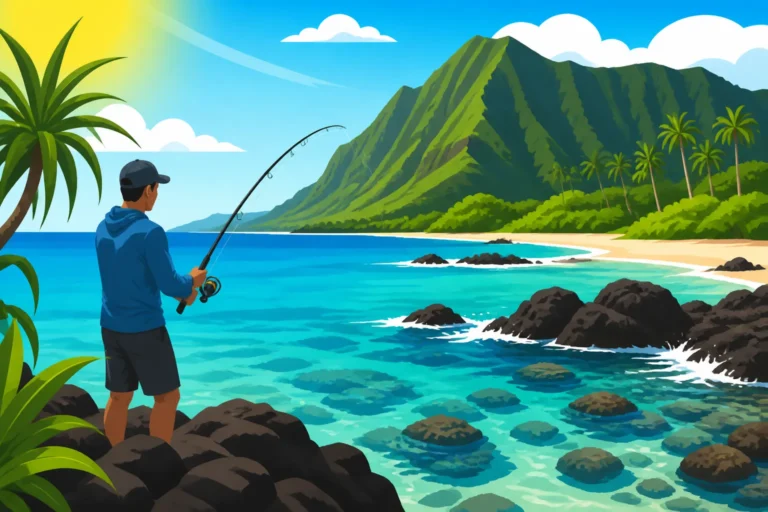
While the main purpose of Maalaea Harbor is for commercial and charter vessel operations, there are still opportunities for shore anglers to try their luck nearby. Directly within the harbor basin, fishing is generally restricted to prevent interference with boat traffic and for safety reasons. However, if you head just outside the harbor walls, particularly along the rocky coastline that stretches east and west, you'll find more permissible areas.
Anglers often walk the rock jetties or find secluded spots on the adjacent coastline to cast their lines. These areas can be surprisingly productive for species like papio (juvenile trevally), small jacks, and various reef fish. Always be mindful of posted signs, private property boundaries, and, most importantly, safety. The rocky lava shoreline can be treacherous, especially during high tide or with larger swells. It’s crucial to wear appropriate footwear and keep an eye on the ocean. If you're unsure about specific spots, local tackle shops in Kahului or Kihei are excellent resources for up-to-date information on accessible shore fishing areas around Maalaea, and can provide guidance on respecting local customs and fishing practices.
Nearshore Fishing Hotspots Around Maalaea
While Maalaea is a major hub for offshore charters, let's not overlook the incredible nearshore opportunities available right on its doorstep. For those who prefer to keep their feet on solid ground or within sight of land, there are plenty of productive spots within a short drive or paddle from the harbor. These areas are fantastic for targeting some of Hawaii's most iconic inshore species and offer a more relaxed, accessible fishing experience.
Shallow Reefs and Flats for Papio and Bonefish
Just outside Maalaea Harbor, particularly heading eastward towards Kihei, you'll encounter extensive shallow reef systems and sandy flats. These are prime hunting grounds for a variety of smaller, yet exciting, sportfish. Papio, the juvenile stage of the powerful ulua (giant trevally), are abundant here. They love to ambush baitfish around the edges of coral heads or along the sandy channels that cut through the flats. Light tackle spinning gear, casting small poppers, Kastmasters, or soft plastics can yield consistent action. Early mornings and late afternoons are often the most productive times, as the papio come into the shallows to feed.
Beyond papio, these flats are also renowned for bonefish, locally known as o'io. These elusive speedsters are a dream catch for many anglers, known for their incredible runs once hooked. To target bonefish effectively, you'll want to use lighter gear, often fly fishing tackle, and stealthy wading techniques. They are incredibly wary, so quiet movements and precise casts are key. Small crab or shrimp imitation flies, or even tiny jigs fished on light spinning gear, can entice them. Learning how to spot the "shadows" of bonefish cruising the flats is an art form in itself, and some of the best bonefishing spots in Hawaii are found in these shallow, clear waters. It's a challenging but highly rewarding experience, offering a true test of an angler's skill and patience.
Rocky Points and Sandy Beaches for Ulua and Moi
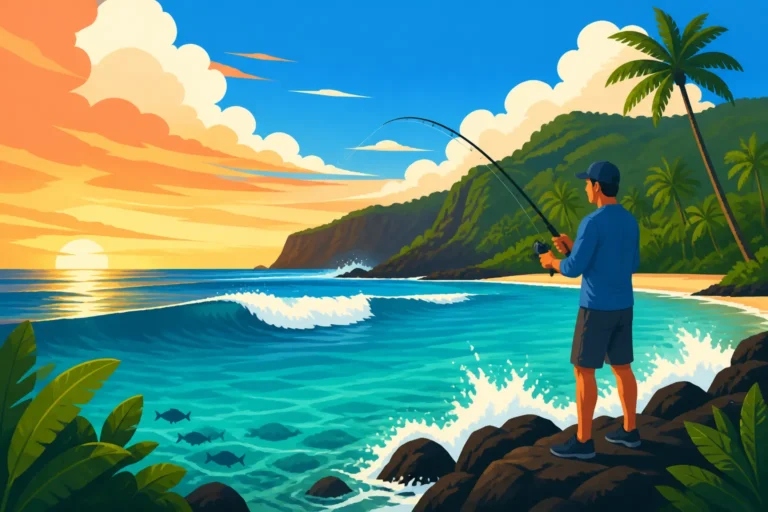
Venturing a little further from the immediate harbor area, either by kayak or a short drive, opens up more diverse nearshore habitats that attract larger species. The rocky points and small coves dotting the coastline on either side of Maalaea can be excellent places to target ulua, the adult giant trevally. These powerful fish patrol the deeper cuts and ledges, especially where there's good water movement and access to the open ocean. Fishing for ulua from shore typically involves heavy-duty surf casting gear, using large chunks of baitfish like akule or opelu, or even live bait on sliding rigs. It's a game of patience and brute strength, often done at night when these nocturnal hunters are most active. Many anglers consider it the ultimate challenge in Hawaiian shore fishing. For detailed guidance, you might find our guide on how to catch ulua from shore quite helpful.
On the sandy stretches of beach, particularly where there are calm, protected areas, you can find moi (Pacific threadfin). Moi are a highly prized eating fish in Hawaii, known for their delicate flavor. They prefer sandy bottoms and are often found in schools, especially around areas where freshwater runoff might introduce nutrients. Anglers often use very light tackle with small hooks, baiting with bits of shrimp, limu (seaweed), or bread balls. Float fishing can be effective, keeping your bait just off the bottom. There are specific Hawaii bag and size limits by species for moi, and they also have a closed season to protect spawning populations, so always consult the latest Hawaii fishing regulations explained before heading out. Catching moi requires a soft touch and keen observation, as their bites can be incredibly subtle.
| Fishing Type | Typical Target Species | Common Gear | Accessibility from Maalaea |
|---|---|---|---|
| Nearshore | Papio, Bonefish, Moi | Light spinning, fly rod | Shoreline access, kayak |
| Offshore | Marlin, Ahi, Mahimahi, Ono | Heavy trolling, deep drop gear | Charter boat, private vessel |
| Bottomfish | Opakapaka, Onaga, Kumu | Heavy jigging, bait rigs | Charter boat, private vessel |
Offshore Adventures from Maalaea Harbor
When most people dream of fishing in Hawaii, they're often picturing the thrilling deep-sea adventures that unfold beyond the reef. From Maalaea Harbor, these dreams become a vivid reality. The harbor is home to a robust fleet of experienced charter boats, ready to whisk you away to some of the most productive offshore fishing grounds in the Pacific. These trips are where you'll encounter the true giants of the ocean, offering a completely different kind of challenge and reward compared to shore fishing.
Targeting Pelagics in the 'Maui Channel'
The expanse of water stretching out from Maalaea, particularly the 'Au'au Channel that separates Maui from the islands of Lanai and Kahoolawe, is nothing short of legendary for pelagic fishing. This channel acts as a natural funnel and feeding ground for a wide array of migratory big game species. When you head out on a charter from Maalaea, your captain will likely be taking you to these productive waters to hunt for the prized game fish.
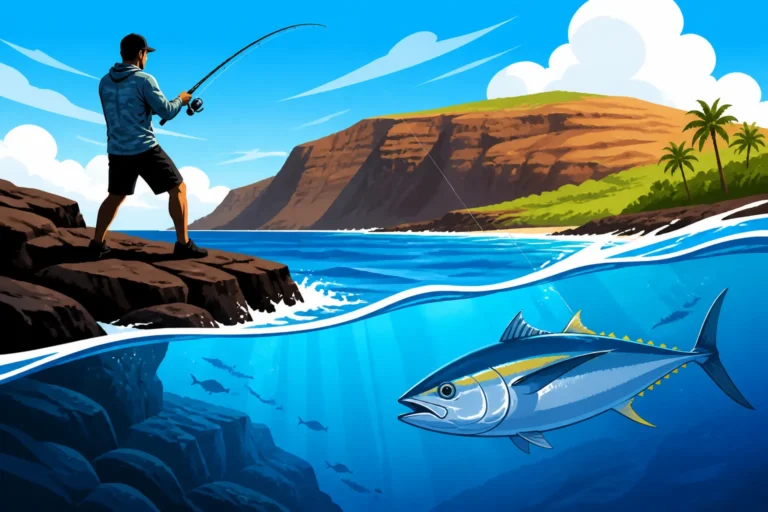
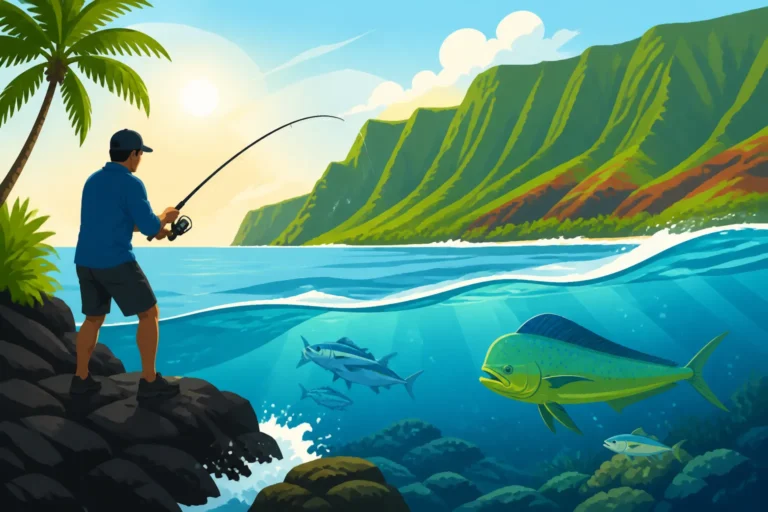
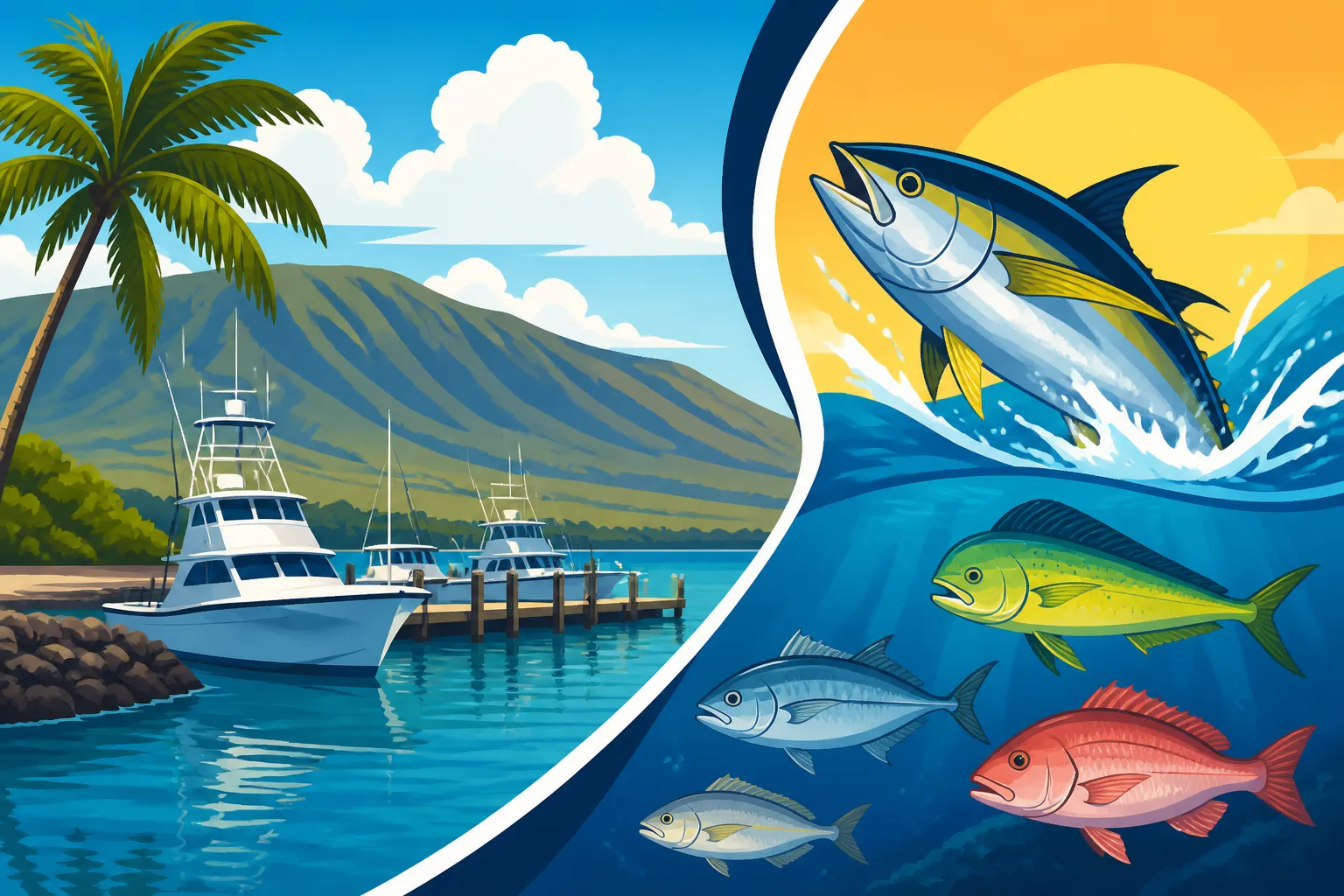
You'll be targeting the famous ahi (yellowfin tuna), known for their incredible speed and stamina. These powerful fish are often found near current lines, temperature breaks, or around the numerous FADs (Fish Aggregating Devices) deployed offshore. Trolling lures or live bait are common methods for enticing a strike. For many, catching an ahi (yellowfin tuna) in Hawaii is a bucket-list item, a testament to its fighting prowess and culinary value. Then there's the vibrant mahimahi, or dorado, which are not only stunning to look at with their iridescent colors but also put up a fantastic aerial fight. Mahimahi tend to congregate around floating debris or weed lines, making them a common and exciting catch. You might also encounter the speedy ono (wahoo), a sleek torpedo of a fish known for its lightning-fast runs and razor-sharp teeth. Trolling at higher speeds often proves effective for these elusive predators.
And of course, for many, the ultimate prize in these waters is the marlin. While the Kona coast is arguably more famous for its "grander" blue marlin, the Maui Channel still offers excellent opportunities for both blue marlin and striped marlin. Hooking into a marlin is an unforgettable experience, a true test of strength and endurance for both angler and tackle. These charters typically involve trolling a spread of large lures or rigged baits, covering a lot of water to find where the big fish are feeding. If you're looking to book one of these incredible experiences, platforms like FishingBooker can help you find and reserve a reputable Maalaea-based charter that specializes in targeting these magnificent pelagic species.
Deepwater Bottomfishing Grounds
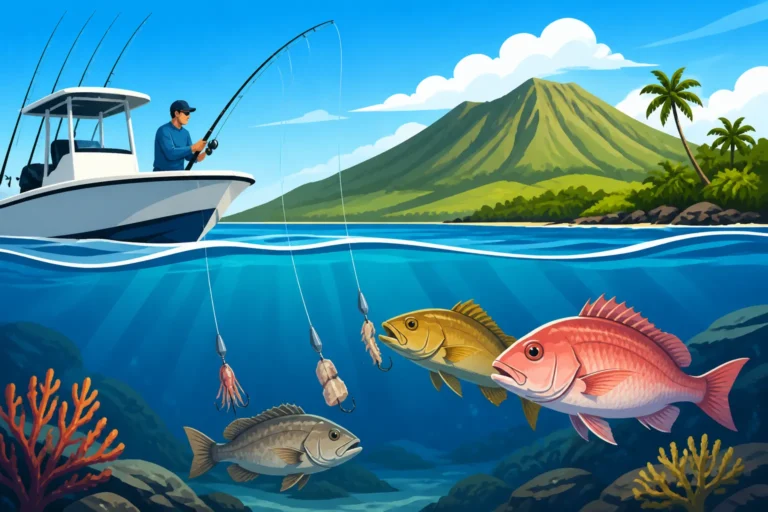
Beyond the thrill of pelagics, Maalaea Harbor also provides access to fantastic deepwater bottomfishing grounds. As you move further offshore, the seafloor drops dramatically, creating ledges, seamounts, and deep canyons that are home to a completely different class of fish. These are the deep-7 bottomfish, a highly coveted group that includes species like opakapaka (pink snapper), onaga (ruby snapper), ehu (squirrelfish snapper), kalekale (silverjaw snapper), gindai (randall snapper), hapu'upu'u (sea bass), and lehi (silvermouth). These fish are renowned for their exquisite flavor and are a staple of fine dining in Hawaii.
Accessing these depths requires specialized gear and techniques, typically aboard a well-equipped charter boat. Anglers use electric reels or heavy conventional gear to drop weighted rigs with multiple hooks down to depths ranging from 300 to over 1000 feet. Baits like squid, cut fish, or even specialized jigs are used to tempt these deep-dwelling creatures. The captains who run these charters are experts at locating the precise underwater structure where these fish congregate, often using advanced sonar and GPS. A trip focused on bottomfish offers a different kind of challenge and reward – it's less about the dramatic fight of a marlin and more about the consistent tug of multiple quality fish coming up from the deep. Finding the best bottomfishing charters in Hawaii can be simplified by exploring options available through services like FishingBooker, which lists boats with expertise in this specific type of fishing. It's a highly sought-after experience, blending skill, technology, and the promise of a delicious meal.
Essential Tips for Fishing Maalaea's Waters
Embarking on a fishing adventure from Maalaea Harbor, whether you're casting from the shore or trolling far offshore, is an exhilarating prospect. However, to ensure a successful, safe, and responsible trip, it's vital to be well-informed and prepared. Understanding local regulations and having the right gear can make all the difference between a frustrating day and a memorable one.
Local Regulations and Best Practices
One of the most crucial aspects of fishing in Hawaii is adhering to the regulations set forth by the Division of Aquatic Resources (DAR), a branch of the Hawaii Department of Land and Natural Resources (DLNR). Many people are surprised to learn that for recreational marine fishing in Hawaii, residents historically didn't need a license, but that has changed. For non-residents, a license is generally required for ocean fishing, and freshwater fishing universally requires a license for most ages and types of anglers. It’s always best to check the latest guidelines in our comprehensive Hawaii fishing license guide for 2026 to avoid any penalties.
Beyond licenses, understanding the specific Hawaii bag and size limits by species is paramount. These limits are in place to protect fish populations and ensure sustainable fishing for future generations. For example, some species like moi and uhu (parrotfish) have specific closed seasons or minimum size requirements. Spearfishers also have a unique set of Hawaii spearfishing regulations to follow. Always carry a copy of the regulations, either digitally or printed, and be familiar with them before you wet a line.
Beyond the letter of the law, adopting best practices is key. This includes practicing catch and release for undersized fish or those you don't intend to eat, minimizing your impact on fragile reef ecosystems, and properly disposing of all trash. Respecting marine life, such as Hawaiian monk seals and green sea turtles, means maintaining a safe distance and never disturbing them. Responsible angling isn't just about following rules; it's about being a good steward of Hawaii's precious natural resources.
Gear Recommendations for Maalaea Fishing
The type of gear you'll need will, of course, depend heavily on whether you're targeting small papio from shore or giant marlin offshore. However, here’s a general rundown to get you thinking about what to pack or what to look for on a charter:
For nearshore shore fishing around Maalaea, a medium-light spinning rod (7-9 feet) paired with a 2500-4000 series reel spooled with 10-20 lb braided line is a versatile setup. A fluorocarbon leader of 15-30 lb test is essential for stealth and abrasion resistance against rocks. Lures like small Kastmasters, Gibbs Minnows, Bucktail Jigs, and various soft plastics in natural colors are effective for papio. For bonefish, ultralight spinning gear with tiny jigs or flies on a fly rod (8-9 weight) is ideal. If targeting ulua from shore, you'll need heavy-duty surf rods (10-14 feet) capable of casting heavy weights and baits, paired with large conventional reels spooled with 50-100 lb braid and a heavy monofilament shock leader.
For offshore boat fishing, most charters will provide all the necessary gear, which includes heavy trolling rods (30-80 lb class) with matching conventional reels for marlin, ahi, mahimahi, and ono. If you're bringing your own gear for a private boat, ensure it's up to the task. For bottomfishing, electric reels or very stout conventional rods with 80-130 lb braided line are common, along with specialized deep drop rigs.
Regardless of your target, always bring polarized sunglasses to spot fish and protect your eyes, a good hat, reef-safe sunscreen, and plenty of water. A sharp knife, pliers, and a camera are also essential. If you’re prone to seasickness, don't forget to take preventative measures before heading out on any offshore adventure from Maalaea.
Disclaimer
Please remember that fishing conditions, regulations, and access can change. Always consult the latest information from the Hawaii Department of Land and Natural Resources (DLNR) Division of Aquatic Resources (DAR) before planning your trip. The advice provided here is for informational purposes only and does not guarantee fishing success or safety.