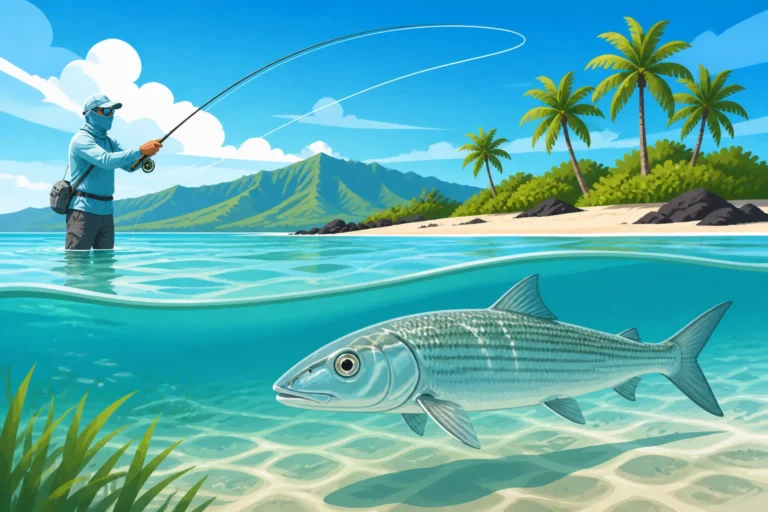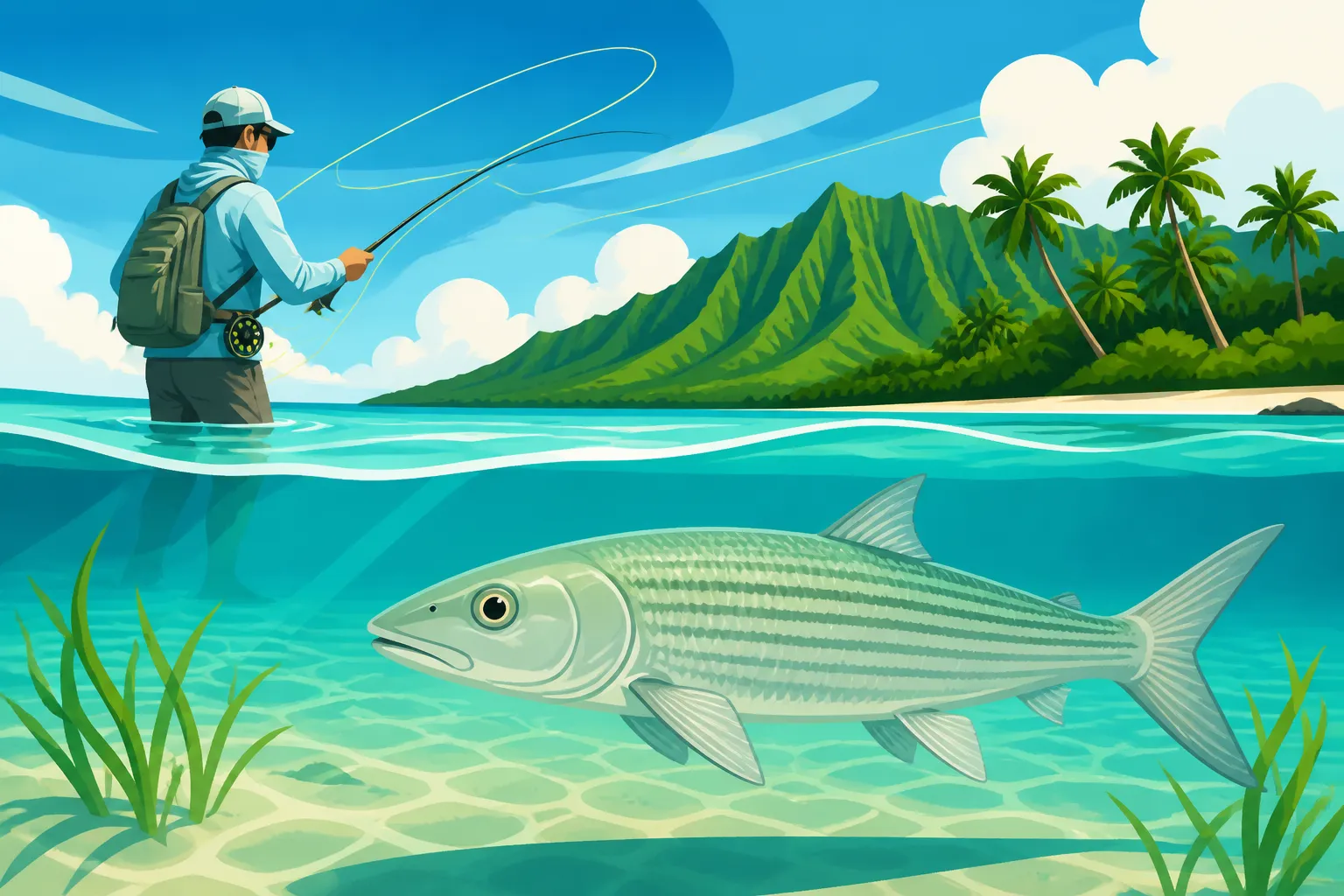
Best fly fishing access for bonefish on Oahu
Trying to find those elusive 'ghosts of the flats' – bonefish – on Oahu with a fly rod can feel like chasing a mirage sometimes, especially if you're not familiar with the islands' unique shoreline access and tidal patterns. It's not like your typical mainland trout stream or even some of the more well-known bonefish destinations. But trust me, with a little local knowledge and persistence, Oahu offers some incredible opportunities for the dedicated fly angler. This guide is going to walk you through the best spots, the right gear, and the essential know-how to make your Oahu bonefishing dreams a reality.
Understanding Oahu's Bonefish Flats
Oahu’s reputation for bonefish, locally known as o'io, is well-deserved. While not as vast as some other famous flats, what Oahu lacks in sheer acreage, it makes up for in accessible, productive areas where these powerful fish thrive. The key to finding them is understanding the unique characteristics of these Hawaiian flats.
What Makes Oahu Prime for Bonefishing?
Oahu's bonefish habitat consists primarily of shallow, sandy flats interspersed with coral rubble and deeper channels. Unlike some tropical locales with endless white sand, Oahu's flats often have a mix of darker sand, broken coral, and patchy seagrass, providing excellent camouflage for the o'io. These areas are typically sheltered by barrier reefs or natural bays, protecting them from the full force of the open ocean swells and creating calm, wadeable water. The prevalence of baitfish, crustaceans, and various invertebrates in these shallow ecosystems provides a consistent food source, allowing bonefish to grow to impressive sizes here. Many anglers are surprised by the sheer power of an Oahu bonefish once hooked; they’re incredibly strong for their size, capable of blistering runs that will test your drag system to its limits. This nutrient-rich environment means that even areas that look relatively small can hold trophy-sized fish, making every cast a potential adventure.
Seasonal Considerations for Bonefish on Oahu
While you can technically find bonefish on Oahu year-round, certain conditions make for more productive fly fishing. The general consensus among local anglers is that the calmer, drier months from April to October often provide the best visibility for sight fishing, though the winter months can also be excellent if you catch a stretch of good weather. Tides are arguably more critical than the time of year. Bonefish move onto the shallow flats with the incoming tide to feed, retreating to deeper channels as the tide recedes. Therefore, timing your trip to coincide with a rising tide, especially during the morning or late afternoon when the sun is lower and visibility is better, will significantly increase your chances. A medium to high tide is often ideal, as it provides enough water for the fish to feel comfortable in the skinny water without being too deep to spot them. Conversely, a very low tide can expose too much of the flat, pushing the fish out of casting range, though sometimes you can find them concentrated in deeper channels or cuts during these times. Keeping an eye on the local tide charts is absolutely paramount for a successful bonefishing excursion.
Top Fly Fishing Access Points for Bonefish on Oahu
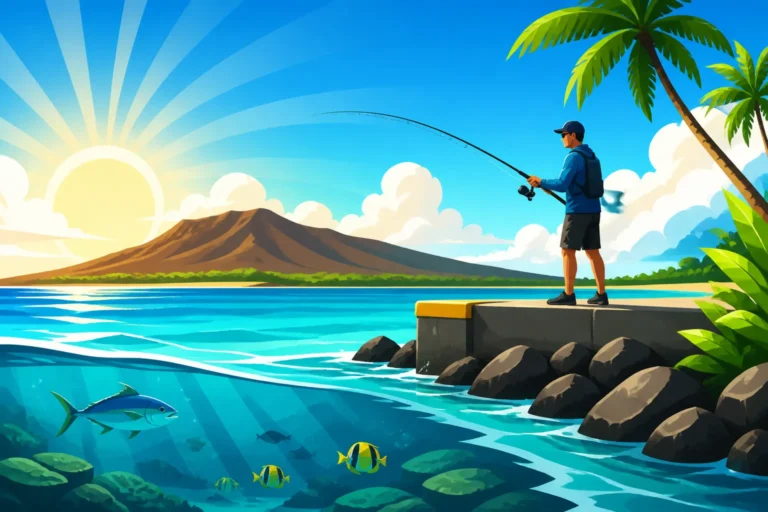
Oahu boasts several prime locations for fly fishing for bonefish, each offering a slightly different experience. The beauty of these spots is their accessibility, allowing both locals and visitors to get out on the flats. However, always be respectful of private property and follow all local regulations regarding public access. For a broader overview of opportunities, check out guides on the Best Bonefishing Spots in Hawaii.
Keehi Lagoon: A Bonefish Haven
Keehi Lagoon, located near Honolulu International Airport, is arguably one of Oahu's most famous and consistently productive bonefishing spots. Its extensive, relatively shallow flats are a mosaic of sand, mud, and coral rubble, creating an ideal feeding ground for o'io. Access is generally good, with several public parking areas. Anglers can wade out onto the flats, often encountering bonefish cruising in just inches to a few feet of water. The lagoon is vast, offering plenty of room to explore, but also meaning you might need to do some walking to find concentrations of fish. The water here can sometimes be a bit murky due to boat traffic or runoff, which adds to the challenge but also means the fish are often less spooky than in crystal-clear conditions. You'll need to be observant and patient, looking for subtle movements, nervous water, or the tell-tale tailing fish as they root around for food. It’s also a busy area with various water sports, so picking your times, like early mornings, can help you avoid crowds and enjoy a more peaceful experience. For those considering guided options, many local guides who specialize in these areas can be found on platforms like FishingBooker, offering invaluable expertise on navigating the lagoon.
Sand Island: More Than Just a Park
Just a short drive from downtown Honolulu, Sand Island State Recreation Area offers another fantastic, and often less crowded, alternative for bonefish fly fishing. The park itself is a popular spot for picnicking and surfing, but its surrounding flats and channels are prime o'io territory. Similar to Keehi Lagoon, Sand Island features expansive, wadeable flats with mixed bottom compositions. The key here is often exploring the edges of the channels and the transition areas where the shallow flats drop off into deeper water. Bonefish frequently patrol these zones, especially on a falling tide, making them excellent ambush points. Anglers should be prepared for some walking, as the best spots might require a trek. The clarity of the water can vary, but generally, it's good enough for sight fishing on calm days. Remember to bring plenty of water and sun protection, as shade is minimal. This area can feel a bit more remote than Keehi, offering a more tranquil fly fishing experience, and provides excellent opportunities to practice your casting and wading skills.
Other Promising Oahu Flats and Their Challenges
While Keehi Lagoon and Sand Island are excellent starting points, Oahu has other potential flats to explore, though they often come with their own set of challenges. Some areas around the island's military installations can hold fish, but access is strictly restricted or requires special permits. Other remote stretches of shoreline might offer pristine flats, but getting there could involve long hikes or knowledge of private land boundaries, which you absolutely need to respect. For example, some windward side flats can be very productive, but prevailing trade winds can make fly casting extremely challenging, even for experienced anglers. Always research public access points thoroughly and be mindful of local communities. When exploring, always prioritize safety, inform someone of your plans, and be aware of ocean conditions. A good resource for understanding your rights and responsibilities can be found in discussions around Hawaii shoreline fishing rights and public access rules.
Essential Gear and Techniques for Oahu Bonefish Fly Fishing
Success on Oahu's bonefish flats hinges not just on finding the fish, but on having the right gear and employing effective techniques. These fish are strong, fast, and surprisingly spooky.
Recommended Fly Rods, Reels, and Lines
For Oahu bonefish, an 8-weight fly rod is generally considered the sweet spot. It provides enough backbone to cast into the wind, handle larger flies, and fight powerful fish, yet still offers enough sensitivity for delicate presentations. If you anticipate larger fish or very windy conditions, a 9-weight can be a good choice, but avoid going heavier than a 10-weight unless specifically targeting giant trevally. Pair your rod with a high-quality saltwater fly reel that has a smooth, sealed drag system and enough capacity for at least 150-200 yards of 20-pound backing. Bonefish are known for their initial blistering runs, so a reliable drag is non-negotiable. For lines, a weight-forward floating line designed for saltwater conditions is essential. Look for lines with a short, aggressive front taper to turn over larger flies and leaders, and a tropical coating that resists wilting in the heat. A 9-12 foot leader, tapering down to a 10-15 pound fluorocarbon tippet, is standard. Fluorocarbon is crucial here due to its abrasion resistance against coral and its low visibility in clear water.
Effective Fly Patterns for Oahu Bonefish
Oahu bonefish aren't overly picky, but presentation and imitation are key. The most effective flies mimic the small crabs, shrimp, and baitfish that make up their diet. Some tried-and-true patterns include:
- Gotcha patterns: In tan, pink, or chartreuse, these are classic bonefish flies that imitate shrimp. Vary the weight depending on water depth.
- Christmas Island Specials: Again, in various colors like tan, pink, or pearl, these shimmer and twitch alluringly.
- Crab patterns: Small lead-eye or bead-chain crab imitations in tan, olive, or brown can be deadly when bonefish are targeting crustaceans.
- Clouser Minnows: Smaller, sparsely tied Clousers in white/grizzly or tan/white can imitate small baitfish.
Always carry a variety of sizes (typically #4 to #8) and weights to adapt to different depths and conditions. The most important thing is often the presentation – landing the fly softly a few feet ahead of a cruising fish and stripping it subtly. For a deeper dive into fly selection, check out our guide on the Best fly patterns for Oahu bonefish.
Wading and Casting Strategies on Oahu's Flats
Wading on Oahu's flats demands caution due to sharp coral and hidden rocks. Reef boots or sturdy wading shoes with good ankle support are absolutely essential. Never wade barefoot. When wading, move slowly and deliberately, disturbing the water as little as possible. Your goal is to spot the fish before they spot you. Look for subtle signs: nervous water, fin tips, or the shadow of a cruising fish.
Casting on the flats often means dealing with wind, so practicing your double-haul is critical. You'll need to make accurate, often long casts to intercept cruising fish without spooking them. The typical presentation involves landing the fly gently 3-5 feet ahead of the fish, allowing it to settle, and then initiating slow, short strips that make the fly "come alive." Watch the fish's reaction; if it charges, keep stripping. If it spooks, freeze and let the fly sit. Persistence and stealth are your best allies. Many experienced anglers also recommend honing their Wading Techniques for Hawaii Shore Fishing to increase their chances.
Navigating Regulations and Ethical Practices
Fishing in Hawaii, even recreationally, comes with a set of guidelines and an implicit responsibility to preserve its unique marine environment. Understanding the rules and practicing ethical angling are crucial.
Hawaii Fishing License Requirements
This is where it can get a little tricky and sometimes confusing for visitors. Currently, as of early 2024, Hawaii residents do not need a license to recreationally fish in ocean waters. However, if you are planning to fish in freshwater (like the Wahiawa Reservoir or Kokee Public Fishing Area), a freshwater fishing license is required for everyone aged 18 and older, residents and non-residents alike. For non-residents planning on marine fishing, while a recreational saltwater license isn't currently mandatory, many visitors find themselves asking Do You Need a Fishing License in Hawaii for peace of mind. The Division of Aquatic Resources (DAR) continuously evaluates the need for a marine recreational license, so it’s always best to check the most current regulations directly on the Hawaii DLNR DAR website before your trip. It's also worth noting that some discussions around a Hawaii Nonresident Marine Fishing License, Explained have occurred in the past, so staying informed is wise. For commercial fishing or if you're chartering a boat, different rules apply, but for shore-based recreational fly fishing for bonefish, the focus is on freshwater licenses and staying updated on marine regulations.
Practicing Catch and Release for Sustainable Bonefishing
Bonefish, or o'io, are highly prized game fish in Hawaii, but they are generally not considered a prime eating fish due to their bony nature. For fly anglers, the thrill is in the chase and the fight. Therefore, practicing catch and release is not just good sportsmanship, it's vital for maintaining healthy bonefish populations. When you hook an o'io, fight it efficiently to minimize stress. Once landed, handle the fish carefully with wet hands or a wet net. Avoid touching its gills or eyes. Quickly remove the hook with pliers or forceps, ideally while the fish is still in the water. If you must take a photo, do so rapidly, keeping the fish submerged as much as possible, and support its full body weight. Never drag a fish onto dry sand or coral. Gently revive the fish by holding it upright in the water, allowing water to flow over its gills, until it swims away under its own power. This commitment to conservation ensures that these incredible fish continue to thrive for future generations of anglers.
Comparing Top Oahu Bonefishing Access Points
| Location | Primary Bottom Type | Wading Difficulty | Crowds (Avg.) | Key Advantages | Potential Challenges |
|---|---|---|---|---|---|
| Keehi Lagoon | Sand, mud, coral rubble | Easy to Moderate | Moderate | Extensive flats, high bonefish density, accessible. | Boat traffic, occasional murky water. |
| Sand Island | Mixed sand, coral patches | Easy to Moderate | Low to Moderate | Quieter, good structure, potential for larger fish. | Exposed to wind, longer walks to prime spots. |
| Other Flats | Varies | Moderate to Hard | Low | Seclusion, untouched feel, diverse habitat. | Access restrictions, challenging conditions. |
Disclaimer
Please note that fishing regulations, access points, and environmental conditions in Hawaii can change. It is always the angler's responsibility to check the latest rules and conditions with the Hawaii Department of Land and Natural Resources (DLNR) Division of Aquatic Resources (DAR) before heading out. This guide provides general information and should not be considered a substitute for official government regulations or local expertise. Always prioritize safety and respect the environment.