Best fishing spots in Waianae
The rugged, breathtaking coastline of Waianae, on Oahu's leeward side, offers a truly unique Hawaiian fishing experience. Far from the bustling resorts of Waikiki, this stretch of shore is where locals go to connect with the ocean, but finding the truly productive spots and understanding the local nuances can be a real head-scratcher for visitors. This comprehensive guide will help you navigate the best fishing spots in Waianae, sharing insights into what you can catch, the techniques that work, and how to immerse yourself respectfully in the local fishing culture.
Unlocking Waianae's Diverse Shoreline Fishing Gems
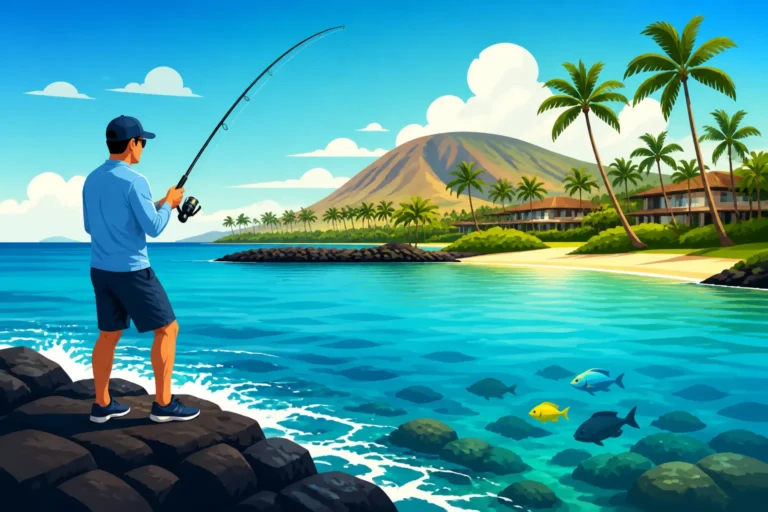
Waianae's coastline is a tapestry of sandy beaches, ancient lava flows, and rocky points, each offering a distinct fishing opportunity. It's a place where you can truly get away from the crowds and feel the raw power of the Pacific. But don't let the serene beauty fool you; these waters are teeming with life, and with a bit of local know-how, you can tap into some fantastic action.
Sandy Shores and Reef Edges
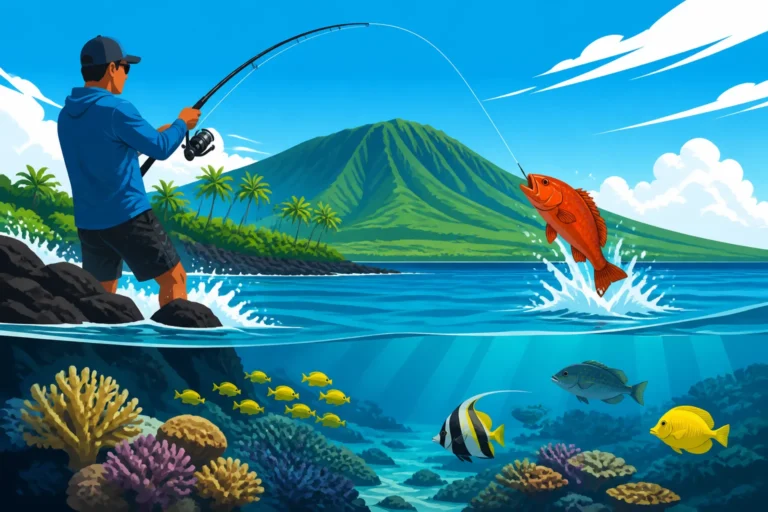
Many of Waianae's popular beach parks, like Maili Beach Park or Tracks Beach Park, offer excellent access for shore fishing. These sandy stretches often have underlying reef structures just beyond the breaking waves, creating perfect ambush points for smaller predatory fish. Here, you'll frequently encounter papio (juvenile trevally), a favorite target for light tackle anglers, and sometimes even the elusive moi (Pacific threadfin) when they are in season and feeding near the surf.
For these sandy and reef-edge areas, the "whipping" technique is incredibly popular. This involves casting small artificial lures, like Kastmasters, Tady jigs, or even soft plastic grub tails, and retrieving them with a fast, erratic motion. The key is to cover a lot of water and mimic a fleeing baitfish. Dawn and dusk are prime times, as the low light makes fish bolder, and the changing tides can bring in fresh food sources. Always keep an eye on the swell, as strong currents can make footing tricky on the reef edges. If you're keen on mastering this technique, our guide on How to Catch Papio on Hawaii's Shoreline offers some great pointers.
Rugged Rocky Points and Lava Outcroppings
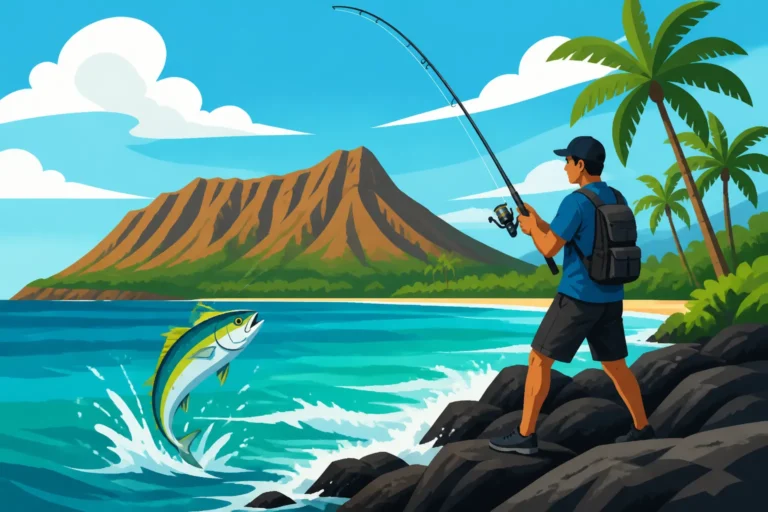
Moving further along the coast, you'll discover numerous rocky points and ancient lava flows that jut out into the ocean. These areas are magnets for a different class of fish, offering deeper water access and more intricate reef systems. Here, you're more likely to encounter larger papio, the occasional ulua (giant trevally), kumu (goatfish), weke (goatfish), and a variety of other reef species that forage in the rocky terrain.
When fishing these rocky areas, "dunking" or "slide baiting" with heavier tackle becomes the preferred method, especially if you're targeting ulua. This involves using a stout surf rod, heavy line, and a large piece of cut bait (like squid, opelu, or even whole akule) cast out into deeper channels or along the edges of the reef. Many anglers prefer to fish these spots at night, especially during the new or full moon, when ulua are known to be most active. The sheer power of an ulua strike can be exhilarating, and landing one from shore is a true accomplishment. To learn more about tackling these formidable fighters, check out our detailed article on How to Catch Ulua from Shore. Safety is paramount on these uneven, often slippery surfaces, so good footwear and a headlamp for night fishing are non-negotiable.
Pokai Bay: A Sanctuary and Launchpad for Anglers
Pokai Bay, nestled in the heart of Waianae, stands out as a unique and invaluable fishing spot. It's a naturally protected harbor, making it a calmer, safer environment than many other stretches of the Waianae coast. This makes it particularly appealing for families, beginners, and those looking to launch smaller craft.
Pier and Breakwater Fishing
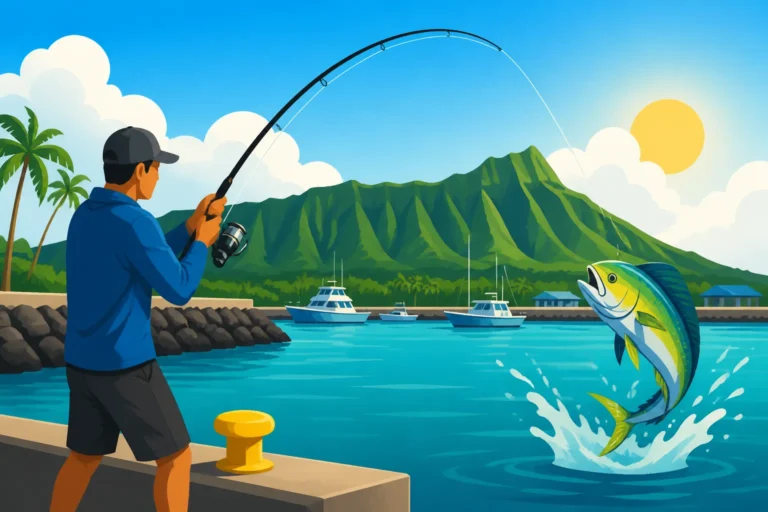
The breakwater at Pokai Bay offers fantastic opportunities for shore-bound anglers. The protected waters inside the bay are often calm, making it a great place to introduce kids to fishing. You can cast out for small papio, various reef fish, and sometimes even barracuda. The structure of the breakwater itself attracts baitfish, which in turn brings in larger predators. Using light spinning gear with small plastics, spoons, or live shrimp can be very effective here. It's not uncommon to see locals fishing with small nets for baitfish, which they then use for bigger catches.
Just outside the mouth of the bay, the deeper waters and converging currents can be very productive. Anglers here might target larger papio, small ulua, or even a stray mahimahi during certain seasons. It's a popular spot for both whipping and bait fishing, offering a good mix of species depending on where you cast. For more insights into these types of locations, our guide on the Best Harbor Fishing Spots in Hawaii can provide additional context.
Kayak and Small Boat Access
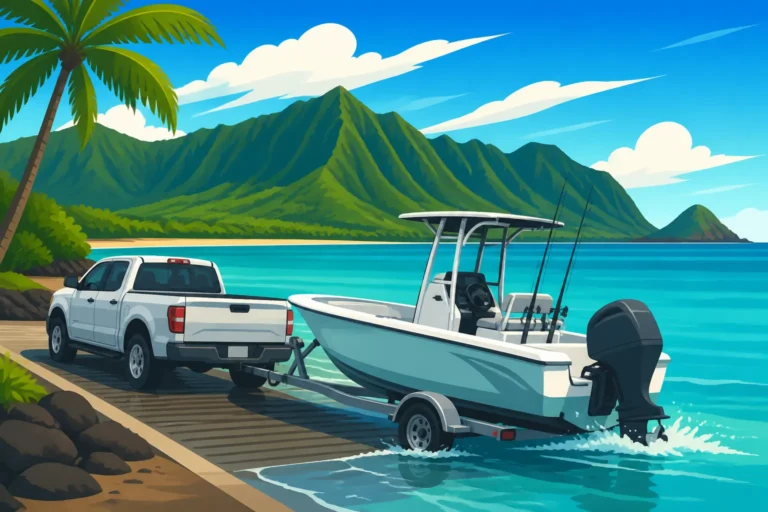
Pokai Bay also serves as an excellent launch point for kayaks, stand-up paddleboards, and small boats. From here, you can paddle or motor out to explore the nearshore reefs and deeper waters just outside the bay. Many local kayakers head out to troll for smaller pelagics like mahimahi and ono, or to bottomfish for menpachi (squirrelfish) and other reef dwellers.
This accessibility allows anglers to reach spots that are simply inaccessible from shore, opening up a whole new world of fishing. Just remember to adhere to all Hawaii Boating Laws for Anglers and always check weather and ocean conditions before venturing out. The leeward coast can get very hot, so bring plenty of water and sun protection.
Venturing Offshore: Waianae's Deep-Sea Potential
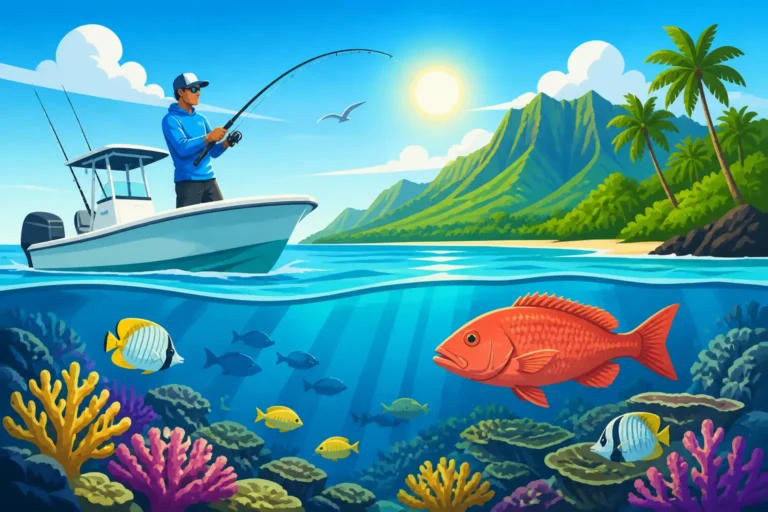
While the Kona Coast on the Big Island often steals the spotlight for big-game fishing, Waianae's offshore waters are incredibly productive and offer fantastic opportunities for pelagic species without the same level of boat traffic. The deep waters drop off relatively close to shore along the leeward side of Oahu, creating ideal conditions for tuna, marlin, mahimahi, and ono.
Charter Fishing from Wai'anae Harbor
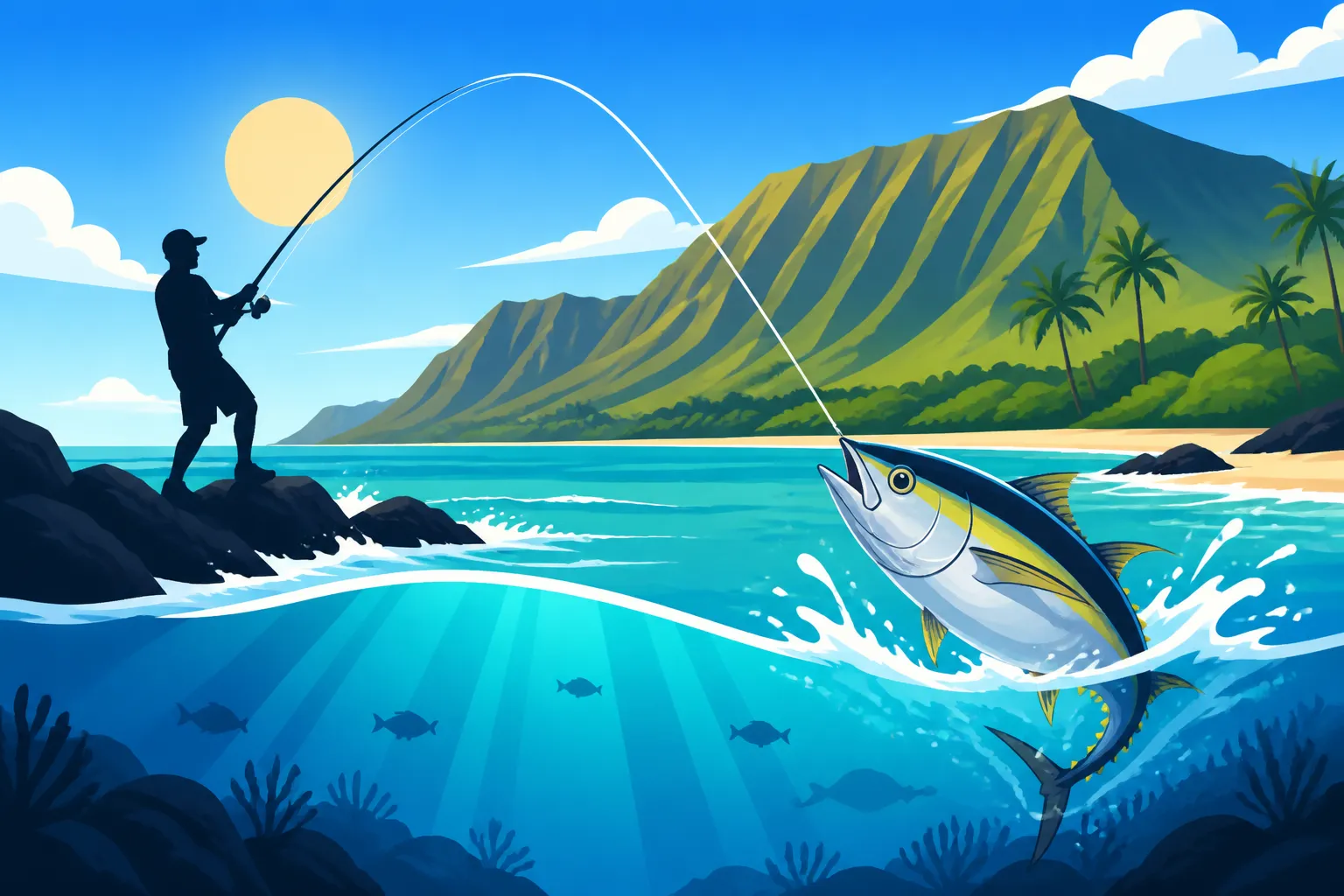
Wai'anae Boat Harbor, just north of Pokai Bay, is the main hub for larger sportfishing charters in the area. These charters typically head out to the offshore FADs (Fish Aggregating Devices) or troll the various current lines and temperature breaks that concentrate baitfish. If you're dreaming of battling a powerful ahi (yellowfin tuna), the waters off Waianae are a prime hunting ground, especially during the warmer months when these magnificent fish are migrating through. Our guide to Ahi (Yellowfin Tuna) Fishing in Hawaii details the best strategies for these prized catches.
You'll find experienced captains who specialize in targeting specific species, employing techniques like high-speed trolling for ono (wahoo), slow trolling live bait for marlin, or "chunking" (chumming with cut bait) to bring ahi closer to the boat. If you're looking for a guided experience, platforms like FishingBooker can connect you with local captains who know the Waianae waters inside and out. They offer trips ranging from half-day excursions, perfect for families or those new to offshore fishing, to full-day adventures for serious anglers.
Targeting Pelagic Species
The offshore fishing in Waianae isn't just about ahi. Ono (wahoo) are regularly caught, known for their incredible speed and delicious meat. Mahimahi (dorado) are also seasonal visitors, often found under floating debris or around FADs, offering spectacular aerial displays when hooked. Even marlin, including blue and striped marlin, cruise these waters, providing a thrilling challenge for anglers. While there are fewer large-scale charter operations directly out of Waianae compared to Honolulu or Kona, you can still find excellent local guides. A quick search on FishingBooker might reveal smaller, owner-operated boats offering personalized trips, sometimes at a more reasonable rate, giving you a truly authentic local experience. These boats may not be as flashy, but they often have generations of local knowledge that can make all the difference.
Responsible Angling and Essential Regulations in Waianae
Fishing in Waianae, like anywhere in Hawaii, comes with a deep sense of respect for the ocean, or kai, and the land, 'aina. Understanding and adhering to local regulations and cultural etiquette is not just a legal requirement but a crucial part of preserving this precious resource for future generations.
Navigating Hawaii's Fishing Regulations
Hawaii has specific rules designed to protect its unique marine life. Before you cast a line, it’s vital to be familiar with the Hawaii Division of Aquatic Resources (DAR) regulations. These cover everything from bag and size limits for various species to gear restrictions and protected areas. For instance, species like moi and uhu (parrotfish) have specific closed seasons or minimum size requirements to ensure their populations can thrive. You can find comprehensive details in our Hawaii Fishing Regulations Explained guide or the Hawaii Bag and Size Limits by Species resource. Always check the latest updates, as regulations can change. Always check the latest Hawaii Division of Aquatic Resources (DAR) regulations before heading out. Information on specific bag limits for species like papio, ulua, or moi can be found on the DAR website or through reliable sources like FishingBooker's detailed guides.
While marine fishing licenses for recreational ocean angling are not required for Hawaii residents, non-residents usually need a license. It's crucial to understand these requirements, which are thoroughly covered in our Hawaii Fishing License Guide for 2026 for ocean and Hawaii Freshwater Fishing License and Rules for inland waters. Even if you're fishing with a charter, it's good practice to understand the general rules.
Local Etiquette and Conservation
Waianae's fishing community is built on tradition and a strong connection to the ocean. When fishing in these local spots, remember a few key etiquette points:
- Malama 'Aina: Care for the land and sea. This means packing out everything you pack in, and perhaps even picking up any trash you find. Leave the area cleaner than you found it.
- Respect Other Anglers: If a spot is occupied, give others space. Don't crowd someone's fishing area, especially on a rocky point where casting room is limited.
- Share Your Catch (Optional, but Appreciated): While not required, offering a portion of a good catch to a local family is a wonderful way to show respect and build connections.
- Know Your Limits: Adhere to bag and size limits. Don't overfish, even if you could. Release fish that are undersized or that you don't intend to eat, handling them with care to ensure their survival.
- Be Mindful of Protected Species: Hawaii is home to many protected marine animals, including Hawaiian monk seals and sea turtles. Keep a respectful distance and never disturb them.
Consulting with local experts, perhaps found through platforms like FishingBooker, can enhance your trip by providing insights into both the best fishing techniques and the local cultural considerations.
| Waianae Fishing Spot | Primary Target Species | Recommended Techniques | Notes |
|---|---|---|---|
| Maili Beach Park | Papio, Moi, Small Reef Fish | Whipping (lures), Light Bait Fishing | Sandy beach with scattered reef; dawn/dusk best |
| Tracks Beach Park | Papio, Moi, Small Ulua | Whipping, Medium Bait Fishing | Popular for families; good surf fishing |
| Rocky Points (General) | Ulua, Larger Papio, Kumu, Weke | Slide Baiting, Heavy Bait Fishing | Challenging access; night fishing often best |
| Pokai Bay Breakwater | Papio, Reef Fish, Juvenile Barracuda | Light Tackle, Small Lures, Live Bait | Protected, good for beginners; family-friendly |
| Offshore (from Harbor) | Ahi, Ono, Mahimahi, Marlin | Trolling, Jigging, Chunking (Chumming) | Requires boat/charter; year-round potential |
Waianae offers a fishing adventure that's truly authentic Hawaiian. Whether you're casting from shore or venturing offshore, the rewards are often more than just a good catch—they're about the experience, the scenery, and the connection to the island's rich fishing heritage.
Disclaimer
Please be aware that fishing conditions, regulations, and access points can change. Always verify the latest information with the Hawaii Division of Aquatic Resources (DAR) before heading out. Safety should always be your top priority when fishing in Hawaii's diverse and sometimes challenging environments.