How to fish a popper for giant trevally
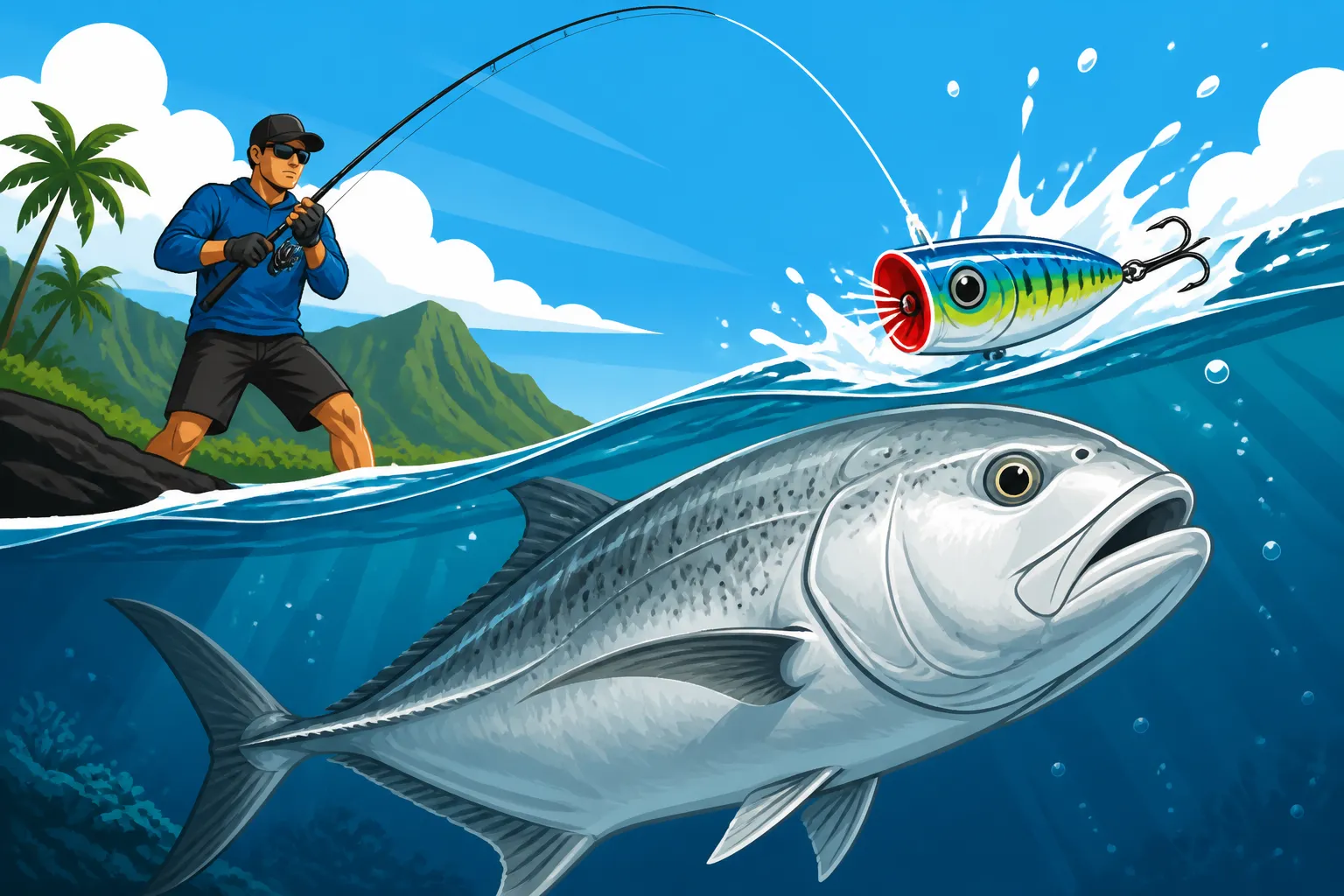
There's nothing quite like the heart-stopping explosion of a giant trevally, or ulua as we call them here in Hawaii, blowing up on a topwater popper. Many anglers dream of this moment, but the reality of consistently hooking and landing these powerful predators on artificials can feel daunting. If you've been struggling to entice these beasts to the surface or simply want to elevate your topwater game, this guide is dedicated to helping you master the art of popper fishing for ulua, making that dream strike a more frequent reality.
Understanding Giant Trevally and Their Habitat for Popper Success
Before you even think about casting, it's crucial to understand the magnificent creature you're targeting: the ulua, or Giant Trevally. These aren't your average fish; they are apex predators of the reef, renowned for their incredible strength, aggressive strikes, and brutal fighting power. Knowing their habits and preferred hangouts is the first step to putting your popper in the strike zone.
The Elusive Nature of Ulua and Why Poppers Work
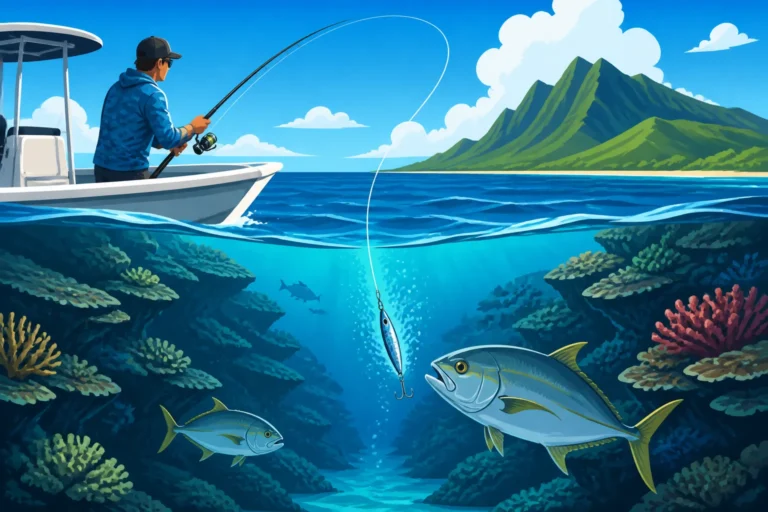
Ulua are opportunistic hunters, constantly patrolling reef edges, channels, and rocky structures for an easy meal. They are highly territorial and incredibly powerful, often ambushing prey with explosive speed. Their diet primarily consists of smaller reef fish, crabs, and even juvenile squid, which they engulf with astonishing force. This predatory instinct is precisely why poppers are so effective. A well-worked popper mimics a distressed baitfish struggling on the surface, or a small animal that has fallen into the water, creating commotion that triggers the ulua's innate hunting drive. The visual spectacle and audible "pop" act as irresistible dinner bells.
The "fight or flight" response in an ulua is a fascinating thing to observe, especially when it comes to topwater lures. Unlike some species that might inspect a lure with caution, a true ulua strike on a popper is often a full-commitment, aggressive charge. It’s not just about eating; it's about asserting dominance and eliminating perceived threats or competition in their territory. That’s why the violent splash and gurgle of a popper often provoke a more aggressive reaction than a sub-surface lure, particularly in active fish.
Prime Locations for Popper Fishing Ulua in Hawaii
Hawaii offers an incredible variety of environments perfect for popper fishing for ulua. When you're standing on the shoreline, you need to "read the water" and identify key areas where these powerful fish are likely to patrol or stage an ambush. Think about where baitfish would naturally congregate or where currents create feeding opportunities.
Rocky points and lava outcroppings are absolute magnets for ulua. These areas often have deeper water close to shore, strong currents, and plenty of structure for ambush points. Reef edges, where the shallow reef drops off into deeper water, are also prime real estate. Ulua will cruise these edges, darting into the shallows to snatch prey. Channels, especially those with strong tidal flow connecting two bodies of water, are feeding highways where ulua lie in wait for baitfish being swept through. Look for areas with turbulent white water, as the commotion often disorients baitfish and provides cover for predatory ulua. Learning about the specific characteristics of these areas can greatly increase your success, as explored in articles like Best Shore Fishing Spots in Hawaii.
Even harbors and protected bays can hold significant populations, especially around jetties, pilings, and the mouths of canals that connect to the open ocean. These are often overlooked but can be highly productive, particularly during dawn and dusk. Understanding the unique dynamics of different spots, from the exposed rocky shores of the Big Island to the more structured reefs of Oahu, will help you tailor your approach. Remember, patience is key, but so is understanding where your target is likely to be actively hunting.
Essential Gear for Popper Fishing Giant Trevally
You can't bring a knife to a gunfight, and you certainly can't bring light tackle to an ulua popper battle. These fish are notorious for their raw power and unforgiving runs, capable of breaking lesser gear in an instant. Investing in the right heavy-duty setup isn't just about catching fish; it's about giving yourself a fighting chance against one of the ocean's toughest adversaries.
Rod, Reel, and Line Selection for Power and Durability
For serious ulua popper fishing, you'll need a robust spinning setup. Think heavy-duty offshore or surf casting gear designed to handle massive amounts of drag and abuse. A rod in the 7-foot to 8.5-foot range with a heavy power rating and a fast to extra-fast action is ideal. This length provides the casting distance needed to reach distant boils and channels, while the power helps you turn a charging ulua away from structure. The rod should be capable of handling lures in the 3-6 ounce range, which is typical for larger poppers.
Pair your rod with a high-quality, large-capacity spinning reel, typically in the 14000 to 20000 size range. Look for reels known for their exceptional drag systems, durable construction, and high line capacity. You'll need a lot of line because ulua make blistering runs. Spool up with 65-100 lb braided line, which offers incredible strength-to-diameter ratio, no stretch for solid hook sets, and maximum casting distance. A heavy fluorocarbon leader, 80-150 lb test, is absolutely essential. Ulua have abrasive mouths and will quickly chafe through lighter leaders, so don't skimp here. The length of your leader can vary, but typically 3 to 6 feet is a good starting point, providing enough shock absorption and abrasion resistance. Some anglers even prefer a longer leader, up to 10 feet, depending on conditions and the specific spot.
Choosing the Right Popper Lures for Hawaiian GT
The market for poppers is vast, but for Hawaiian ulua, you want specific characteristics. Size matters; poppers in the 4-8 inch range are often ideal, mimicking larger baitfish. Weight is also crucial for casting distance, especially from shore, so look for poppers weighing 2.5 to 6 ounces, sometimes even heavier.
There are generally a few styles of poppers to consider:
- Cup-faced poppers: These have a deeply cupped face that displaces a lot of water, creating a loud "pop" and splash. They are excellent for attracting attention from a distance and in choppy conditions.
- Chugger-style poppers: Similar to cup-faced but with a less aggressive concave face, they create more of a gurgling, "chug" sound and a more subtle splash. Great for when fish are slightly less aggressive or in calmer waters.
- Pencil poppers: These are elongated, slender lures designed for a "walk-the-dog" retrieve, creating a slithering, side-to-side action on the surface with minimal splash. They are fantastic for mimicking injured baitfish and can be deadly when ulua are finicky or surface feeding on smaller prey. You can find a wide array of these styles on online retailers like Amazon, allowing you to compare features and read reviews before making a selection.
Color can play a role, but often the action and noise are more critical. Natural baitfish patterns (blue, silver, green, white) are always a safe bet. Sometimes, a bright, contrasting color can trigger an aggressive bite, especially in low light or murky water. Don't forget to have a few options in your tackle box; what works one day might not work the next. Exploring the extensive options available on platforms like Amazon is a convenient way to compare different brands and styles.
Terminal Tackle: Hooks, Split Rings, and Swivels
The weakest link in your chain is where a trophy ulua will break you off. Every component from your main line to your lure must be up to the task. Most factory hooks and split rings on poppers are simply not strong enough for giant trevally. You'll need to upgrade immediately.
Replace stock treble hooks with heavy-duty, corrosion-resistant treble or single inline hooks. Many anglers prefer single hooks for their increased penetration, better hook-up ratios, and reduced risk of fouling the lure. Ensure your split rings are also heavy-duty, rated for 200-300 lbs or more. These tiny pieces of metal bear immense stress during the fight. A high-quality ball-bearing swivel between your main line and leader can prevent line twist, especially with aggressive popper retrieves, but many prefer a direct knot to the leader for maximum strength and stealth. Always check knots and leader integrity after every fish or snag, and regularly inspect your split rings and hooks for any signs of weakness or rust. Finding robust terminal tackle, like extra strong split rings and corrosion-resistant hooks, can often be done by searching specialty fishing gear on sites like Amazon, ensuring you're prepared for anything an ulua throws at you.
Mastering the Popper Retrieve Techniques for Ulua
The magic of popper fishing lies in the retrieve. It's not just about reeling in; it's about imparting life into that piece of plastic or wood, making it irresistible to a lurking ulua. The technique you employ can be the difference between a frustrating blank day and an unforgettable topwater explosion.
The "Pop and Pause" – Classic and Effective
The "pop and pause" is the quintessential retrieve for poppers, and it's devastatingly effective for ulua. Here’s how you do it:
- Cast: Make a long, accurate cast to your target area—a rocky point, reef edge, or channel mouth.
- Settle: Let the popper sit for a few seconds after splashdown. This mimics a stunned or injured baitfish that has just hit the water.
- Pop: Point your rod tip low to the water and give a sharp, strong downward sweep of the rod, simultaneously reeling in a foot or two of slack. This makes the popper "pop" loudly, displacing water and creating a splash. The amount of force will dictate the size of the pop. Experiment!
- Pause: Immediately after the pop, pause. Let the popper sit motionless for anywhere from 3 to 10 seconds. This is often when the strike occurs, as the ulua rushes in to engulf what it perceives as an easy meal.
- Repeat: Vary the length of your sweeps and pauses. Sometimes, a series of quick pops followed by a long pause is the ticket. Other times, a single hard pop and a short pause will trigger a strike. Pay attention to what the fish respond to.
This technique works because it perfectly imitates a struggling, injured prey animal, making it an easy target. The pause is critical, as it gives the ulua time to zero in on the "crippled" bait. The visual and audible commotion of the pop attracts their attention from a distance, while the subsequent pause offers them a clear, vulnerable target.
Walk-the-Dog and Other Erratic Retrieves
While the classic pop and pause is a staple, sometimes ulua want something a little different. This is where other erratic retrieves come into play, especially with pencil poppers or chuggers that can be worked in a more subtle manner.
- Walk-the-Dog: This retrieve is fantastic for pencil poppers and creates a mesmerizing, side-to-side gliding motion across the surface. To "walk the dog," keep your rod tip pointed slightly down and impart short, rhythmic twitches with your wrist while steadily reeling in slack. The trick is to find that rhythm where the lure sashays back and forth. It requires practice but can be incredibly effective when ulua are keyed in on more subtle baitfish movements. This retrieve mimics a fleeing baitfish and can be particularly effective in calmer conditions or when fish are being finicky.
- Constant Chug: For some chugger-style poppers, a constant, medium-speed retrieve with occasional, softer twitches can also trigger strikes. This creates a steady gurgling sound and a small wake, mimicking a fast-moving, smaller baitfish.
- Skipping/Skittering: Sometimes, a fast, almost panicked retrieve, where the popper skitters across the surface like a flying fish, can elicit a reactive strike. This is often done with cup-faced poppers by keeping the rod tip high and reeling fast with intermittent short, sharp jerks.
Varying your retrieve within a single cast can also be a game-changer. Start with a pop and pause, then switch to a walk-the-dog, then back to a pop. The unpredictability can often be the trigger. Remember to keep a keen eye on the water, looking for any signs of a following fish or a subsurface disturbance that might indicate an impending strike.
Reading the Water and Adjusting Your Presentation
Successful popper fishing for ulua isn't just about technique; it's about observation and adaptation. The ocean is a dynamic environment, and what worked yesterday might not work today. Learning to read the water is paramount.
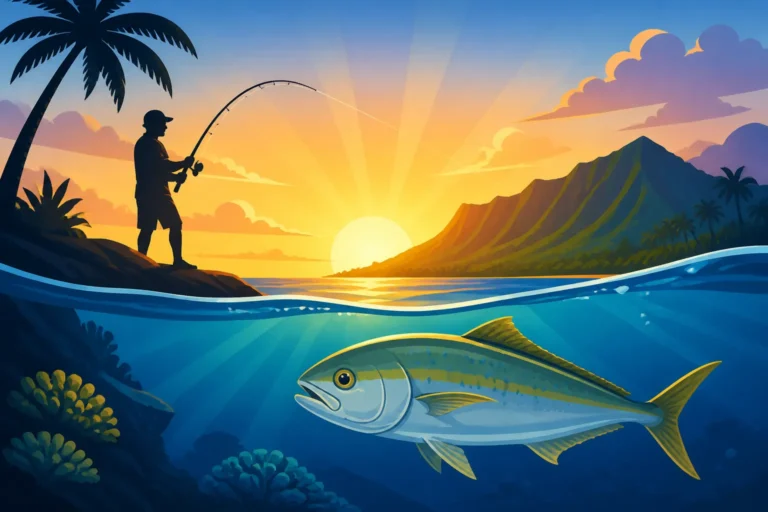
Look for signs of baitfish, whether it's nervous schools skipping on the surface or subtle ripples indicating their presence. Ulua are often nearby. Pay attention to current lines, eddies, and areas where water flows around structure. These are natural ambush points. Observe the water clarity; clear water might call for more subtle presentations, while choppier or murkier water might require more aggressive pops to grab attention. Dawn and dusk are often prime times, as ulua are more active and surface-oriented during lower light conditions. You can find more details on optimal timing in articles like Best Time of Day to Catch Ulua.
Adjust your presentation based on these observations. If the fish are blowing up on your popper but not hooking up, try a slightly slower retrieve or a longer pause. If they're completely ignoring it, speed it up, change your popping rhythm, or even try a different style or color of popper. Sometimes, casting beyond the suspected strike zone and retrieving the lure into it can provoke a more natural-looking entry for the popper. The key is to be flexible and willing to experiment. Every cast is an opportunity to learn what the ulua want on that particular day, in that particular spot.
Strategies for Hooking and Landing a Hawaiian Ulua
The moment an ulua explodes on your popper is pure adrenaline, but the fight has only just begun. These fish are renowned for their raw power and stubborn refusal to give up, making proper hook-setting and fighting techniques absolutely critical to landing them.
Setting the Hook and Fighting the Fish
When an ulua strikes, it's often a violent, splashy affair. Your first instinct might be to yank the rod immediately, but resist! Ulua are so aggressive that they often miss the hooks on their first attack, simply slapping at the lure to stun it. Wait until you feel the weight of the fish and your line comes tight, then set the hook with a strong, sweeping motion of your rod, pulling back firmly two or three times to ensure the hooks are deeply embedded.
Once hooked, an ulua's first run is usually incredibly powerful and fast, often heading directly for the nearest reef or structure. This is where your heavy-duty gear earns its keep. Keep your drag set firm, but not locked down, allowing the fish to take line when it absolutely must, but making it work hard for every inch. Don't try to stop the initial run completely; you'll either break your line or tear the hooks out. Instead, apply maximum pressure and try to steer the fish away from obstructions. Pump the rod by lifting it high, then lowering it while reeling in the slack. This technique gains line efficiently. Anticipate their next move, keep your rod bent and pointed at the fish (but not directly at it, use the rod's parabolic bend to absorb shock), and maintain constant pressure. Ulua will often make multiple strong runs, so be prepared for a long, grueling battle.
Safety Considerations and Handling Ulua
Landing a large ulua, especially from rocky shorelines, presents its own set of challenges and safety concerns. These are big, powerful fish that can injure an unprepared angler. When you finally get the fish close to shore, you'll need a plan. A large, sturdy gaff is often the safest and most effective way to secure a trophy ulua. If you're planning to release the fish, a large landing net (strong enough for heavy fish) or carefully beaching the fish on a sandy stretch is preferable.
Be extremely cautious when handling an ulua. Their tails are incredibly powerful and can deliver a painful blow. Their gill plates are sharp, and those large, strong treble hooks on your popper are a danger. If you're releasing the fish, handle it as little as possible. Wet your hands before touching it, and try to keep it in the water or minimize its time out of the water. Remove hooks quickly with pliers or a dehooker. If the fish is exhausted, hold it in the current until it regains its strength and can swim away under its own power. Remember, respecting these powerful creatures and ensuring their survival is part of responsible angling, and knowing your local Hawaii Bag and Size Limits by Species is crucial for sustainable fishing practices.
Popper Retrieve Techniques Comparison
Here's a quick look at common popper retrieve styles and when they're most effective for ulua.
| Retrieve Technique | Description | Ideal Conditions | Effectiveness for Ulua (GT) |
|---|---|---|---|
| Pop and Pause | Sharp, downward rod sweep creating loud 'pop' and splash, followed by a motionless pause. | Choppy water, low light, actively feeding fish, attracting from a distance. | High |
| Walk-the-Dog | Rhythmic wrist twitches causing lure to glide side-to-side on the surface (for pencil poppers). | Calm water, finicky fish, mimicking fleeing baitfish. | Medium-High |
| Constant Chug | Steady retrieve with occasional, softer rod twitches creating a consistent gurgling wake. | Moderate chop, slightly less aggressive fish, mimicking fast-moving bait. | Medium |
| Skipping/Skittering | Fast, high-rod retrieve causing the popper to skip rapidly across the water's surface. | When fish are keyed on fast-moving bait (e.g., flying fish), highly reactive fish. | Medium |
| Pop-Pop-Pause | Two quick pops followed by a longer pause. | Mixed conditions, when a longer series of pops is needed to draw attention. | High |
Remember that combination retrieves and adjusting based on the fish's reaction are always encouraged!
Mastering the art of popper fishing for ulua is a rewarding journey that combines skill, patience, and an understanding of these incredible fish. It's about more than just casting a lure; it's about connecting with the raw power and beauty of Hawaii's marine environment.
Disclaimer
This article is for general informational purposes only and does not constitute professional advice. Laws, prices and regulations vary by location and change over time. Consult a qualified professional for guidance on your specific situation.