How to catch papio in Hawaii’s surf zone
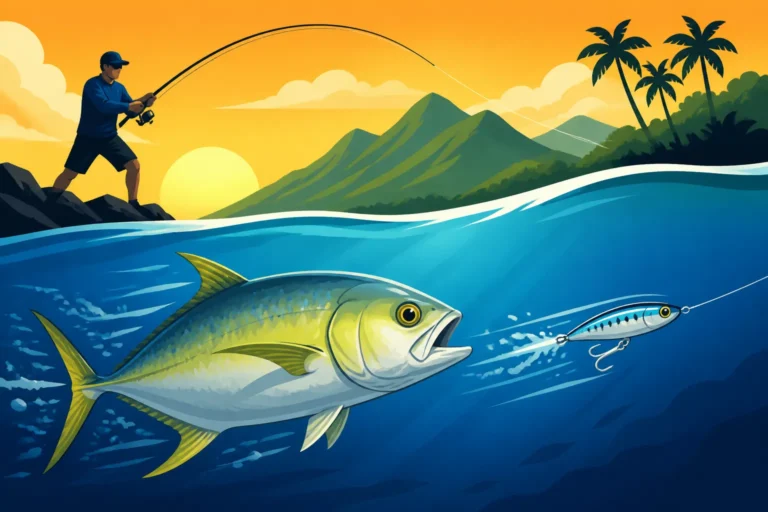
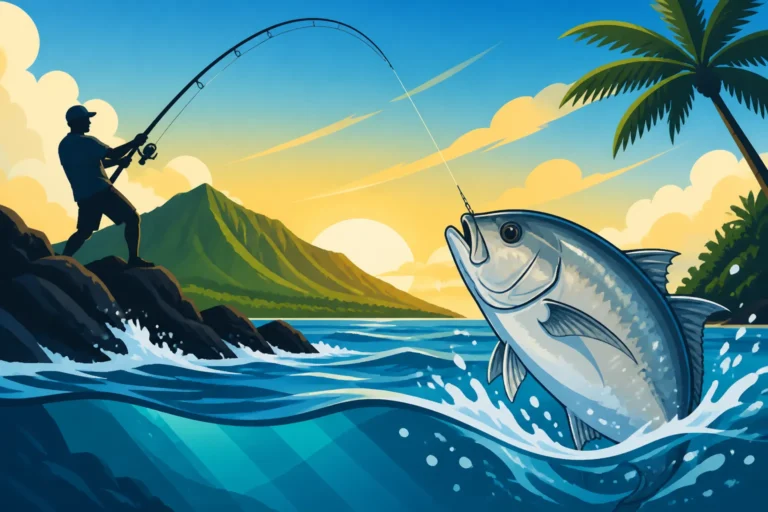
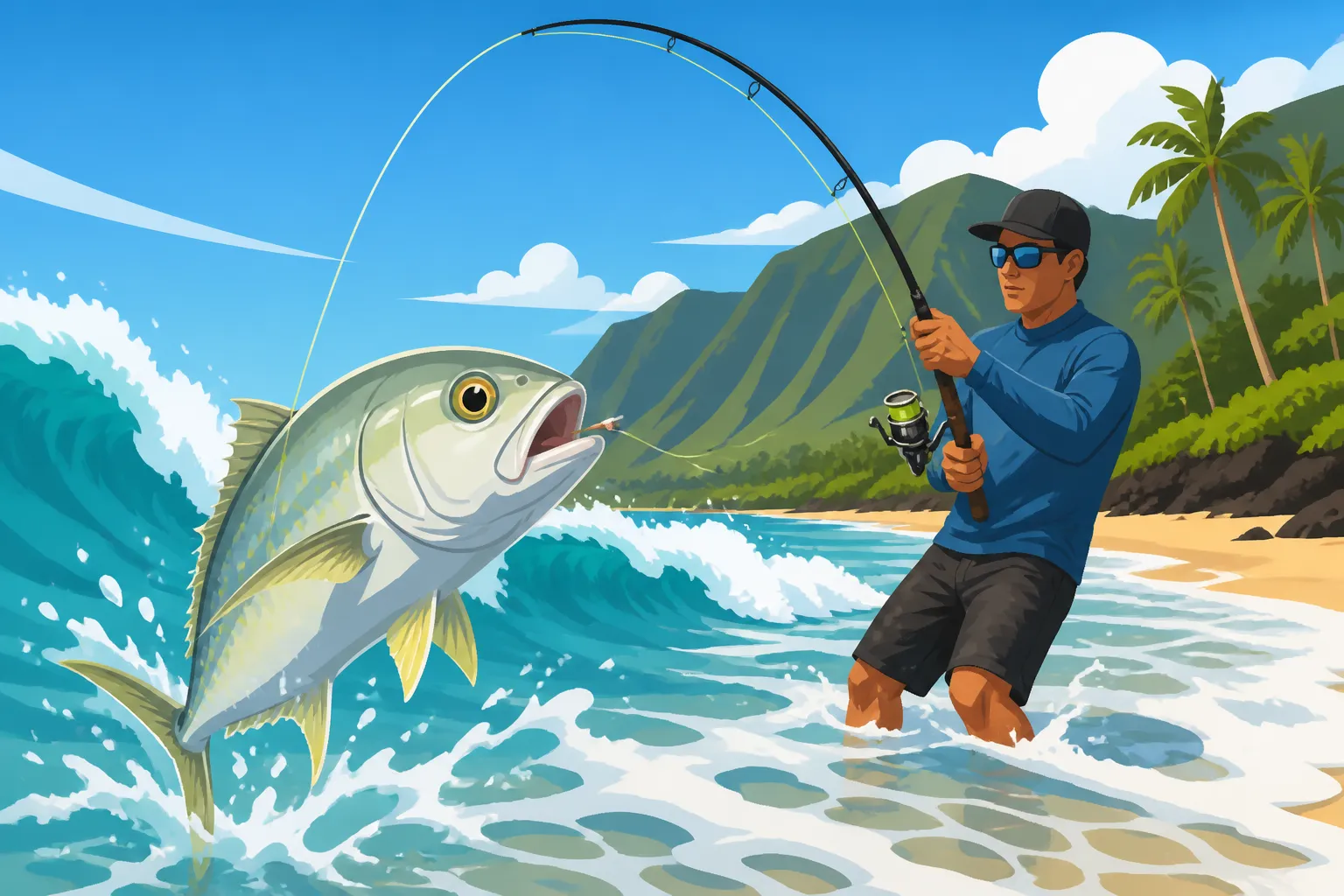
Catching papio in Hawaii's crashing surf can feel like trying to find a needle in a haystack, especially with the constant churn and pull of the ocean. It's a unique challenge that requires patience and specific know-how, but it's incredibly rewarding when you finally feel that strong tug from one of these feisty fish. This guide is going to walk you through exactly how to tackle the surf zone, from understanding the fish and the waves to picking the right gear and techniques, so you can significantly increase your chances of landing these beautiful juvenile trevally.
Understanding Papio in the Surf Zone
Before you even think about casting a line, it's crucial to understand what papio are, why they hang out in the surf, and how to read the water they inhabit. This isn't just about throwing bait; it's about understanding their world.
What are Papio and Why are They Here?
Papio is the Hawaiian name for juvenile trevally, specifically smaller members of the jack family, like white trevally (ulua aukea) or giant trevally (ulua aukea). While the term "ulua" generally refers to the larger, more mature fish, papio are their younger counterparts, often found in sizes ranging from just a few ounces up to a few pounds. They're strong fighters for their size, packing a punch that often surprises anglers.
So, why the surf zone? It's a prime hunting ground for them. The churning waves dislodge all sorts of food – small crabs, shrimp, baitfish, and marine worms – from the sand and rocks, creating a buffet. The aerated water provides good cover, and the constant movement helps them ambush unsuspecting prey. They also use the turbulence and structure within the surf to hide from larger predators. These energetic fish are constantly on the move, patrolling the shallows for an easy meal, making the surf zone a dynamic and often overlooked fishery. If you're keen to learn more about their growth and transition, check out our article on Ulua vs Papio: What's the Difference.
Reading the Surf: Key Indicators for Papio
The surf zone isn't a uniform stretch of water; it's a dynamic landscape of currents, pockets, and structure. Learning to "read" the waves is perhaps the most important skill for a successful surf angler. Look for areas where the waves break consistently in a particular pattern, indicating underlying structure like sandbars, rocks, or channels.
- Rip Currents and Channels: These are your best friends. Rip currents are often identified by a channel of darker, calmer water moving offshore through the breaking waves. They act like conveyor belts, carrying food out to sea, and papio will often position themselves along the edges or at the mouth of these channels, waiting for an easy meal. Deeper channels carved by water movement also provide easy access for fish to move in and out with the tides.
- White Water and Foam Lines: Don't ignore the bubbly, frothy water. This white water indicates intense feeding activity and dislodged food. Papio will often patrol just inside or along the edges of these foam lines, picking off distressed baitfish or crustaceans. The churn also provides excellent camouflage.
- Submerged Rocks and Reefs: Any kind of structure breaks up the current and provides ambush points. Look for darker patches of water or areas where waves consistently "stand up" before breaking, signaling a submerged reef or rockpile. These are magnets for baitfish and, consequently, papio. However, be mindful that fishing around sharp reefs can lead to snags and lost tackle.
- Irregularities in the Beach: Subtle changes in the shoreline, like a slight bend in the beach or a point extending into the water, can create current breaks and deeper pockets where papio like to hold. These seemingly minor features can be hotspots, especially during an incoming or outgoing tide.
Essential Gear for Surf Zone Papio Fishing
Fishing in the surf requires a bit more specialized gear than simply dropping a line off a pier. The constant spray, abrasive sand, and powerful fish demand robust and appropriate tackle.
Rods, Reels, and Line Selection
Choosing the right rod, reel, and line is critical for success and enjoyment in the surf. You need gear that can cast a good distance, handle strong winds, and battle hard-fighting fish while withstanding the harsh marine environment.
- Rods: For papio in the surf, a medium-light to medium power spinning rod, typically 7 to 9 feet in length, is ideal. Longer rods (up to 10 feet) can help with casting distance over the waves, which is often crucial. Look for rods with a fast action tip for sensitivity to feel subtle bites, but enough backbone to set the hook and fight a strong fish. Graphite or composite blanks are common, offering a good balance of strength and light weight. A longer butt section will give you more leverage for those long casts and strong fights.
- Reels: A sturdy spinning reel in the 3000 to 5000 size range is a good choice. It needs to have a smooth, reliable drag system to handle the sudden runs of a papio and be able to hold a decent amount of line. Saltwater-resistant features, like sealed bearings and corrosion-resistant materials, are a huge plus given the constant exposure to salt spray and sand. Brands known for durable saltwater spinning reels are often a good investment.
- Line: I personally recommend a braided main line of 10 to 20 lb test. Braid offers superior casting distance due to its thin diameter, and its lack of stretch provides incredible sensitivity, allowing you to feel even the lightest taps in the turbulent surf. You'll definitely want to tie on a fluorocarbon leader, typically 15 to 25 lb test, with a length of 3 to 6 feet. Fluorocarbon is nearly invisible in water, which is important for wary papio, and its abrasion resistance helps against sharp rocks and rough mouths. You can find excellent quality braided lines and fluorocarbon leaders on Amazon, often with options that local anglers swear by.
Baits and Lures That Get Bites
Papio are opportunistic feeders, so having a variety of baits and lures can significantly improve your chances. What works one day might not work the next, so be prepared to experiment.
- Natural Baits:
- Live Bait: Small baitfish like opelu (mackerel scad), or even juvenile akule (bigeye scad) can be absolute papio magnets. These are often caught with a throw net or sabiki rig right in the shallows. The erratic movement of live bait is irresistible to a predatory papio.
- Cut Bait: Freshly cut pieces of squid, akule, or even mahimahi belly can be very effective. Ensure the pieces are small enough for papio to swallow but large enough to stay on the hook in the surf. Small strips of squid, in particular, are tough and stay on the hook well.
- Shrimp: Both live and dead shrimp are excellent choices. Papio, like many fish in the surf, are constantly looking for crustaceans. A peeled shrimp on a small hook can be deadly.
- Limu (Seaweed): Believe it or not, some papio will hit baits that incorporate limu, especially if it's naturally occurring in their feeding area. Small pieces of limu can be added to your hook with other baits.
- Artificial Lures:
- Metal Jigs/Spoons: Small, flashy metal jigs or spoons (like a 3/8 to 1 oz Kastmaster or similar spoon) are incredibly effective. Their weight allows for long casts, and their flash and erratic action mimic fleeing baitfish. Silver, chrome, or gold colors are often best, especially on bright days. Many anglers find a good selection of these small metal jigs readily available on Amazon.
- Soft Plastics: Grubs, small swimbaits, or even shrimp imitations on a light jig head can work wonders. The key is to match the hatch – use colors and shapes that resemble the natural prey in the area. Chartreuse, white, clear with glitter, or natural baitfish colors are popular choices. A slow, steady retrieve or a jigging motion can be highly effective.
- Small Poppers/Walk-the-Dog Lures: On calmer mornings or evenings, or in areas with less intense surf, topwater lures can be exhilarating. The commotion they create on the surface can draw aggressive strikes from papio.
- Lipless Crankbaits/Small Hard Baits: These can be great for covering water and fishing just below the surface. Look for baits with a tight wiggle that can be retrieved quickly.
Effective Techniques for Catching Papio in the Surf
Once you have your gear, it's all about how you present your bait or lure. The surf zone is a constantly moving environment, so your techniques need to be adaptable and precise.
Whipping and Casting Strategies
"Whipping" is a common term in Hawaii for active lure fishing, and it's particularly effective for papio in the surf. It involves repeated casting and retrieving, covering a lot of water quickly to locate actively feeding fish.
- Fan Casting: Instead of casting to the same spot repeatedly, fan cast. Make a cast straight out, then progressively cast to your left and right, covering a wide arc. This strategy helps you explore the water column and identify where the papio might be holding. Work your way along the beach, casting into different pockets and channels.
- Targeting Features: Once you've identified a promising feature – a rip current, a submerged rock, or a channel – concentrate your casts there. Cast beyond the feature and retrieve your lure through it. For rip currents, cast upstream and let your lure drift naturally into the feeding zone before beginning your retrieve.
- Retrieve Speed and Action: Papio are aggressive, so a moderately fast retrieve often works well, especially with jigs and spoons. However, don't be afraid to experiment. Sometimes a slower retrieve with pauses, or a twitch-and-pause action, can trigger a strike. Mimic a wounded baitfish, darting and pausing. Pay close attention to when and where you get bites, and try to replicate that retrieve. Our guide on Best Techniques for Whipping for Papio offers even more insight.
- Staying Mobile: Don't get stuck in one spot. If you're not getting bites after 15-20 minutes, move down the beach. Papio are often in schools or scattered, so moving allows you to find them. The "Best Sandy Beach Fishing Spots in Hawaii" also contain useful information on good areas for this mobile approach.
Sliding Bait and Bait Presentation
While whipping is active, sometimes a more passive approach with natural bait is the ticket, especially for larger papio or when the surf is particularly rough. This often involves a sliding bait rig.
- Sliding Sinker Rig: This is a classic surf fishing rig. You'll typically use an egg sinker or pyramid sinker that slides freely on your main line, above a swivel. Below the swivel, you'll have a leader (fluorocarbon is best) with your hook. The sliding sinker allows the fish to pick up the bait and run without feeling the weight of the sinker, giving you a better hook set.
- Bait Presentation: Keep your bait natural and appealing. For cut bait, use pieces that are roughly an inch or two long, ensuring they are fresh. Hook live bait carefully through the nose or back to keep it lively. Cast your rig beyond the breaking waves, if possible, or into a promising channel. Allow the current to present your bait naturally. You can also cast just into the wash and let the waves tumble your bait, mimicking food dislodged from the bottom.
- Rod Holders: When using bait in the surf, a sand spike or rod holder is essential. It keeps your rod secure and positioned correctly. Set your drag appropriately – not too tight that it pulls the rod in, but tight enough to prevent line from stripping off too easily in the current.
- Patience is Key: Unlike whipping, bait fishing is often a waiting game. Set your bait, keep an eye on your rod tip, and be ready for a sudden strike. Sometimes, papio will pick at the bait before committing, so resist the urge to set the hook too early.
Safety and Etiquette in the Surf Zone
Hawaii's beautiful beaches and ocean can be powerful and sometimes unpredictable. Always prioritize safety, and remember to respect the local fishing culture.
- Watch the Waves: Never turn your back on the ocean. Rogue waves can appear out of nowhere and knock you off your feet, or worse, drag you into dangerous currents. Be aware of tidal changes and swell reports.
- Know Your Limits: Don't wade deeper than you're comfortable with, especially if you're alone or the surf is particularly strong. Sharp coral, slippery rocks, and sudden drop-offs are real hazards.
- Protect Your Skin: The Hawaiian sun is intense. Wear long sleeves, a hat, sunglasses, and plenty of reef-safe sunscreen.
- Footwear: Sturdy reef shoes or tabi boots are a must if you're going to be wading or walking over rocky areas. Slipping on wet rocks can lead to serious injury.
- Respect Public Access: Hawaii has strong public access rights to its shorelines. Be mindful of beachgoers, swimmers, and other ocean users. Cast responsibly and keep a safe distance from others.
- Pack It In, Pack It Out: Leave no trace. Take all your trash, including discarded fishing line and bait containers, with you. Keeping our beaches clean is paramount.
- Know the Regulations: Always be aware of local fishing regulations, including bag and size limits. Check out our guides on Hawaii Fishing Regulations Explained and Hawaii Bag and Size Limits by Species to stay informed.
Timing Your Papio Attack: Tides, Conditions, and Seasons
Just like real estate, fishing success often comes down to "location, location, location," but also "timing, timing, timing." Understanding when to fish can be as important as where and how.
Best Tides and Wave Conditions
Papio activity in the surf zone is heavily influenced by the movement of water. Tides and wave conditions dictate when and where food is available, and how actively papio will feed.
- Tidal Flow: Generally, the hour or two leading up to and following a high tide (or low tide, depending on the spot) can be highly productive. Moving water tends to stir up the bottom and dislodge food, making it easier for papio to find a meal. A strong incoming or outgoing tide can concentrate baitfish and bring papio closer to shore. Experiment with different stages of the tide at your chosen spot; some beaches fish better on an incoming tide, while others excel on an outgoing.
- Wave Size and Period: This is crucial for surf zone fishing.
- Small, Consistent Waves: Often the easiest to fish, as they allow for better visibility and easier casting. Papio might be spread out but actively feeding.
- Moderate Waves (2-4 feet): These can be ideal. The waves create enough turbulence to dislodge food and provide cover, without being so large that they make fishing impossible or unsafe. Look for the lulls between sets to make your casts.
- Large Surf (over 5 feet): This can be challenging and dangerous. While larger papio might be more active during big swells, casting is difficult, and fishing safely can be nearly impossible. It's often best to avoid the heaviest surf conditions unless you are very experienced and know the area intimately. Heavy surf can create strong undertows and powerful rip currents. For more on this, consider reading our article on When Hawaii's ocean waters get too rough to shore fish.
- Water Clarity: After heavy rains or very large swells, the water can become very murky. While some fish might feed in turbid water, papio generally prefer moderately clear to slightly stirred water where they can see their prey. If the water is chocolate milk brown, your chances are likely reduced.
Seasonal Considerations for Papio
Hawaii doesn't experience the dramatic seasonal shifts of temperate climates, but there are subtle patterns that can influence papio activity.
- Year-Round Fishery: Papio are generally available year-round in Hawaii's surf zones. Their presence is more dictated by local conditions (tide, swell, bait presence) than by a strict calendar.
- Baitfish Runs: Papio will follow schools of baitfish, so if you notice large schools of opelu or akule near the shore, the papio (and larger ulua) won't be far behind. These baitfish runs can happen at various times throughout the year.
- Spawning Seasons: While papio are juveniles, the spawning cycles of their larger counterparts can sometimes lead to increased activity as they prepare to feed.
- General Rule: The best time to target papio is whenever the local conditions (moderate surf, good water clarity, moving tide, and bait presence) align. Don't feel like you have to wait for a specific month. Get out there when the conditions look right, and you'll find them! Early mornings and late afternoons often provide the best combination of comfortable conditions and active fish.
Papio Lure & Bait Comparison for Surf Fishing
To help you decide what to throw in the surf, here's a quick comparison of common lures and baits for papio.
| Bait/Lure Type | Pros | Cons | Ideal Conditions | Notes |
|---|---|---|---|---|
| Metal Jigs/Spoons | Long casting, good flash, durable, active retrieve | Can snag on reef, less natural scent | Moderate surf, clear water, schooling baitfish | Great for covering water, often retrieved fast with jerks. |
| Soft Plastics | Versatile, mimics various prey, subtle action | Can be fragile, sometimes requires scent attractant | Moderate to calm surf, clear water, structured areas | Effective with jig heads, slow retrieve or twitching motion. |
| Small Poppers | Exciting topwater strikes, covers water | Less effective in rough surf, no subsurface action | Calm mornings/evenings, light chop, clear water | Mimic injured baitfish on the surface. |
| Live Bait (e.g., small baitfish, shrimp) | Highly effective, natural action and scent | Can be hard to acquire, more delicate, less casting distance | All conditions, especially where papio are wary | Best on a sliding rig, allows fish to run with bait. |
| Cut Bait (e.g., squid, fish strips) | Durable, strong scent, easy to obtain | Less natural action, slower bites | Rougher surf, murky water, or when papio are less active | Good on a sliding rig, can attract other species. |
Remember, the surf zone is a constantly changing environment, so don't be afraid to switch up your baits and techniques until you find what the papio are biting on that day. Tight lines and good luck out there!
Disclaimer
This article is for general informational purposes only and does not constitute professional advice. Laws, prices and regulations vary by location and change over time. Consult a qualified professional for guidance on your specific situation.