How to catch papio in a tide pool
Many anglers visiting or living in Hawaii dream of catching impressive game fish, but often overlook the vibrant, accessible world of tide pools. It can be frustrating to see papio darting around in these shallow pockets and not know how to effectively target them, missing out on some truly exhilarating light tackle action. This guide will walk you through everything you need to know about catching papio in Hawaii's tide pools, from understanding their unique behavior to the best gear and techniques, ensuring a fun and rewarding experience while respecting these fragile ecosystems.
Understanding Papio and Their Tide Pool Haven
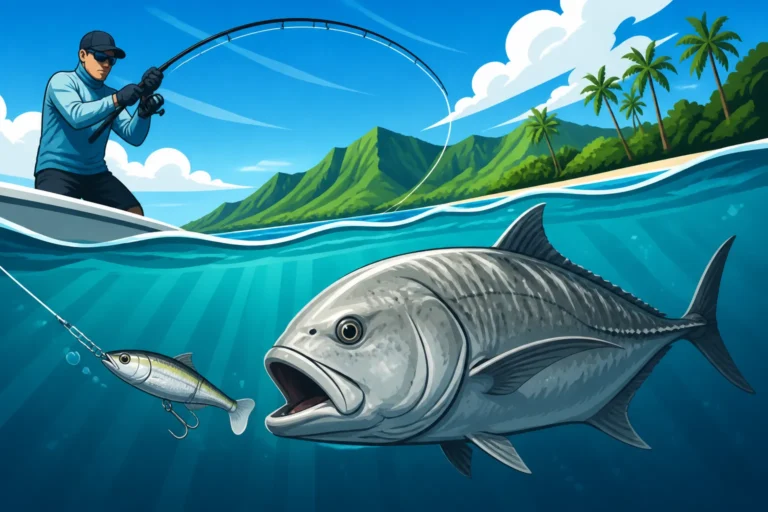
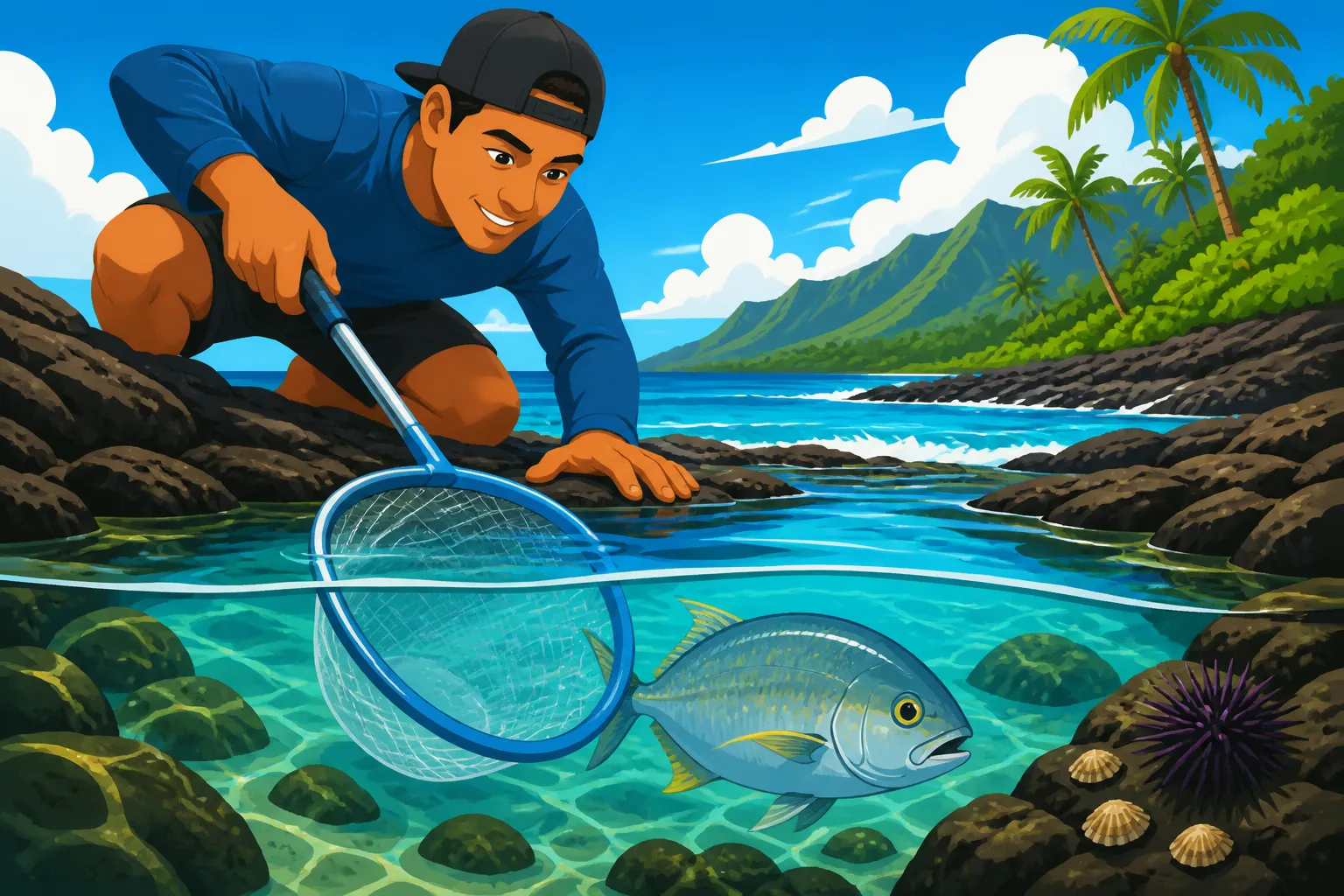
Before you even think about casting a line, it's crucial to understand what papio are and why they choose to inhabit Hawaii's tide pools. Papio is the local Hawaiian term for juvenile trevally, encompassing several species like ulua (giant trevally), omilu (bluefin trevally), and white trevally (lai). These energetic fish are known for their strong fights, even at smaller sizes, making them a fantastic target for light tackle enthusiasts.
Tide pools act as natural nurseries and feeding grounds for many juvenile fish, including papio. These shallow, rocky basins, replenished by the incoming tide, offer a sheltered environment from larger predators found in the open ocean. They're also brimming with a diverse buffet of small crustaceans, invertebrates, and tiny baitfish, providing an easy food source for growing papio. Understanding this dynamic is key to predicting where and when you'll find them. They aren't just randomly distributed; they actively seek out these areas for survival and sustenance, especially when they are still too small to fend for themselves in deeper, more exposed waters. You'll often find them lurking near rocky outcrops or ledges within the pools, ready to ambush unsuspecting prey that drifts by with the tide.
Their diet in these tide pool ecosystems is primarily composed of small crabs, various types of shrimp, and a myriad of marine worms and other invertebrates that get trapped or seek refuge in the shallow waters. Sometimes, if the tide pool is connected to the ocean with enough flow, small baitfish can also be a significant food source. This diverse diet means they aren't overly picky, which can be a real advantage for anglers willing to experiment with different baits and lures. The key is to present something small and natural-looking that mimics what they are already accustomed to eating in their immediate environment. This natural inclination to feed within these confines makes them a predictable target if you know what to look for and how to present your offering.
Papio behavior in tide pools is heavily influenced by the tides. During incoming and high tides, when the pools are well-flushed with fresh ocean water and potential food items, papio are often more active and adventurous. They might even move between larger, connected pools. As the tide recedes and pools become more isolated and shallower, they tend to become warier and less active, conserving energy and seeking deeper pockets within the pool. They are ambush predators, often hiding behind rocks, under ledges, or in shaded areas, waiting for a meal to swim by. Approaching quietly and observing their patterns before making your first cast will significantly increase your chances. The type of tide pool also matters: rocky tide pools with crevices and overhangs are ideal, while shallower, sandy pools might hold fewer, smaller fish. For more on their growth, consider reading about Papio Growth Stages Into Trophy Ulua.
Gearing Up for Tide Pool Papio Adventures
Successfully catching papio in a tide pool requires a specific approach to gear. You're not casting for grander marlin here; you're looking for sensitivity, stealth, and light tackle fun. The right setup makes all the difference, allowing you to present your bait naturally and feel even the subtlest takes from these feisty fighters.
Your rod and reel choice is paramount. A light to ultra-light spinning rod, typically between 6 to 7 feet long, with a fast action tip, is ideal. This combination offers the sensitivity needed to detect delicate bites and the backbone to handle a surprising fight from a papio. Pair this with a small, lightweight spinning reel (think 1000 to 2500 series) that has a smooth drag system. Saltwater-resistant models are a huge plus, as you'll be dealing with corrosive conditions. You can find excellent options for both rods and reels on platforms like Amazon, offering a wide range of brands to suit your budget and preferences.
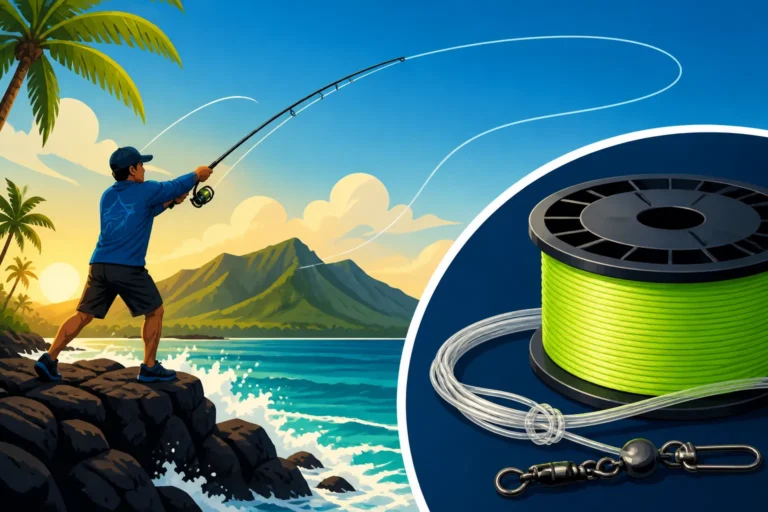
For line, a good quality monofilament or fluorocarbon line in the 4 to 8-pound test range is perfect. Monofilament offers a bit more stretch, which can be forgiving on light tackle, while fluorocarbon is nearly invisible underwater and incredibly abrasion-resistant, crucial around sharp rocks and coral. Some anglers prefer to spool with braided line for maximum sensitivity and casting distance, then add a fluorocarbon leader of 12 to 24 inches for stealth and abrasion resistance. A good general starting point would be 6-pound test monofilament or braid with a 6-pound fluorocarbon leader. When selecting line, especially if purchasing online from a retailer like Amazon, look for reviews praising its knot strength and durability against nicks and scrapes.
When it comes to hooks, size matters. Papio in tide pools generally aren't huge, so a smaller hook, ranging from a size 6 to a size 2, will be most effective. Both J-hooks and circle hooks work well. J-hooks offer easy rigging, but circle hooks are fantastic for reducing gut-hooking, which is important for conservation if you plan to release fish. When using live bait, ensure the hook size allows for natural movement. For lures, matching the hook to the lure's size and action is key.
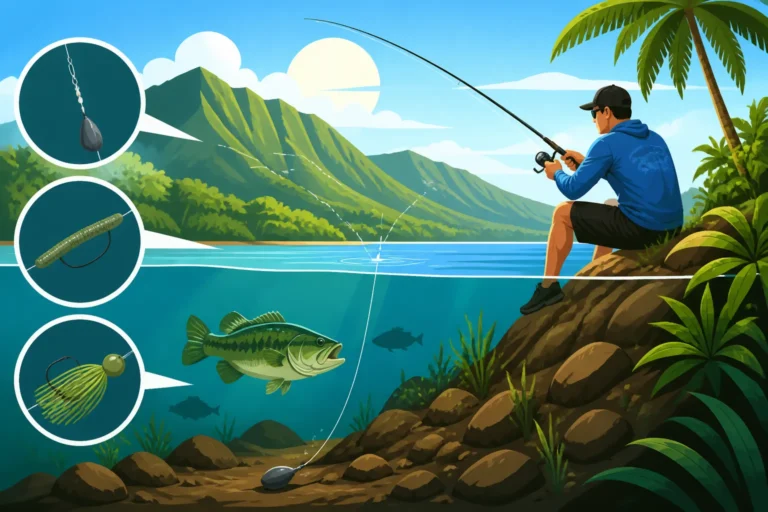
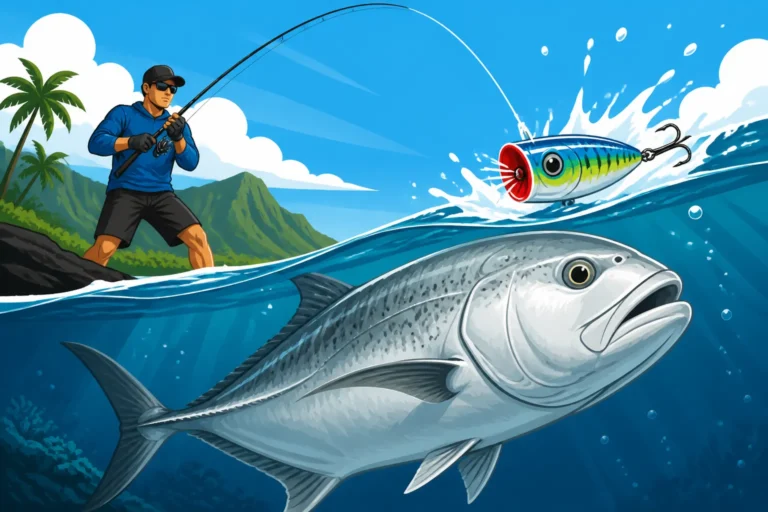
Your choice of bait or lure will heavily influence your success. Live bait is often king in tide pools. Small, locally caught shrimp, ghost shrimp, tiny crabs, or even small pieces of squid are highly effective. These are natural food sources for papio, and the live movement is irresistible. You might even find suitable bait right in the tide pool environment itself, adding to the adventure. For artificials, small soft plastic grubs, curl-tail worms, or tiny swimbaits on a light jig head (1/16 to 1/8 ounce) are excellent. Papio are visual predators, and a well-presented soft plastic can mimic their natural prey perfectly. Even small topwater poppers can provoke aggressive strikes from active papio, especially at dawn or dusk, as discussed in How to fish a popper for schooling papio. You can explore a vast array of these artificial lures and jig heads on Amazon.
Finally, don't forget essential accessories. A good pair of polarized sunglasses will help you spot fish and underwater structure, giving you a huge advantage. Reef shoes or sturdy wading boots are non-negotiable for navigating slippery, sharp rocks. Pliers are a must for hook removal, and a small stringer or bucket is useful if you plan to keep your catch within the legal limits. A small backpack or sling pack can keep your tackle organized and easily accessible.
Here's a quick comparison of popular tide pool papio baits/lures:
| Bait/Lure Type | Pros | Cons | Best Use |
|---|---|---|---|
| Live Shrimp/Crabs | Highly effective, natural presentation | Can be hard to catch/keep, delicate on hook | When papio are finicky, natural feeding periods |
| Soft Plastic Grubs | Versatile, easy to rig, cost-effective | Less natural movement than live bait | General use, searching for active fish |
| Small Swimbaits | Realistic profile, good action | Can be chewed up quickly, slightly heavier | Mimicking small baitfish, deeper pockets |
| Tiny Poppers | Exciting topwater strikes, covers water | Less effective in calm/shallow water | Early morning/late evening, active papio |
| Cut Squid (Small) | Readily available, stays on hook well | Less natural movement | Backup bait, slow days, bottom fishing |
Mastering the Art of Tide Pool Papio Fishing
Once you have your gear ready, it's time to hit the tide pools. However, catching papio isn't just about throwing a line in the water; it's about a careful approach, understanding the environment, and executing precise techniques.
Your approach to the tide pool is just as important as your cast. Papio are easily spooked in shallow water, so stealth is your best friend. Walk quietly and avoid casting a shadow over the water. Observe the pool from a distance for a few minutes before making your first cast. Look for any signs of fish activity: ripples, flashes, or the fish themselves. Often, a low profile, even kneeling or crouching, can make a significant difference. Imagine you're hunting, not just fishing. For more insight into navigating the shore, check out Wading Techniques for Hawaii Shore Fishing.
Reading the water in a tide pool means understanding the current, the structure, and the presence of any natural food sources. Identify deeper pockets, ledges, or submerged rocks where papio might be hiding. The flow of water into and out of the tide pool, especially during tidal changes, will often concentrate both bait and predators. Cast upstream of where you expect fish to be, allowing your bait or lure to drift naturally into their strike zone. Pay attention to subtle currents that might carry your offering right to a waiting papio. The transition from an incoming to a high tide, or vice versa, often presents the most productive windows, as fish become more active with the changing water.
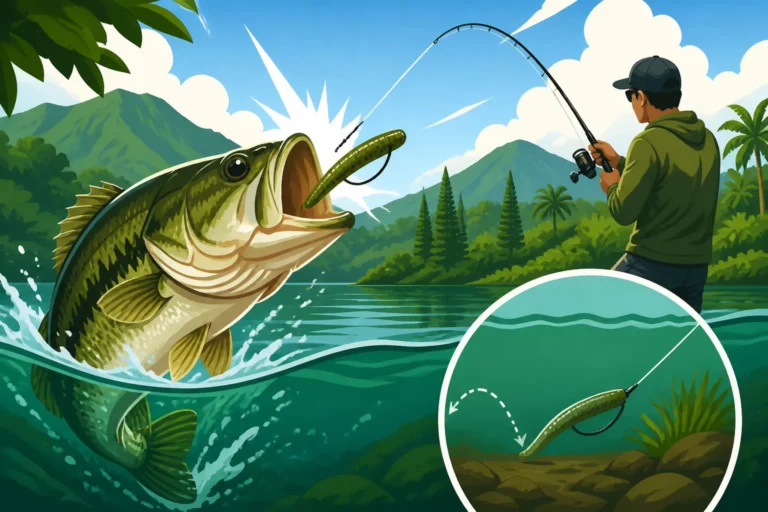
Casting and presentation are crucial for success. Because tide pools are often small and surrounded by rocks, accuracy is key. You need to place your bait precisely where you think the fish are without spooking them. Underhand casts or short, accurate pitches are often more effective than long, overhead casts. Once your bait is in the water, a slow, natural retrieve is usually best. If using soft plastics, a subtle twitch-and-pause retrieve can mimic a wounded shrimp or crab. If using live bait, let it swim naturally, perhaps with just enough tension to feel for a bite. Remember, papio are ambush predators, so bringing the bait past their hiding spot is often all it takes. For targeting the aggressive surface feeders, understanding Best casting technique for shore-based papio will give you an edge.
When a papio strikes, be ready for an immediate and strong fight, even from a small fish. With light tackle, a gentle but firm hookset is usually sufficient. Avoid yanking hard, which can pull the hook or break your line. Once hooked, control the fish and prevent it from darting into sharp rocks, which can easily cut your line. Keep your rod tip up and let the drag do its job. It's a delicate dance of guiding the fish away from snags and wearing it down without putting too much pressure on your light line. Keep a steady retrieve, and if it runs, let the drag sing.
Once you land your papio, decide whether to release or keep it. If releasing, handle the fish gently with wet hands, remove the hook quickly, and return it to the water ensuring it swims away strongly. If keeping, be aware of Hawaii Bag and Size Limits by Species for specific species to ensure you are fishing legally.
Responsible Angling and Conservation in Hawaii Tide Pools
Fishing in Hawaii's tide pools offers a unique experience, but it also comes with a significant responsibility to protect these vibrant and delicate ecosystems. The marine life within tide pools is often concentrated and easily disturbed, so thoughtful angling practices are essential for preserving their health and beauty for future generations.
One of the most critical aspects of responsible angling is understanding and adhering to all local regulations. Hawaii has specific rules regarding bag and size limits for various species, including papio, and these can vary depending on the exact species you encounter. Always consult the latest guidelines from the Hawaii Department of Land and Natural Resources (DLNR) to ensure you are fishing legally. Additionally, be aware of any Hawaii Marine Life Conservation Districts, Explained (MLCDs) or other protected areas where fishing may be restricted or prohibited entirely. Ignorance of the law is not an excuse, and penalties for fishing without a required license in Hawaii can be significant. By staying informed, you contribute directly to the sustainable management of Hawaii's precious marine resources.
Beyond formal regulations, it's vital to respect the tide pool environment itself. This means practicing "Leave No Trace" principles: take out everything you bring in, including any fishing line, bait containers, or food wrappers. Avoid disturbing the rocks, coral, or other marine life unnecessarily. When moving through the tide pool, tread carefully to avoid crushing organisms or dislodging habitat. If you're collecting bait, only take what you need and do so in a way that minimizes impact on the local population. Remember that these are fragile nurseries, and every creature plays a role in the ecosystem. Your goal should be to enjoy the fishing experience without leaving any lasting negative impact on this natural wonder. Learning about Hawaii Fishing Regulations Explained can offer a broader understanding of responsible practices.
Safety is another key consideration when fishing in tide pools. The rocky, uneven terrain can be incredibly slippery, especially when wet or covered in algae. Always wear appropriate footwear, such as reef shoes or sturdy, non-slip wading boots, to prevent falls. Keep an eye on the ocean swells, as even seemingly calm days can bring rogue waves that crash into tide pools, posing a significant hazard. Never turn your back on the ocean. Be mindful of your surroundings, stay aware of the tide's movement, and avoid fishing alone in remote areas. Sun protection is also crucial in Hawaii's strong tropical sun; wear a hat, sunglasses, and reef-safe sunscreen. Prioritizing your safety ensures that your tide pool adventure remains a positive experience. Remember that Hawaii shoreline fishing rights and public access rules also apply to tide pool areas, so be mindful of private property and public access points.
Fishing in tide pools can be an incredibly rewarding experience, offering a chance to connect with Hawaii's vibrant marine life in a unique and intimate way. By understanding the papio, using the right gear, mastering your techniques, and committing to responsible angling, you'll not only have a great time but also help preserve these special places for everyone to enjoy for years to come.
Disclaimer
This article is for general informational purposes only and does not constitute professional advice. Laws, prices and regulations vary by location and change over time. Consult a qualified professional for guidance on your specific situation.