Ahi Migration Patterns Around Hawaii
For any angler planning a trip to Hawaii, understanding where and when ahi (yellowfin tuna) will be in the waters can feel like chasing a phantom. These powerful, fast-swimming pelagic fish are notoriously migratory, and without a good grasp of their movements, you might find yourself trolling empty seas. This guide breaks down the complex migration patterns of ahi around the Hawaiian Islands, offering insights into what drives their journeys and how you can increase your chances of a successful catch.
The Ahi's World: Understanding Habitat and Food Sources
Ahi, or yellowfin tuna, aren't just swimming aimlessly; their entire existence revolves around finding optimal feeding grounds and spawning conditions. To truly understand their migration, we first need to dive into the kind of environment they prefer and, most importantly, what they love to eat. It's a vast ocean out there, but certain conditions make it a true ahi paradise.
Preferred Oceanographic Conditions for Yellowfin Tuna
Yellowfin tuna thrive in warm, tropical, and subtropical waters, typically preferring temperatures between 70 to 88 degrees Fahrenheit (21 to 31 degrees Celsius). Around Hawaii, these conditions are often present, but subtle changes in water temperature, salinity, and oxygen levels can influence their movements. They are highly active predators, requiring a lot of oxygen, which means they tend to avoid deep, anoxic (oxygen-depleted) waters. You'll often find them congregating along temperature breaks, current lines, and upwellings where these conditions are prime.
These pelagic wanderers also favor areas with clear, blue oceanic water, which is why Hawaii's deep offshore waters are so productive. They're constantly on the move, maintaining a balance between warmth for metabolism and sufficient oxygen for their high-energy lifestyle. Sudden drops in temperature, often associated with deeper thermoclines or cold-water intrusions, can cause ahi to dive deeper or move on to more favorable areas. This is why experienced captains are always watching their sonar and temperature gauges.
The Critical Role of Baitfish in Ahi Migration
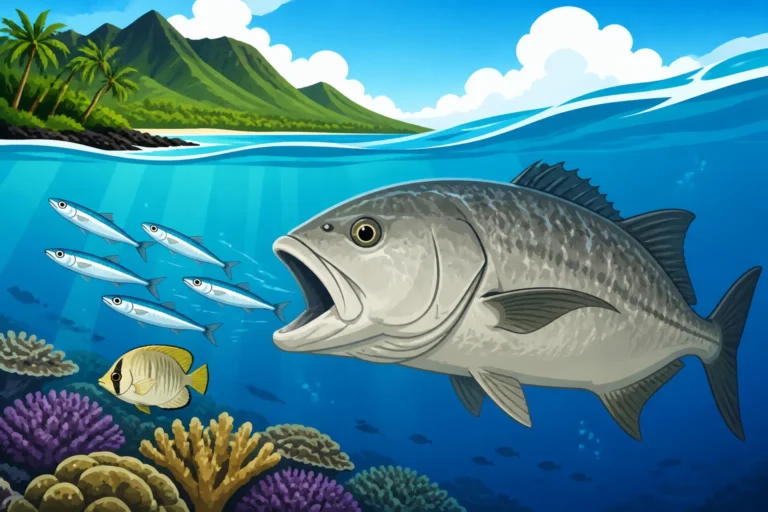
The ultimate driving force behind ahi migration is food. Yellowfin tuna are opportunistic predators with a diverse diet, but they primarily target schools of smaller fish and squid. Around Hawaii, this means they're constantly tracking baitfish such as mackerel scad (opelu), bigeye scad (akule), various squid species, and even flying fish. Where the bait goes, the ahi follow, and these baitfish often have their own migratory patterns influenced by currents, plankton blooms, and seasonal changes.
Anglers often say, "Find the bait, find the fish." This couldn't be truer for ahi. Large schools of baitfish, often indicated by diving birds or disturbances on the surface, are like a beacon for hungry ahi. These baitfish schools can be found near offshore seamounts, underwater ridges, or drifting FADs (Fish Aggregating Devices), which create their own miniature ecosystems. Understanding the behavior of these smaller prey species is key to predicting where the ahi might show up next. For more detailed information, check out our guide on Ahi (Yellowfin Tuna) Fishing in Hawaii.
Seasonal Shifts: Ahi Movements Through the Year
Hawaii's waters might seem perpetually warm, but even subtle seasonal changes significantly impact ahi migration. While you can technically catch ahi year-round, certain seasons offer peak opportunities due to predictable patterns in their feeding and spawning behavior. Understanding these shifts is vital for planning a successful fishing trip, whether you're targeting a trophy or just looking to fill the cooler.
Spring and Summer: Peak Ahi Season in Hawaiian Waters
Spring and summer are widely considered the prime seasons for ahi fishing in Hawaii, particularly from April through September. During these months, the waters around the islands warm significantly, creating ideal conditions for both ahi and their primary food sources. This warmth triggers an increase in plankton blooms, which in turn supports larger schools of baitfish. As these baitfish become more abundant, ahi move closer to the Hawaiian chain to capitalize on the rich feeding opportunities.
The late spring and summer also coincide with prime spawning periods for ahi. While they are pelagic spawners, dispersing eggs and sperm offshore, the increased reproductive activity often brings larger, mature fish together, making them more accessible to anglers. This is when you'll often hear about the big "grander" ahi being caught off the Kona Coast, as these massive fish are actively feeding to fuel their reproductive efforts. Many Best Fishing Charters in Hawaii will focus on ahi during these productive months.
Fall and Winter: Ahi Dispersion and Deeper Waters
As the Hawaiian waters begin to cool slightly in the fall and winter months (October through March), ahi tend to disperse more and move into deeper offshore waters. While they are still present, their aggregations might be less predictable, and they often hold at greater depths. The baitfish schools that were abundant closer to shore in summer may also move or become less concentrated, forcing ahi to hunt over wider areas.
However, "less predictable" doesn't mean "absent." Many skilled captains still find ahi during these months by adapting their techniques, often focusing on offshore seamounts, deep drops, and looking for signs of bait further afield. Winter can also bring different current patterns, which can sometimes concentrate bait and ahi in unexpected locations. It's a time when local knowledge and flexible fishing strategies truly shine. If you're wondering when ahi migrate past the Kona Coast, it's important to remember that even in "off-season," there are still opportunities.
Navigating the Currents: Oceanographic Influences on Ahi Migration
The ocean is a dynamic place, constantly in motion. For highly migratory species like ahi, these movements—currents, eddies, and upwellings—are not just background noise; they are the highways, dining rooms, and nurseries of their world. Understanding these oceanographic features is like having a secret map to where the ahi might be headed.
The North Pacific Current and Its Hawaiian Branch
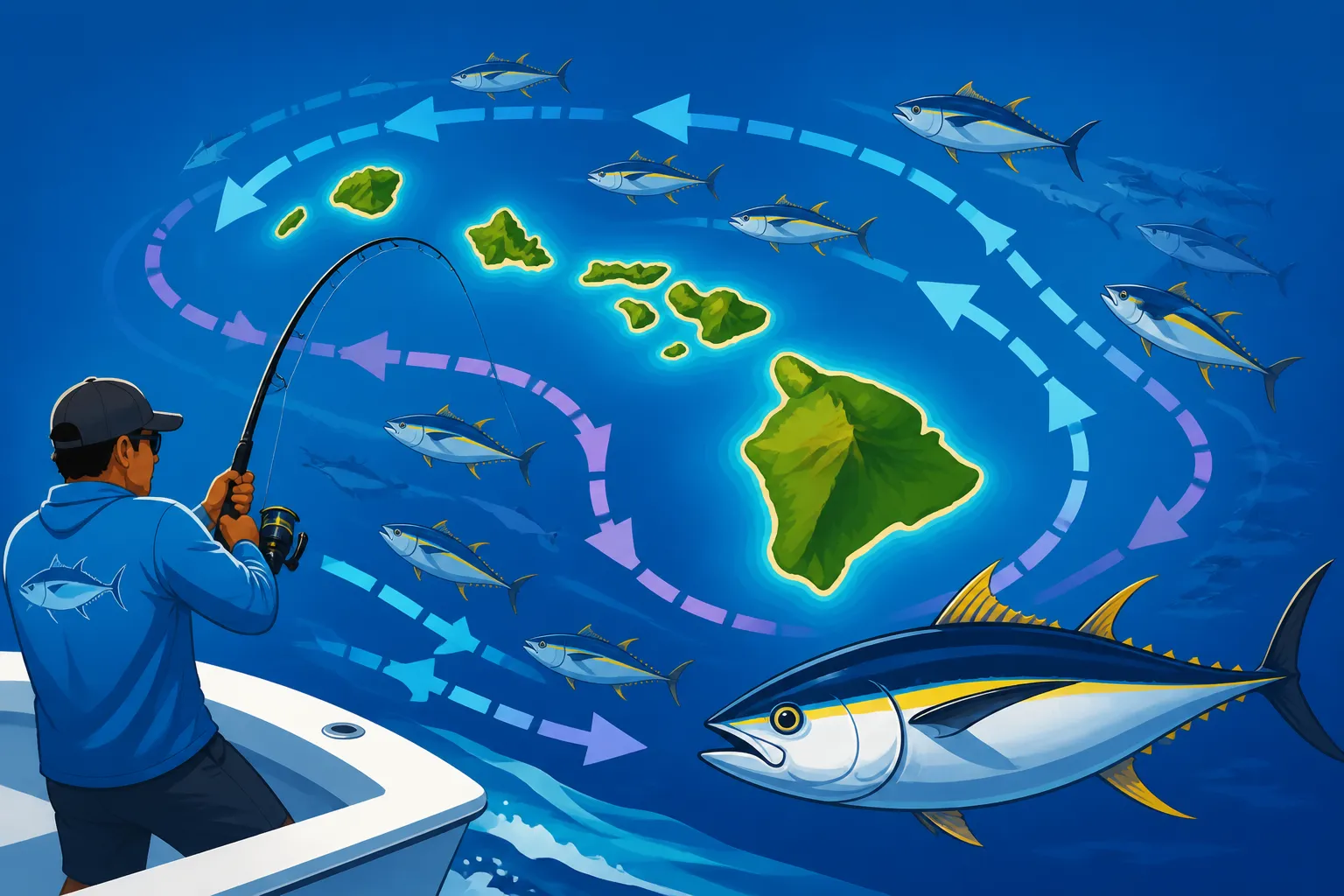
Ahi are truly oceanic travelers, and their movements are significantly influenced by major ocean currents. The vast North Pacific Current system, of which the Hawaiian Islands are a part, plays a crucial role. This broad, eastward-flowing current provides a conduit for ahi to travel across immense distances. As this current approaches the Hawaiian archipelago, it often fragments and forms eddies, creating complex current patterns around the islands. These eddies, particularly warm-core eddies, can become rich feeding grounds by trapping baitfish and concentrating nutrients.
Think of it like this: the main current is a superhighway, and the eddies are rest stops and restaurants. Ahi use these currents for efficient travel, conserving energy, and then exploit the productive eddies for feeding. Changes in the strength or direction of these currents can shift entire populations of ahi, making what was a hotspot last week a ghost town today. Keeping an eye on oceanographic charts, often available through marine forecasting services, can give anglers a significant edge.
The Role of Thermoclines and Upwellings
Beyond surface currents, the vertical structure of the ocean also dictates where ahi will be found. The thermocline, a layer where water temperature changes rapidly with depth, is particularly important. Ahi often "ride" this thermocline, using it as a hunting ground or a boundary. Baitfish will often congregate above or within the thermocline, and ahi will patrol these layers, ambushing their prey. The depth of the thermocline can vary significantly, influencing the depth at which ahi are actively feeding.
Upwellings, where nutrient-rich, cooler water rises from the depths, are also critical. These events bring nutrients to the surface, fueling plankton growth, which then supports larger baitfish populations. While not as common in Hawaii as in some other regions, localized upwellings can occur, especially around seamounts and underwater ridges, creating temporary but highly productive feeding zones. These areas act as natural magnets for ahi, drawing them from miles around. When considering Best Bait for Ahi Fishing, remember that whatever bait is concentrated by these features will be the most effective.
Hotspots and Hunting Grounds: Where Ahi Congregate in Hawaii
While ahi are wide-ranging, certain geographical features and oceanic conditions create consistent hotspots around the Hawaiian Islands. These areas are known for concentrating bait and, consequently, the ahi that follow. Knowing these key hunting grounds is essential for any angler looking to hook into a trophy tuna.
The FADs and Offshore Seamounts
Perhaps the most well-known artificial aggregators for ahi in Hawaii are the FADs (Fish Aggregating Devices). These buoys, deployed by the state's Division of Aquatic Resources (DAR), act as floating oases in the vast ocean. Small baitfish and juvenile pelagics gather around them, creating a food source that attracts larger predators like ahi, mahimahi, and ono. While the fish don't stay at the FADs indefinitely, they often provide a reliable starting point for anglers.
Beyond the man-made FADs, natural underwater structures like seamounts, ridges, and pinnacles are immense attractors for ahi. These topographical features can cause upwellings, create current eddies, and provide habitat for a diverse array of marine life, including the baitfish that ahi feed on. The waters off the Kona Coast of the Big Island are particularly famous for their deep-sea fishing, with numerous seamounts and deep-water drop-offs that consistently hold ahi. Many charters specifically target Best charters targeting ahi at the buoys or seamount structures.
Current Lines and Debris Fields
Ahi are masters of efficiency, and current lines are often their superhighways and cafeterias. A current line forms where two different currents meet, often creating a visible seam on the water's surface. These lines accumulate debris—sargassum weed, logs, plastic, and other flotsam—which in turn attracts small fish and invertebrates, creating a micro-ecosystem that ahi will readily exploit. These debris fields provide cover and food for smaller species, drawing in predators.
Anglers often look for these current lines and debris fields as prime indicators of ahi presence. Trolling along these features, especially where they intersect with thermoclines or drop-offs, can be incredibly productive. The accumulation of bait and the favorable current conditions make these dynamic zones a reliable spot to find hungry yellowfin tuna. You might want to carry some fishing maps or a GPS plotter from a retailer like Amazon to mark these spots.
The Human Element: How Anglers Track and Target Migrating Ahi
Even with all the scientific understanding of ahi migration, catching them is still an art form that blends knowledge, experience, and the right gear. Anglers and charter captains employ various strategies and technologies to track and target these elusive fish, turning the science into successful fishing trips.
Utilizing Technology: Sonar, Satellite Data, and Weather Patterns
Modern fishing isn't just about dropping a line anymore. Anglers targeting ahi often rely heavily on technology. High-end sonar units help identify bait balls and individual ahi deep below the surface. Satellite data, which can track sea surface temperatures, chlorophyll levels (indicating plankton blooms), and even current eddies, provides invaluable clues to where ahi might be concentrated. Many commercial and recreational fishermen subscribe to services that provide this real-time oceanographic information.
Beyond satellite data, understanding local weather patterns is crucial. Barometric pressure changes, wind direction, and swell height can all impact ahi behavior and accessibility. A good captain is constantly monitoring forecasts, not just for safety, but to predict how the ocean conditions will influence fish movements. This blend of traditional knowledge and cutting-edge tech gives today's anglers a significant advantage. Don't forget to grab a good waterproof fishing logbook from Amazon to keep track of your observations.
Trolling and Chumming Techniques for Ahi
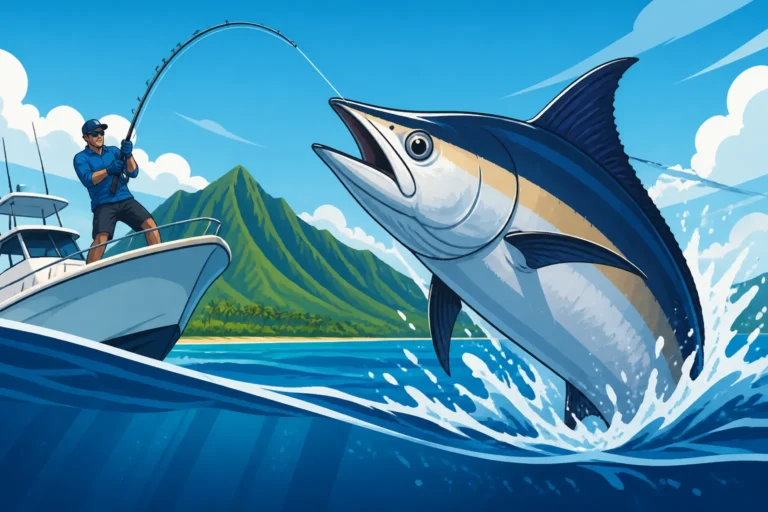
Once ahi are located, anglers use specific techniques to entice them. Trolling with lures or bait is a popular and effective method, especially for covering large areas and finding actively feeding fish. The speed, depth, and type of lure used are carefully selected based on current conditions, bait presence, and the behavior of the ahi. Marlin and ahi often share the same hunting grounds, so a Best charters for catching marlin and ahi together will be well-versed in these techniques.
Chumming is another highly effective strategy, particularly when ahi are concentrated but not actively biting trolled lures. By dispersing small pieces of bait into the water, anglers create a feeding frenzy, drawing ahi closer to the boat and into a more aggressive state. This often allows for bait-and-switch techniques or live-bait fishing, where natural bait is presented to stimulated fish. Learning the Best Chumming Technique for Ahi can significantly improve your success rate.
Planning Your Ahi Fishing Expedition
Planning an ahi fishing trip requires a bit of homework. Consider the time of year: spring and summer typically offer the best chances for larger fish and more consistent action. Research reputable charter companies, especially those known for their success with ahi. Many will have experienced captains who live and breathe tuna fishing. If you're going out on your own boat, make sure you have all the necessary safety equipment and a solid understanding of the local fishing regulations, including Hawaii Pelagic Species Bag Limits.
| Season | Typical Ahi Behavior | Best Fishing Strategies | Associated Baitfish |
|---|---|---|---|
| Spring (Apr-Jun) | Increased activity, moving closer to shore, spawning prep | Trolling lures/live bait, focus on FADs & current lines | Opelu, Akule, Squid |
| Summer (Jul-Sep) | Peak feeding & spawning, large aggregations, often near structure | Aggressive trolling, heavy chumming, live bait | Opelu, Akule, Flying Fish |
| Fall (Oct-Dec) | Dispersion, may move deeper offshore, less concentrated | Deeper trolling, focus on seamounts & temperature breaks | Squid, Smaller fish |
| Winter (Jan-Mar) | Widely scattered, often deeper, can be found on specific structures | Deep jigging, opportunistic trolling, rely on sonar | Deepwater squid, bottomfish fry |
Whether you're booking a charter or heading out in your own vessel, a well-planned trip, informed by an understanding of these migration patterns, will dramatically increase your chances of experiencing the thrill of reeling in a magnificent Hawaiian ahi.
Disclaimer
This article is for general informational purposes only and does not constitute professional advice. Laws, prices and regulations vary by location and change over time. Consult a qualified professional for guidance on your specific situation.