Endangered and Protected Fish Species in Hawaii
It's easy to feel overwhelmed by the sheer number of regulations and guidelines when you're trying to enjoy a simple day of fishing in Hawaii. One of the biggest concerns for many anglers, myself included, is making sure we're not inadvertently harming the incredibly diverse, yet fragile, marine ecosystem that makes these islands so special. This guide aims to clear up the confusion around endangered and protected fish species in Hawaii, helping you understand not just what is protected, but why and how you can be a part of their conservation.
Understanding Hawaii's Endangered and Protected Marine Life
Hawaii is a chain of islands isolated in the middle of the Pacific, which has led to a truly unique array of marine life, many species found nowhere else on Earth. This isolation also means these ecosystems are particularly vulnerable to external pressures, making conservation a critical concern. Knowing which species are protected, and why, is the first step toward responsible angling.
Why Certain Species Receive Protection
The reasons behind protecting a particular species are often complex and multi-faceted. In Hawaii, many species face threats that range from historic overfishing to the more modern challenges of climate change and marine pollution. When a species' population declines to a critical level, or its habitat is severely degraded, protections are put in place to give it a fighting chance at recovery.
Historically, some fish populations suffered greatly from unregulated harvest practices. Imagine a time when an entire school of fish could be taken without thought for future generations. While those days are largely behind us thanks to regulation, the slow recovery of some species means ongoing protection is essential. For instance, species like moi (Pacific threadfin), once reserved for Hawaiian royalty, faced severe depletion and now have strict seasonal and size limits to help their numbers rebound. Then there are the broader environmental shifts: rising ocean temperatures, ocean acidification, and sea-level rise all threaten coral reefs, which are vital habitats for countless fish species. Pollution, especially plastic debris, poses a direct threat through entanglement and ingestion, impacting everything from tiny invertebrates to massive whales. Invasive species, accidentally or intentionally introduced, can outcompete native fish for food and habitat, disrupting the delicate balance of the ecosystem. All these factors contribute to the necessity of protective measures.
The Legal Framework Protecting Hawaii's Fish
Protection for marine life in Hawaii comes from both federal and state levels, creating a comprehensive, albeit sometimes intricate, web of regulations. At the federal level, the Endangered Species Act (ESA) and the Marine Mammal Protection Act (MMPA) are cornerstone legislations. The ESA protects species listed as endangered or threatened throughout their range, prohibiting actions that could harm them or their critical habitat. The MMPA protects all marine mammals, including whales, dolphins, and seals, from harassment, hunting, capture, or killing. These federal laws are enforced by agencies like the National Oceanic and Atmospheric Administration (NOAA) Fisheries.
Here in Hawaii, the Department of Land and Natural Resources (DLNR), specifically its Division of Aquatic Resources (DAR), is responsible for managing and conserving the state's aquatic resources. They implement a range of measures, from establishing Hawaii Bag and Size Limits by Species for common game fish to designating Marine Life Conservation Districts (MLCDs). These state regulations complement federal laws, often adding more specific protections tailored to Hawaii's unique environment. For example, while federal law protects sea turtles, Hawaii's state laws provide additional guidelines for how anglers should react if they accidentally hook one. Understanding this dual layer of protection is crucial for any angler wanting to fish responsibly in Hawaiian waters. You can learn more about the specifics by checking out resources like Hawaii Fishing Regulations Explained and Reading the Hawaii DLNR Fishing Regulations.
Key Endangered and Protected Marine Life in Hawaii
When we talk about "protected fish species" in Hawaii, it's important to broaden our view beyond just bony fish. The reality is that federal and state protections extend to a wide range of marine animals, many of which anglers might encounter, and which have rules that directly affect fishing activities. While very few bony fish are federally listed as endangered in Hawaii, many are heavily managed by state regulations due to past overfishing or their ecological importance, creating a similar effect for anglers.
Listing Species: More Than Just Fish
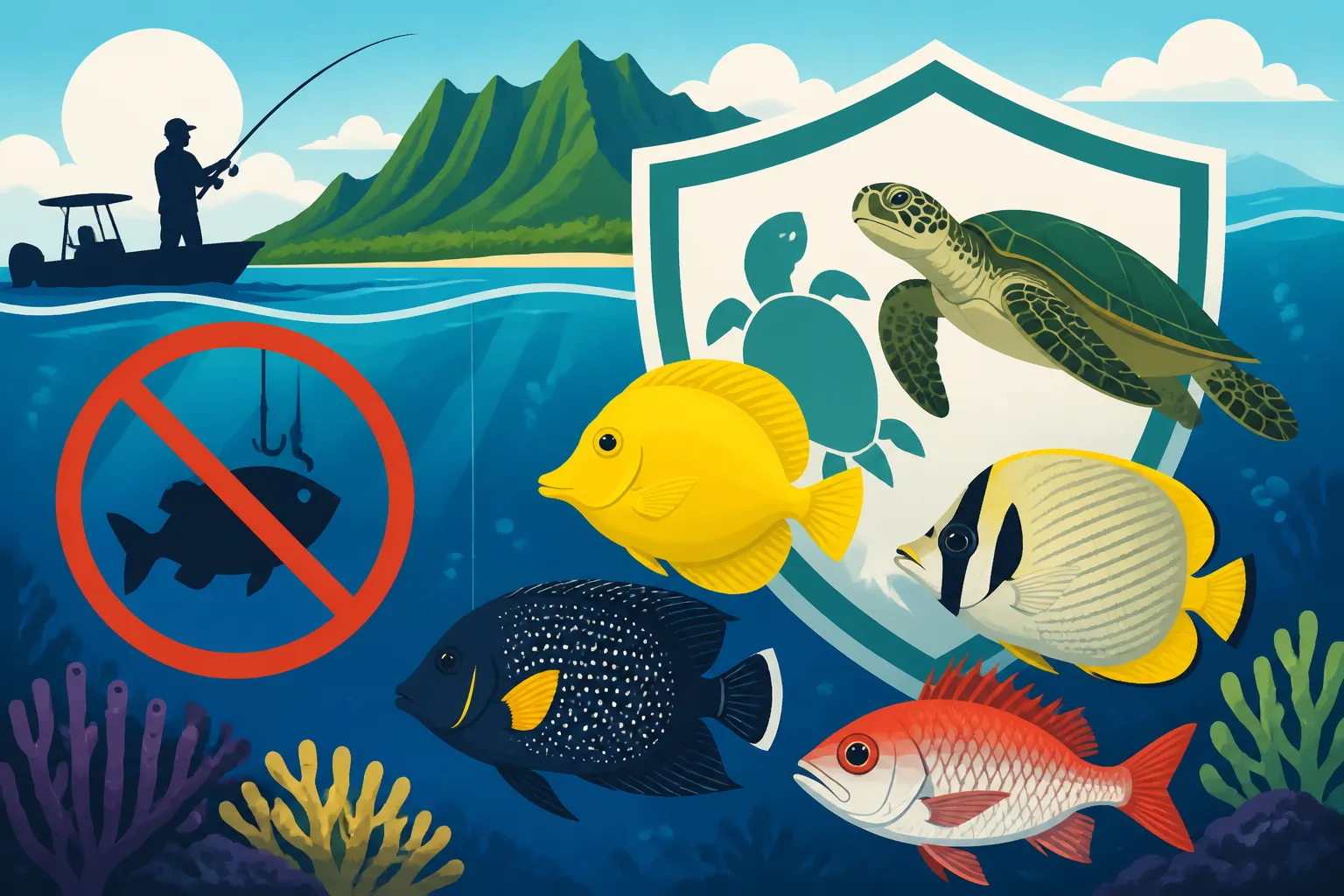
The most commonly recognized federally protected marine animals in Hawaii are actually marine mammals and reptiles. The Hawaiian monk seal, for instance, is critically endangered and protected under both the ESA and MMPA. Encountering one of these beautiful creatures while fishing is a distinct possibility, and there are strict rules about maintaining distance and what to do if you find one entangled. Similarly, all species of sea turtles found in Hawaii – including the beloved Green Sea Turtle (Honu) and the critically endangered Hawksbill Sea Turtle (Honu'ea) – are protected under the ESA. Anglers must be incredibly careful to avoid hooking or disturbing them. We even have seasonal visitors like humpback whales, also protected under federal law, whose presence impacts boating and fishing activities in certain areas during their breeding season. These animals might not be "fish" in the traditional sense, but their protection status has a significant impact on how and where we fish.
Specific Examples and Their Status
While the federal list of endangered fish specific to Hawaii is thankfully short, primarily focusing on certain native freshwater gobies (like some species of 'O'opu in streams, which aren't typically targeted by recreational anglers), the state has robust management plans for many popular marine species. These state-level protections often come in the form of size limits, bag limits, and closed seasons, all designed to ensure sustainable populations.
Here’s a rundown of some key species and groups, highlighting their protection status and what it means for anglers:
- Hawaiian Monk Seals: Critically endangered. These charismatic marine mammals are frequently seen resting on beaches or swimming near shorelines. It is illegal to approach, harass, injure, or kill a monk seal. Anglers must maintain a significant distance (typically 50 feet) and should immediately report any entangled or injured seals to the appropriate authorities. Understanding Hawaii turtle and monk seal proximity rules for anglers is essential.
- Sea Turtles (Honu, Honu'ea): All species are federally protected. It is illegal to touch, feed, harass, or intentionally interact with sea turtles. If you accidentally hook a turtle, you must follow specific guidelines for safe release, which often involves cutting the line as close to the hook as possible without bringing the turtle onto your boat.
- Moi (Pacific Threadfin): This highly prized fish, once reserved for Hawaiian royalty, saw its populations severely depleted. Thanks to state management, moi now have strict closed seasons during their spawning period (typically June through August) and minimum size limits. Catching moi during the closed season, even accidentally, requires immediate and careful release. Hawaii Moi Closed Season, Explained provides detailed information.
- Uhu (Parrotfish): These colorful reef fish are vital for reef health, as they graze on algae. Certain species of uhu are subject to size and bag limits to prevent overharvesting. For example, some 'ahuula' species of uhu might have additional restrictions. Always check Hawaii Uhu (Parrotfish) Size and Bag Limits before targeting them.
- Opihi (Limpets): While not fish, opihi are a traditional Hawaiian delicacy and a crucial part of the intertidal ecosystem. Due to severe overharvesting, opihi gathering is heavily regulated with strict daily bag limits, minimum size requirements, and prohibitions in certain areas. Hawaii Opihi Harvest Limits and Size Rules are rigorously enforced.
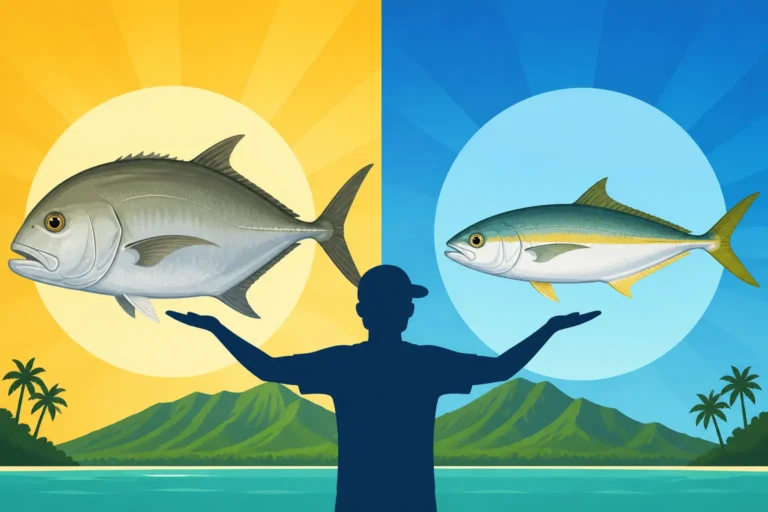
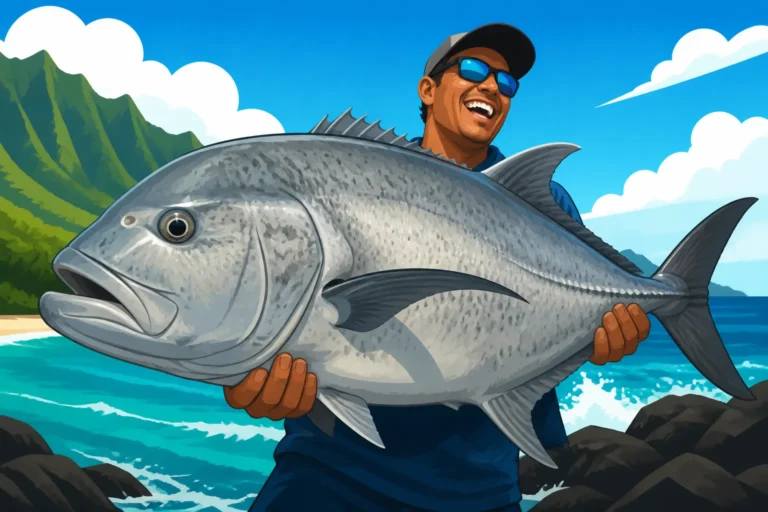
- Ulua (Giant Trevally) and Papio (smaller Trevally): These powerful game fish are managed through minimum size limits, particularly for ulua, which are highly sought-after trophies. While not endangered, responsible catch-and-release of larger fish helps maintain healthy breeding populations. There are also clear distinctions in size and naming; Ulua vs Papio: What's the Difference can help you tell them apart.
- Corals: All corals are protected as essential fish habitat. It is illegal to harvest, damage, or remove live coral. Anglers must be careful with anchors, lines, and nets to avoid contact with coral structures. This includes avoiding accidental entanglement of gear.
This table summarizes key protected species and groups that anglers should be aware of:
| Species/Group | Protection Status (Federal/State) | Key Reason for Protection | Angler Impact (General) |
|---|---|---|---|
| Hawaiian Monk Seal | Federal (ESA, MMPA) | Critically Endangered, low population | Strict distance rules, reporting entanglement |
| Green Sea Turtle (Honu) | Federal (ESA) | Endangered/Threatened, habitat loss | Strict distance rules, no touching, reporting entanglement |
| Hawksbill Sea Turtle | Federal (ESA) | Critically Endangered | Strict distance rules, no touching, reporting entanglement |
| Moi (Pacific Threadfin) | State (DAR) | Overfishing, population management | Closed seasons, size/bag limits, catch-and-release encouraged |
| Uhu (Parrotfish) | State (DAR) | Reef health, population management | Size/bag limits, species-specific restrictions |
| Opihi (Limpets) | State (DAR) | Overharvesting, habitat pressure | Strict harvest limits, seasonal closures, specific gear rules |
| Certain Coral Species | Federal (ESA), State (DAR) | Habitat degradation, climate change | No harvesting, avoid contact, anchor carefully |
| Ulua/Papio (Trevally) | State (DAR) (size/bag limits) | Population management, trophy potential | Minimum size limits, catch-and-release of large specimens |
| Hawaiian Goby (O'opu) | Federal (ESA) (specific species) | Habitat degradation, invasive species | Freshwater specific, generally not targeted, habitat protection |
How Anglers Are Affected by Protection Measures
As responsible anglers, these protection measures aren't just a list of rules; they directly influence how and where we can fish. Understanding these impacts is crucial for staying within the law and, more importantly, for contributing positively to marine conservation. Nobody wants to unintentionally harm a protected creature or incur a hefty fine, so knowing the ropes beforehand is always the best approach.
Navigating Regulations and Restricted Areas
Hawaii's waters include several designated areas where fishing activities are either restricted or completely prohibited, specifically to protect marine life and habitats. These include Marine Life Conservation Districts (MLCDs) and certain Fish Replenishment Areas (FRAs). MLCDs, like those at Hanauma Bay or Molokini, are essentially underwater parks where all marine life is protected, and no fishing or collecting of any kind is typically allowed. It's incredibly important to know the boundaries of these areas, as accidentally fishing within one can lead to severe penalties. For a detailed understanding, see What a Marine Life Conservation District means for anglers. Some FRAs might have specific gear restrictions or prohibitions on certain types of fishing, designed to allow fish populations to recover or to protect specific habitats.
Beyond these geographic restrictions, there are also statewide regulations that can affect your gear and methods. For example, certain types of nets or traps might be prohibited in specific locations or entirely statewide to prevent bycatch of protected species or damage to sensitive habitats. You can find comprehensive details on Hawaii Net Fishing Restricted Areas and other gear restrictions. These regulations aren't arbitrary; they are carefully crafted to balance recreational opportunities with the imperative to protect Hawaii's unique and fragile marine environment. Always double-check the latest DLNR regulations before heading out, as they can be updated.
Best Practices for Encountering Protected Species
Even with the best intentions, accidental encounters with protected species can happen. Knowing how to react is key to minimizing harm and staying compliant with the law. If you accidentally hook a sea turtle or a Hawaiian monk seal, the immediate priority is their safety. Never try to bring a large marine animal onto your boat. Instead, cut the line as close to the animal as possible, minimizing the amount of gear left on them. Using a dehooking tool can be invaluable for removing hooks from the mouths of fish or even smaller turtles without causing further injury. You can find various types of dehooking tools and other safe handling gear, along with educational waterproof identification charts for Hawaii's marine life, on platforms like Amazon, which can be easily kept on your boat or in your tackle box for quick access.
Maintaining distance is another critical practice. Federal law dictates specific safe distances for marine mammals and sea turtles. For example, approaching a Hawaiian monk seal closer than 50 feet (on land or in water) is illegal, and greater distances are required for whales and dolphins. If a protected animal approaches your vessel, slowly move away without pursuing it. Practicing responsible catch and release, especially for undersized fish or those caught during closed seasons, is also vital. This means handling fish gently, minimizing their time out of water, and using appropriate release techniques to maximize their survival chances. For highly protected species like Moi, even if caught accidentally out of season, proper release is mandatory.
Participating in Conservation Efforts
Beyond simply following regulations, anglers have a powerful opportunity to actively participate in the conservation of Hawaii's marine life. After all, we're out on the water regularly, often witnessing changes and issues firsthand. Becoming a proactive steward of the ocean ensures that future generations can enjoy the same incredible fishing experiences we do today.
Reporting Sightings and Violations
Your eyes and ears on the water are invaluable to conservation efforts. If you observe a protected marine animal that appears to be injured, entangled, or stranded, it's critical to report it immediately. For marine mammals like Hawaiian monk seals and dolphins, or sea turtles, call the NOAA Fisheries enforcement hotline. For general fishing violations or concerns about protected fish species (like someone keeping undersized ulua or moi during a closed season), contact the Hawaii DLNR Division of Conservation and Resources Enforcement (DOCARE).
When reporting, be sure to provide as much detail as possible: the exact location, time of day, type and number of animals, their condition (e.g., entangled in what, visible injuries), and any other pertinent observations. If possible and safe, take photos or videos from a distance without disturbing the animal. Carrying a waterproof phone case or a waterproof notepad can help you jot down details or safely capture images while on the water. This information is crucial for rescue efforts and for enforcing regulations that protect these vulnerable species. Every report helps conservation agencies respond quickly and effectively, making you an active participant in protecting Hawaii's marine heritage.
Supporting Sustainable Fishing Practices
Beyond reporting, adopting and promoting sustainable fishing practices is perhaps the most impactful way anglers can contribute to conservation. This starts with a deep respect for all marine life and an understanding of the interconnectedness of the ecosystem. Always adhere strictly to Hawaii Bag and Size Limits by Species for all fish you target. These limits are set based on scientific data to ensure healthy breeding populations. If you're unsure about a fish's species or its legal size, practice catch and release.
Consider using barbless hooks, especially when targeting fish for catch and release, as they cause less damage and make dehooking much easier. Avoid fishing in clearly marked Hawaii Marine Life Conservation Districts, Explained or other restricted areas. Proper disposal of fishing line, lures, and other gear is also paramount. Monofilament line, in particular, can be a death trap for marine animals. Keep a small mesh bag or designated container on your boat for all trash, and ensure nothing blows overboard. Many harbors also have specialized recycling bins for fishing line. You can even find books on sustainable angling techniques or marine conservation on platforms like Amazon, which can deepen your knowledge and commitment. Supporting local businesses that champion sustainable fishing and seafood, and educating fellow anglers about responsible practices, further amplifies your positive impact.
Distinguishing Protected Species from Common Catches
One of the biggest challenges for anglers is accurately identifying species, especially when some protected animals might look similar to common catches, or when different species within a family have varying regulations. A mistake can lead to a fine, but more importantly, it can harm a vulnerable creature. Knowledge truly is power out on the water.
Identification Guides and Resources
The best defense against misidentification is to be prepared. Before you even cast a line, familiarize yourself with the common protected species you might encounter in Hawaii's waters. Carry a reliable identification guide with you, preferably one that is waterproof and easy to reference quickly. The Hawaii DLNR Division of Aquatic Resources (DAR) website is an excellent free resource, offering detailed information and images of regulated species. There are also many commercially available fish identification charts and books specifically for Hawaii, often with detailed illustrations or photographs. Many of these resources, including waterproof field guides and even educational posters for your home, are readily available on platforms like Amazon, making them an accessible way to boost your knowledge.
Having a physical guide on hand is incredibly helpful, especially when you're out of cell service. For example, knowing the subtle differences between different species of parrotfish (uhu) is crucial, as their regulations can vary. Or understanding the distinctions between a large papio and a small ulua by their fin structure or body shape, as Ulua vs Papio: What's the Difference highlights, can prevent you from keeping an undersized ulua. Take the time to study these resources, and if you're fishing with family or friends, encourage them to do the same.
Understanding Look-Alikes and Mimicry
Nature is full of fascinating similarities, and sometimes, species that look alike can have very different protection statuses. This is where careful identification becomes paramount. For instance, while certain species of uhu (parrotfish) have strict size and bag limits, other, less restricted, parrotfish might share similar color patterns, especially when young. If you're ever in doubt about the exact species or its legal status, the safest course of action is always catch and release. It's far better to release a legal fish than to accidentally keep a protected one.
The same principle applies to marine mammals and turtles. While a quick glance might tell you it's "just a seal" or "just a turtle," knowing that all sea turtles and all marine mammals are protected under federal law means your response should be the same regardless of the specific species: maintain distance, observe without disturbing, and report any distress. Never assume a marine animal is "common" enough not to warrant caution. Many protected species, like the Hawaiian monk seal, can be quite curious and might approach boats or shorelines, making it even more important for you to be aware of the rules and ensure you don't initiate or prolong an interaction.
The Future of Hawaii's Marine Ecosystem
The health of Hawaii's marine ecosystem is not just an environmental issue; it's intricately tied to the culture, economy, and way of life for everyone who calls these islands home, and for visitors who cherish their beauty. The future of our oceans depends on a collective effort, and anglers, with their intimate connection to the water, are positioned to be powerful advocates for positive change.
Ongoing Challenges and Conservation Successes
While we've made strides in marine conservation, particularly with specific regulations and the establishment of protected areas, significant challenges remain. Marine debris, especially plastics, continues to be a pervasive threat, entangling and poisoning marine life across all habitats. Climate change, with its impacts on ocean temperature, acidity, and sea levels, presents a daunting long-term challenge to coral reefs and the species that depend on them. Localized issues like runoff from land-based pollution and sedimentation can degrade nearshore habitats, affecting the spawning and nursery grounds of many fish.
However, it's not all doom and gloom. There have been heartening conservation successes, proving that dedicated efforts can make a difference. The delisting of most humpback whale populations from the Endangered Species Act in recent years is a testament to decades of international protection and recovery efforts. Locally, the reestablishment of Moi populations through careful management shows that even heavily impacted species can rebound. Ongoing scientific research continues to provide critical data that informs management decisions, helping to fine-tune regulations and identify new areas for protection. These successes give us hope and reinforce the importance of continued vigilance and participation.
The Role of the Fishing Community in Stewardship
Anglers are often the frontline observers of the marine environment. We see the pristine moments, but also the challenges. This unique perspective gives us a crucial role in the ongoing stewardship of Hawaii's waters. By actively practicing responsible fishing – adhering to all size and bag limits, respecting closed seasons and protected areas, and using safe catch-and-release techniques – we directly contribute to the health of fish populations.
Beyond our individual practices, we can become vocal advocates for conservation. This might mean participating in local beach cleanups, supporting organizations dedicated to marine research and habitat restoration, or simply sharing our knowledge of responsible angling with others. Educating our fellow fishermen, especially younger generations, about the importance of protecting all marine life – from the tiniest reef fish to the magnificent ulua and the critically endangered monk seals – is an investment in the future. Our collective efforts, even small ones, contribute to a larger movement that ensures the vibrant, diverse, and productive marine ecosystems of Hawaii will thrive for generations to come.
Disclaimer
This article is for general informational purposes only and does not constitute professional advice. Laws, prices and regulations vary by location and change over time. Consult a qualified professional for guidance on your specific situation.