Tilapia in Hawaii’s Freshwater Reservoirs
Anyone who's dipped a line into Hawaii's freshwater reservoirs quickly realizes it's a unique experience, often different from the saltwater fishing that defines the islands. Many anglers, especially visitors, are surprised to find an abundance of tilapia rather than solely native freshwater species. This guide will walk you through everything you need to know about tilapia in Hawaii's freshwater reservoirs, from where they came from to how you can successfully catch them.
Understanding Tilapia in Hawaii's Freshwater Ecosystems
Stepping away from the vibrant reef fish and pelagic giants of Hawaii's ocean, the freshwater world offers its own set of angling adventures. For many, the discovery of tilapia thriving in these inland waters is a fascinating, if sometimes unexpected, aspect of the local fishing scene. These resilient fish have carved out a significant niche, influencing the ecological balance and offering unique opportunities for anglers.
A Brief History of Tilapia Introduction
Tilapia aren't native to the Hawaiian Islands, a fact that often surprises newcomers. Their journey to Hawaii began decades ago, primarily driven by human intent. They were introduced for a variety of reasons, including aquaculture as a food source, and in some cases, for mosquito control in stagnant waters, as they are voracious eaters of insect larvae. The thinking at the time was often to introduce a hardy, fast-growing fish that could adapt well to local conditions.
Over time, these initial introductions, sometimes intentional and sometimes accidental, led to their widespread establishment. What started as controlled populations eventually spread, finding ideal conditions in Hawaii's warm, often nutrient-rich reservoir environments. It's a classic story of an introduced species making itself at home, fundamentally altering the existing aquatic landscape. This history can be a source of frustration for anglers hoping to find only native Hawaiian freshwater fish, but it also presents a readily available fishing opportunity. You might also be interested in How tilapia arrived in Hawaii's freshwater.
Identifying Common Tilapia Species in Hawaii
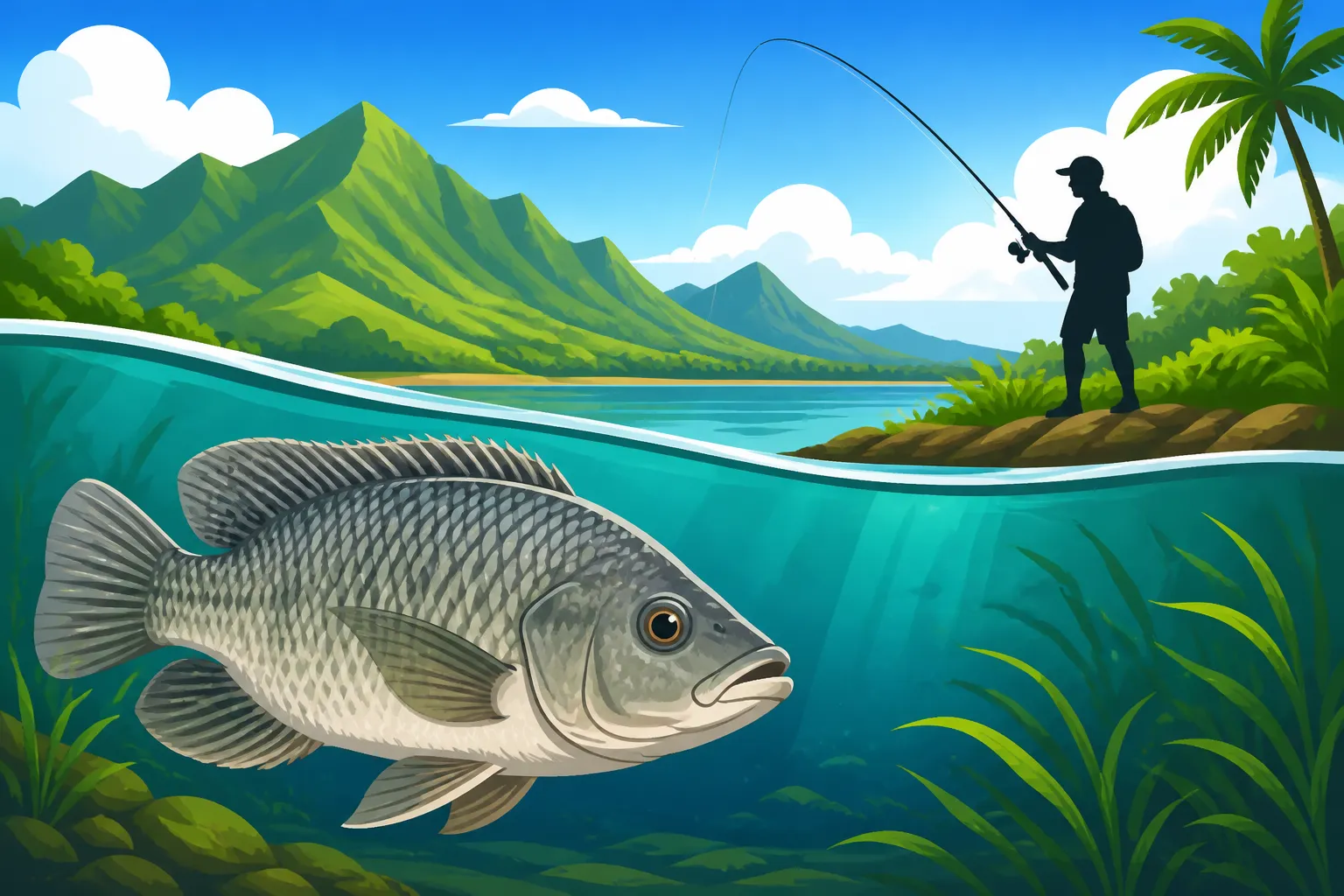
When you're out on the water, you might not realize there isn't just one type of tilapia swimming around. In Hawaii's reservoirs, you're most likely to encounter a few different species, each with subtle variations in appearance. The most common varieties include Blue Tilapia and Mozambique Tilapia. Blue Tilapia often have a grayish-blue body with some mottling, while Mozambique Tilapia tend to be a bit darker, sometimes with a more yellowish belly, especially during spawning.
Distinguishing them in the field can be tricky, as their coloration can change depending on water conditions, diet, and breeding status. However, anglers generally refer to them all as "tilapia" without needing to pinpoint the exact species. What's more important for an angler is recognizing their general shape – deep-bodied, laterally compressed, with a continuous dorsal fin. They are known for their prolific breeding habits, which is a big part of why they've become so abundant. This constant reproduction ensures a healthy, if not overwhelming, population for anglers.
Where to Find Tilapia in Hawaii's Reservoirs
Knowing what you're fishing for is one thing, but knowing where to find them is the key to a successful outing. Hawaii's freshwater reservoirs are the primary stomping grounds for tilapia, offering them ideal conditions to thrive and multiply. These waters provide both food and shelter, making them prime targets for anglers seeking these resilient fish.
Key Reservoirs and Their Tilapia Populations
When people think of freshwater fishing on Oahu, two reservoirs almost always come to mind: Wahiawa and Nuuanu. Both are fantastic spots that hold impressive populations of tilapia, often alongside other introduced species like largemouth bass and peacock bass. Wahiawa Reservoir, often called Lake Wilson, is a sprawling body of water known for its diverse fishery, and tilapia are a huge part of that. Anglers frequently report catching them in good numbers here, especially around the shallower edges and coves. You can find more specific details in our Wahiawa Reservoir Fishing Guide.
Nuuanu Reservoir, located in the lush Nuuanu Valley, is another excellent option, though its access and regulations might be a bit more restrictive, so it's always wise to check current rules before heading out. Tilapia are robust and adaptable, meaning they can be found in many other smaller ponds and irrigation ditches across the islands, though these larger reservoirs offer the most consistent public access and fishing opportunities. Always remember to check the specific regulations for any body of water you plan to fish, as rules can change. For a broader overview, take a look at our List of Hawaii freshwater fishing waters.
Preferred Habitats and Behavior
Tilapia aren't picky eaters, but they do have preferred hangouts. They absolutely love shallow, warm waters, especially those with plenty of submerged vegetation, fallen logs, or rocky structures. These areas offer both protection from predators and a buffet of algae, small invertebrates, and plant matter – basically, all the comforts of home for a tilapia. You'll often find them congregating in coves, along shorelines with emergent weeds, or around any kind of underwater cover that breaks up the current.
Their behavior is also something to consider. While they might seem like simple panfish, tilapia can be quite aggressive, especially during their spawning season when they guard their nests. You might see them fanning out circular depressions on the bottom in shallower areas, which is a dead giveaway that they're active and likely to strike at anything perceived as a threat to their territory. They often school, so if you catch one, there are usually more nearby. This makes them a fantastic target for a fun, action-packed day of fishing, even if you're not targeting trophy-sized fish.
Gear and Techniques for Catching Tilapia
Alright, so you know what tilapia are and where to find them. Now comes the fun part: how do you actually get them on the hook? The good news is, you don't need highly specialized gear to have a blast catching tilapia. They're generally eager biters, which makes them perfect for anglers of all skill levels, from seasoned veterans to kids just starting out.
Recommended Tackle and Bait
For tilapia, think light and subtle. A light spinning rod and reel combo is absolutely perfect. Something in the 6-foot range, paired with a small spinning reel spooled with 4 to 6-pound test monofilament or fluorocarbon line, will give you plenty of sensitivity and fun fighting these feisty fish. You don't need heavy-duty equipment; in fact, lighter tackle makes the experience much more enjoyable. For hooks, small is key – think size 6 to 10 bait holder hooks. Tilapia have relatively small mouths, and smaller hooks are more easily swallowed.
When it comes to bait, tilapia are not very finicky, which is part of their charm! Classic baits like earthworms, nightcrawlers (cut into smaller pieces), and even canned corn or small pieces of bread work wonders. You can also experiment with dough balls, or even tiny pieces of hot dog. If you're looking to use artificials, small jigs (1/32 to 1/16 ounce) tipped with a piece of worm, or tiny soft plastic grubs, can also be effective. You can find a great selection of affordable light tackle and various baits on Amazon to get you started without breaking the bank. Don't forget a small bobber to help detect those delicate bites, especially if you're fishing in murky water.
Effective Fishing Methods
Catching tilapia is often about simplicity and observation. One of the most common and effective methods is simple bobber fishing. Rig your line with a small bobber, a split shot or two a foot or so above your hook, and your chosen bait. Cast it out into those shallow, vegetated areas and watch the bobber. Tilapia often give a subtle dip or pull before fully submerging the bobber, so pay close attention! This method is incredibly relaxing and effective, especially for families fishing together.
Another great technique is bottom rigging. If you suspect tilapia are feeding closer to the bottom or in slightly deeper areas, a simple Carolina rig or a small weight with a leader can be very effective. This allows your bait to rest directly on the bottom where tilapia often forage. For those with keen eyesight and clear water conditions, sight fishing can be incredibly exciting. If you spot tilapia cruising or fanning beds, a stealthy cast with a small bait or fly can often elicit an immediate strike. For fly anglers, small nymphs, wet flies, or even tiny poppers can tempt hungry tilapia. Anglers accustomed to different freshwater species might be surprised by how readily tilapia bite, making for a truly enjoyable freshwater experience in Hawaii.
Eating Tilapia and Management Considerations
Once you've reeled in a few tilapia, the natural question arises: are these fish good to eat, and what's their broader impact on Hawaii's unique aquatic environment? It's important to approach these questions with a balanced perspective, acknowledging both the culinary potential and the ecological realities of an introduced species.
Are Hawaiian Tilapia Good to Eat?
This is a question I get asked a lot, and the answer is a resounding "yes!" Many anglers, especially those who grew up fishing for different species, might have reservations, but tilapia from Hawaii's freshwater reservoirs can be absolutely delicious. They have a mild, white, flaky flesh that's very versatile for cooking. Some folks worry about a "muddy" taste, but this is usually dependent on the water quality of where they're caught. Generally, tilapia from the larger, cleaner reservoirs are quite tasty.
The key to good-tasting tilapia is proper handling. Just like any fish, get them on ice quickly after catching them. Fillet them promptly, and you'll find they yield nice, boneless fillets perfect for baking, frying, grilling, or even making fish tacos. There's no minimum size limit or bag limit on tilapia in Hawaii for recreational anglers, which means you can keep as many as you'd like to bring home for dinner, provided you're following general reservoir rules. This abundance makes them an excellent target for feeding a family or a group of friends.
Role of Tilapia in the Ecosystem and Regulations
While tasty, it's also important to understand tilapia's role as an introduced species in Hawaii's freshwater ecosystems. They are prolific breeders and adaptable feeders, which allows them to outcompete some native freshwater organisms for resources. While Hawaii's freshwater systems have fewer native fish species than many continental areas, the presence of tilapia can still impact the overall biodiversity and health of the aquatic environment. For this reason, management agencies generally encourage the harvest of tilapia, and you won't find the restrictive regulations often associated with native or highly sought-after game fish.
Unlike many other species that have strict bag and size limits, tilapia are typically exempt from these. This encourages anglers to catch and remove them, helping to manage their populations. However, it's critical to understand that this doesn't mean you should introduce them to new bodies of water. Moving live fish between waterways is illegal and can have devastating consequences for existing ecosystems. Always ensure you check the current Hawaii Bag and Size Limits by Species and local reservoir regulations before fishing to ensure you're in compliance. Responsible angling includes understanding and respecting the ecological balance, even when targeting an abundant, introduced species.
Common Challenges and Tips for Tilapia Anglers
Even with a fish as abundant and eager to bite as tilapia, there are always nuances to fishing that can make your outing more productive and enjoyable. Knowing some common challenges and having a few insider tips can elevate your experience, turning a good day into a fantastic one.
Dealing with Overpopulation and Competition
One of the biggest "challenges," if you can even call it that, when fishing for tilapia in Hawaii's reservoirs is their sheer abundance. You might find yourself catching one after another, sometimes at an almost overwhelming pace! While this can be incredibly fun, especially for kids or beginners, seasoned anglers might find themselves wishing for a bit more variety. Tilapia are robust and occupy a wide range of habitats, which means they can outcompete other species for food and space. This is why you often find them thriving alongside other introduced species like largemouth bass and peacock bass, rather than sensitive native freshwater fish.
For anglers, this simply means adjusting your expectations and techniques. If you're targeting other species, you might find yourself catching tilapia as bycatch. Instead of seeing it as a nuisance, consider it an opportunity to practice your hook sets, hone your casting skills, or simply enjoy the thrill of a constant bite. There's a certain satisfaction in knowing you're helping manage an introduced population while having a blast. If you’re fishing an area known for both tilapia and Largemouth Bass in Hawaii's Reservoirs, you might need to try different baits or presentations to selectively target the bass, though tilapia are often happy to eat bass baits too!
Best Practices for Sustainable Tilapia Fishing
While tilapia are not native and their harvest is encouraged, practicing sustainable fishing habits is still paramount. The most important rule is: never, ever move live tilapia from one body of water to another. This is illegal and can lead to the establishment of new invasive populations, harming other ecosystems. Always check specific regulations for the reservoir you are fishing. For example, some reservoirs might have restrictions on bait, types of gear, or even access points. Familiarizing yourself with the Reading the Hawaii DLNR Fishing Regulations is crucial before any fishing trip.
When you do catch tilapia, if you plan to keep them for food, process them efficiently and cleanly. If you're not keeping them, ensure you release them carefully if you intend for them to survive, or dispatch them humanely if you are removing them from the ecosystem. The goal is to be a responsible steward of Hawaii's unique aquatic environments. Respecting posted signs, keeping the fishing areas clean, and properly disposing of all trash and fishing line contribute to a better experience for everyone and help protect the natural beauty of these freshwater havens. Remember, a valid Hawaii Freshwater Fishing License and Rules is often required, regardless of whether you're a resident or a visitor, and there are different costs like the Hawaii freshwater license cost for residents or the Hawaii freshwater license cost for nonresidents, depending on your status.
| Tilapia Fishing Aspect | Key Considerations | Best Practices |
|---|---|---|
| Species ID | Multiple types (Blue, Mozambique) present. | Not critical to differentiate; all are "tilapia." |
| Location | Warm, shallow areas; weed beds, structure. | Focus on reservoir edges, coves, submerged features. |
| Gear | Light spinning tackle (4-6 lb line), small hooks. | Use smaller hooks (size 6-10) for better hook-ups. |
| Bait | Versatile feeders: worms, corn, bread, small jigs. | Experiment with common baits; observe what works best. |
| Eating Quality | Mild, white, flaky flesh; excellent for cooking. | Ice immediately, fillet quickly to avoid "muddy" taste. |
| Ecological Role | Invasive, outcompetes native species. | Harvest encouraged; never transport live fish. |
| Regulations | No bag/size limits; license required. | Check specific reservoir rules and general Hawaii Fishing License Age Requirements. |
Disclaimer
This article is for general informational purposes only and does not constitute professional advice. Laws, prices and regulations vary by location and change over time. Consult a qualified professional for guidance on your specific situation.