Native fish species found only in Hawaii
It's incredibly frustrating when you're trying to connect with the unique natural world of Hawaii, especially when it comes to fishing, and you find yourself wondering which of the amazing fish you see are truly from here, and which ones have been introduced. The ocean around our islands is a bustling melting pot of marine life, but it's the fish that have evolved here over millennia, found only in these waters, that truly tell the story of Hawaii's isolation and unique ecology. This guide is here to help you understand, identify, and appreciate these irreplaceable native and endemic fish species.
Understanding Native vs. Endemic Fish in Hawaii
Before we dive into specific examples, it's really important to clarify what we mean when we talk about fish that are "found only in Hawaii." The terms "native" and "endemic" are often used interchangeably, but they actually have distinct meanings, especially when discussing an isolated ecosystem like the Hawaiian Islands. Getting this straight is key to truly appreciating the special nature of Hawaii's aquatic life.
What Does "Native" Truly Mean?
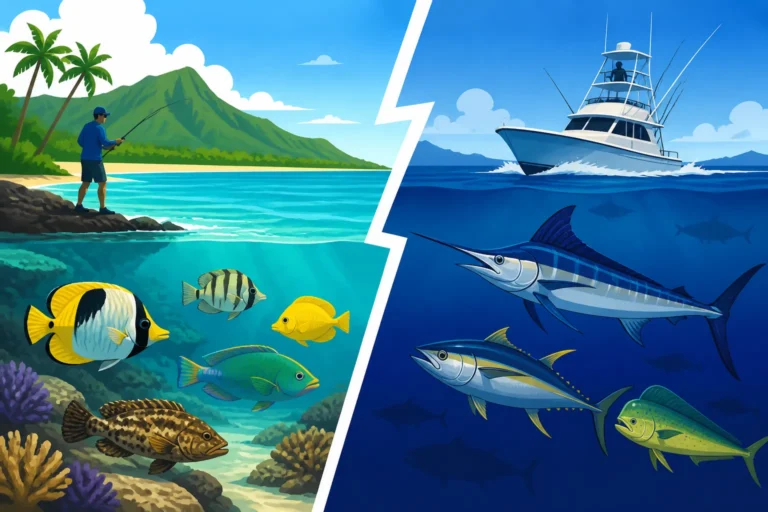
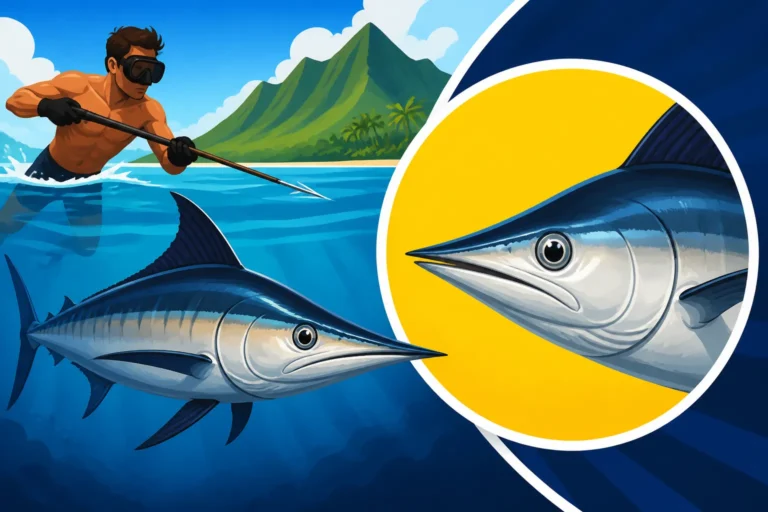
When a fish species is described as native to Hawaii, it means that it arrived here by natural means – usually by swimming or being carried by ocean currents over vast distances – and then established a reproducing population before human intervention. These species are part of the original biological tapestry of the islands. However, a native species isn't necessarily exclusive to Hawaii. For instance, many of our pelagic (open ocean) fish like ahi (yellowfin tuna) or marlin are native to Hawaiian waters, but they're also found throughout the wider Pacific Ocean. They're part of the natural ecosystem, but not unique to it.
Imagine a group of pioneering fish, maybe a school of certain types of parrotfish or surgeonfish, making the arduous journey across thousands of miles of open ocean to reach Hawaii's shores. If they manage to survive, find food, and successfully reproduce, their descendants become a native part of the Hawaiian marine environment. They belong here. But their cousins might also be thriving in Fiji or Tahiti. They're Hawaiian by residence, but not exclusively so.
The Significance of "Endemic" Species
Now, when we say a fish species is endemic to Hawaii, that's where the "found only in Hawaii" part truly comes into play. An endemic species is a native species that has evolved here in isolation to such an extent that it's found nowhere else on Earth. Hawaii's extreme isolation – being the most remote island chain in the world – has created a living laboratory for evolution. Over millions of years, species that arrived here diverged from their ancestral populations, adapting to Hawaii's specific habitats and developing unique characteristics.
Think of it like this: a tiny gobies that somehow drifted from Japan millions of years ago, landed in a Hawaiian stream, and over countless generations, slowly changed. It adapted to the specific water chemistry, the types of rocks, and the predators unique to Hawaii. Eventually, it became so different from its Japanese ancestors that it could no longer interbreed with them, and it developed traits found only here. That's an endemic species. These are the true biological treasures of the islands, representing evolutionary success stories that exist only because of Hawaii's geography and history. Protecting these species is a huge responsibility, as their loss in Hawaii means their loss forever. Many of our smaller reef fish, certain damselfish, wrasses, and even the famous humuhumunukunukuapuaʻa (reef triggerfish) are endemic, making them truly special. You might find some excellent Reef Fish Species Identification Guide for Hawaii to help you spot them.
Why Hawaii's Endemic Fish Are So Special and Vulnerable
Hawaii's isolation isn't just a cool geographic fact; it's the very foundation of why our endemic fish are both incredibly special and incredibly vulnerable. These species represent millions of years of evolutionary adaptation, making them irreplaceable living artifacts of natural history. But that same isolation also means they often haven't developed defenses against new threats, making their survival a delicate balance.
Evolutionary Masterpieces Born of Isolation
The sheer uniqueness of Hawaii's endemic fish is astounding. Imagine a tiny fish that somehow made it across vast expanses of ocean, establishing itself in a new, pristine environment. With no direct competition from its ancestral populations, and facing unique environmental pressures, these pioneering species diversified and specialized. Some adapted to live in freshwater streams, others to specific coral formations, and still others to the deep, dark slopes of our offshore seamounts. Each one is a testament to the power of natural selection in action.
For example, many of Hawaii's reef fish, like certain species of butterflyfish and wrasses, have evolved unique color patterns or feeding behaviors that are perfectly suited to the specific types of coral or algae found on Hawaiian reefs. They're not just "fish in Hawaii"; they are Hawaiian fish, shaped by the very environment they inhabit. These are the living proof of Hawaii's unique ecological journey, and understanding them deepens our appreciation for this place far beyond just fishing for dinner. It's truly a privilege to witness such biodiversity. To learn more about this, you can check out guides on What fish species are unique to Hawaiian waters.
Facing Modern Threats: A Fragile Existence
Unfortunately, the very isolation that fostered this incredible endemism also makes these species incredibly vulnerable to modern threats. When new species are introduced – whether intentionally or accidentally – Hawaiian endemic fish often lack the natural defenses, competitive strategies, or evolved immune systems to cope. This is why strict regulations exist regarding what can be brought into the state, and why things like invasive aquarium species are such a concern.
Pollution, habitat destruction from coastal development, climate change impacting ocean temperatures and coral health, and overfishing of even non-target species can all have disproportionately severe impacts on endemic populations. Their populations are often smaller and more localized than widespread species, meaning a single negative event can wipe out a significant portion, or even an entire species, if it only lives in one specific bay or stream. It’s why initiatives like Hawaii Marine Life Conservation Districts, Explained are so vital, aiming to create safe havens for these fragile populations. We also see concerns for larger marine life, which is why topics like Hawaii shark feeding and finning laws and Hawaii turtle and monk seal proximity rules for anglers are important discussions within the conservation community.
It’s a constant balancing act between enjoying the ocean's bounty and protecting its most precious, irreplaceable residents. Every angler and ocean user has a role to play in recognizing these unique fish and understanding the importance of their protection.
Iconic Native and Endemic Hawaiian Fish Species
Hawaii is home to an incredible array of marine life, and among them are some truly iconic fish species that are either native, or even better, entirely endemic to our islands. While many of the big game fish that draw anglers to Kona are native but widespread, it's often the smaller, more colorful reef dwellers and unique stream inhabitants that truly represent Hawaii's exclusive biological heritage.
The Humuhumunukunukuapuaʻa: Hawaii's State Fish
Let's start with the one everyone loves to try and pronounce: the Humuhumunukunukuapuaʻa, or reef triggerfish (Rhinecanthus rectangulus). This vibrant, distinctively patterned fish is perhaps the most famous example of an endemic Hawaiian species. Its name, literally meaning "fish with a pig-like snout," refers to its unique mouthparts and how it grunts when caught. It's also our official state fish, which tells you just how much it means to Hawaii!
You'll spot these beauties darting around shallow reefs, using their strong mouths to pick at algae and small invertebrates. They're not typically targeted by anglers for food, but they are a constant, colorful presence for snorkelers and divers. Their presence is a good indicator of a healthy reef ecosystem. If you're interested in learning more about this particular species, you can delve into What triggerfish (humuhumu) species live in Hawaii's reefs to understand their specific characteristics and habitats. These fish are a perfect symbol of Hawaii's unique marine biodiversity and a reminder of why it's so important to protect our reefs.
The Challenging World of Hawaiian Gobies
While triggerfish capture our attention with their colors, Hawaii is also home to several species of freshwater gobies that are incredibly important and mostly endemic. These are truly fascinating fish, often overlooked because of their small size, but they represent a remarkable evolutionary journey. Many of these goby species spend part of their lives in the ocean as larvae, then migrate into freshwater streams as juveniles, where they live out their adult lives, some even climbing waterfalls using specialized suction cups on their bellies!
Species like the 'o'opu nākea (Awaous guamensis) or the 'o'opu naniha (Sicyopterus stimpsoni) are endemic to Hawaii, perfectly adapted to the dynamic, often turbulent Hawaiian stream environments. They play a vital role in stream ecosystems, feeding on algae and invertebrates. Unfortunately, they are incredibly vulnerable to habitat degradation, water diversion, and introduced predatory fish. Protecting Hawaii's freshwater streams is absolutely crucial for the survival of these unique gobies. Anglers exploring freshwater spots should be aware of these delicate ecosystems and practice responsible fishing to avoid disturbing their habitats. For a deeper dive into the delicate balance of these environments, resources like Fish species unique to Hawaii's deep reef slopes often touch on the specialized adaptations seen in various endemic species.
Other Notable Endemic Reef Dwellers
Beyond the humuhumunukunukuapuaʻa and the 'o'opu, numerous other species contribute to Hawaii's unique underwater landscape. Many types of damselfish, wrasses, and even certain hawkfish are endemic to these islands. These fish are often smaller, but their brilliant colors and intricate behaviors make them a joy to observe. They form critical parts of the reef food web, cleaning parasites off larger fish, grazing on algae, or hunting small prey among the coral.
For example, the Hawaiian Domino Damselfish (Dascyllus albisella) is endemic and a common sight in rocky reef areas. Similarly, several species of Hawaiian hogfish, butterflyfish, and even some moray eels are found only here. These species might not be on an angler's target list, but they are the silent majority that makes Hawaiian reefs so globally significant. They are what make a snorkeling trip truly special, offering sights you simply won't find anywhere else. Taking the time to properly identify these species, perhaps with a good waterproof Amazon fish identification card, can greatly enhance your appreciation for our oceans. Knowing the differences between Hawaii's shore and offshore fish populations also helps in understanding where these unique species are most likely to thrive.
Here's a quick look at some key endemic fish categories:
| Category | Common Name (Hawaiian) | Example Species (Scientific) | Habitat | Key Trait |
|---|---|---|---|---|
| Reef Triggerfish | Humuhumunukunukuapuaʻa | Rhinecanthus rectangulus | Shallow reefs | State fish, distinct pattern, grunting sound |
| Freshwater Gobies | 'O'opu nākea, 'O'opu naniha | Awaous guamensis, Sicyopterus stimpsoni | Streams, waterfalls | Amphidromous, specialized climbing abilities |
| Damselfish | Mamo | Abudefduf abdominalis | Reef flats | Territorial, vibrant colors, often form schools |
| Wrasses | Hīnālea | Various Thalassoma species | Reefs, tide pools | Highly diverse colors, active foragers |
| Hawkfish | Hīlea | Paracirrhites arcatus | Coral heads, ledges | Perch on corals, ambush predators |
| Moray Eels | Pūhi | Gymnothorax meleagris (some endemic) | Reef crevices | Nocturnal hunters, varied sizes and patterns |
Protecting These Treasures
Many of these endemic species are highlighted in resources detailing Endangered and Protected Fish Species in Hawaii and remind us that our fishing habits and general interaction with the marine environment have a profound impact. It's crucial for anyone enjoying Hawaii's waters to understand and respect the regulations in place, and to always prioritize the health of the ecosystem. Understanding how to identify various reef fish species found on shallow reef flats can also help you recognize and protect these unique residents.
How Anglers Can Help Protect Hawaii's Unique Native Fish
As anglers, we have a unique connection to the water and the fish that inhabit it. That connection comes with a responsibility, especially in a place like Hawaii where so many species are found nowhere else on Earth. Protecting Hawaii's native and endemic fish isn't just about following rules; it's about adopting a mindset of stewardship and understanding the delicate balance of our marine and freshwater ecosystems.
Practicing Responsible Catch and Release
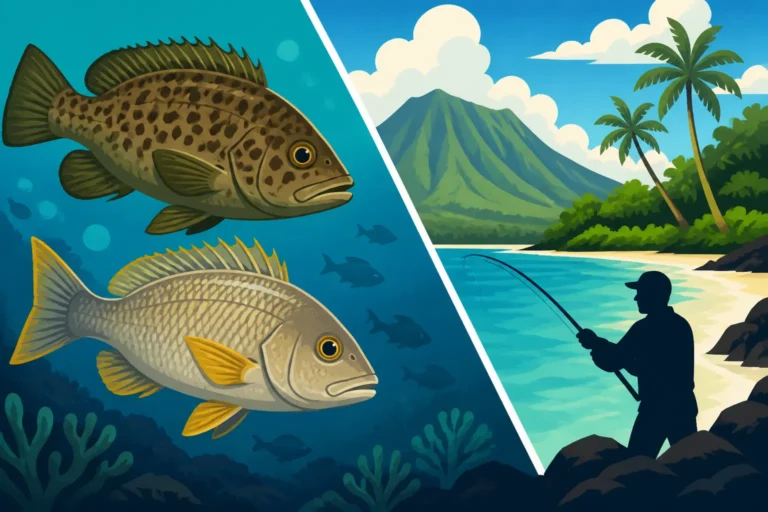
For many of the smaller, endemic reef fish, catch and release isn't about avoiding bag limits – it's often about not targeting them at all. These species are typically not sought after for food, but they can sometimes be caught accidentally, especially when fishing near reefs or in freshwater streams. If you do happen to catch one of these unique species, knowing how to properly handle and release it is paramount.
Always use appropriate tackle for your target species to minimize accidental catches. If an endemic fish is hooked, handle it as little as possible, using wet hands to protect its slime coat. Consider using barbless hooks, which make release much easier and reduce harm. Revive the fish gently in the water, ensuring it's strong enough to swim away on its own before letting it go. A small, portable scale from Amazon can help measure fish if needed, but for these delicate species, minimizing handling time is key. Remember, the goal is for these fish to continue their lives, contributing to the health of the ecosystem. Learning about Hawaii Bag and Size Limits by Species is also critical, as regulations are often designed with species protection in mind, even if not specifically for endemic fish.
Minimizing Habitat Disturbance
The habitat where these native and endemic fish live is just as important as the fish themselves. Coral reefs, rocky shorelines, and freshwater streams are fragile environments. As anglers, we can help protect them by being mindful of our actions. Avoid stepping on corals, which are living animals that provide crucial shelter and food for countless species. Properly dispose of all trash, fishing line, and tackle; "ghost fishing" from discarded gear can continue to harm marine life for years.
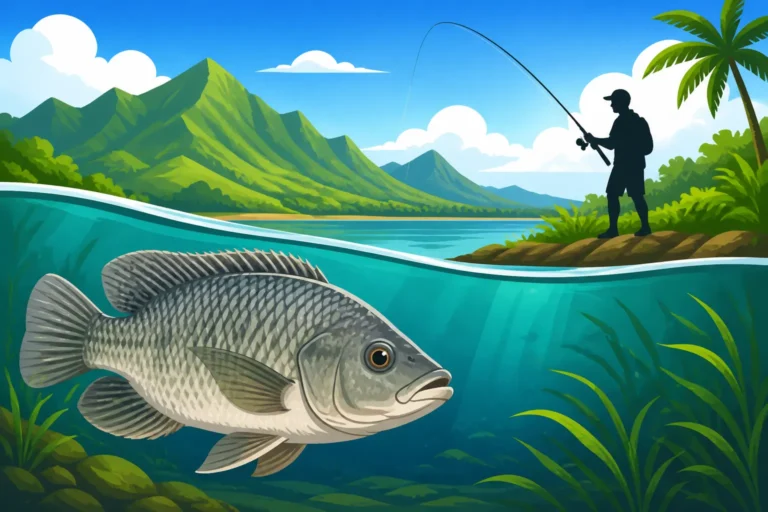
When fishing in freshwater streams, be aware of the stream bed and banks. Erosion caused by foot traffic can degrade water quality and harm sensitive fish like the 'o'opu. Stick to designated access points where possible, and avoid disturbing riparian vegetation. Anything you can do to minimize your footprint helps preserve the delicate balance these fish rely on. This also extends to understanding and respecting areas like Hawaii Marine Life Conservation Districts, Explained, where specific activities might be restricted to protect sensitive habitats.
Educating Yourself and Others
One of the most powerful tools we have for conservation is knowledge. The more we understand about Hawaii's unique fish species, their habitats, and the threats they face, the better equipped we are to protect them. Take the time to learn about the species you might encounter, especially which ones are endemic or protected. There are many fantastic field guides available, both online and in print (you can find a great selection on Amazon), that can help you identify fish.
Share your knowledge responsibly. When you see others inadvertently harming the environment or mishandling a fish, kindly educate them rather than confronting them aggressively. Sometimes, people simply don't know any better. By fostering a community of informed and respectful anglers, we can collectively make a huge difference. You might even find yourself advocating for greater protections or supporting local conservation efforts, helping to ensure that future generations can also marvel at the incredible native fish species found only in Hawaii.
Disclaimer
This article is for general informational purposes only and does not constitute professional advice. Laws, prices and regulations vary by location and change over time. Consult a qualified professional for guidance on your specific situation.