Hawaii Nonresident Marine Fishing License, Explained
It can be incredibly confusing to figure out the ins and outs of fishing regulations when you're visiting a new place, especially an island paradise like Hawaii. Many non-residents, accustomed to different rules back home, find themselves scratching their heads wondering if they need a special permit just to cast a line into the Pacific. This comprehensive guide is here to untangle all the details surrounding the Hawaii nonresident marine fishing license, ensuring you understand exactly what's required so you can enjoy Hawaii's incredible ocean fishing without a single worry.
Do Nonresidents Actually Need a Marine Fishing License in Hawaii?
For years, one of the wonderful, almost mythical aspects of fishing in Hawaii's ocean waters was that recreational anglers didn't need a license. This was a long-standing tradition that many locals and repeat visitors came to appreciate. You could grab your pole, head to the shoreline, or launch your small boat, and as long as you followed bag and size limits, you were good to go.
The Recent Shift in Hawaii's Fishing Laws
However, times change, and so do the needs of our precious marine ecosystems. Effective January 1, 2024, Hawaii implemented a new law that requires all recreational marine anglers – residents and non-residents alike – to possess a valid marine fishing license. This was a significant shift, and it absolutely caught many people off guard. We heard a lot of frustrated anglers wondering why the rules had changed after so long.
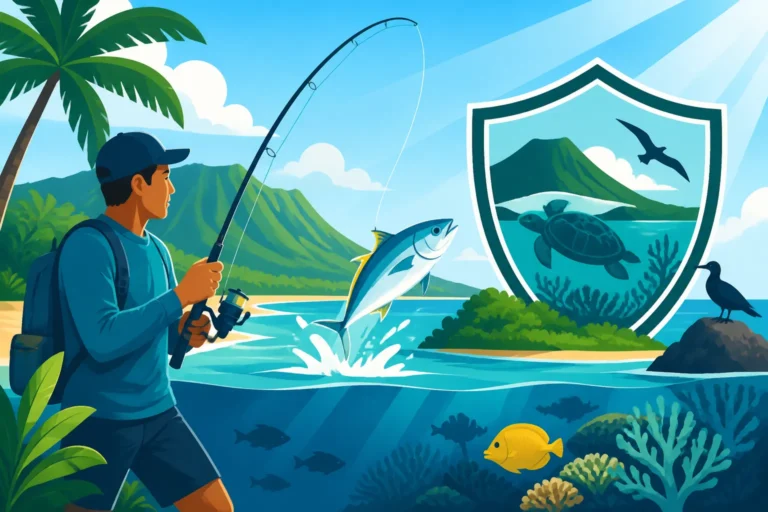
The primary drivers behind this change are conservation and data collection. The state's Division of Aquatic Resources (DAR) needs better information on who is fishing, where they're fishing, and what they're catching. This data is absolutely crucial for sustainably managing our fisheries, protecting vulnerable species, and ensuring that future generations can also enjoy the incredible bounty of Hawaii's oceans. It's a tough pill for some to swallow, especially with added costs, but it’s a vital step in safeguarding our natural resources.
Who Needs a Nonresident Marine Fishing License?
So, if you’re visiting Hawaii and dreaming of catching a mahimahi, ono, or a feisty papio from the shore, the short answer is yes, you'll most likely need a license. A "nonresident" for Hawaii fishing purposes generally means anyone who does not meet the state's residency requirements, which usually involve continuous physical presence in the state for a certain period and an intent to make Hawaii your permanent home. If you're here on vacation, a business trip, or even an extended stay without establishing permanent residency, you fall into the nonresident category.
This requirement applies to almost everyone over the age of typically 10 years old who plans to engage in recreational marine fishing, whether from shore, a pier, a kayak, or a private boat. There are specific age exemptions to consider, which we'll touch on later, but the general rule is: if you're holding a rod and reel, a throw net, or engaging in spearfishing, you need that license. One common area of confusion, which we'll clarify, is whether you need a license if you're on a licensed charter boat – spoiler alert, usually not, but more on that soon! For now, just know that if you’re a tourist from, say, Seattle, planning to fish off the beaches of Maui with your own gear, a nonresident marine fishing license is a must-have item.
Understanding the Types of Nonresident Marine Licenses Available
The Hawaii Division of Aquatic Resources (DAR) understands that visitors come for different lengths of time and have varying fishing plans. To accommodate this, they've structured the nonresident marine fishing license options to be quite flexible. It’s not a one-size-fits-all situation, which is actually a really thoughtful approach to visitors who might only be here for a long weekend or a few weeks.
Short-Term Options for Visitors
For many visitors, especially those on a typical week-long vacation, the short-term options are going to be your best bet. These licenses are designed for convenience and cost-effectiveness if you're not planning on fishing for an extended period throughout the year.
First up, there’s the 1-day marine fishing license. This is absolutely perfect for the angler who just wants to try their luck for a single day, maybe during a specific outing with friends, or just to tick it off their bucket list. Perhaps you're visiting Oahu for a long weekend and only have one morning dedicated to wetting a line at Sandy Beach. This license lets you do that without committing to a longer, more expensive option. The Hawaii nonresident 1-day marine fishing license cost is quite reasonable, making it an accessible choice for a spontaneous fishing adventure.
Then, for those planning a bit more fishing during their Hawaiian getaway, there’s the 7-day marine fishing license. This is a fantastic option if you're on a longer trip – say, a full week or two – and anticipate multiple fishing sessions. Instead of buying several 1-day licenses, which can quickly add up, the 7-day pass offers a more economical solution. Imagine you’re spending a week on the Big Island, wanting to try shore casting off the Kona Coast one day, and then maybe kayak fishing near Hilo a few days later. This license covers you for seven consecutive days, providing great flexibility. You can check the Hawaii nonresident 7-day marine fishing license cost to see how it compares to your potential fishing plans.
Annual License for Extended Stays or Frequent Visitors
While the short-term licenses cater to most tourists, Hawaii also offers an annual nonresident marine fishing license. This option is specifically tailored for those who spend more considerable time in the islands or visit frequently throughout the year. If you're a "snowbird" who escapes the mainland winters for several months in Hawaii, or if your work brings you to the islands multiple times a year and you always make time for fishing, this license will definitely be your most practical and cost-effective choice in the long run.
The annual license provides coverage for a full 12 months from the date of purchase, allowing you unlimited marine fishing within that period, provided you adhere to all other regulations. When you look at the Nonresident Annual Marine Fishing License Cost in Hawaii, you'll quickly see that it becomes more economical than buying multiple 7-day or even 1-day licenses if you fish for more than three or four weeks out of the year. It removes the hassle of repurchasing and ensures you're always covered, no matter when your fishing urge strikes during your stays. This option is also relevant for understanding Hawaii fishing license age exemptions summary if you're considering licenses for family members on extended visits.
Where and How to Purchase Your Nonresident Marine Fishing License
Getting your hands on a Hawaii nonresident marine fishing license is thankfully quite straightforward these days. The Hawaii Department of Land and Natural Resources (DLNR) has made it relatively easy to acquire the necessary permits, offering both convenient online purchasing options and traditional in-person venues. This flexibility means you can plan ahead or even snag a license on the fly if a fishing opportunity suddenly arises.
Online Purchase Through the DLNR Portal
For many, the most convenient way to purchase your nonresident marine fishing license is online directly through the Hawaii Department of Land and Natural Resources (DLNR) Division of Aquatic Resources (DAR) licensing portal. It's designed to be user-friendly, allowing you to secure your license from anywhere, anytime, as long as you have an internet connection. This is fantastic for planning your trip in advance or even purchasing it from your hotel room the night before your big fishing day.
Here’s a step-by-step rundown of what to expect:
- Visit the Official DLNR Website: Head to the Hawaii Division of Aquatic Resources (DAR) licensing portal. Be sure it's the official state website to avoid any third-party scams.
- Create an Account or Log In: If it's your first time, you'll need to create a user account. This usually involves providing an email address and setting up a password. If you’ve purchased other Hawaii licenses before, you might already have one.
- Select License Type: Navigate to the marine fishing licenses section and choose the nonresident option. You'll then select whether you want a 1-day, 7-day, or annual license.
- Provide Personal Information: You'll be asked to input your personal details, including your full name, date of birth, current address (your home address, not your Hawaii accommodation), and identification information (like a driver's license number). This information is crucial for identification and enforcement purposes.
- Review and Pay: Before finalizing, double-check all the information you've entered to ensure accuracy. Then, proceed to the payment section where you can use a credit or debit card to complete the purchase.
Once your transaction is complete, you'll typically receive an email confirmation with your digital license. The convenience of this system cannot be overstated; it allows you to literally purchase your license while sitting on the plane to Hawaii or sipping your morning coffee overlooking the ocean. For a more detailed walkthrough, you can always refer to resources like How to Buy a Hawaii Fishing License Online.
In-Person Options at Licensed Vendors
While online purchasing is increasingly popular, some anglers prefer the traditional method or find themselves needing a license last minute. Fortunately, there are still plenty of authorized vendors across the islands where you can purchase your nonresident marine fishing license in person. These vendors often include local bait and tackle shops, larger sporting goods stores, and sometimes even general stores or small markets in fishing communities.
The real benefit of buying in person isn't just the physical license in hand; it's the invaluable local knowledge you can gain. The folks working at these shops are often seasoned anglers themselves, deeply connected to the local fishing scene. They can offer real-time advice on what's biting, the best spots given current conditions, and even recommend specific lures or baits. Imagine walking into a tackle shop in Kailua-Kona, buying your license, and then getting insider tips on where the papio are schooling or the best time to fish near the harbor. For specific locations, searching for Hawaii fishing license vendors near me or checking the official Hawaii DLNR license agent list can point you in the right direction.
What to Do Once You Have Your License
Once you've successfully purchased your Hawaii nonresident marine fishing license, whether online or in person, there's one crucial step remaining: making sure you can present it when required. For online purchases, you'll usually receive a digital copy. It's a really good idea to print a physical copy to carry with you, especially since cell service can be spotty in some of Hawaii’s more remote and beautiful fishing locations. You don't want to be caught without proof if a Division of Conservation and Resources Enforcement (DOCARE) officer checks.
However, many anglers also save the digital file to their smartphone or tablet. The key is to ensure it's easily accessible even without an internet connection. Some people take a screenshot of the license and save it in their photo gallery for quick retrieval. The state does allow for digital presentation, but having a backup is always smart. Remember, the rule is to have it on your person while you are actively fishing. This way, you're always in compliance, no matter if you're casting from a remote beach or reeling in a catch from a small boat. For more specifics on carrying requirements, you might find information in a guide like Printing or Carrying a Digital Fishing License in Hawaii.
Navigating Regulations Beyond the License
Obtaining your nonresident marine fishing license is a fantastic first step, but it’s just one piece of the puzzle for responsible angling in Hawaii. The islands' rich marine ecosystem is carefully managed, and adhering to additional regulations is just as crucial as having your license. These rules aren't designed to be a hindrance; rather, they're in place to protect our precious marine life and ensure sustainable fishing for everyone, for generations to come.
Essential Rules for Marine Waters
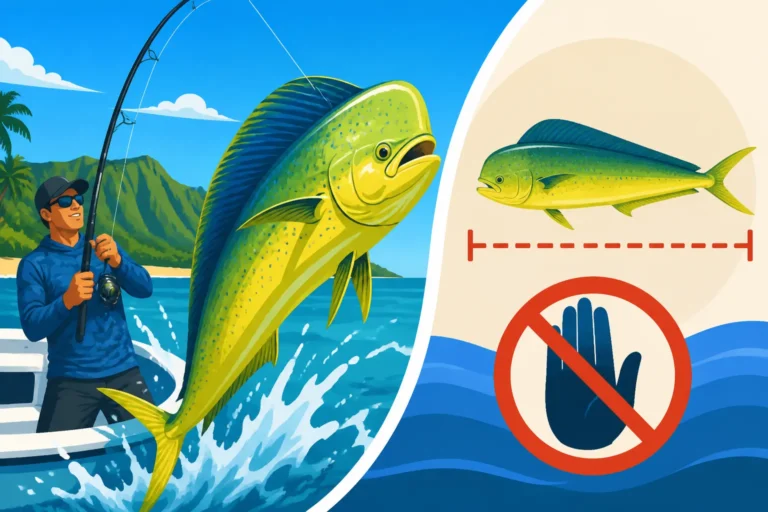
Beyond the license, every angler, resident or nonresident, must understand and follow the specific rules pertaining to what they can catch, how much, and when. These typically revolve around bag limits, size limits, and closed seasons for various species. It's a common frustration that rules can vary so much from place to place, but in Hawaii, these specifics are based on scientific data and local knowledge to help specific fish populations thrive.
For instance, certain popular reef fish, like uhu (parrotfish) or moi (Pacific threadfin), have very specific size and bag limits. It's not uncommon to catch a fish that looks legal, only to find out it's too small or part of a species with a unique regulation. Some fish also have specific closed seasons, often during their spawning periods, to give them a chance to reproduce successfully. It's vital to stay informed, and the DLNR website is always the best source for the most up-to-date information. Guides like Hawaii Bag and Size Limits by Species can be incredibly helpful. For example, knowing the Hawaii Moi Closed Season, Explained or checking the Hawaii Uhu (Parrotfish) Size and Bag Limits before you head out can save you from an accidental violation and contribute positively to conservation efforts.
Special Zones and Protected Areas
Hawaii is renowned for its efforts to protect its unique marine environment, and part of this involves designating special zones where fishing activities are either restricted or prohibited entirely. As a nonresident angler, it’s absolutely critical to be aware of these areas before you cast a line, as ignorance of the law is no excuse.
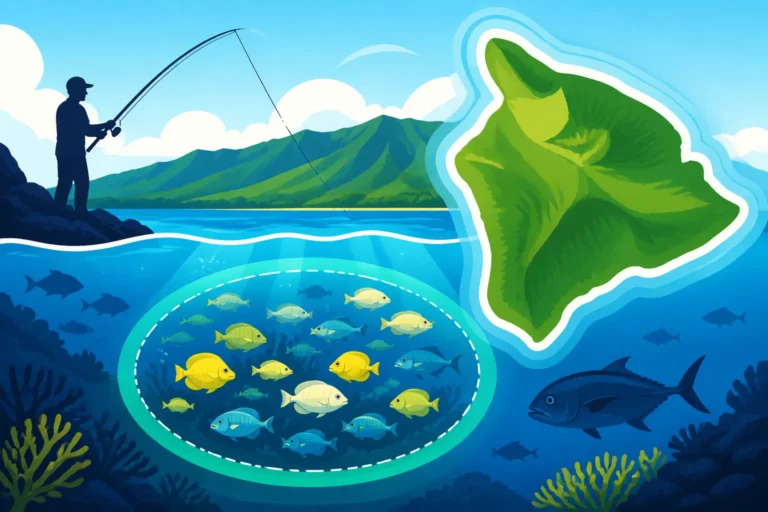
The two main types of special areas you’ll encounter are Marine Life Conservation Districts (MLCDs) and Fish Replenishment Areas (FRAs). MLCDs, like those at Hanauma Bay or Kealakekua Bay, are strictly protected areas where fishing, collecting, and even sometimes touching marine life are prohibited. These are sanctuaries designed for marine research and to allow fish populations to flourish naturally. On the other hand, Fish Replenishment Areas, particularly in West Hawaii, are designed to allow certain species to grow and reproduce, with specific rules about fishing methods and harvest. It’s important to understand the boundaries and regulations for each. For instance, being near popular tourist spots like Waikiki, you're often close to these restricted zones. To ensure you're compliant, familiarize yourself with resources such as Hawaii Marine Life Conservation Districts, Explained and Hawaii Fish Replenishment Areas in West Hawaii.
Spearfishing and Net Fishing for Nonresidents
For nonresidents interested in more specialized fishing techniques like spearfishing or net fishing, there are additional layers of regulations to understand. These methods, deeply rooted in Hawaiian culture and tradition, are subject to stricter controls due to their efficiency and potential impact on local fish populations. The regulations often differentiate between residents and nonresidents, and in some cases, outright prohibit certain practices for visitors.
Spearfishing, for instance, has rules regarding the use of SCUBA gear (which is generally banned for spearfishing) versus freediving, the types of spears allowed, and restricted areas. It's a thrilling way to fish, but it requires a deep understanding of local laws to do it legally and respectfully. Similarly, net fishing, while a common practice for local sustenance, has strict rules on net size, mesh size, and specific areas where it's either allowed, restricted, or completely banned. These rules protect juvenile fish and prevent overharvesting. Before even considering these methods, consult resources like Hawaii Spearfishing Regulations and Hawaii Net Fishing Restricted Areas to ensure you're not inadvertently breaking the law. These methods are beautiful cultural practices but come with significant responsibility.
Common Questions and Misconceptions for Nonresident Anglers
Even with all the information out there, certain questions and misconceptions consistently pop up for nonresident anglers. It's totally understandable; every state has its unique quirks when it comes to fishing regulations, and Hawaii is no exception. Let's tackle some of the most frequently asked questions to clear up any lingering confusion.
Is a Charter Trip Different for Licensing?
This is perhaps the biggest area of confusion for visitors to Hawaii: "If I go on a charter boat, do I still need my own license?" The answer, in most cases, is no. This is fantastic news for tourists who might only want one or two offshore fishing experiences during their trip and don't want to bother with purchasing an individual license.
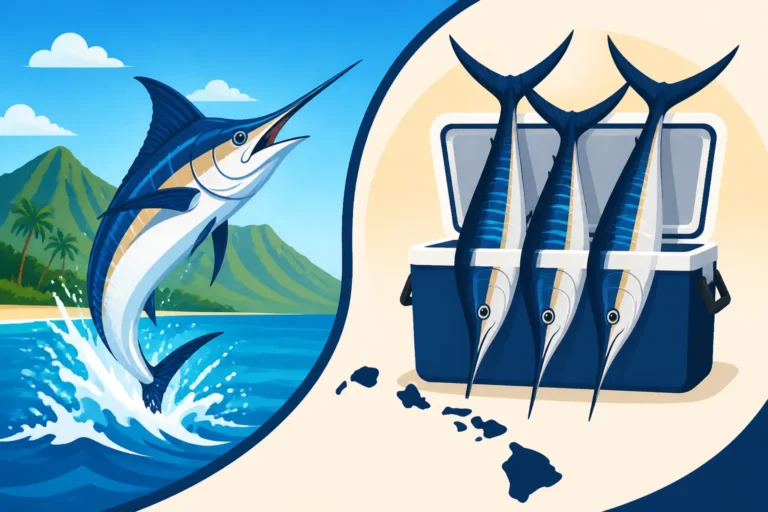
When you book a trip with a licensed Hawaii fishing charter, whether it's for thrilling deep-sea marlin fishing off the Kona Coast or bottomfishing for opakapaka, the charter operator's commercial license typically covers everyone on board. The vessel itself is permitted for fishing, and you, as a passenger, are fishing under their umbrella. It's a seamless way to enjoy Hawaii's world-class fishing without needing to navigate individual licensing requirements. However, it's always a good practice to confirm this directly with your specific charter operator when you book, just to be absolutely sure. This ensures there are no surprises on the day of your adventure. For further clarification on this topic, check out Do You Need Your Own Fishing License for a Hawaii Charter?.
What Happens if You Fish Without a License?
Fishing without a required license, whether as a resident or nonresident, is a violation of Hawaii state law. The penalties for such infractions are not just a slap on the wrist; they can be quite significant and definitely put a damper on your Hawaiian vacation. The Division of Conservation and Resources Enforcement (DOCARE) officers patrol both land and sea, and they are well within their rights to check for valid licenses and adherence to regulations.
If caught fishing without a license, you could face hefty fines. These fines can vary depending on the specific circumstances, but they are designed to be a deterrent. In addition to monetary penalties, your fishing gear, including rods, reels, and tackle, could potentially be confiscated. Nobody wants their dream fishing trip to end with a fine and losing their favorite rod. Beyond the legal consequences, fishing illegally undermines the conservation efforts that the license fees help to fund. It’s always best to simply purchase the license and fish with peace of mind. To understand the potential repercussions more fully, you can look into resources like Fishing Without a Required License in Hawaii: Penalties.
Freshwater vs. Marine Licenses
One final crucial point to clarify is the distinction between marine (ocean) fishing licenses and freshwater fishing licenses in Hawaii. This guide has focused entirely on the nonresident marine fishing license, which covers all your ocean adventures. However, Hawaii also has freshwater fishing opportunities, primarily for rainbow trout on Kauai and various bass and tilapia species in reservoirs on Oahu.
It's absolutely vital to understand that the marine fishing license does not cover freshwater fishing, and vice-versa. If you plan to fish in freshwater lakes or streams, you will need a separate Hawaii freshwater fishing license, regardless of whether you're a resident or a nonresident. The regulations, costs, and purchasing methods for freshwater licenses are entirely distinct. It's a common oversight, so be sure to plan accordingly if you intend to explore both environments. For details on inland fishing, refer to Hawaii Freshwater Fishing License and Rules and Hawaii freshwater license cost for nonresidents.
| License Type | Duration | Typical Cost Range (approx.) | Best For | Key Consideration |
|---|---|---|---|---|
| 1-Day Marine | 24 hours | $10-15 | Short, single fishing trip | Good for a spontaneous outing; check daily bag/size limits. |
| 7-Day Marine | 7 consecutive days | $20-25 | Week-long vacation with multiple outings | More economical than multiple 1-day licenses for longer stays. |
| Annual Marine | 12 months | $70-80 | Frequent visitors, extended stays | Pays for itself if you fish more than 3-4 weeks a year. Great for securing gear from trusted retailers like Amazon once licensed. |
| Charter Passenger | Covered by charter | Usually included | Offshore deep-sea or bottomfishing trips | No individual license needed, but confirm with your specific charter. |
Important Legal Notice
Please be aware that fishing regulations in Hawaii can change. While this guide aims to provide accurate and up-to-date information regarding the Hawaii nonresident marine fishing license, it is your responsibility to verify all current laws, rules, and regulations directly with the Hawaii Department of Land and Natural Resources (DLNR) Division of Aquatic Resources (DAR) before engaging in any fishing activities. This content is for informational purposes only and does not constitute legal advice.