Life span of an ulua in Hawaiian waters
One of the most thrilling experiences for any angler in Hawaii is the pursuit of the mighty ulua, also known as Giant Trevally (GT). Many anglers spend countless hours on the shoreline or offshore, dreaming of landing one of these powerful fish, but a common question often surfaces: just how long do these incredible creatures live in our beautiful Hawaiian waters? Understanding the life span of an ulua not only deepens our appreciation for them but also helps us become more responsible and knowledgeable fishermen and women, contributing to their long-term sustainability. This guide will dive deep into the ulua's life cycle, from its humble beginnings as a papio to its impressive mature years, exploring the factors that influence its longevity.
The Majestic Ulua: A Brief Overview
When we talk about ulua, we're discussing one of the most iconic and revered fish in Hawaiian culture and angling circles. These fish aren't just big; they're intelligent, powerful, and have a captivating presence. Their journey from a small reef dweller to a formidable apex predator is truly remarkable, and knowing their story makes every encounter with them even more special.
What is an Ulua?
The term "ulua" refers to the larger, adult stage of the Giant Trevally (Caranx ignobilis), a species of jack found throughout the Indo-Pacific. In Hawaii, the younger, smaller trevally are often called "papio," a term that encompasses several species of jacks, but often refers to the juvenile Giant Trevally specifically. The transformation from papio to ulua isn't just about size; it's a shift in behavior, habitat, and even diet. Ulua are characterized by their broad, powerful bodies, blunt heads, and an almost metallic sheen, ranging in color from silvery-grey to dark black. They are incredibly strong swimmers, built for explosive bursts of speed and endurance, making them a formidable opponent for any angler. Culturally, ulua hold a significant place in Hawaiian tradition, often symbolizing strength and power. For more detail on identifying these fish, check out Ulua vs Papio: What's the Difference.
These fish are not just a prized catch for sport; they also play a vital role in the marine ecosystem, acting as apex predators that help maintain the balance of reef and open-water environments. Their diet is varied, consuming everything from smaller fish and crustaceans to cephalopods like octopus and squid. This opportunistic feeding behavior is a key factor in their rapid growth and eventual dominance in their habitat. Understanding their ecological niche is crucial for anyone interested in responsible fishing practices in Hawaii.
Why Their Life Span Matters to Anglers
Knowing how long ulua live is more than just a fun fact; it's essential for sustainable fishing. When we understand that a large, trophy-sized ulua might be many years, even decades, old, it changes our perspective on catching and keeping such a fish. It fosters a greater appreciation for the individual fish and the species as a whole. For instance, if a species takes a long time to reach reproductive maturity or a large size, overfishing can have a much more severe and lasting impact on the population. Responsible anglers often practice catch and release, especially for larger breeding fish, to ensure that these long-lived creatures can continue to contribute to future generations. For those keen on practicing these methods, understanding Hawaii catch and release survival tips is invaluable.
Furthermore, knowledge of their life span helps us interpret fishing regulations better. Size limits, bag limits, and seasonal closures are often put in place based on scientific understanding of a fish's growth rate, reproductive cycle, and overall longevity. By respecting these regulations, we contribute to the health of the ulua population and ensure that future generations of anglers can also experience the thrill of targeting these magnificent fish. This shared knowledge also informs broader conservation efforts, helping to protect their habitats and the prey species they rely on.
The Ulua Life Cycle: From Papio to Grand Master
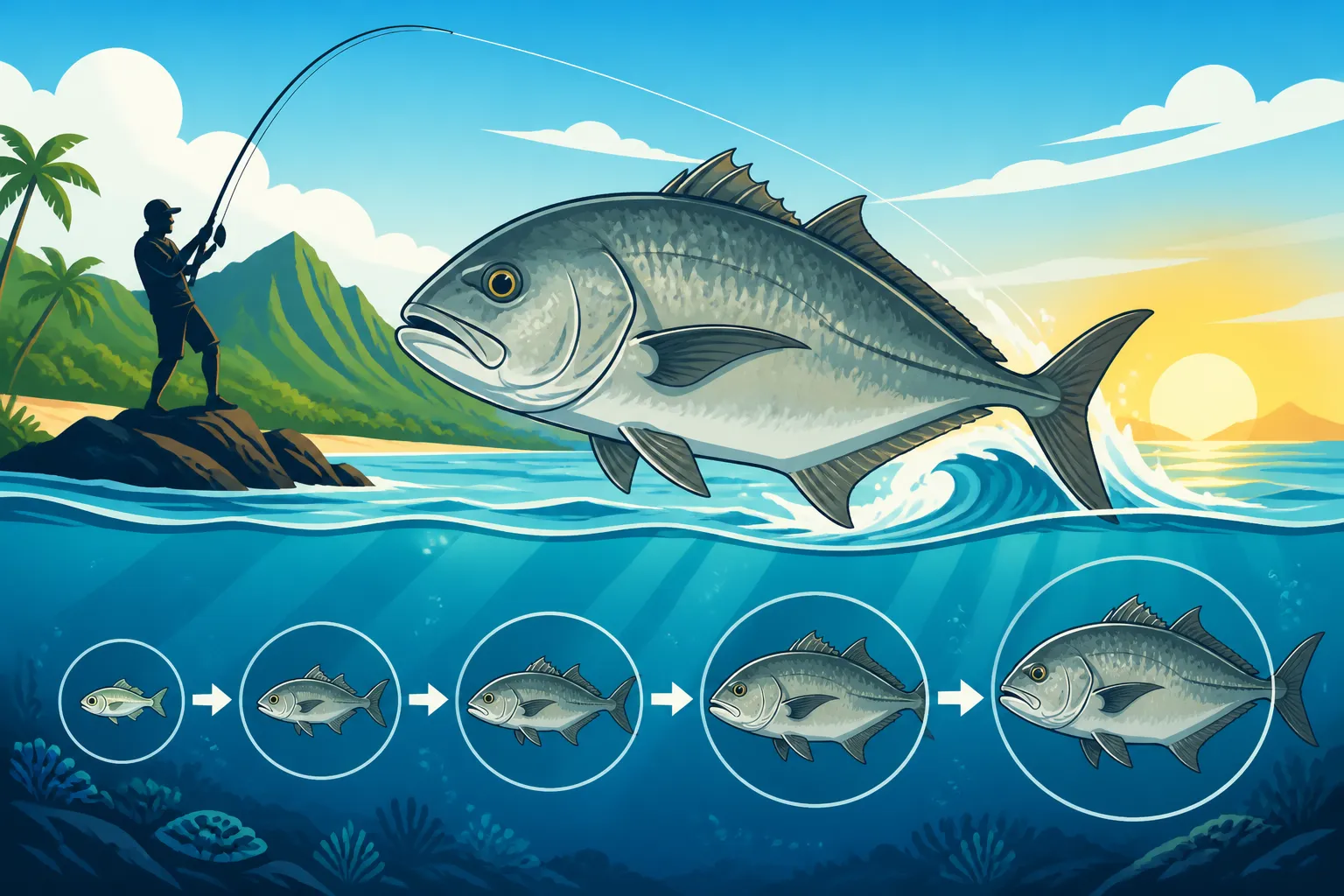
The journey of an ulua is a fascinating progression, marked by distinct stages that involve changes in size, behavior, and habitat. It’s a testament to adaptation and survival in the dynamic Hawaiian marine environment. From the moment they hatch, these fish are on a path to becoming one of the most powerful predators of the reef and open ocean.
Early Life and Growth as Papio
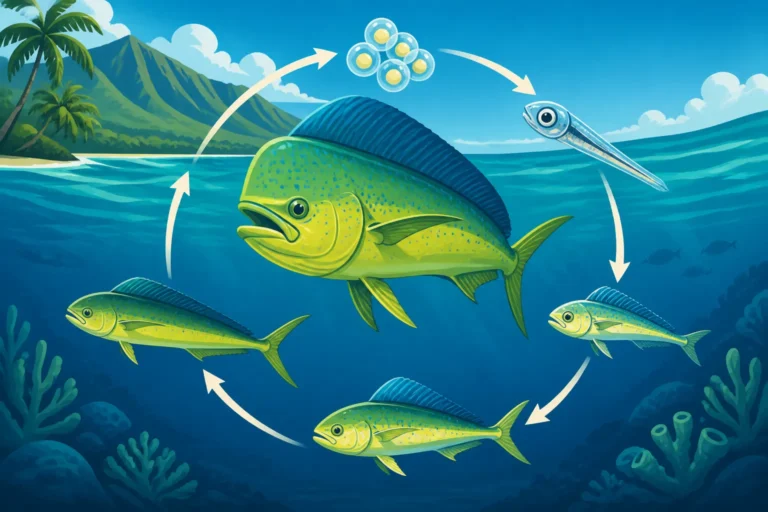
The story of an ulua begins as a tiny egg, drifting in the vast ocean. Once hatched, the larval ulua are incredibly vulnerable, feeding on plankton and trying to avoid a myriad of predators. Those that survive settle into more sheltered, inshore environments, such as shallow reef flats, estuaries, and protected bays. At this stage, they are known as papio. These young fish grow relatively quickly in these abundant environments, feeding on small crustaceans and baitfish. They often form schools for protection, darting around reef structures and sandy bottoms. Their diet is critical during this phase, as plentiful food sources allow them to gain size rapidly. Many anglers targeting papio from shore will find them in these same areas, often with lighter tackle, a great way to hone skills before going after their larger counterparts. What ulua eat around Hawaii's reefs provides more insights into their diet at all stages.
As papio, their coloration can be a bit lighter, sometimes with faint vertical bars, providing camouflage against the varied backdrop of the shallow reef. They are constantly on the move, honing their predatory instincts on smaller prey. This rapid growth phase is essential; the faster they grow, the quicker they can outgrow many of their early predators and transition to more open waters. Many fishing enthusiasts start their angling journey targeting papio, which are numerous and offer exciting action, often found in readily accessible shorelines around the islands.
Transition to Ulua and Adolescent Years
As a papio continues to grow, usually reaching a weight of a few pounds, it begins its transition into what we consider an ulua. This isn't a sudden change, but a gradual shift as they grow larger and bolder. They start venturing out of the shallow, sheltered areas and into deeper waters, often patrolling the edges of reefs, submerged pinnacles, and offshore ledges. Their diet expands to include larger baitfish, small reef fish, and cephalopods. During these adolescent years, ulua are incredibly active and powerful, constantly hunting and establishing their dominance. They become more solitary or form smaller, transient groups, focusing on efficient predation. Their strength and speed develop significantly during this period, making them challenging targets for anglers, even at these mid-sizes.
This stage is crucial for their long-term survival. Learning to hunt effectively in deeper, more complex environments, and developing the physical prowess to capture larger prey, prepares them for their role as apex predators. The availability of diverse and abundant food sources in these deeper transition zones is vital for sustaining their rapid growth. Anglers often find these mid-sized ulua patrolling drop-offs or deeper channels, and their fighting ability is a true test of tackle and skill. For tips on where to find them, you might want to read Best Fishing Spots in Hawaii.
The Apex Predator: Mature Ulua
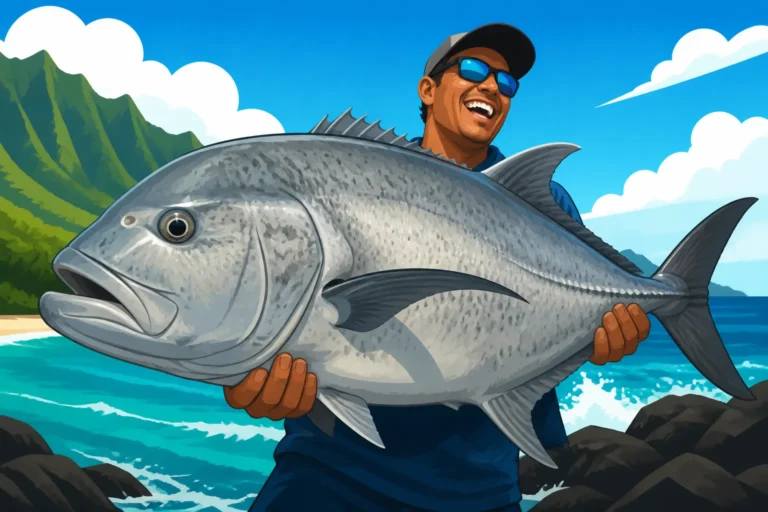
The mature ulua is the undisputed king of its domain, a powerful, solitary hunter that commands respect. These are the fish that can weigh in excess of 100 pounds, with some truly massive specimens pushing well beyond that. The largest specimens are often referred to as "Grand Masters" by seasoned local anglers. They are typically found in deeper offshore waters, around large reef systems, submerged banks, and along the continental shelf, though they will occasionally venture closer to shore during specific feeding periods or high surf events. Their bodies are deep and compressed, designed for immense power and sustained bursts. Their coloring often darkens, becoming almost black on the back, providing camouflage in deeper water.
At this stage, their life span truly comes into play. These older, larger fish are often the most effective breeders, contributing significantly to the perpetuation of the species. They are experienced hunters, wise to the ways of their prey and often wary of fishing pressure. Catching a mature ulua is a pinnacle achievement for many anglers, requiring heavy-duty gear and immense patience. Items like robust casting rods, high-capacity reels, and strong lines, available on platforms like Amazon, are essential for tackling these giants. Their longevity means they have seen many seasons, survived countless challenges, and embody the raw power of the ocean. Protecting these older, breeding fish is paramount for the health of the overall population, emphasizing the importance of regulations like those found in Hawaii Bag and Size Limits by Species.
Factors Influencing Ulua Longevity
The impressive life span of an ulua is not just a biological given; it's heavily influenced by a complex interplay of environmental conditions, food availability, and human interaction. Understanding these factors helps us appreciate the challenges these fish face throughout their lives and reinforces the importance of responsible stewardship.
Habitat and Food Availability
Just like any living creature, ulua depend heavily on a healthy environment and abundant food sources to thrive and reach their full potential life span. Hawaii's diverse marine habitats, from vibrant coral reefs to deep-water ledges, provide a rich tapestry of ecosystems for them. Juvenile papio rely on the sheltered inshore reefs and estuaries for protection and a steady diet of small crustaceans and juvenile fish. As they grow and transition into ulua, they move to deeper reef edges and offshore structures, where larger baitfish, squid, and even smaller reef fish become their primary prey.
The health of these habitats is paramount. Degradation of coral reefs due to climate change, pollution, or physical damage can directly impact the prey species that ulua rely on, thereby affecting their growth rates and overall health. A thriving ecosystem with abundant baitfish schools, healthy coral, and clean water provides the foundation for ulua to grow large and live long lives. Conversely, declining prey populations or damaged habitats can lead to slower growth, reduced reproductive success, and ultimately, a shorter life span for individual fish and a decline in the overall population. Anglers often look for these healthy habitats, knowing that Best Reef Fishing Spots in Hawaii are often prime locations for ulua.
Fishing Pressure and Conservation Efforts
Human activity, particularly fishing pressure, is undeniably one of the most significant factors influencing the life span of ulua. These fish are highly prized for both their fighting ability and their table fare, making them a popular target for recreational and commercial anglers alike. While fishing is a cherished pastime and an important part of Hawaiian culture, unchecked pressure can lead to a reduction in the average age and size of the population. When too many large, mature ulua are removed from the ecosystem, it can impact the breeding stock and skew the age structure of the population towards younger, smaller fish. This is why understanding Hawaii Fishing Regulations Explained is so crucial.
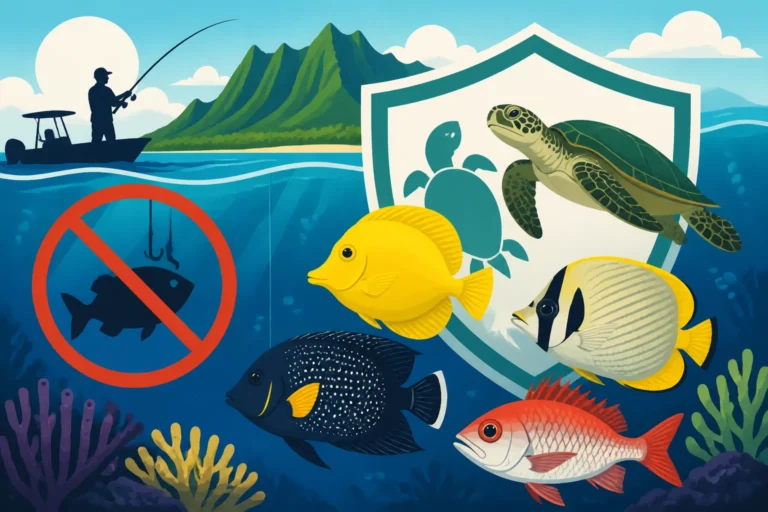
To combat this, various conservation efforts and regulations are in place. These include size limits, which allow fish to reach reproductive maturity before being harvested, and bag limits, which restrict the number of fish an individual can take. Promoting catch and release, especially for the largest, oldest breeding fish, is another vital practice. Many anglers are now keen on ensuring the survival of released fish, making careful handling and quick release a priority. Responsible angling, informed by a deep respect for the species and the marine environment, is the best way to ensure that ulua can continue to live long, healthy lives in Hawaiian waters for generations to come. Many essential tools for ethical catch and release, such as specialized hooks and fish grippers, can be found on Amazon.
Environmental Conditions and Natural Predation
Beyond human influence, ulua longevity is also shaped by natural environmental conditions and the presence of other predators. Ocean temperatures, currents, and water quality all play a role in their health and the availability of their food sources. For instance, prolonged periods of unusually warm ocean temperatures can stress fish, make them more susceptible to disease, or alter the distribution of baitfish, forcing ulua to expend more energy to find food. Major storms can also disrupt habitats, temporarily scattering prey and making hunting more challenging.
While mature ulua are apex predators themselves, they are not entirely without natural threats. Larger sharks, such as tiger sharks or great white sharks (though rare in Hawaii), could potentially prey on very large ulua. However, for most of their adult lives, the primary "predator" they face is humans. In their juvenile stages as papio, they face a much wider array of natural predators, including larger reef fish, other jacks, and even seabirds. The ability of papio to grow quickly and seek shelter is critical to overcoming this early gauntlet. Their survival through these early years is a huge determinant of how many fish actually reach the mature ulua stage and live out their full potential life span.
How Long Do Ulua Really Live?
This is the million-dollar question for many anglers! While it's difficult to give an exact number for every single fish, scientific research and observations provide a solid range for the life span of these incredible creatures. It's truly fascinating to think about how much an individual ulua experiences over its long life.
Scientific Estimates and Observations
Scientists often determine the age of fish by examining their otoliths, or "ear bones," which form annual growth rings similar to tree rings. Through such studies, it's been estimated that Giant Trevally, and thus ulua in Hawaiian waters, can live for a surprisingly long time. While specific ages can vary based on location and environmental factors, research generally suggests that ulua can live for 15 to 25 years, with some studies indicating they might even exceed 30 years in pristine conditions. This makes them one of the longer-lived pelagic game fish in the region.
Consider an ulua caught today that weighs 80 pounds; it could easily be 15 to 20 years old, having navigated the Hawaiian waters for nearly two decades. A true "grander" (over 100 pounds) would undoubtedly be on the older end of this spectrum, a living relic of the ocean's power. This longevity highlights the importance of letting these large, mature fish spawn multiple times throughout their lives to ensure robust future populations. The fact that they can live for so long is a testament to their adaptability, strength, and the relative health of their habitats when properly managed. For those interested in the sheer size they can achieve, reading How big ulua get in Hawaii offers fascinating insights.
The "Trophy" Ulua Phenomenon
When anglers talk about "trophy ulua," they're usually referring to fish that are exceptionally large, often pushing or exceeding the 100-pound mark. These are the fish that dreams are made of, the ones that push tackle and angler to their absolute limits. But what does it mean in terms of life span? A trophy ulua is, by definition, an old ulua. These magnificent specimens have survived countless challenges, avoided predators, outsmarted other hunters, and managed to find abundant food sources for many, many years. They represent the pinnacle of ulua growth and survival.
The pursuit of these giant ulua often involves specialized techniques, like Night Fishing for Ulua in Hawaii or Best techniques for high surf shore casting, and gear that can withstand immense pressure. Many anglers dedicate their entire lives to chasing these elusive giants, knowing that each hook-up is a rare encounter with a truly ancient and powerful creature. The largest ulua ever caught, often featured in local fishing lore and record books, are typically the oldest individuals, showcasing the maximum potential life span of the species. Respecting these old fish, whether through careful catch and release or by adhering strictly to regulations, ensures that the genes for longevity and size continue to be passed down through generations. To truly appreciate the potential of these fish, one might look at The biggest ulua ever caught in Hawaii.
| Ulua Life Stage | Typical Size Range (Approx.) | Estimated Age Range (Approx.) | Primary Habitat | Diet Focus |
|---|---|---|---|---|
| Larval | < 1 inch | Weeks | Open Ocean | Plankton |
| Juvenile (Papio) | 1 inch – 20 lbs | Up to 5-7 years | Inshore Reefs, Bays | Small fish, Crustaceans |
| Adolescent Ulua | 20 – 60 lbs | 5 – 15 years | Reef Edges, Ledges | Larger fish, Squid |
| Mature Ulua (Trophy) | 60+ lbs | 15 – 30+ years | Offshore Banks, Deep Reefs | Large fish, Octopus |
Understanding the impressive life span of an ulua truly elevates the experience of fishing for them. From their early days as swift papio darting through shallow reefs to their powerful reign as ancient, dominant ulua patrolling the deeper waters, each stage of their life story is a testament to their resilience and majesty. Knowing that a trophy ulua might have spent decades navigating Hawaii's oceans instills a deeper respect and a greater sense of responsibility in every angler. By embracing sustainable practices, supporting conservation efforts, and continuing to learn about these incredible fish, we can help ensure that the mighty ulua will continue to thrive and challenge anglers for generations to come. The quest for an ulua isn't just about the catch; it's about connecting with a living legend of the Hawaiian sea.
Disclaimer
This article is for general informational purposes only and does not constitute professional advice. Laws, prices and regulations vary by location and change over time. Consult a qualified professional for guidance on your specific situation.