Mercury advisory fish species in Hawaiian waters
Ah, the joy of fishing in Hawaii – it's truly a slice of paradise, isn't it? There's nothing quite like reeling in a beautiful fish against the backdrop of our stunning islands. But amidst all that excitement, it's easy to overlook an important detail that impacts the health of ourselves and our loved ones: understanding mercury advisories for the fish we catch and eat. This guide is here to cut through the confusion and give you clear, actionable information so you can enjoy your Hawaiian catch with peace of mind.
Understanding Mercury in Our Beloved Hawaiian Fish
It's a bit of a bummer to think about, I know, but mercury is a naturally occurring element that makes its way into our oceans and, consequently, into the fish we love to catch and eat. For those of us who spend a lot of time on the water, whether casting from shore or trolling offshore, it's a real concern that we need to address head-on. No one wants to compromise their health or their family's health for the sake of a fresh fish dinner, no matter how delicious.
Mercury enters the environment from both natural sources, like volcanic eruptions, and human activities, such as burning fossil fuels. Once it gets into the water, it undergoes a transformation by bacteria into methylmercury, which is the form that is most easily absorbed by living organisms. This methylmercury then begins its journey up the food chain, concentrating in higher amounts as it goes. Think of it like a cumulative effect; each predator eats many smaller fish that have a little bit of mercury, and that mercury then adds up in the predator's system. This process is called bioaccumulation, and it's why larger, older predatory fish tend to have the highest levels.
It’s crucial to understand that not all fish are created equal when it comes to mercury levels. The main factors influencing how much mercury a fish contains are its species, its age, and its position in the food chain. Longer-lived, predatory fish that eat other fish are generally going to have higher mercury levels than smaller, short-lived species that primarily feed on plankton or smaller invertebrates. This isn't just a Hawaiian phenomenon, of course, but it's particularly relevant when we consider the amazing pelagic species we target here. The health risks associated with high mercury exposure are serious, particularly for developing fetuses, infants, and young children, whose nervous systems are still forming. For adults, prolonged exposure can lead to neurological issues, kidney problems, and other health concerns. That's why being informed is your best defense.
Common Hawaiian Species with Mercury Advisories
When we talk about mercury in Hawaiian fish, certain species pop up more frequently in advisories. It's not about avoiding these fish entirely, but rather about being smart and mindful about how much and how often we consume them. The thrill of catching a big one is incredible, but moderation is key. You'll find that many of the most sought-after game fish in Hawaii are on these lists, simply due to their size, longevity, and place at the top of the food chain.
Pelagic Powerhouses: Ahi, Marlin, Ono, and Mahimahi
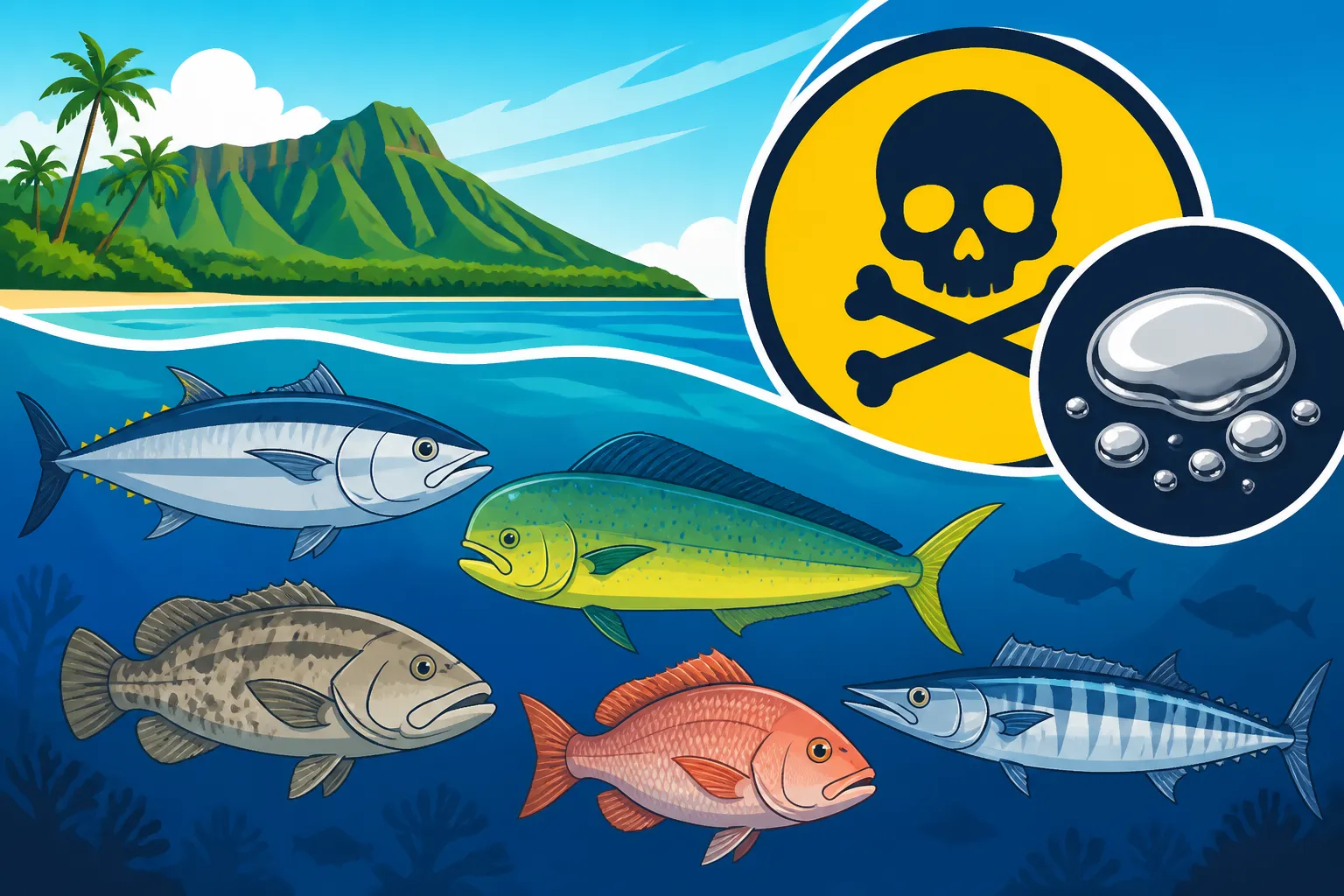
These are the titans of the open ocean, the ones that often draw anglers from all over the world to our shores. Fish like Ahi (Yellowfin Tuna), various species of Marlin, Ono (Wahoo), and Mahimahi (Dorado) are apex predators, feeding on smaller fish that have already accumulated some mercury. Because they grow large and live for several years, they have more time to accumulate higher concentrations of methylmercury in their muscle tissue.
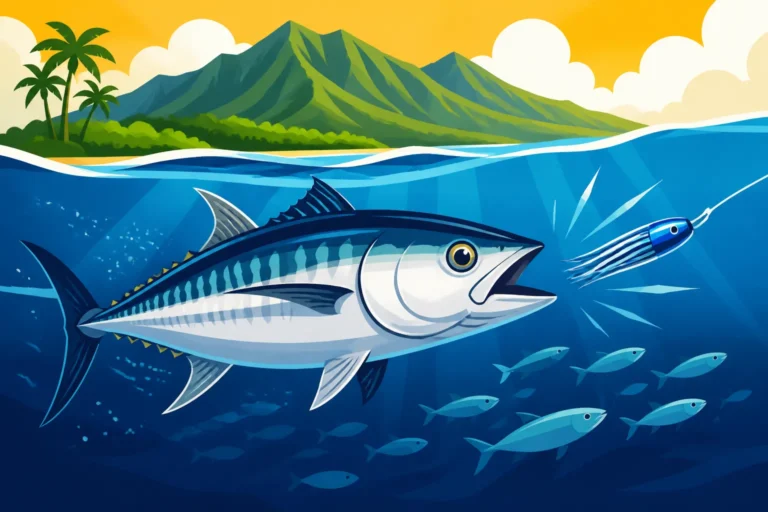
- Ahi (Yellowfin Tuna): While absolutely delicious and a staple in Hawaiian cuisine, larger Ahi tend to have higher mercury levels. Smaller, younger "schoolie" Ahi will generally be a safer bet for more frequent consumption. If you're targeting big tuna, like those found off the Kona Coast, remember that they are magnificent fish but should be enjoyed in moderation, especially by vulnerable populations. Ahi (Yellowfin Tuna) Fishing in Hawaii is a fantastic experience, but understanding the advisories helps you manage your catch.
- Marlin: Blue Marlin and Striped Marlin are incredible sport fish, but their immense size and predatory nature put them high on the mercury advisory list. Catching a grander marlin is a dream for many, and while many anglers practice Marlin Fishing off the Kona Coast and then release their catch, if you do keep one (and it's legal to do so), be aware of the mercury content, particularly if it's a very large, older fish.
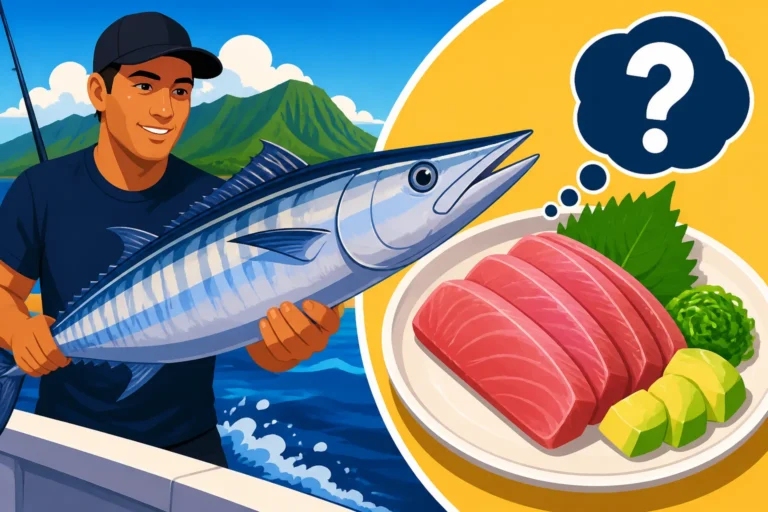
- Ono (Wahoo): These fast, aggressive fish are a blast to catch and are prized for their firm, white flesh. However, they are also predatory and can accumulate significant mercury. Enjoy your Ono, but keep an eye on your consumption frequency. To learn more about targeting these speedsters, check out Ono (Wahoo) Fishing in Hawaii.
- Mahimahi (Dorado): Mahimahi are stunning, acrobatic fish known for their vibrant colors and delectable meat. While they don't typically grow as large or live as long as some marlin or the biggest tuna, they are still pelagic predators. Larger Mahimahi will have higher mercury levels. This doesn't mean you should skip Mahimahi Fishing in Hawaii, but rather be mindful of the size of fish you're keeping and how often you eat it.
Reef and Bottom Dwellers: Ulua, Opakapaka, Onaga, and Others
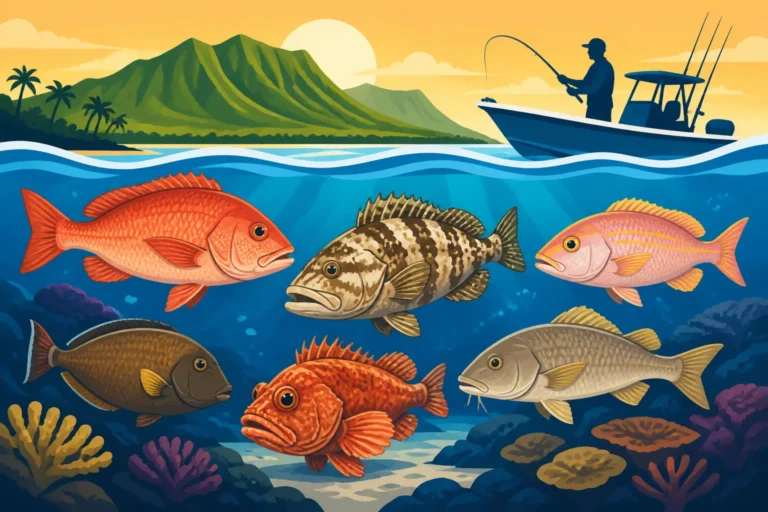
It's not just the big offshore fish; some reef and bottom-dwelling species can also carry mercury advisories, though often less severe than the top pelagics. These fish might not travel as far, but they still feed on smaller organisms within their ecosystem where mercury can be present. Understanding the habits of these fish, like the Bottomfish Species of Hawaii, can give you clues about their potential mercury exposure.
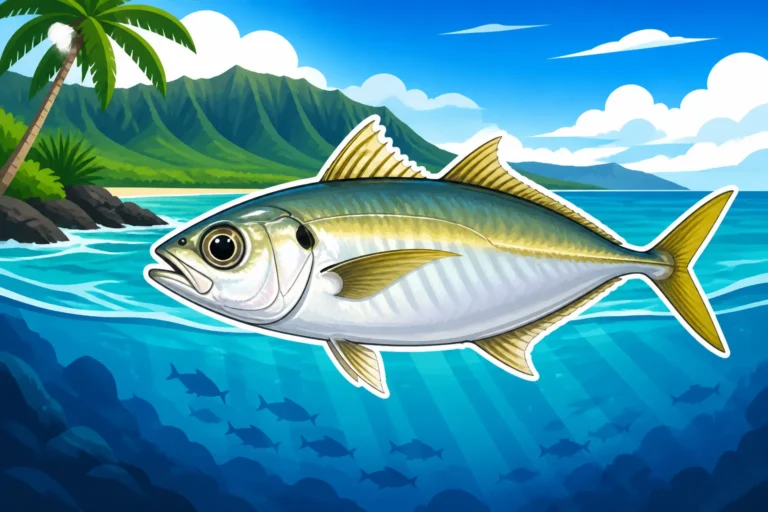
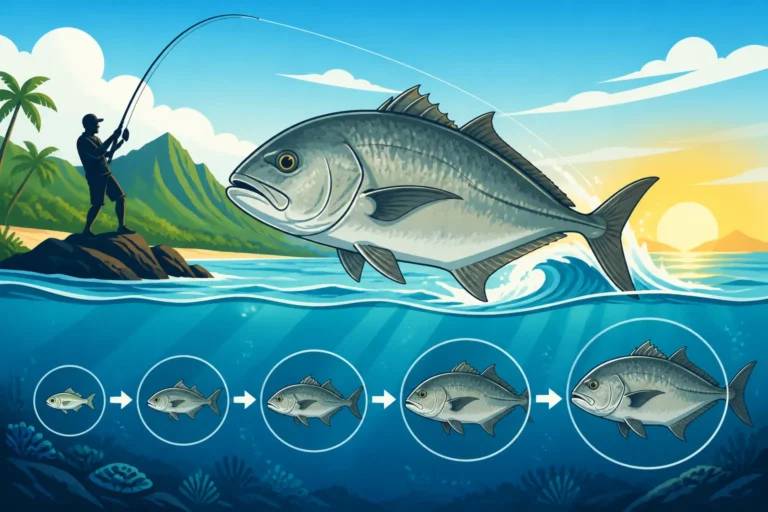
- Ulua (Giant Trevally) and Papio: Ulua are powerful, respected fish on Hawaii's reefs and coastlines. While Papio are younger, smaller trevally, Ulua can grow to impressive sizes and are fierce predators. The larger the Ulua, the higher the likelihood of elevated mercury levels. Many anglers love to chase Ulua (Giant Trevally) Fishing in Hawaii, and these fish are often kept for their delicious white meat, but again, consider portion control, especially for trophy-sized specimens.
- Opakapaka (Pink Snapper) and Onaga (Ruby Snapper): These are highly sought-after deep-water bottomfish, known for their exquisite flavor. They live long lives in deeper waters and feed on a variety of smaller creatures. Due to their longevity and position in the food chain, larger individuals can accumulate mercury. If you're passionate about targeting these deep-sea delicacies, you'll want to be aware. Find more insights on their habits in Opakapaka (Pink Snapper) Habits and Onaga (Ruby Snapper) Habits. The good news is that these are often caught in smaller numbers compared to, say, a school of Mahimahi.
It's important to differentiate. Not all fish caught in Hawaiian waters will have a mercury advisory. Smaller, shorter-lived species like certain types of smaller reef fish or baitfish typically have very low levels, making them safe for frequent consumption. The key is knowing which fish are generally higher risk and adjusting your consumption habits accordingly.
Practical Guidelines for Safer Fish Consumption
Navigating fish consumption advisories can feel like a chore, but it's really about empowering yourself to make smart choices. It’s not about fear; it’s about respect for your health and the ocean's bounty. The good news is that you don't have to give up eating fish to avoid mercury; it's all about making informed decisions about which fish and how much.
Who Needs to Be Most Careful?
Certain groups of people are more susceptible to the adverse effects of mercury. If you fall into one of these categories, paying close attention to advisories is absolutely critical:
- Pregnant women: Methylmercury can cross the placenta and affect the developing brain and nervous system of a fetus, leading to developmental issues.
- Women who may become pregnant: Since methylmercury can stay in the body for several months, it's wise to start reducing exposure before conception.
- Nursing mothers: Mercury can pass through breast milk to infants, so moderation is important here too.
- Young children: Their developing nervous systems are particularly vulnerable to mercury's effects, so smaller, safer choices are essential.
For these groups, the recommendations are often stricter, emphasizing very low-mercury choices and strict limits on higher-mercury fish. It's truly a time when choosing smaller, younger fish from the lower end of the food chain is paramount.
Managing Your Intake: Serving Sizes and Frequency
For everyone else, the advice usually centers on balancing the incredible nutritional benefits of fish with the potential risks of mercury. Fish is packed with lean protein, omega-3 fatty acids, and essential vitamins and minerals – it's a superfood! The trick is to enjoy it smartly.
- Portion Control: A standard serving size for fish is typically around 4-6 ounces for adults. For children, it's even smaller, scaled to their age and weight. Think about a deck of cards or the palm of your hand as a visual guide. You can find excellent digital kitchen scales on Amazon to help you get precise measurements if you're serious about tracking intake.
- Frequency: This is where diversification comes in. Instead of eating Ahi every night, rotate your meals. Perhaps you have Ahi once a week, and then enjoy some locally caught Akule or Kumu on other nights. The key is variety. Some advisories suggest a maximum of one 6-ounce serving per week for higher-mercury fish for adults, while low-mercury fish can be enjoyed 2-3 times per week. Always check the latest guidelines from Hawaii's Department of Health for the most up-to-date recommendations.
- Choosing Smaller Fish: Remember that bioaccumulation means older, larger fish have more mercury. If you catch a giant Ulua, consider releasing it or sharing it widely, and perhaps keep a smaller, younger Papio for dinner instead. The same goes for tuna – a smaller "schoolie" Ahi is generally a better choice for frequent consumption than a massive trophy tuna. Sometimes, the bigger fish are the most fun to catch, but not always the best for the dinner plate if you're concerned about mercury. You can always take photos and then release the giant fish!
Debunking Myths: Cooking and Preparation
There's a common misconception that certain cooking methods, like trimming the fat or grilling, can reduce mercury levels in fish. Unfortunately, this isn't true for methylmercury. Unlike some toxins that accumulate in fat, methylmercury binds tightly to muscle tissue, meaning it's distributed throughout the meat of the fish. So, no amount of trimming or special cooking will significantly lower the mercury content. Your best bet remains choosing fish wisely.
Instead of focusing on cooking methods for mercury reduction, focus on healthy cooking methods that preserve the omega-3s and other nutrients, like baking, broiling, or grilling.
Diversifying Your Catch and Knowledge
One of the best strategies for managing mercury intake is to diversify the types of fish you eat. Hawaii has an incredible variety of marine life. If you're a keen angler, exploring different species not only makes your fishing more interesting but also helps reduce your mercury exposure from any single source.
Consider these lower-mercury options for more frequent consumption:
- Akule (Bigeye Scad): These schooling fish are delicious and generally low in mercury.
- Opelu (Mackerel Scad): Another excellent choice for lower mercury intake.
- Kumu (Goatfish) and Weke (Goatfish): These reef fish are generally considered lower in mercury.
- Small Papio: As mentioned, the younger, smaller trevally are typically safer than their giant Ulua counterparts.
By expanding your fishing horizons and learning about different species, you can enjoy the bounty of Hawaii's waters without undue worry. A good resource for understanding fish behavior and species identification can be found in books about Hawaiian marine life, often available on Amazon. For specific regulations on different species, consulting Hawaii Bag and Size Limits by Species and Hawaii Pelagic Species Bag Limits is always a good idea.
Finding Reliable Information and Resources
It's easy to feel overwhelmed by all the information out there, especially when it comes to health and food safety. But when it comes to mercury in fish, there are reliable sources you can turn to for the most accurate and up-to-date advisories. Don't rely on hearsay or outdated guides; go straight to the experts.
Official State and Federal Guidelines
Your first stop should always be government agencies dedicated to public health and aquatic resources. They are the ones conducting the research and issuing the advisories.
- Hawaii Department of Health (DOH): The DOH is the primary authority for public health in Hawaii and will publish specific advisories for locally caught fish. They often have detailed guides for safe seafood consumption, broken down by species and sometimes even by specific fishing areas. Keeping up with their publications is key for local anglers.
- Hawaii Division of Aquatic Resources (DAR): While primarily focused on conservation and Hawaii Fishing Regulations Explained, DAR often collaborates with DOH and can provide context on species, habitats, and potential environmental factors.
- U.S. Environmental Protection Agency (EPA) and Food and Drug Administration (FDA): These federal agencies provide broader national guidelines and advisories for commercially sold fish, which can offer a good baseline understanding of mercury levels in various species. While their advisories are national, they often include many species found in Hawaii.
It's a good practice to periodically check these websites, especially if you're a regular angler or have a significant amount of fresh catch in your diet. The advisories can change as new research emerges or as environmental conditions shift.
Consulting Local Anglers and Experts (with a Grain of Salt)
While official sources are paramount, don't underestimate the wisdom of local, experienced fishermen and women. They've spent countless hours on the water, observed patterns, and often have a deep, intuitive understanding of the local ecosystem. They can offer practical advice on where to find smaller, younger fish of certain species, or which less commonly targeted species are both delicious and safe for frequent consumption.
However, always cross-reference anecdotal advice with official guidelines. A veteran fisherman might swear by a certain preparation, but as we discussed, cooking doesn't reduce mercury. They might also have a higher personal tolerance for risk or different dietary habits. Use their wisdom as a complementary resource, not a replacement for scientific data. Building a network of respectful, knowledgeable anglers can enhance your fishing experience in so many ways beyond just mercury advisories.
A Quick Comparison of Fish Mercury Levels
To give you a clearer picture, here's a table summarizing general mercury levels in some common Hawaiian fish species. Remember, these are generalizations, and individual fish can vary. Always check current advisories from the Hawaii DOH for the most precise local information.
| Fish Species | General Mercury Level (Relative) | Consumption Guidance (General) |
|---|---|---|
| Ahi (Yellowfin Tuna) | Moderate to High | Limit to once a week for adults; less for vulnerable groups. Choose smaller fish. |
| Blue Marlin | High | Infrequent consumption, especially for large, older fish. Avoid for vulnerable groups. |
| Ono (Wahoo) | Moderate to High | Limit to once a week for adults; less for vulnerable groups. |
| Mahimahi (Dorado) | Moderate | 1-2 times a week for adults; less for vulnerable groups. Choose smaller fish. |
| Ulua (Giant Trevally) | Moderate to High | Limit to once a week for adults; less for vulnerable groups. Choose smaller fish (Papio). |
| Opakapaka (Pink Snapper) | Moderate | 1-2 times a week for adults; less for vulnerable groups. |
| Onaga (Ruby Snapper) | Moderate | 1-2 times a week for adults; less for vulnerable groups. |
| Akule (Bigeye Scad) | Low | 2-3 times a week for adults; generally safe for vulnerable groups in moderation. |
| Opelu (Mackerel Scad) | Low | 2-3 times a week for adults; generally safe for vulnerable groups in moderation. |
| Kumu (Goatfish) | Low | 2-3 times a week for adults; generally safe for vulnerable groups in moderation. |
This isn't an exhaustive list, of course, but it covers some of the most popular catches. For detailed nutritional information and specific cooking ideas that complement these fish, you might find a good Hawaiian cookbook on Amazon to be a valuable addition to your kitchen.
Ultimately, being an informed angler and consumer means you can continue to enjoy the amazing fishing and culinary experiences Hawaii offers, knowing you're making the best choices for your health and your ʻohana.
Disclaimer
This article is for general informational purposes only and does not constitute professional advice. Laws, prices and regulations vary by location and change over time. Consult a qualified professional for guidance on your specific situation.