Are Shortbill Spearfish Common Off Kona?
One of the most exciting aspects of fishing off Hawaii's Kona Coast is the incredible diversity of billfish you might encounter. Many anglers, especially those dreaming of a grand slam, often wonder about the prevalence of specific species. Today, we're diving deep into a question many of you have asked: are shortbill spearfish common off Kona? This guide will demystify their presence, habits, and what you can expect when targeting them in these legendary waters.
Understanding Shortbill Spearfish in Hawaiian Waters
Shortbill spearfish (scientific name Tetrapturus angustirostris) are a fascinating and highly sought-after billfish, known for their incredible speed and acrobatic fights. While not as large as their blue marlin cousins, they offer a thrilling challenge for any angler. Kona's deep, nutrient-rich waters are indeed home to these sleek predators, but understanding what makes them tick is key to finding them.
Identifying Shortbill Spearfish
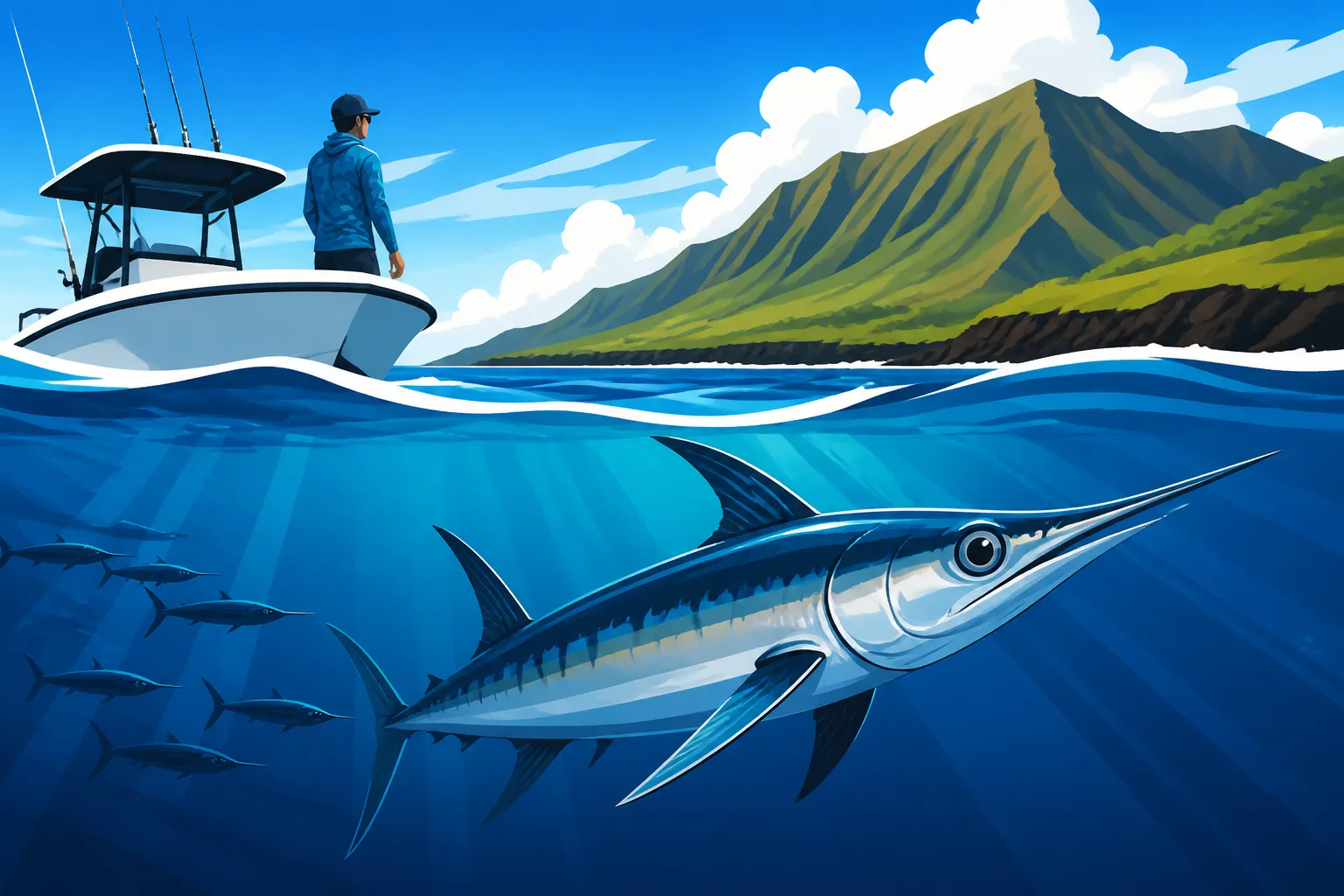
Distinguishing a shortbill spearfish from other billfish can sometimes be tricky, especially in the heat of a battle. However, there are some key features to look for. As their name suggests, they have a noticeably shorter bill compared to marlin and sailfish, which is more rounded in cross-section. Their dorsal fin is also quite tall and rounded at the front, tapering sharply towards the tail. They generally have a slender body, often appearing almost silver-blue on their sides, fading to white underneath, with a darker blue or black on their back.
When you're out on the water, you might hear captains and crew quickly identifying a "spearfish" or "shortbill." While visual identification is important, often it's the size and fighting style that give them away before they're even boatside. They rarely exceed 60 pounds in Hawaiian waters, making them smaller than most marlin, but they compensate with bursts of incredible speed and aerial displays. Always remember that proper identification is crucial, especially when it comes to Hawaii Bag and Size Limits by Species, as regulations can vary.
Their Habitat and Diet
Shortbill spearfish are truly pelagic, meaning they spend their lives in the open ocean, far from shore. They prefer warm, tropical, and subtropical waters, which makes the Kona Coast an ideal hunting ground for them. Unlike some other billfish that might hang around specific seamounts or FADs (Fish Aggregating Devices) more consistently, spearfish are often found roaming current lines, temperature breaks, and areas where baitfish congregate.
Their diet primarily consists of smaller pelagic fish and squid. They're opportunistic feeders and will strike at a variety of baits and lures. This includes small tunas like skipjack, opelu (mackerel scad), and various types of squid. They use their short, sharp bill to slash through schools of bait, stunning or injuring their prey before circling back to consume it. This feeding behavior is why certain trolling patterns and lure presentations are so effective when targeting them. Understanding Opelu (Mackerel Scad) in Hawaii or Aku (Skipjack Tuna) in Hawaii habits can give you a significant advantage in figuring out where the spearfish might be lurking.
Shortbill Spearfish vs. Other Billfish
Hawaii is a billfish paradise, and the Kona Coast is particularly renowned for its "Grander" blue marlin. So, how do shortbill spearfish fit into this ecosystem, and how do they compare to the other billfish you might encounter?
Here's a quick comparison:
| Feature | Shortbill Spearfish | Blue Marlin | Striped Marlin |
|---|---|---|---|
| Average Size | 20-60 lbs | 200-800+ lbs | 100-250 lbs |
| Bill Length | Short, rounded in cross-section | Long, thick, round | Long, slender, flattened |
| Dorsal Fin | Tall, rounded, tapers sharply back | Relatively low, rigid | Tall, distinctive "sail" |
| Body Shape | Slender, elongated | Robust, powerful | Slender, compressed |
| Coloration | Silvery-blue sides, dark back | Dark blue back, silvery sides | Bluish-black back, purple stripes |
| Typical Depth | Upper water column | Upper water column | Upper water column |
| Fight Style | Fast runs, acrobatic jumps | Powerful, deep runs, jumps | Fast, athletic, jumps |
As you can see, shortbill spearfish are distinctly smaller than blue marlin and even typically smaller than striped marlin. While blue marlin are often the target of anglers seeking Marlin Fishing off the Kona Coast and true trophies, spearfish offer a different kind of thrill. They are known for their fast, energetic fights, often leaping clear of the water multiple times. Many anglers actually consider catching a spearfish a significant achievement, especially as part of a billfish "slam" alongside a blue marlin and a striped marlin. Their presence adds to the incredible allure of offshore fishing in Hawaii, and understanding these differences helps you appreciate each catch for what it is.
Shortbill Spearfish Presence Off the Kona Coast
Now to the core question: are shortbill spearfish common off Kona? The answer is a bit nuanced, but generally, yes, they are regularly encountered. While perhaps not as abundant or as consistently targeted as the massive blue marlin, spearfish are a common bycatch and a prized target for those specifically seeking them. Kona's unique geographical features, like its deep, calm waters and proximity to offshore feeding grounds, make it one of the premier locations in the world for encountering these beautiful billfish.
Seasonal Patterns and Migration
Like many pelagic species, shortbill spearfish exhibit some seasonal patterns, though their presence in Kona is fairly consistent year-round due to the stable warm water. Generally, you might find an increase in their numbers during certain times. The spring months, particularly from March through June, are often considered prime time for spearfish in Hawaiian waters. During this period, the ocean currents and baitfish movements create ideal feeding conditions, which draw these billfish in.
However, it's not a strict "season" like you might find for some other species. Many charter captains report catching spearfish throughout the year. Their migratory patterns are less defined than, say, certain tuna or marlin, as they tend to be more widespread across the vast Pacific. Nevertheless, paying attention to local reports and talking to experienced captains can give you an edge in understanding the subtle shifts in their prevalence. It's all part of the dynamic ocean environment around the Big Island.
Factors Influencing Their Presence
Several environmental and biological factors play a significant role in where and when shortbill spearfish show up off Kona.
- Oceanic Fronts and Current Lines: Spearfish, like most billfish, are highly attuned to changes in ocean conditions. They often aggregate along current lines, temperature breaks, and areas where different water masses meet. These oceanic fronts act like natural highways and feeding lanes, concentrating baitfish and, consequently, the predators that hunt them. Anglers often look for visual cues on the water, such as distinct color changes, weed lines, or debris, which indicate these productive zones.
- Baitfish Abundance: Their presence is directly linked to their food source. If there's an abundance of small tunas, squid, or mackerel scad in the area, spearfish will likely be there. The Kona coast is known for its rich baitfish populations, supporting a diverse ecosystem. Understanding the movements of these smaller fish is key to finding the larger predators. Many local anglers keep a keen eye on Akule (Bigeye Scad) Schooling Behavior or Opelu (Mackerel Scad) in Hawaii to predict where the action might be.
- Water Temperature and Clarity: Shortbill spearfish prefer warm, clear ocean waters. Kona typically offers these conditions year-round, which contributes to their consistent presence. While they can tolerate a range of temperatures, they thrive in the stable, tropical environment provided by the leeward side of the Big Island.
- Depth and Structure: While pelagic, spearfish will often patrol areas near offshore seamounts, underwater ridges, or deep drop-offs where baitfish might congregate. The Kona shelf drops dramatically very close to shore, providing immediate access to deep-water habitats where these fish live.
These factors combine to create an environment where shortbill spearfish can thrive and be encountered by anglers with regularity.
Historical Catch Data and Angler Experiences
Looking at historical catch data and hearing from experienced anglers and charter captains confirms that shortbill spearfish are indeed a regular part of the Kona fishery. Many sportfishing tournaments in Kona include spearfish in their billfish categories, and they are frequently reported alongside blue marlin and striped marlin.
For many years, the Kona Coast has held numerous world records for shortbill spearfish, a testament to the healthy population found here. Anglers on charters out of Honokohau Harbor or even private boats often report multiple spearfish hook-ups in a day, especially during peak times. While you might go out specifically for a marlin and end up with a spearfish, or vice-versa, their consistent presence is a known characteristic of these waters. It's part of what makes Best Fishing Charters in Hawaii so exciting, as you never quite know what billfish will hit next. If you're looking for proof, just check the daily catch reports from reputable Kona charter operations; you'll often see spearfish listed among their successes.
Best Practices for Targeting Shortbill Spearfish in Kona
If you're specifically hoping to add a shortbill spearfish to your angling achievements, there are certain strategies and gear choices that can significantly increase your chances. While they often fall for lures and baits intended for larger marlin, a more refined approach can make a difference.
Recommended Gear and Tackle
Given their size and fighting style, targeting shortbill spearfish usually involves lighter tackle than what you'd use for a grander marlin, but still robust enough to handle their powerful runs.
- Rods and Reels: Medium-heavy conventional rods paired with 30-pound or 50-pound class reels are ideal. These setups offer a good balance of power for fighting the fish and sensitivity to detect bites. Some anglers even use spinning gear for a truly challenging fight, though conventional reels are more common for trolling. Many reputable fishing gear brands offer excellent saltwater setups that you can find easily on Amazon or at local tackle shops.
- Line: High-quality monofilament or braided line is recommended. For main lines, 30 to 50-pound test is standard. For leaders, you'll want fluorocarbon or heavy monofilament ranging from 80 to 150-pound test. While spearfish don't have the "chainsaw" bill of a wahoo, their rough skin and thrashing can abrade lighter leaders.
- Hooks and Lures: Circle hooks are preferred for live baiting, promoting catch and release and minimizing harm to the fish. For lures, small to medium-sized trolling lures (often referred to as "skirted lures" or "bullet heads") in various colors are very effective. Colors like green, blue, pink, and purple are perennial favorites. Small artificial squid or fish imitations can also work wonders. You can find a vast selection of these lures and leader materials on Amazon to get started.
Remember, the goal is often to match the hatch – presenting something that looks like the baitfish shortbill spearfish are currently feeding on.
Effective Fishing Techniques
There are a few key techniques that have proven highly effective for catching shortbill spearfish off Kona.
- Trolling: This is by far the most common and successful method. A spread of small to medium-sized lures or rigged natural baits (like skipjack or mackerel scad) trolled at speeds between 5 to 9 knots is usually the ticket. Spearfish often hit the lures furthest back in the spread. Keep an eye on your baits, as a spearfish strike can be subtle before they take off. For more general guidance, checking out Trolling Techniques for Hawaii Pelagics can provide additional context.
- Live Baiting: If you can catch live bait like small skipjack, opelu, or even akule, slow trolling or drifting with these baits can be incredibly productive. Spearfish find live, struggling bait irresistible. Bridling the bait (attaching the hook through the nose or back with a rigging needle and floss) keeps it lively and ensures a good hookset.
- Looking for Signs: Always be on the lookout for signs of baitfish, diving birds, or current lines. These are indicators that predatory fish, including spearfish, might be in the area. Often, a good pair of polarized sunglasses, available from Amazon or your local outdoor store, can help spot these crucial signs on the water.
When you get a bite, don't just grab the rod and reel wildly. Let the fish take the bait, and allow the circle hook to do its job. Then, slowly and steadily apply pressure. Their fights are exhilarating, with quick runs and often spectacular jumps.
Conservation and Responsible Angling
Hawaii's waters are a precious resource, and responsible angling practices are essential to ensure healthy fish populations for generations to come. When targeting shortbill spearfish:
- Catch and Release: Many anglers choose to release spearfish, especially if they are not targeting them for a specific meal or tournament prize. If you plan to release, use circle hooks, keep the fish in the water as much as possible, and revive it carefully before letting it go. Minimizing handling and using appropriate release tools are crucial.
- Understand Regulations: Always be aware of the current Hawaii Fishing Regulations Explained, including any bag or size limits for spearfish. While spearfish are generally managed, these regulations can change. It's your responsibility as an angler to know and follow them.
- Support Sustainable Practices: Choose fishing charters and guides who prioritize sustainable fishing practices and conservation. They are often the best source of knowledge regarding current fish populations and ethical angling.
By practicing responsible angling, we all contribute to the long-term health and vibrancy of Hawaii's incredible marine ecosystem.
In conclusion, shortbill spearfish are indeed a regular and welcome sight off the Kona Coast. While not always the primary target, their consistent presence makes every offshore trip an exciting adventure, full of potential for a thrilling encounter with these beautiful, acrobatic billfish.
Disclaimer
This article is for general informational purposes only and does not constitute professional advice. Laws, prices and regulations vary by location and change over time. Consult a qualified professional for guidance on your specific situation.