How to Choose a Hawaii Fishing Charter
Trying to pick the perfect fishing charter in Hawaii can feel like navigating a maze, especially with all the amazing options out there! You're probably wondering if you need a half-day or full-day, what kind of fish you'll catch, or if that dream picture of a massive marlin is even achievable. This guide is here to cut through the confusion, helping you understand exactly what to look for, what questions to ask, and how to choose a Hawaii fishing charter that makes your angling dreams a reality.
Understanding Your Hawaii Fishing Goals
Before you even start browsing boats, the very first step is to figure out what you really want out of the experience. Hawaii offers such a diverse fishing scene, from battling giant pelagics offshore to light tackle action in calmer inshore waters, that narrowing down your personal goals will make the selection process so much smoother. Don't just go with the flow; define your ideal day.
Deep Sea vs. Inshore Fishing: Knowing the Difference
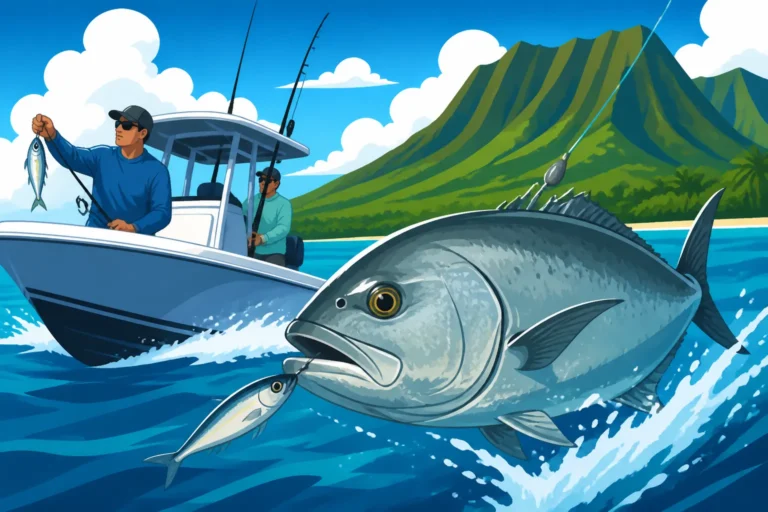
This is perhaps the biggest decision you'll make. Deep sea, or offshore, fishing in Hawaii usually means heading out several miles from shore into much deeper waters, often targeting large, fast-moving fish like marlin, tuna, and wahoo. These trips typically involve trolling lures or baits at higher speeds. It's an adrenaline rush, a true test of strength, and often involves longer boat rides to reach the prime fishing grounds. The boats are generally larger, more stable, and equipped for extended periods on the open ocean. If you dream of fighting a grander marlin or a big ahi, deep sea is where you want to be.
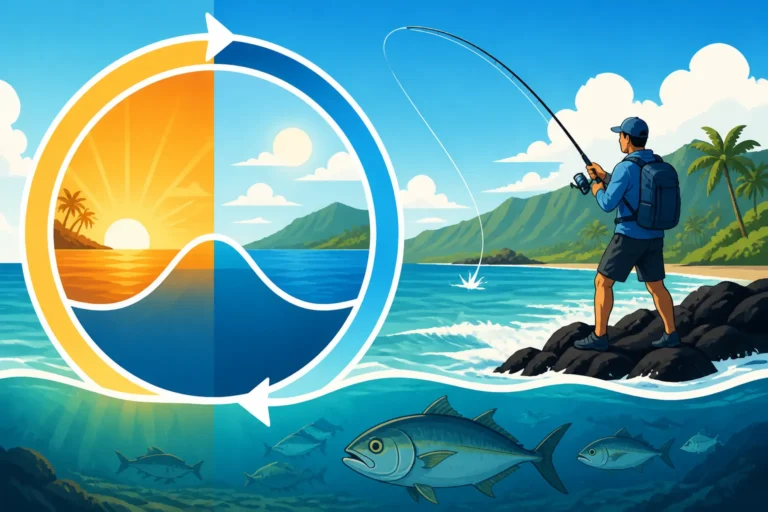
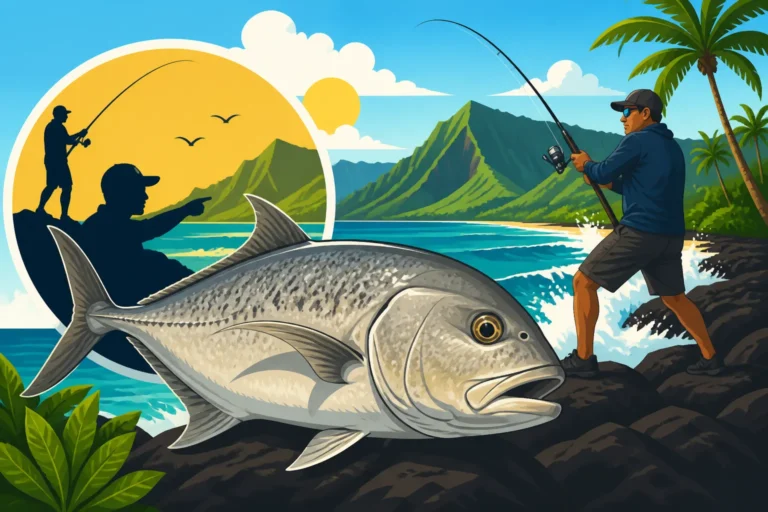
Inshore fishing, on the other hand, keeps you closer to the coast, often within sight of land. This type of fishing targets species that live around reefs, structure, or in shallower bays. You might be dropping lines for bottomfish like opakapaka or onaga, casting for papio (trevally) and ulua from the shore or a small boat, or even fly fishing the flats for bonefish (oio). Inshore trips can be less intense, often with calmer waters, making them a great option for families, beginners, or those prone to seasickness. The boats might be smaller, or you could even hire a guide for a walk-and-wade shore fishing experience. Consider your comfort level with open ocean conditions and your desire for a specific type of fight.
Targeting Specific Species: Marlin, Ahi, Ulua, Moi, Bottomfish
Hawaii is famous for its incredible variety of fish, and knowing which species you're most interested in catching can significantly influence your charter choice. If your heart is set on a majestic blue marlin, then you'll be looking for a charter specializing in Marlin Fishing off the Kona Coast or How to Catch Marlin off the Kona Coast. These boats are typically larger sportfishers with powerful engines and an array of specialized trolling gear. They spend their days chasing big game.
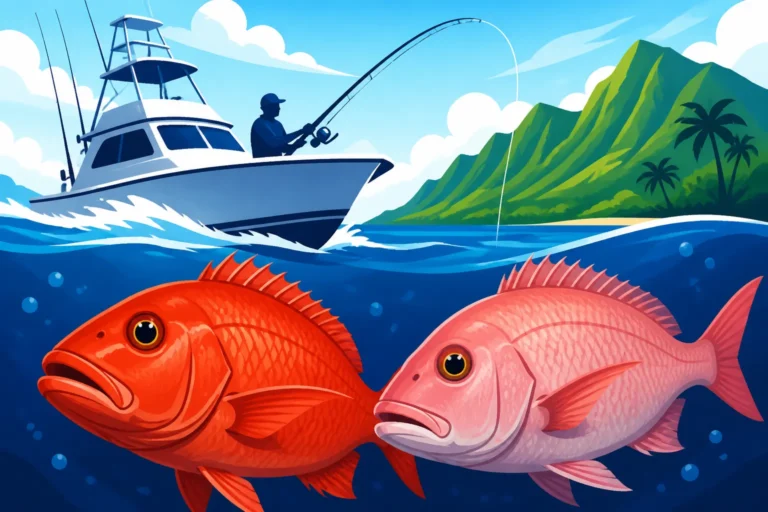
Perhaps you're more interested in the raw power of a yellowfin tuna (ahi) or the delicious meat of a mahimahi or ono. Many charters target these pelagic species, often using trolling or live baiting techniques. If reef fish and delicious table fare are your priority, then a bottomfishing charter might be more your speed. These trips focus on dropping baits to deeper ledges and reefs for snapper, grouper, and other delectable species. For those who prefer a challenge closer to shore, targeting ulua (giant trevally) or moi (Pacific threadfin) with local techniques like whipping or sliding bait requires a different kind of expertise and often involves smaller, more agile boats or even shore guides. Each species demands specific gear, locations, and captain knowledge, so be clear about your target.
Recreational vs. Trophy Hunting: Setting Expectations
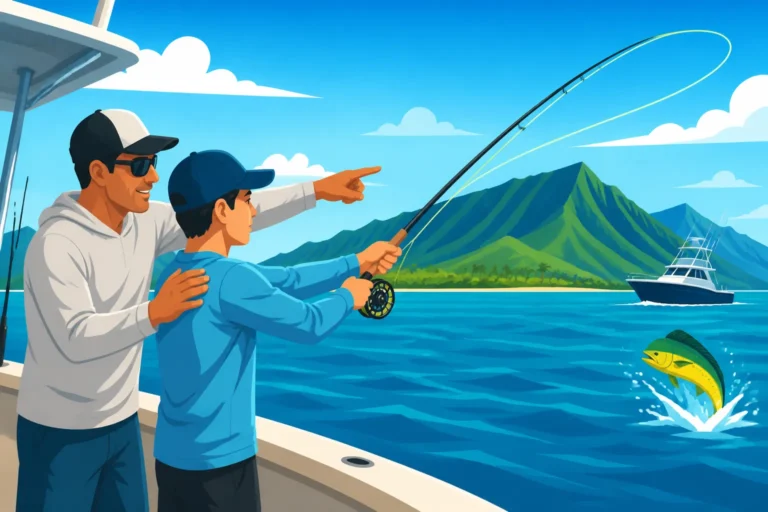
Are you looking for a fun day out on the water, reeling in a few fish for dinner, or are you on a quest for a state record? Your ambition level plays a huge role in selecting the right charter. A purely recreational trip might be more relaxed, perhaps on a shared charter where you're one of several anglers, enjoying the scenery and the company. The focus is less on landing the biggest fish and more on the overall experience. These are often great for families or beginners.
Trophy hunting, on the other hand, implies a serious commitment to landing a truly massive fish. This usually means a private charter, a captain with a proven track record for big fish, and potentially longer, more intense days on the water. Expect specialized gear, specific tactics, and a higher price tag. The crew might be less focused on teaching basics and more on executing strategies to find and fight that monster catch. It's crucial to communicate your expectations clearly with the charter captain or booking agent. Are you okay going home empty-handed if it means chasing a potential record, or do you prioritize consistent action and bringing home a few fish regardless of size?
Types of Charters Available in Hawaii
Once you've got your fishing goals in mind, it's time to explore the different types of fishing charters Hawaii offers. Each option comes with its own set of pros and cons, catering to various budgets, group sizes, and desired experiences. Knowing these distinctions will help you make an informed decision and avoid any surprises once you're out on the water.
Shared (Party) Charters: Pros and Cons
Shared charters, sometimes called "party boats," are an excellent option for solo anglers, couples, or small groups who want to experience Hawaii fishing without the expense of booking an entire boat privately. On a shared charter, you'll join other passengers on a larger vessel, splitting the cost and sharing the fishing action. This can be a fantastic way to meet fellow fishing enthusiasts and enjoy a communal atmosphere. The crew usually works hard to ensure everyone gets a fair shot at reeling in a fish. It’s often a more budget-friendly introduction to offshore fishing.
However, shared charters do come with certain limitations. You won't have the same level of personalized attention as on a private trip, and the captain's focus will be on the group's general success rather than your individual preferences. You'll also be fishing alongside strangers, which can be great fun, but might not be ideal if you prefer a more intimate experience. The target species and fishing techniques are usually predetermined by the captain to appeal to a broad audience, so you might not have a say in what you're fishing for or how. If you're looking for a relaxed, cost-effective way to get offshore and don't mind sharing the rail, a shared charter can be perfect.
Private Charters: The Tailored Experience
For those seeking a more personalized, flexible, and often more productive fishing adventure, a private charter is the way to go. When you book a private charter, you're reserving the entire boat and crew for your group, whether that's just you, your family, or a few friends. This means you have the freedom to discuss your specific fishing goals with the captain beforehand. Do you want to spend the whole day targeting marlin, or try a mix of trolling and bottomfishing? The itinerary can be tailored to your desires, within the limits of safe boating and local regulations.
The benefits of a private charter are numerous: undivided attention from the captain and crew, the ability to choose your target species and fishing techniques, and a more intimate experience with your chosen companions. This is particularly appealing for serious anglers, families with small children, or those celebrating a special occasion. Naturally, this bespoke experience comes at a higher cost than a shared trip, but many find the value in the flexibility and personalized service to be well worth the investment. It's your boat for the day, and the experience is shaped around what you want.
Half-Day vs. Full-Day Trips: Maximizing Your Time
When considering a Hawaii fishing charter, you'll typically encounter options for half-day or full-day trips. Each has its advantages depending on your schedule, budget, and stamina. Half-day trips, usually lasting around four to six hours, are excellent for beginners, families with young children, or those prone to seasickness. They offer a taste of the Hawaiian fishing experience without committing to a long day on the water. You'll still get a chance to hook up with some exciting fish, often targeting species closer to shore or within reasonable trolling distance. Best Half-Day Charters in Hawaii can provide a fantastic, efficient outing.
Full-day trips, typically eight to ten hours, offer a much more comprehensive fishing experience. With more time, the captain can travel further offshore to reach prime fishing grounds, giving you a better chance at encountering larger, more elusive pelagic species like grander marlin or schools of ahi. It also allows for more diverse fishing techniques, such as combining trolling with some deep-drop bottomfishing. If you're serious about landing a trophy fish, want to maximize your time on the water, or simply love fishing and want to immerse yourself fully, a full-day trip is almost always the better choice. Just remember to pack plenty of snacks, drinks, and sun protection for the longer journey.
Specialty Charters: Bottom Fishing, Spearfishing, Fly Fishing
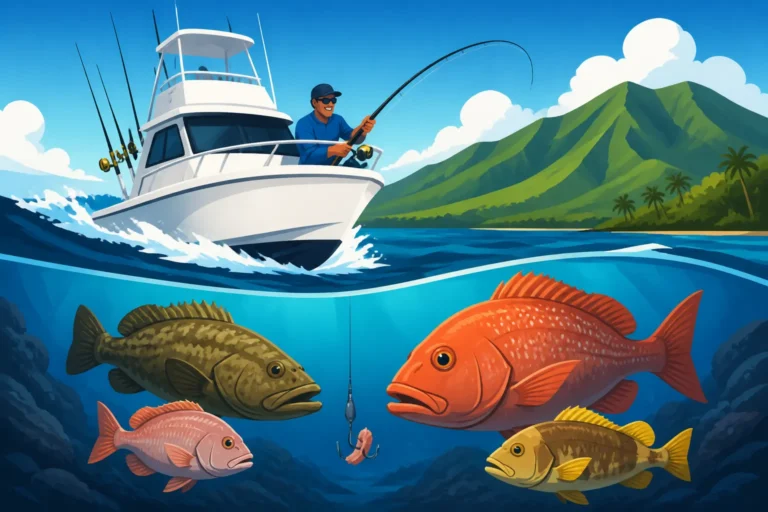
Beyond the standard trolling for pelagics, Hawaii also offers a range of specialized fishing charters catering to niche interests. If you're keen on bringing home a cooler full of delicious eating fish, a dedicated Best Bottomfishing Charters in Hawaii trip might be for you. These charters focus on deep-dropping baits or jigs to target snappers, groupers, and other reef dwellers that populate the rocky ledges and deep structure surrounding the islands. The techniques are different, often involving electric reels for deep drops, and the pace can be more relaxed.
For the adventurous angler, spearfishing charters offer a unique way to harvest fish. These trips typically involve guided excursions to specific reef areas, teaching you proper breath-hold techniques and local regulations for targeting species like uhu (parrotfish) or roi (invasive grouper). Always ensure the charter adheres to Hawaii Spearfishing Regulations. Then there's the growing popularity of fly fishing the flats for bonefish (oio). These are typically highly specialized guides who operate small skiffs or conduct walk-and-wade trips in shallow, clear waters, offering a challenging and incredibly rewarding experience for the dedicated fly angler. When considering a specialty charter, make sure the captain and crew are genuinely experienced and reputable in that specific discipline.
Key Factors When Evaluating Charter Boats and Crews
Once you have a clearer picture of the type of fishing experience you're after, the next crucial step is to carefully evaluate the charter boats and, more importantly, the crews themselves. A great boat is nothing without a skilled and personable crew, and a fantastic crew can make even a modest boat feel like a luxury liner. This is where research and asking the right questions really pay off.
Experience and Reputation: Why it Matters
When it comes to fishing, experience is paramount, especially in waters as dynamic and often challenging as Hawaii's. A seasoned captain and crew will have an intimate knowledge of local fishing grounds, seasonal patterns, and fish behavior. They'll know where to go when the bite is on, and more importantly, how to adapt when conditions change. Look for charters with a long history of successful trips and consistent positive feedback. Don't be shy about asking how long the captain has been fishing these specific waters.
Reputation often precedes a charter, and in the close-knit fishing community of Hawaii, word travels fast. Check online reviews, testimonials, and look for mentions on fishing forums or social media groups. A charter with a stellar reputation for putting clients on fish, providing excellent service, and maintaining a professional demeanor is generally a safe bet. Be wary of charters with consistently mixed or negative reviews, especially if they touch on safety, customer service, or a lack of fish. A booking platform like FishingBooker can be an invaluable tool for comparing reviews and track records from various charters in one place.
Safety and Licensing: Non-Negotiables
Your safety on the water should always be your top priority. Before booking any charter, ensure that the vessel and crew meet all necessary safety standards and licensing requirements. In Hawaii, all commercial fishing charters must be licensed by the U.S. Coast Guard. This includes having a captain with the appropriate Coast Guard Merchant Mariner Credential, which signifies they've passed rigorous exams, drug tests, and have sufficient sea time. The boat itself must also undergo regular safety inspections and carry all required safety equipment, such as life jackets for every passenger, flares, first-aid kits, and communication devices. You can ask for proof of these credentials.
Don't ever compromise on safety for a cheaper price or a flashier boat. A reputable charter will be transparent about their safety protocols and happy to answer any questions you have. This also extends to the boat's maintenance; a well-maintained vessel is a safer vessel. Hawaii Boating Laws for Anglers covers many of these requirements. While you're unlikely to inspect these yourself, a professional charter will proudly display their compliance and make you feel secure about embarking on their vessel.
Boat Size, Amenities, and Equipment: Comfort and Capability
The size and type of boat, along with its amenities and equipment, will greatly impact your comfort and the overall fishing experience. Larger boats typically offer more stability in rougher seas, more deck space for moving around, and sometimes even air-conditioned cabins, private restrooms, and shaded areas. These features are especially important for longer full-day trips, families, or those sensitive to sun and motion. Consider if a specific amenity, like a comfortable salon or a clean head (restroom), is important to your group.
Beyond comfort, assess the fishing equipment. Does the charter use well-maintained, high-quality rods, reels, and tackle appropriate for the target species? Are there enough rods for everyone to fish comfortably? A good charter will have a range of gear to handle different situations and sizes of fish. They should also have reliable electronics like sonar, GPS, and radar to help locate fish and navigate safely. While you might not be an expert on marine electronics, a crew that can clearly articulate how they use their gear to find fish often signals a professional operation. This attention to detail reflects their commitment to a successful trip for their clients.
Communication and Customer Service: Before and During the Trip
The quality of communication and customer service you receive from a charter company, both before and during your trip, can significantly impact your overall experience. A good charter will be prompt and clear in their responses to your inquiries, whether by phone or email. They should be transparent about pricing, what's included, and any cancellation policies. They should also take the time to understand your fishing goals and suggest the best trip options for your group. If you find it difficult to get clear answers or if communication feels rushed or dismissive, that's often a red flag.
Once you're on the boat, pay attention to the crew's demeanor. Are they friendly, approachable, and enthusiastic? Do they make an effort to engage with all passengers, offer guidance, and teach techniques? A great crew not only helps you catch fish but also ensures you have a good time, regardless of the catch. They should be attentive to your needs, whether it's getting a drink, re-rigging a line, or helping with seasickness. A charter that prioritizes excellent customer service creates a memorable and enjoyable adventure, leaving you with great memories of your Hawaii fishing trip.
Understanding Pricing and What's Included
The cost of a Hawaii fishing charter can vary widely, and it's essential to understand what influences these prices and exactly what you're getting for your money. Sticker shock is real, but a thorough breakdown can help you see the value and make sure there are no hidden fees or disappointments. You'll want to compare options, but always consider value over just the lowest price.
What Influences Charter Costs
Several factors contribute to the price of a Hawaii fishing charter. Firstly, the duration of the trip is a major determinant; full-day charters will naturally cost more than half-day excursions due to increased fuel, crew time, and operational costs. Secondly, the type of charter – private versus shared – significantly impacts the price. Private charters, where you have the entire boat to yourself, are considerably more expensive per person but offer unparalleled customization and attention. Shared charters, while more affordable individually, mean you're splitting the experience with others.
The size and amenities of the boat also play a role. Larger, more luxurious sportfishing yachts with air-conditioned cabins, multiple restrooms, and state-of-the-art electronics will command a higher price than smaller, more basic vessels. The experience and reputation of the captain and crew can also factor into the cost; highly sought-after captains with a consistent track record of trophy catches often charge a premium. Lastly, the specific fishing grounds and target species can influence the price. Going further offshore for marlin or ahi requires more fuel and specialized gear, which can increase the overall cost. For a more detailed breakdown, check out our Hawaii Fishing Charter Cost Guide.
Inclusions vs. Exclusions: Bait, Tackle, Licenses, Fish Processing
One of the most common areas for confusion and unexpected costs revolves around what is actually included in the charter price. Most reputable charters will include the use of quality rods, reels, and tackle, as well as bait and lures. However, it's crucial to confirm this upfront. Some specialized charters, particularly for fly fishing, might expect you to bring your own specific gear. Never assume; always ask for a detailed list of what's provided.
Fishing licenses are another important consideration. While many offshore charters operate under a blanket commercial license that covers all passengers, some inshore or freshwater trips might require each angler to purchase their own Do You Need a Fishing License in Hawaii? or Hawaii Freshwater Game Fishing License Cost. Confirm this well in advance to avoid any last-minute scrambling. Lastly, inquire about fish processing. Many charters will clean and fillet your catch, but some might charge an extra fee, or only offer basic processing. If you plan on taking your catch home, understand the charter's policy on dividing the catch among passengers and any processing services they offer. These small details can add up, so clarity is key.
Tipping Etiquette: Showing Your Appreciation
Tipping the crew is a long-standing tradition in the charter fishing industry, and it's an important way to show your appreciation for their hard work and expertise. Many first-timers are unsure about how much to tip or even if it's expected. Generally, a gratuity of 15-20% of the total charter cost is considered standard for good service. If the crew went above and beyond, provided exceptional instruction, or worked tirelessly to put you on fish, a higher tip is certainly warranted and deeply appreciated. Even if the fishing was slow, remember that effort and professionalism deserve recognition.
It's common practice to give the tip directly to the captain or mate at the end of the trip. Often, the crew will pool tips and split them equitably. While tipping is customary, it's not strictly mandatory, but understand that a significant portion of a deckhand's income often comes from tips. Factor this into your overall budget when planning your trip, so you're not caught off guard. You can find more specific guidance in our article on Tipping Etiquette for Hawaii Fishing Charters. A happy, well-compensated crew is often a motivated crew, and a generous tip acknowledges their dedication to making your trip a success.
Booking Your Charter: Tips and Best Practices
Once you've zeroed in on the kind of experience you want and the factors that make a great charter, it's time to actually book your trip. This stage requires a bit of planning and due diligence to ensure you secure the best possible charter for your needs and avoid common booking mishaps. Think of it as the final crucial step before your lines hit the water.
When to Book: Seasonality and Availability
Timing is everything when booking a Hawaii fishing charter. The islands experience different fishing seasons for various species, which can influence availability and the type of fishing offered. For example, marlin fishing off Kona has peak seasons, and if you're targeting a specific fish, you'll want to align your trip with the Hawaii Fishing Seasons by Month for that species. Charters, especially the most popular ones, can book up months in advance, particularly during peak tourist seasons like summer, holidays, and spring break.
To avoid disappointment, it's highly recommended to book your charter as far in advance as possible – ideally 3 to 6 months out, and even longer for specific dates or highly sought-after captains. If you're traveling during a less busy time of year, you might find more last-minute availability, but it's still a gamble. Booking early not only guarantees your spot but also often gives you a wider selection of boats and times. Last-minute bookings might leave you with fewer choices or necessitate a less-than-ideal charter.
Reading Reviews and Testimonials: Real-World Insights
In today's digital age, one of the most powerful tools at your disposal for choosing a charter is the wealth of online reviews and testimonials. Platforms like FishingBooker, Yelp, Google Reviews, and TripAdvisor provide candid feedback from previous customers, offering real-world insights into the charter's performance, professionalism, and overall experience. Don't just look at the star rating; delve into the actual comments. Look for recurring themes in both positive and negative feedback.
Pay attention to details: Do people consistently praise the crew's friendliness? Do they mention the quality of the gear? Are there any complaints about communication, safety, or the fish cleaning process? While one negative review might be an anomaly, a pattern of similar complaints should raise a red flag. Conversely, a consistently high volume of positive reviews describing similar excellent experiences is a strong indicator of a reputable and reliable charter. Use these reviews to cross-reference with the information provided by the charter itself and build a comprehensive picture.
Asking the Right Questions Before You Commit
Before you put down a deposit, have a detailed conversation with the charter operator. This is your chance to clarify any uncertainties and ensure the trip aligns with your expectations. Here are some essential questions to ask:
- What type of fish are you targeting during my desired dates, and what's the typical success rate?
- What is the total cost, and what exactly is included (bait, tackle, licenses, drinks, snacks, fish processing)?
- What is your cancellation policy, especially regarding weather?
- What should I bring (sunscreen, hat, food, drinks, seasickness medication)?
- What are your policies on catch and release vs. keeping the fish? How is the catch divided?
- What safety equipment is on board, and are all crew members CPR/First Aid certified?
- How many passengers will be on board (for shared charters)?
- What happens if no fish are caught? (While rare, it's good to know.)
The answers to these questions will help you make an informed decision and prevent any surprises on the day of your trip. A good charter will be happy to answer all your questions thoroughly and patiently.
Using Online Platforms like FishingBooker
When it comes to efficiently browsing, comparing, and booking Hawaii fishing charters, online platforms like FishingBooker can be incredibly useful. These sites aggregate listings from numerous charter operators across the islands, providing a centralized hub for your research. They typically allow you to filter charters by location (e.g., Kona, Maui, Oahu), trip duration, target species, price range, and boat type, making it easy to narrow down your options based on your specific criteria.
One of the greatest advantages of using such platforms is the transparency they offer through verified reviews and detailed boat descriptions. You can often see photos of the boat, read about the captain's experience, and get a clear breakdown of what's included and excluded in the price. Many platforms also offer secure online booking and payment systems, simplifying the reservation process. While you might also reach out directly to individual charters, using a platform like FishingBooker can save you a lot of time and provide a convenient way to compare multiple reputable options side-by-side, giving you peace of mind that you're choosing a vetted and reliable operator.
Preparing for Your Hawaii Fishing Adventure
You've done the research, you've booked your charter, and now the excitement is building! To ensure your Hawaii fishing adventure is as enjoyable and comfortable as possible, a little preparation goes a long way. Thinking ahead about what to bring, how to manage potential seasickness, and understanding local rules will make your day on the water much smoother.
What to Bring: Essentials for a Comfortable Trip
Even though most charters provide gear and sometimes even drinks, there are several essential items you should bring to ensure your comfort and safety during your trip. First and foremost, protect yourself from the powerful Hawaiian sun. Pack plenty of reef-safe sunscreen (some charters may provide it, but it's always good to have your own), a wide-brimmed hat, and polarized sunglasses. Lightweight, long-sleeved shirts and pants, preferably made of quick-dry material, offer excellent sun protection.
Hydration is key on the open water, so bring a reusable water bottle and plenty of water, even if the charter provides some drinks. Snacks are also a good idea, especially for full-day trips, as fishing can build up an appetite. Consider comfortable, non-slip shoes with good traction. If you're prone to seasickness, don't forget your chosen medication (more on that next). Finally, bring a camera to capture those amazing moments and maybe a small cooler if you plan on bringing some fish home. For a full checklist, our guide on What to Bring on a Hawaii Fishing Charter is a great resource.
Battling Seasickness: Practical Tips
Seasickness can turn a dream fishing trip into a nightmare, but with a few preventative measures, you can significantly reduce your chances of feeling queasy. If you know you're susceptible, start with over-the-counter medications like Dramamine or Bonine before you board the boat, following package instructions. Patches worn behind the ear are another popular and often effective option. It's much easier to prevent seasickness than to cure it once it sets in.
During the trip, try to stay on deck in the fresh air and keep your eyes focused on the horizon. Avoid reading or looking at your phone excessively. Eating a light, bland breakfast before you go, and avoiding greasy or acidic foods, can also help. Ginger, in various forms (candy, chews, or ginger ale), is a natural remedy many find helpful. If you start to feel unwell, let the crew know; they are experienced in handling seasickness and can offer advice or a quiet spot to rest. Don't let the fear of seasickness deter you from booking; proper preparation can make all the difference.
Understanding Local Regulations and Catch Policies
Fishing in Hawaii, whether from a charter boat or the shore, comes with specific regulations designed to protect marine life and ensure sustainable fishing practices. It's crucial to have a basic understanding of these rules, even though your charter captain will be the expert on board. Regulations cover everything from minimum size limits for certain species (e.g., Hawaii Papio and Ulua Size Rules), daily bag limits (e.g., Hawaii Ahi Bag Limit Rules), and even closed seasons for specific fish like Hawaii Moi Closed Season, Explained.
Your charter captain is responsible for adhering to these rules, but knowing them yourself empowers you to be a more responsible angler. For instance, some charters practice catch and release for certain species, especially billfish, while others focus on catching dinner. Discuss these policies with the charter beforehand to align your expectations with their practices. If you plan to take fish home, understand how the catch will be divided among passengers and any limitations on inter-island transport of fish. Being informed ensures a smooth and legal fishing experience for everyone.
Common Pitfalls to Avoid When Choosing a Charter
Even with the best intentions, it's easy to fall into certain traps when booking a fishing charter, especially if you're unfamiliar with the local scene or feeling pressured to make a quick decision. Being aware of these common pitfalls can help you navigate the process more skillfully and ensure your hard-earned money goes towards a truly memorable experience.
Overlooking Safety Credentials
One of the biggest mistakes an angler can make is to overlook or minimize the importance of a charter's safety credentials and licensing. It's tempting to focus solely on the size of the boat, the species they catch, or the price. However, if a charter seems unusually cheap or if the operator is vague about their U.S. Coast Guard certifications, consider it a major red flag. There are strict Licensing Requirements for Hawaii Charter Captains for a reason: to protect you.
Operating a commercial fishing charter without proper licensing is illegal and dangerous. These boats may not have undergone required safety inspections, nor might the captain have the necessary training or insurance. While you might save a few dollars, you're putting your safety and the safety of your loved ones at significant risk. Always prioritize charters that are fully licensed, insured, and transparent about their safety record. A quick check of reviews can often reveal concerns about a vessel's condition or a crew's perceived lack of safety focus. Never compromise on safety for any reason.
Misunderstanding Inclusions and Exclusions
Another common pitfall is misunderstanding what is and isn't included in the charter price, leading to unexpected costs or disappointments on the day of the trip. Some charters might advertise a low base price but then tack on charges for bait, tackle, cooler space, or even fish cleaning. The omission of a fishing license requirement can also catch visitors off guard, as it's not always included for all types of trips.
Always ask for a detailed list of what is covered in the quoted price. This includes: Is there enough water or soft drinks? Are snacks provided? Is ice for your catch included? Will the crew clean and fillet your fish, and is that an extra charge? Are fishing licenses included for all passengers, or do you need to purchase your own? Being clear on these points ensures there are no uncomfortable surprises at the end of your trip when it's time to settle up. A reputable charter will be upfront and transparent about all costs involved.
Ignoring Your Own Preferences
Finally, one of the most subtle yet impactful mistakes is ignoring your own preferences or those of your group in favor of what seems popular or what a friend recommends. Just because a charter is renowned for catching giant marlin doesn't mean it's the right fit for your family with young children who might prefer calmer waters and more consistent action from smaller fish. If you're prone to seasickness, booking an aggressive, far-offshore full-day trip is likely not going to be an enjoyable experience, no matter how good the fishing promises to be.
Take the time to genuinely assess what you and your companions want out of the day. Do you value comfort over catching a trophy? Are you looking for an educational experience, or just a relaxing day on the water? Do you want to try How to Catch Ulua from Shore with a local guide, or venture into the deep blue? Don't let external pressures or expectations overshadow your personal desires. The best charter is the one that aligns perfectly with your specific fishing goals, comfort level, and budget, ensuring you have the Hawaii fishing adventure you truly envisioned.
Disclaimer
This article is for general informational purposes only and does not constitute professional advice. Laws, prices and regulations vary by location and change over time. Consult a qualified professional for guidance on your specific situation.