Best Charters Out of Lahaina Harbor
Trying to navigate the myriad of fishing charter options out of Lahaina Harbor can feel like wading through the reef at low tide – a little confusing, and you're not entirely sure where to step next. You want to make the most of your time on Maui's stunning waters, whether you're dreaming of a trophy marlin or a fun day of reeling in dinner with the family. This comprehensive guide is here to help you cut through the confusion, outlining exactly what to look for, what to expect, and how to book the perfect fishing adventure from Lahaina.
Why Lahaina Harbor is a Prime Fishing Destination
Lahaina, with its charming historic Front Street and bustling harbor, isn't just a picturesque spot for whale watching tours and sunset cruises. For anglers, it's a gateway to some of Hawaii's most productive fishing grounds, offering unique advantages that make it a truly special place to cast a line. The combination of deep ocean trenches, abundant baitfish, and a vibrant marine ecosystem creates an ideal environment for a diverse range of species.
Proximity to Productive Waters
One of Lahaina Harbor's biggest draws for serious anglers is its incredible proximity to deep, fertile offshore waters. Unlike some other locations where you might spend hours just getting to the fishing grounds, boats departing from Lahaina are often just a short ride away from the action. Just a few miles offshore, the seafloor drops dramatically, creating deep-water trenches and canyons that act as highways for pelagic species. These geographical features, combined with the presence of Fish Aggregating Devices (FADs) strategically placed by the Hawaii Division of Aquatic Resources, concentrate baitfish and, consequently, the larger predators that feed on them.
Imagine heading out at dawn, the sun just painting the sky in fiery hues, and within an hour, your lines are in the water, trolling for world-class game fish. This isn't just a dream; it's a regular occurrence out of Lahaina. The currents around Maui also play a significant role, bringing in nutrient-rich waters that support a thriving food chain. This means less travel time and more fishing time, which is exactly what you want when you're paying for a charter. It makes those early morning starts feel a lot more worthwhile when you know the bite could be just around the corner.
Variety of Species Targeted
The rich marine environment surrounding Maui supports an astounding diversity of fish, making Lahaina a fantastic departure point regardless of your target species. Whether you're a seasoned angler chasing a grander marlin or a novice hoping to catch a colorful reef fish, Lahaina's waters have something for everyone. The deep offshore waters are legendary for their big game, but the shallower reefs and ledges closer to shore are equally vibrant.
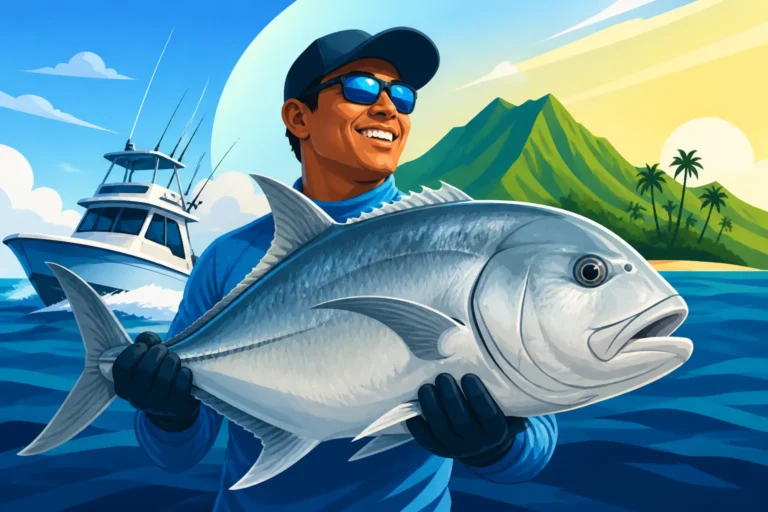
For the offshore enthusiast, Lahaina is synonymous with the pursuit of magnificent billfish. Blue Marlin, Striped Marlin, and Spearfish frequent these waters, providing exhilarating battles for anglers. You'll also find schools of fast-swimming pelagics like Ahi (Yellowfin Tuna), Aku (Skipjack Tuna), Mahimahi (Dorado), and Ono (Wahoo) that put up incredible fights and make for fantastic table fare. If you prefer to stay closer to land, the inshore reefs teem with a different array of species, perfect for light tackle. You might encounter Papio (juvenile Giant Trevally), various types of Snappers (Opakapaka, Onaga), Groupers, and colorful reef fish that offer consistent action and a different kind of challenge. This wide variety ensures that every trip, whether it's a dedicated hunt for a specific species or a general angling adventure, holds the promise of an exciting and productive day.
Historical Significance and Vibe
Lahaina's connection to the ocean runs deep, steeped in a rich history as a whaling port and a vital center for maritime activities. When you step onto the docks of Lahaina Harbor, you're not just at a commercial hub; you're immersed in a living piece of Hawaiian history. The very planks you walk on have witnessed countless fishing vessels depart and return, laden with their catches, for generations. This historical backdrop imbues the fishing experience from Lahaina with a unique, authentic Hawaiian feel that's hard to replicate elsewhere.
The vibe around the harbor is energetic and welcoming, a blend of serious angling tradition and laid-back island hospitality. As you stroll past the charter boats lined up along the docks, you'll see a mix of sleek, modern sportfishers alongside classic Hawaiian designs, each with its own story. The captains and crews often come from generations of local fishermen, carrying with them a deep understanding of these waters and a respect for the ocean. This local knowledge isn't just about finding fish; it's about sharing the spirit of aloha and Hawaiian fishing culture with their guests. It’s more than just a fishing trip; it's an experience that connects you to Maui's past and present, making your adventure truly unforgettable.
Types of Fishing Charters Available from Lahaina
When planning your fishing trip from Lahaina, you'll quickly realize there's no one-size-fits-all option. Charters vary widely in their focus, duration, and the experience they offer. Understanding these different types is crucial to matching your expectations with the reality of your day on the water. Whether you’re looking for a serious battle with a monster fish or a relaxed outing with the family, Lahaina has a charter designed for you.
Offshore Sportfishing Charters
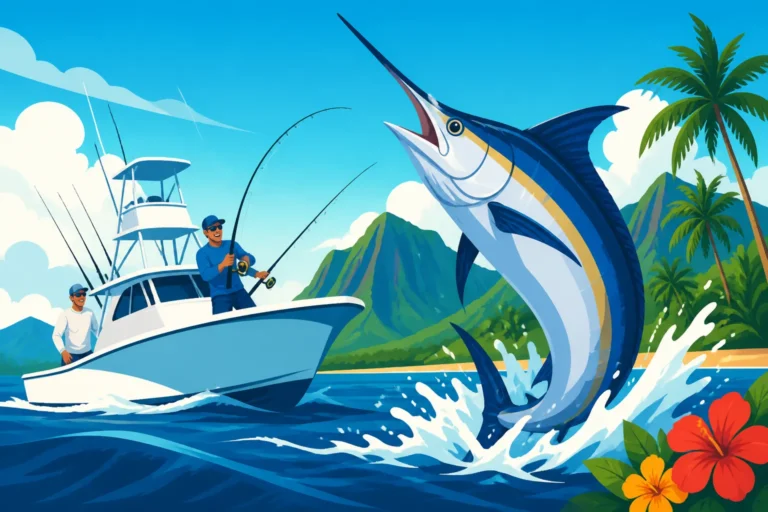
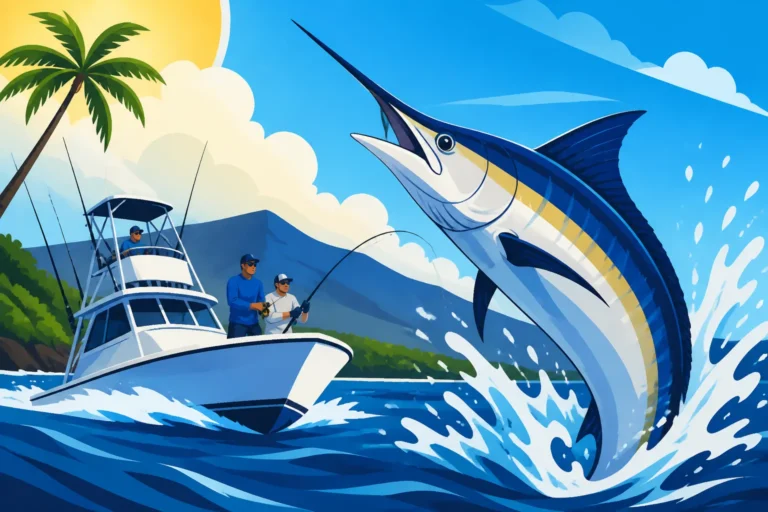
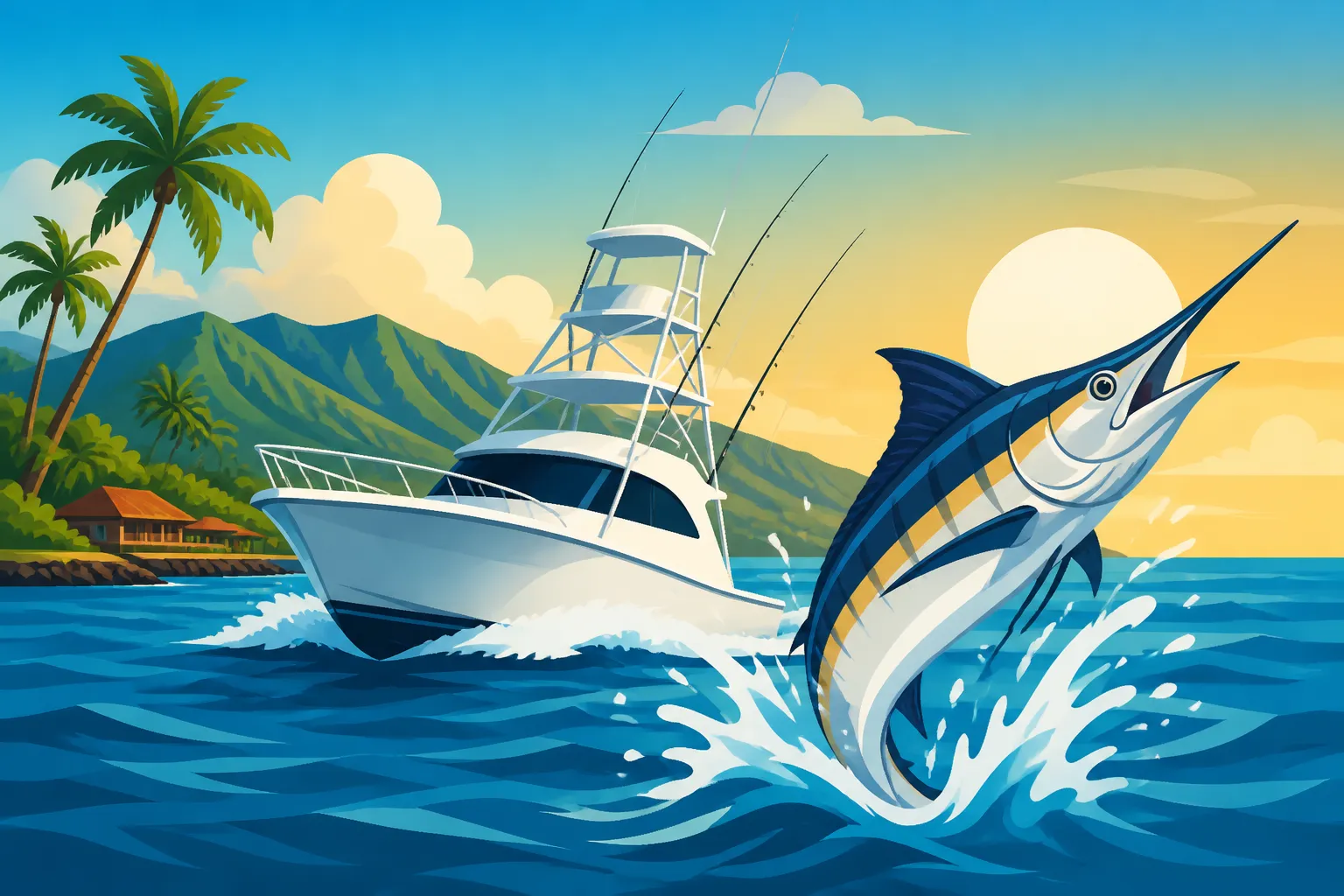
For many anglers dreaming of Hawaii, the image of a massive Blue Marlin leaping from the water is what comes to mind, and offshore sportfishing charters are designed to make that dream a reality. These charters typically utilize larger, well-equipped vessels, often custom-built sportfishers with powerful engines, spacious cockpits, and sometimes even air-conditioned cabins. They focus on targeting big game pelagic species like various types of marlin, large Ahi, Ono, and Mahimahi, venturing miles offshore to the deep-water drop-offs and FADs where these magnificent creatures roam.
A typical offshore sportfishing trip from Lahaina is a full-day affair, allowing ample time to travel to the prime fishing grounds and deploy various trolling spreads. The crew will usually set out a spread of artificial lures and sometimes live bait, carefully monitoring the lines and the ocean for any signs of activity. The intensity of these trips can be high; when a big fish hits, it's an all-hands-on-deck experience, often involving a lengthy fight at the rod. These charters are ideal for experienced anglers seeking a serious challenge, as well as those who simply want the chance to experience the thrill of battling a true Hawaiian leviathan. They often provide all the high-end gear needed, from heavy-duty rods and reels to specialized fighting chairs, ensuring you're well-equipped for the task at hand. If you're wondering How to Catch Marlin off the Kona Coast, many of the same principles apply here off Maui's shores.
Nearshore/Reef Fishing Charters
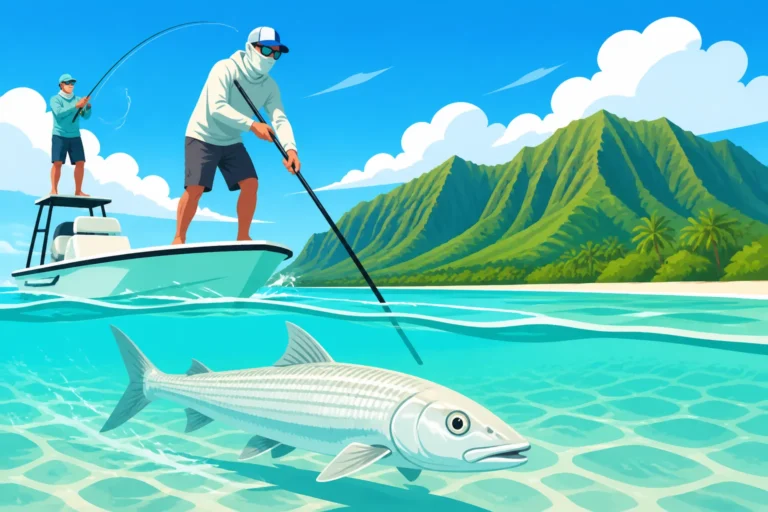
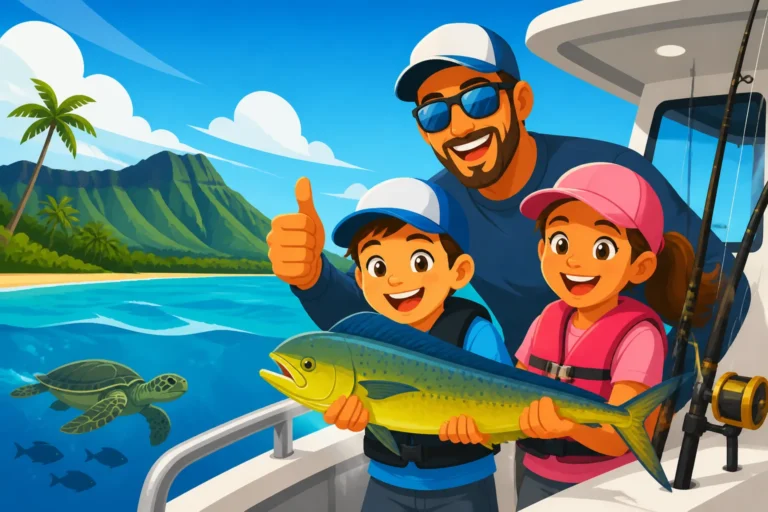
If the idea of a long offshore run sounds a bit too intense, or if you're traveling with children or those prone to seasickness, a nearshore or reef fishing charter might be the perfect fit. These trips tend to stay closer to the Maui coastline, exploring the shallower reefs, ledges, and channels. The focus here shifts from the giants of the deep to a more diverse array of reef fish, though exciting catches are still very much on the menu. These charters often use smaller, more nimble boats, but comfort and shade are still key features.
Nearshore fishing typically involves lighter tackle and different techniques such as bottom fishing with bait, jigging, or even light trolling for species like Papio, various snappers, goatfish (Kumu, Weke), and an assortment of other colorful reef dwellers. These trips are fantastic for families, beginners, or anyone looking for consistent action and a more relaxed pace. The bites are often more frequent, providing plenty of opportunities for everyone on board to reel in a fish. Many of these charters are offered as half-day options, making them easy to fit into a busy vacation schedule. It’s an excellent way to introduce kids to the joys of fishing, as they're likely to get plenty of bites, keeping their excitement levels high. You'll often find that the fish caught on these trips, like the local opakapaka or onaga, are delicious for dinner. You can learn more about Bottomfish Species of Hawaii that you might encounter.
Shared vs. Private Charters
Once you’ve decided on the type of fishing, the next big decision is whether to book a shared (or "open party") charter or a private charter. Both have distinct advantages and disadvantages, largely depending on your budget, group size, and desired experience.
Shared Charters: These are often the most budget-friendly option, as you pay per person and share the boat with other anglers who have also booked individually or in small groups. Shared charters are a great way to meet new people who share your passion for fishing, and they offer an accessible entry point to the world of Hawaiian charter fishing without the full expense of a private boat. Most shared trips are full-day offshore excursions targeting pelagic species, but some half-day options exist for reef fishing. The downside, however, can be less flexibility regarding fishing methods or target species, as the captain needs to cater to the group's general consensus. You might also have less individual attention from the crew, and the number of lines in the water could be limited depending on the boat's capacity. If you're traveling solo or as a pair, and cost is a primary concern, a shared trip can be an excellent choice. You can often find options for Best Half-Day Fishing Charters in Hawaii or Best Full-Day Fishing Charters in Hawaii in a shared format.
Private Charters: A private charter means you book the entire boat for your group, and no one else will be on board. This offers unparalleled flexibility and customization. You get to decide the duration of the trip (within the boat's offerings), the target species, and the fishing methods. Want to spend all day trolling for marlin? No problem. Prefer to mix it up with some bottom fishing and then a bit of deep-sea action? That's entirely possible. The captain and crew's attention is entirely focused on your group, providing personalized instruction and assistance. This option is perfect for families, corporate outings, or groups of friends who want an exclusive experience tailored to their specific desires. While a private charter will have a higher upfront cost, it can be quite economical for larger groups when divided among all participants. It guarantees a more intimate and personalized adventure, where the day revolves entirely around your group's preferences.
| Charter Type | Focus / Target Species | Typical Duration | Cost Structure | Ideal For |
|---|---|---|---|---|
| Offshore Sportfishing | Marlin, Ahi, Ono, Mahimahi (Big Game Pelagics) | Full-Day | Private or Shared | Experienced anglers, trophy hunters, serious groups |
| Nearshore/Reef Fishing | Papio, Snappers, Groupers, Goatfish (Reef Dwellers) | Half-Day | Private or Shared | Families, beginners, light tackle enthusiasts |
| Shared Charter | Varies (often offshore pelagics) | Half- or Full-Day | Per Person | Solo anglers, small groups, budget-conscious |
| Private Charter | Fully customizable (offshore, nearshore, mixed) | Half- or Full-Day | Flat Boat Rate | Families, larger groups, customized experience |
Key Factors When Choosing Your Lahaina Charter
Selecting the perfect fishing charter from Lahaina can feel like a big decision, especially with so many excellent operators vying for your attention. It's not just about finding an available boat; it's about finding the right fit for your group's specific desires and expectations. Taking the time to consider these key factors will help ensure your Hawaiian fishing adventure is everything you hoped for.
Understanding Your Group's Goals
Before you even start looking at specific boats or dates, sit down with your group and clearly define your primary goals for the fishing trip. This is perhaps the most crucial step, as it will narrow down your options considerably. Are you a group of seasoned anglers, specifically targeting a trophy Blue Marlin to add to your personal records? Or are you a family with young children, hoping for some consistent action and a few fish to take home for dinner, with maybe some scenic views thrown in?
Perhaps you're somewhere in between, interested in catching a good eating fish like Mahimahi or Ono, and enjoying the open ocean without the pressure of a grander hunt. Maybe one person in your group wants to try their hand at deep dropping for Opakapaka, while another just wants to relax and enjoy the ride. Clarifying these priorities upfront will guide you towards the right type of charter—whether it's an intense full-day offshore hunt, a relaxed half-day reef trip, or something in between. For instance, if family fun is the priority, you'll want a charter that is experienced with kids and has a patient, encouraging crew. If a trophy is the goal, you’ll seek out captains with proven track records for big game. Thinking about Best Guided Trips for Beginners in Hawaii or Best Guided Kids Fishing Trips in Hawaii can help solidify your goals.
Evaluating Boat Size and Amenities
The size and amenities of the charter boat itself play a huge role in your comfort and overall experience. Fishing in Hawaii's open ocean can sometimes mean encountering choppy conditions, so the right vessel can make all the difference. For offshore sportfishing, larger boats, often 35 feet or more, tend to offer a smoother ride in rougher seas and provide more deck space, which is critical when battling a big fish or simply moving around. These larger vessels often come equipped with more extensive amenities, such as air-conditioned cabins, comfortable seating, private restrooms (a huge plus on longer trips!), and a full array of electronics.
Conversely, for nearshore or reef fishing, a smaller, more agile boat might be perfectly suitable, offering a more intimate experience and allowing access to shallower areas. Always inquire about the onboard facilities. Is there a shaded area to escape the intense Hawaiian sun? Is there a marine head (toilet) on board, and how clean is it? Does the boat have a cooler for your drinks and snacks, and ice for your catch? These details, while seemingly minor, contribute significantly to your enjoyment, especially on a longer trip. A comfortable boat means a more relaxed crew and a happier fishing party, so don't overlook these practical considerations.
Captain and Crew Expertise
The captain and crew are arguably the most important element of any successful fishing charter. Their expertise, local knowledge, safety consciousness, and even their personalities will define your day. A knowledgeable captain understands the intricate patterns of the ocean—the currents, the baitfish movements, the subtle signs of fish activity—all crucial for putting you on the bite. Look for captains with extensive experience fishing the waters specifically around Maui and Lahaina, as local nuances can be vastly different from other Hawaiian islands.
Beyond their fishing prowess, the crew's demeanor is vital. Are they friendly, patient, and good communicators? A great crew will go out of their way to make everyone feel comfortable, provide clear instructions, and offer assistance with everything from rigging bait to reeling in a catch. They should prioritize safety above all else, ensuring the boat is well-maintained and all safety equipment is up to standard. Don't hesitate to ask about the captain's experience and the crew's roles. Reading reviews from previous customers can also offer valuable insights into the crew's professionalism and overall attitude. An engaging crew can turn an average fishing day into an unforgettable one, sharing stories, local tips, and their passion for the ocean.
Cost and What's Included
Charter fishing in Hawaii, especially for offshore big game, can be an investment, so it’s essential to understand the cost breakdown and what exactly is included in the price. The sticker price isn't always the final price, and understanding this upfront will help you budget effectively and avoid any unpleasant surprises.
What to clarify:
- Fishing Licenses: In Hawaii, if you're fishing recreationally in marine waters, you typically need a license. Some charters include this in their price, while others expect you to purchase it separately. Always confirm whether your Hawaii Fishing License Guide for 2026 is covered or if you need to buy one beforehand.
- Gear and Bait: Almost all reputable charters provide high-quality rods, reels, tackle, and bait. However, it's worth confirming that the gear is appropriate for the target species and in good condition. You don't want to show up only to find yourself using subpar equipment.
- Fish Policy: This is a big one. What happens to the fish you catch? Some charters have a "boat's fish" policy, where all fish (especially large pelagics) belong to the boat, though they'll often give you a portion to take home or have it processed for you. Others are more generous. Always clarify this before you book, especially if keeping fish for dinner is a high priority for you.
- Fish Cleaning: Will the crew clean and bag your catch for you at the end of the day? Most do, but it’s good to confirm.
- Food and Drinks: Some charters offer complimentary water and sodas, and perhaps light snacks. Longer trips might include lunch. Otherwise, you'll need to bring your own.
- Hidden Fees: Are there any fuel surcharges, tackle replacement fees, or other incidentals? Always ask for a comprehensive breakdown.
When you're comparing options, consider using platforms like FishingBooker, which often allow you to see what's included and compare different charter packages side-by-side, making the decision process a bit more transparent. Remember that tipping the crew is customary and usually not included in the upfront cost, so factor that into your budget as well. Tipping Etiquette for Hawaii Fishing Charters generally suggests a percentage of the total charter cost.
Popular Fish Species Targeted from Lahaina Harbor
The waters off Lahaina Harbor are teeming with a diverse array of fish, attracting anglers from around the globe. While certain species dominate the headlines, a variety of exciting catches are available throughout the year, each offering a unique challenge and reward. Understanding what's biting when and where can significantly enhance your chances of a successful trip.
Marlin (Blue, Striped, Spearfish)
Marlin are the undisputed kings of the Hawaiian deep sea, and the waters off Maui, especially from Lahaina, are prime hunting grounds for these magnificent billfish. The Big Island's Kona Coast gets a lot of fame for marlin, but Maui definitely holds its own, especially with the deep-water access directly offshore.
Blue Marlin: The most sought-after by sportfishermen, Blue Marlin are known for their incredible size, strength, and acrobatic leaps. They are primarily targeted by trolling large lures or live bait in deep offshore waters, often around FADs or areas with significant depth changes. While they can be caught year-round, the peak season for larger Blues tends to be from late spring through fall. Hooking into a Blue Marlin is an epic battle that can last hours, testing the angler's endurance and skill. Many anglers practice catch-and-release for these prized fish, especially the smaller ones, to help conserve the population.
Striped Marlin: Smaller than their blue counterparts, Striped Marlin are equally aggressive and put on a spectacular aerial show when hooked. They are more seasonal, with their presence typically peaking in the winter and spring months. These fish are often found closer to shore than Blue Marlin and are targeted using similar trolling methods with smaller lures or natural baits like skipjack. While they don't reach the same gargantuan sizes, a Striped Marlin still provides an exhilarating fight on lighter tackle.
Shortbill Spearfish: These are the smallest of the billfish found in Hawaiian waters but are no less exciting. They are distinctive with their short, round bill and typically weigh between 20-60 pounds. Spearfish are a fantastic light-tackle game fish, offering fast runs and jumps. Their peak season is often in the spring, and they are also caught by trolling artificial lures or small baits. Many captains love targeting spearfish as they offer consistent action and are excellent eating fish. If you're looking to learn more about these powerful fish, check out Marlin Fishing off the Kona Coast for broader insights into Hawaii's billfish scene.
Ahi (Yellowfin Tuna) and Aku (Skipjack Tuna)
Tuna are a staple of Hawaiian fishing, renowned for their power, speed, and incredible culinary value. From Lahaina, you'll have opportunities to target both the prized Ahi and the abundant Aku.
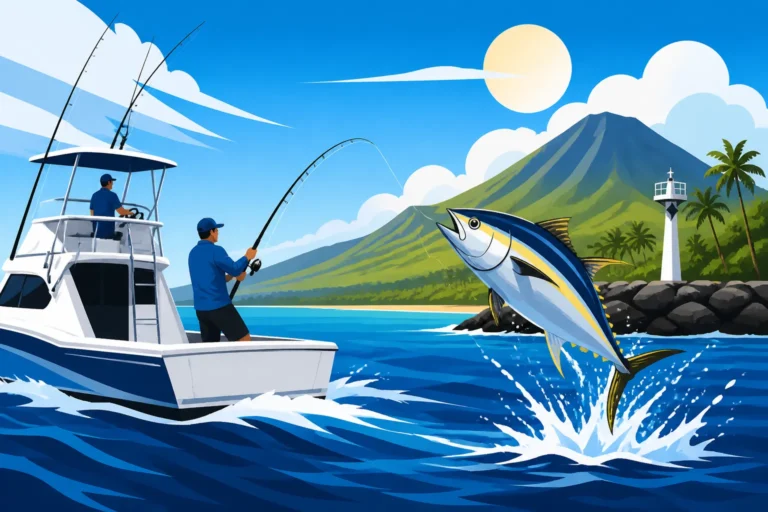
Ahi (Yellowfin Tuna): These sleek, powerful fish are a top target for many anglers. They can range from "football" sized (20-30 pounds) to absolute monsters exceeding 200 pounds. Ahi are often found offshore, frequently associating with FADs, porpoise schools, or underwater structures that concentrate baitfish. Trolling with lures is a common method, but chunking or live baiting can also be incredibly effective, especially when schools are located. When an Ahi hits, be prepared for an explosive run, as these fish are pure muscle. Their peak season is typically in the warmer months, from late spring through fall, when schools of baitfish are most prevalent. Landing a large Ahi is a true accomplishment and provides some of the best eating fish in the ocean. For more in-depth information on how to target them, see Ahi (Yellowfin Tuna) Fishing in Hawaii.
Aku (Skipjack Tuna): While smaller than Ahi, Aku are incredibly numerous and provide fast and furious action, making them a favorite for both sport and commercial fishermen. They are highly migratory and often travel in large, visible schools that can be spotted on the surface. Aku are typically caught by trolling small lures or casting into breaking schools. They put up a respectable fight on light to medium tackle and are an excellent source of fresh bait for larger game fish, as well as being a popular ingredient in local dishes. Their abundance makes them a great target for charters where consistent action is desired, especially for younger anglers.
Ono (Wahoo) and Mahimahi (Dorado)
These two pelagic species are known for their vibrant colors, incredible speed, and delicious firm white meat. They are often targeted during the same offshore trolling trips as marlin and tuna.
Ono (Wahoo): "Ono" means "delicious" in Hawaiian, and these fish certainly live up to their name. Wahoo are torpedo-shaped, incredibly fast predators with razor-sharp teeth. They are often caught by high-speed trolling, especially near current lines, weed lines, or floating debris. While they can be caught year-round, their numbers tend to peak in the summer and fall. When an Ono hits a lure, the strike is often blistering, and their initial run can strip line off a reel at an alarming rate. Anglers need to be prepared with wire leaders to prevent their sharp teeth from cutting the line. Catching an Ono is a thrilling experience, and they are considered one of the best eating fish in the Pacific. To dive deeper into targeting these speedsters, refer to Ono (Wahoo) Fishing in Hawaii.
Mahimahi (Dorado/Dolphin Fish): The Mahimahi, with its brilliant iridescent colors that flash from greens and blues to yellows and golds, is one of the most beautiful fish in the ocean. They are also powerful fighters and fantastic eating. Mahimahi are often found near floating objects, FADs, or weed lines, where they congregate to hunt smaller baitfish. They are aggressive feeders and will readily strike trolled lures, flies, or live bait. Like Ono, Mahimahi tend to be more prevalent in the warmer months, typically from spring through fall. They often travel in schools, so where there's one, there are usually more. This means you can sometimes hook into multiple Mahimahi in quick succession, leading to exciting "bail-outs" where the whole boat gets involved in reeling in fish. Discover more about their habits and how to catch them in Mahimahi Fishing in Hawaii.
Bottomfish (Opakapaka, Onaga, etc.)
While the pelagic species get most of the glory, the deep reefs and ledges off Lahaina also hold a treasure trove of delicious bottomfish. These are targeted using specialized deep-drop techniques, often requiring electric reels due to the depths involved.
Opakapaka (Pink Snapper): One of Hawaii's most iconic and prized bottomfish, Opakapaka are known for their delicate, flaky white meat. They live in depths ranging from 100 to 600 feet and are targeted using weighted rigs with multiple hooks baited with squid or cut fish. Catching Opakapaka requires precise boat positioning over specific underwater structures. While not as flashy a fight as a marlin, the anticipation of reeling up a stringer of these beautiful pink fish from the deep is a unique thrill.
Onaga (Ruby Snapper): Considered the "king of the Hawaiian table fish," Onaga are deeply red-colored snappers that also inhabit very deep waters, often between 600 to 1,200 feet. They are highly sought after for their exquisite flavor and command a premium price. Targeting Onaga is even more specialized than Opakapaka, often requiring even heavier weights and specialized electric reels to manage the depth. They are a rarer catch but an incredibly rewarding one.
Other Bottomfish: Beyond Opakapaka and Onaga, other species like Hapu'upu'u (Sea Bass), Ehu (Red Snapper), and Gindai (Squirrelfish Snapper) also inhabit these deep-water zones. Each offers a slightly different taste and challenge for bottomfishing enthusiasts. Bottomfishing trips are often slower-paced than trolling for pelagics, focusing on precision and technique rather than high-speed action, but the reward of fresh, prime Hawaiian bottomfish is hard to beat. You can explore a broader range of species in Bottomfish Species of Hawaii.
Booking Your Lahaina Fishing Adventure
The final hurdle in planning your ideal Lahaina fishing trip is the booking process itself. With so many variables—from seasonality to boat availability—it's wise to approach this step strategically to ensure you secure the best possible experience for your group.
Best Time to Book
Timing is everything when it comes to booking a fishing charter, especially in a popular destination like Lahaina. Hawaii experiences good fishing year-round, but specific seasons offer peak opportunities for certain species, and certain times of the year are simply more crowded.
Seasonality for Fish:
- Marlin: Blue Marlin are more abundant from late spring through fall, while Striped Marlin peak in winter and spring. Spearfish are also often a spring target.
- Tuna (Ahi & Aku): Generally better in the warmer months, from late spring through fall, when baitfish schools are large.
- Ono & Mahimahi: Also more prevalent in the warmer seasons, peaking from spring to fall.
- Bottomfish: Generally consistent year-round, though weather can impact deep-drop trips.
Peak Tourist Seasons: Lahaina, being a major tourist hub, experiences higher demand for charters during certain times of the year, particularly during school holidays (summer, spring break, winter break) and major local events. If you plan to visit during these periods, you absolutely must book your charter well in advance—sometimes 3-6 months out for popular boats. Booking early ensures you get your preferred dates and allows you a wider selection of charters. For off-peak times, you might find more flexibility and potentially better rates, but still, don't wait until the last minute. General information on Best Time of Year to Fish in Hawaii can help with broader planning.
What to Ask Before Booking
To avoid any misunderstandings and ensure your trip goes smoothly, have a list of questions ready for the charter operator before you commit. This due diligence can save you from disappointment.
- Fishing License: As mentioned, confirm if the Do You Need a Fishing License in Hawaii is included or if you need to purchase one separately.
- Fish Policy: Reiterate what happens to the catch. Is it shared? Does it all go to the boat? Can you keep a certain amount? What are the options for processing your fish?
- Tackle Provided: While most charters provide gear, confirm it's suitable for your target species and inquire about the condition of their equipment. If you plan to bring any of your own specialized gear, ask if that's allowed.
- Cancellation Policy: What happens if the weather turns bad, or if someone in your party gets sick? Understand their policies regarding refunds or rescheduling.
- Departure Time and Duration: Confirm the exact start and end times. For full-day trips, confirm if that includes travel time to the fishing grounds.
- Safety Equipment: Inquire about their safety protocols and the presence of essential safety gear. All reputable charters should be Coast Guard certified. While a captain is licensed, it's always good to be aware of Licensing Requirements for Hawaii Charter Captains.
- What to Bring: Get a clear list of what you should bring (food, drinks, sunscreen, hat, etc.) and what is explicitly prohibited.
Preparing for Your Trip
Once you've booked your charter, a little preparation will go a long way in ensuring a comfortable and enjoyable day on the water.
- Sun Protection: The Hawaiian sun is intense. Bring high SPF waterproof sunscreen, a wide-brimmed hat, sunglasses, and lightweight, long-sleeved clothing with UPF protection. Even on cloudy days, UV rays can be strong.
- Seasickness Remedies: If you're at all prone to seasickness, take preventative measures before you get on the boat. Motion sickness medication (like Dramamine or Bonine) should be taken the night before or at least an hour before departure. Acupressure wristbands can also help. Stay hydrated and avoid heavy, greasy foods before the trip.
- Food and Drinks: Even if the charter provides some, bring extra water, your favorite non-alcoholic beverages, and snacks. Fishing is hungry work! Pack them in a small cooler if the charter doesn't have ample space.
- Footwear: Wear comfortable, non-slip shoes. Flip-flops might be okay on calm days but can be hazardous on a wet, rocking boat.
- Camera: A waterproof camera or a phone in a waterproof case is great for capturing memories.
- Extra Clothes: A change of clothes for after the trip can be nice, especially if you get wet or fishy.
- Gratuity: Have cash ready for the crew's tip. Refer to Tipping Etiquette for Hawaii Fishing Charters. For a detailed packing list, you might find inspiration in What to Bring on a Hawaii Fishing Charter.
Using Online Platforms
In today's digital age, online booking platforms have revolutionized how anglers find and reserve fishing charters. For Lahaina, using a reputable platform like FishingBooker can significantly simplify your search and booking process.
These platforms offer a centralized hub where you can browse multiple charter operators, compare boats, check availability, read genuine customer reviews, and often book directly. This transparency allows you to see what other anglers have experienced, which can be invaluable when making your decision. You can filter by price, boat size, target species, and even amenities, helping you quickly narrow down options that match your group's goals. FishingBooker, for example, allows you to view detailed profiles of captains and boats, often including photos, gear lists, and fish policies, all in one place. This makes it much easier to compare different Lahaina charter options side-by-side, ask questions directly, and make an informed decision without having to call multiple individual operators. It’s an efficient way to research and secure your spot on the water.
Disclaimer
This article is for general informational purposes only and does not constitute professional advice. Laws, prices and regulations vary by location and change over time. Consult a qualified professional for guidance on your specific situation.