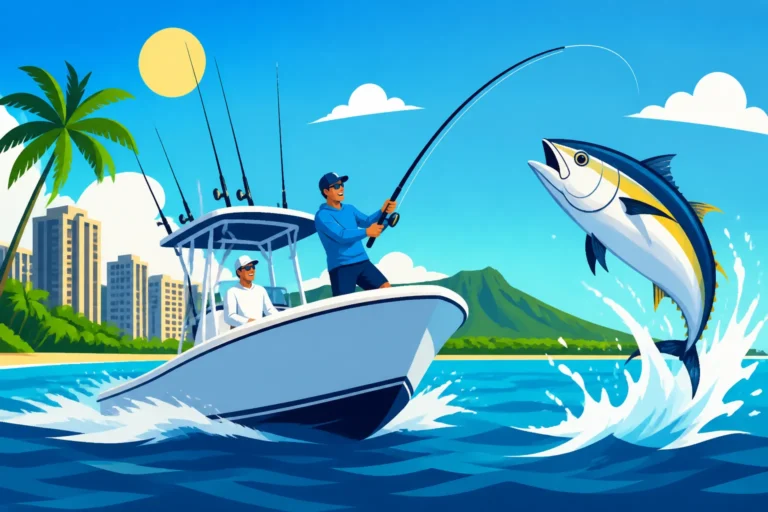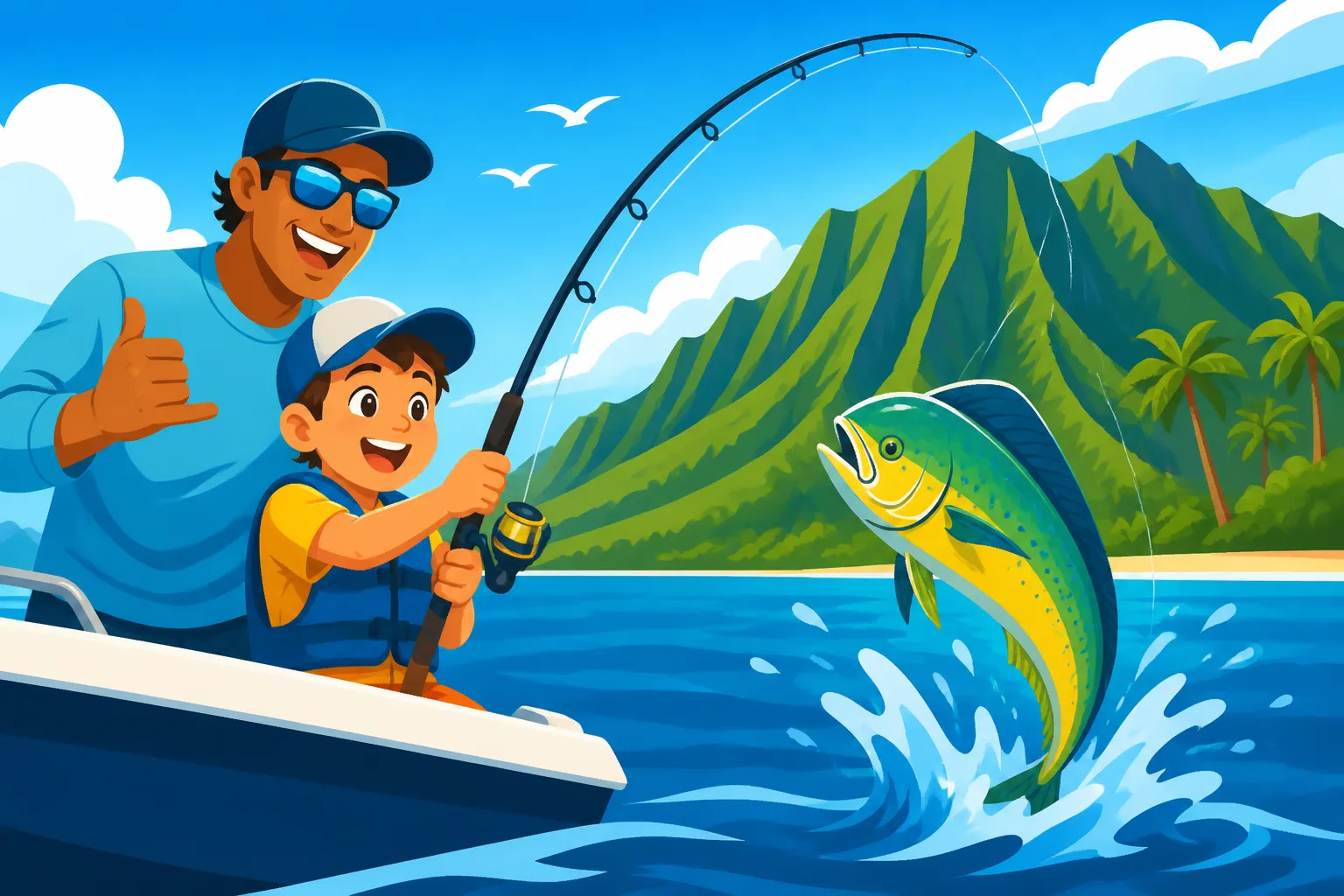
Best Guided Kids Fishing Trips in Hawaii
Trying to introduce your keiki, your beloved children, to the magic of fishing in Hawaii can sometimes feel less like a relaxing family outing and more like a high-stakes juggling act. Between managing tangled lines, baiting hooks for tiny hands, and keeping everyone entertained when the fish aren't biting, it's easy for the fun to get lost in the logistics. This guide is here to help you navigate the fantastic world of guided kids' fishing trips in Hawaii, ensuring a memorable and enjoyable experience for the whole family.
Why a Guided Trip is Perfect for Kids in Hawaii
Let's be real: fishing with kids is a different beast entirely than fishing alone or with adult friends. The patience, the short attention spans, the inevitable "Are we there yet?" – it all adds up. That's where a fantastic guided trip truly shines, transforming potential stress into pure joy.
Taking the Pressure Off Parents
Imagine this: you're out on the sparkling Hawaiian waters, the sun is warm, and a gentle breeze is blowing. Instead of frantically re-tying a knot for your squirming kindergartner while simultaneously baiting another hook for your teenager, you're actually relaxing. This isn't a pipe dream; it's the reality a good kids' fishing guide offers. They step in to handle all the nitty-gritty details that can quickly overwhelm a family outing. From expertly baiting hooks with slippery live bait to untangling the inevitable bird's nest of fishing line that mysteriously appears every five minutes, they've got it covered. They know how to rig the rods, when to switch baits, and even how to make a tricky cast for a hesitant little angler. This invaluable support means you, as the parent, can actually engage with your children, snap photos, and even try to catch a fish yourself, rather than constantly feeling like a harried deckhand. It makes the entire experience so much more enjoyable for everyone involved.
Safety and Education in a New Environment
Hawaii's waters, while beautiful, are also teeming with life and can present unique challenges. For families, especially those unfamiliar with local currents, marine life, or specific regulations, safety is paramount. A professional guide brings a wealth of local knowledge, not just about where the fish are biting, but also about the safest spots for kids to cast, the proper handling of different fish species, and what to do in various scenarios. They're well-versed in Hawaii Boating Laws for Anglers and will ensure all necessary safety equipment, like life jackets, are properly fitted and readily available. Beyond safety, these trips often become immersive educational experiences. Guides love to share insights about the vibrant Hawaiian ecosystem, teaching kids about the different fish they're catching, their habitats, and the importance of conservation. They can point out seabirds, explain the volcanic geology, or even teach a few Hawaiian words related to the ocean. It's an engaging lesson that goes far beyond just reeling in a fish.
Higher Chances of Success and Fun!
Let's face it, kids thrive on success. While fishing is certainly about the experience, catching a fish – any fish! – is often the highlight for a young angler. A seasoned local guide significantly increases those chances. They know the secret spots, the current patterns, and the feeding habits of local species that you just won't find in a guidebook. Whether it's knowing the best time to target papio from a pier or understanding where the schools of taape gather nearshore, their expertise is invaluable. This knowledge translates directly into more bites and more fish in the bucket, which in turn keeps spirits high and prevents boredom from setting in. A guide also understands that "fun" for kids might mean a lot more than just silently waiting for a bite. They're often skilled at storytelling, playing games, or simply creating a lively and engaging atmosphere that keeps children entertained, even during slower moments. They understand that a successful kids' trip isn't just measured by the size of the catch, but by the size of the smiles.
Types of Kid-Friendly Fishing Trips in Hawaii
Hawaii offers a diverse range of fishing experiences, and thankfully, many can be tailored to be incredibly kid-friendly. Knowing the different options available can help you pick the perfect adventure for your family, depending on your children's ages, attention spans, and comfort levels.
Shore-Based and Pier Fishing Adventures
For younger children or those prone to seasickness, keeping their feet on solid ground is often the best bet. Shore-based fishing, whether from a sandy beach, a rocky point, or a bustling pier, provides a fantastic introduction to angling. Guides specializing in these types of trips know exactly where to find active fish close to shore, making for a fast-paced and engaging experience. They'll equip your kids with light tackle, perfect for smaller hands to manage, and focus on species like papio (juvenile trevally), taape (bluestripe snapper), or even colorful reef fish that dart in and out of the shallows. These trips are typically shorter in duration, usually two to three hours, which is ideal for a child's attention span. Plus, the surrounding environment offers plenty of distractions – hermit crabs, interesting shells, and the constant ebb and flow of the tide. Imagine your child proudly reeling in their very first papio from a Best Pier Fishing Spots in Hawaii location like Kewalo Basin or Ma'ili Point on Oahu! Guides often bring buckets for collecting treasures and can provide valuable insights into safe wading techniques for Hawaii's unique shorelines. These trips emphasize hands-on learning in a relaxed setting, often culminating in the thrill of catching dinner right from the shore.
Nearshore Boat Charters
If your kids are a bit older, more adventurous, or have some experience on boats, a nearshore charter can be an incredible step up. These trips venture slightly further out than shoreline fishing but typically stay within sight of land, in calmer, shallower waters over reefs or sandy bottoms. The boats themselves are usually smaller and more agile than big offshore sportfishing vessels, often center consoles or smaller cabin cruisers that can navigate closer to the action. These trips are fantastic for targeting a wider variety of reef fish like snapper, goatfish, or triggerfish, offering a colorful and exciting experience. The duration is often around four hours, perfect for a half-day adventure that leaves plenty of time for other family activities. Many of these charters are specifically designed as Best Half-Day Charters in Hawaii, focusing on comfort and fun for families. Guides on these trips are particularly skilled at making the boat experience enjoyable, often equipped with restrooms, shaded areas, and sometimes even a cooler full of refreshments. They'll teach your kids how to drop a line directly over reef structure, feel the subtle bites, and bring up vibrant catches. It's a fantastic way to introduce them to boat etiquette and the thrill of deeper water fishing without the intensity of a full offshore excursion.
Freshwater Fun in Reservoirs
While Hawaii is famous for its ocean, don't overlook the unique freshwater fishing opportunities available, especially on Oahu. Targeting species like peacock bass, largemouth bass, and tilapia in places like Wahiawa Reservoir or Nuuanu Reservoir offers a completely different kind of adventure. This can be an excellent option for kids who might be nervous about the ocean, or for families looking for a tranquil, scenic outing. Guides who specialize in freshwater fishing know these reservoirs intimately, understanding where the fish hide among the submerged structures or along the reedy banks. They'll teach kids casting techniques for lures and flies, a rewarding skill that builds coordination and patience. The action can be fast and furious, especially with aggressive peacock bass, keeping young anglers thoroughly engaged. For instance, Peacock Bass in Wahiawa Reservoir are known for their vibrant colors and powerful strikes, making for an exciting fight. These trips often involve smaller boats or bank fishing, providing a calm and focused environment for learning. It's a chance to experience a lesser-known side of Hawaii's fishing scene and introduce kids to species they might not encounter anywhere else on the islands, all while enjoying the lush, green landscapes away from the salt spray.
What to Look for in a Kid-Friendly Charter or Guide
Choosing the right guide or charter for your family is probably the most crucial step in ensuring a successful and enjoyable experience. It's not just about finding someone who can catch fish; it's about finding someone who understands and connects with children.
Experienced and Patient Crew
This is absolutely non-negotiable when booking a trip for kids. A guide might be the most expert angler on the island, but if they lack patience, enthusiasm for teaching, or a genuine rapport with children, the trip will fall flat. Look for guides who explicitly market themselves as "family-friendly" or "kid-focused." When researching potential charters, pay close attention to reviews that mention the crew's interaction with kids. Did they spend time explaining things? Were they encouraging when a cast went awry? Did they celebrate every small catch as if it were a record-breaker? A great kid-friendly guide will have a calm demeanor, a good sense of humor, and the ability to adapt to a child's fluctuating energy levels and attention spans. They know how to turn a moment of frustration into a learning opportunity and how to keep a lively child engaged without making them feel rushed or pressured. These guides understand that for kids, the process is often more important than the prize, and they'll prioritize smiles and memories over strict fishing quotas.
Appropriate Gear and Amenities
The right equipment makes all the difference, especially for little hands. A top-notch kid-friendly charter will provide gear specifically suited for children. This means lighter rods and reels that are easy to hold and cast, with simple spinning reels that are less prone to backlashing. They'll have smaller hooks, appropriate leader materials for the target species, and bait that's easy for kids to handle. Beyond the tackle, consider the vessel itself. Is there ample shade to protect delicate skin from the strong Hawaiian sun? Is there a clean and accessible restroom on board? What about comfortable seating? These may seem like minor details, but they can significantly impact a child's comfort and enjoyment over a few hours. For shore-based trips, ensure the guide provides appropriate chairs, easy-to-manage rods, and any necessary bait and tackle. Knowing What Gear a Hawaii Charter Provides upfront can help you determine if they're truly equipped for families, or if you'll need to bring specific items. A good guide will anticipate these needs and have everything ready to go, allowing your family to simply show up and start fishing.
Flexible Trip Durations and Fish Policies
When planning a fishing trip with kids, remember that a child's attention span is often much shorter than an adult's. Therefore, shorter trip durations are almost always preferable. Look for charters offering two to four-hour excursions, or guides who are willing to tailor the length of the trip based on how your kids are doing. A longer trip might sound like more value, but a tired, bored, or seasick child can quickly sour the entire experience. It's much better to leave them wanting more! Additionally, consider the guide's policy on fish. Many kid-friendly trips encourage a mix of catch-and-release, teaching valuable conservation lessons. However, the thrill of bringing home a fish for dinner can be incredibly motivating for children. A great guide will be flexible, allowing kids to keep a few legal-sized fish to eat, while safely releasing others. Discuss these points upfront when you're inquiring, as it's part of What to Expect on a Hawaii Fishing Charter. Some charters may even offer to clean and bag your catch, adding to the convenience and excitement of providing a fresh meal.
Preparing Your Keiki (Children) for Their Fishing Adventure
A little preparation goes a long way in setting the stage for a fantastic fishing trip with your kids. It’s not just about packing the right snacks; it’s about managing expectations and fostering excitement.
Setting Expectations for the Day
Before you even step foot on the boat or cast a line from shore, have an open and honest chat with your children about what the day might entail. Fishing isn't always about non-stop action; there can be lulls, and sometimes, the fish just aren't biting. Explain this gently, so they aren't disappointed if it's not a fish on every cast. You might say, "We're going to spend a few hours on the ocean (or at the pond), and we'll try to catch some fish! Sometimes the fish are very hungry, and sometimes they're shy. The most important thing is that we have fun trying." If you're going offshore, discuss the possibility of seasickness in a calm, reassuring way. Mention that a guided trip means the captain and crew will be there to help with everything, from baiting to untangling lines. This helps manage their anticipation and prepares them for the reality of fishing, making any actual catches even more exciting. It's also a good idea to remind them that the guide is in charge of safety and they need to listen carefully to instructions.
Essential Gear and Comfort Items
Even though a good charter will provide most of the fishing gear, there are crucial personal items you'll need to bring to ensure your children are comfortable and happy. The Hawaiian sun can be intense, so pack plenty of sunscreen and reapply it often. Wide-brimmed hats and sunglasses are also must-haves for sun protection. Light, breathable clothing is ideal, and maybe an extra layer if you're going out early in the morning or for a sunset trip, as temperatures can drop slightly. Footwear that can get wet and offers good grip is essential for both boat and shore excursions. Hydration is key, so bring plenty of water bottles, and pack a cooler with favorite snacks – hunger can quickly turn a fun outing into a grumpy one. Even if the charter provides some refreshments, having familiar snacks can be a comfort for kids. A small backpack for each child to carry their own water bottle, hat, and a little toy or book for quiet moments can make them feel more invested and responsible for their adventure.
Learning About Hawaii's Fish Beforehand
Building excitement for the trip can start well before you arrive at the dock. Take some time to introduce your children to the incredible marine life they might encounter in Hawaiian waters. You can look at pictures of local fish species, watch short videos, or even read children's books about Hawaii's ocean. Talk about the vibrant colors of an uhu (parrotfish), the distinctive shape of a papio, or the elusive nature of a moi. Learning about these fish can transform a simple catch into an awe-inspiring discovery. "Look, that's a moi! Remember how we talked about its threadfin on its back?" This kind of prior knowledge deepens their engagement and appreciation for the natural world around them. Many local guides love to share facts and stories about the fish, and having some background knowledge will help your children connect more deeply with what the guide is saying. It turns the fishing trip into a rich, interactive learning experience rather than just a passive activity. You can even check out articles like Hawaii Papio and Ulua Size Rules to give them an idea of what they might catch.
Top Islands for Kid-Friendly Fishing Excursions
Hawaii’s unique geography means that fishing opportunities vary from island to island. While deep-sea adventures for marlin and tuna are legendary off the Kona Coast, each island also offers fantastic, more accessible options perfect for families and young anglers.
Oahu: Variety and Accessibility
Oahu, being the most populated island, naturally offers the widest array of kid-friendly fishing options, combining accessibility with diverse experiences. For youngsters just starting out, the numerous piers and accessible shorelines around Honolulu and the surrounding areas are fantastic. Locations like Kewalo Basin, Ala Moana Beach Park, or even specific spots along the Windward Coast offer easy casting opportunities for smaller, abundant reef fish. A short, guided shore fishing trip here means no boat sickness and lots of action. Guides on Oahu are skilled at teaching kids the basics of whipping for papio or dropping bait for various reef dwellers. Beyond the ocean, Oahu is also home to Hawaii's premier freshwater fishing spots. Wahiawa Reservoir Fishing Guide is a prime example, where guided trips target peacock bass and tilapia, providing a completely different, calm, and exciting experience. The convenience of Oahu means that family fishing trips can easily be combined with other attractions like the Honolulu Zoo, Pearl Harbor, or a visit to Waikiki, making for a well-rounded vacation. Many excellent charters operate out of harbors like Keehi Lagoon or Honolulu, offering nearshore trips that focus on calmer waters and plentiful catches perfect for kids.
Maui: Reef Adventures and Calm Waters
Maui offers a truly special environment for families wanting to introduce their children to ocean fishing. The island's leeward side, particularly along the coastlines of West Maui (Lahaina, Kaanapali) and South Maui (Kihei, Wailea), is known for its calmer, protected waters. This makes it ideal for nearshore boat charters that focus on reef fishing. Children are less likely to experience seasickness, and the waters are often crystal clear, allowing them to sometimes spot the fish before they even bite! Guided trips here often involve bottomfishing for snapper, goatfish, and other colorful reef inhabitants that make for exciting catches and vibrant photos. Charters departing from Ma'alaea Harbor or Lahaina Harbor often run half-day excursions specifically tailored for families, combining fishing with opportunities to see turtles or even dolphins. Guides here are adept at engaging children, often pointing out different corals or explaining the ecosystem below. While Maui might not have the freshwater options of Oahu, its stunning reefs and calm coastal conditions make it an unbeatable choice for a family-friendly ocean fishing adventure.
Big Island: Offshore Thrills (Carefully Selected)
The Big Island, particularly the Kona Coast, is world-renowned for its incredible deep-sea fishing for trophy marlin and ahi. While these larger-than-life pursuits might seem daunting for kids, the Big Island still offers fantastic kid-friendly options – you just need to choose wisely. Look for charters that specifically advertise "family trips" or "nearshore light tackle" rather than solely focusing on "grander marlin." Many reputable captains, especially those listed on platforms like FishingBooker, understand the importance of catering to young anglers. They'll offer shorter, half-day trips that stay closer to shore, targeting smaller pelagic species like mahimahi or ono, or even engaging in bottomfishing for reef species. The deep waters close to shore mean that even a short trip can yield exciting results without requiring long runs. Guides here are excellent at teaching kids how to spot fish, how to troll for fast-moving species, and the thrill of a big strike, scaled down for smaller fish and lighter tackle. While a full day out chasing a grander marlin might be too much for most children, a carefully selected half-day adventure can still provide them with the unforgettable excitement of catching a "big" fish in the legendary waters of the Kona Coast. Remember to always communicate your family's needs and your children's ages clearly when booking, ensuring the charter is truly geared towards a positive experience for your keiki.
Booking Your Kid's Hawaiian Fishing Trip
Once you've decided on the type of trip and the island, the next step is securing your adventure. It's a bit more involved than just clicking a button, especially when ensuring it’s the perfect fit for your precious cargo.
Researching and Reading Reviews
This is where your detective skills come in handy! Start by doing some thorough online research. Look for charters and guides who specifically highlight their family-friendly trips. Websites that aggregate charter listings, like FishingBooker, can be incredibly useful because they often feature customer reviews. Pay close attention to feedback that mentions how the crew interacted with children. Were they patient? Did they make it fun? Did the kids actually catch anything? A charter might have five-star ratings for serious adult anglers, but that doesn't automatically translate to a great experience for a six-year-old. Dig for specifics. Did the guide take time to explain local marine life? Did they provide kid-sized gear? Were safety measures clearly communicated and followed? Don't be shy about cross-referencing reviews from multiple sources. A consistent pattern of positive feedback regarding kid interaction is a strong indicator that you've found a winner. Remember, a good reputation for adult trips doesn't always mean a good fit for kids, so focus your research specifically on the family-friendly aspects. You might also find reviews on specific services that offer Best Guided Kids Fishing Trips in Hawaii which could be a treasure trove of information.
Communicating Needs with Your Guide
Once you've narrowed down your choices, don't just book blindly. Reach out directly to the charter captain or guide. This is your chance to clearly communicate your children's ages, any specific needs (like a tendency for seasickness, or a very short attention span), and what your family hopes to get out of the trip. Be upfront about wanting a relaxed, fun, and educational experience rather than a trophy hunt. Ask specific questions: "Do you have smaller life vests for toddlers?" "What kind of fish can my kids realistically expect to catch?" "Is there a restroom on board?" "How flexible are you if my child gets tired or bored quickly?" A good guide will appreciate your honesty and will be happy to answer your questions thoroughly. This conversation also allows you to gauge their personality and enthusiasm for hosting children. If they seem dismissive or uninterested in your concerns, they're probably not the right fit, no matter how good their fishing reputation. This direct communication is a critical step in ensuring the guide can tailor the experience to your family, maximizing the chances of a fantastic outing. It also helps you get a clearer picture of Hawaii Fishing License Age Requirements and who needs a license on board.
Understanding Costs and Inclusions
Fishing trips, especially guided ones in Hawaii, can be an investment. It's important to have a clear understanding of the costs involved and exactly what's included to avoid any surprises. Ask about the total price for your group, not just per person, as family rates might apply. Inquire about what the listed price covers: is bait included? Are rods and reels provided? What about drinks and snacks? Some charters might even offer fish cleaning and bagging as part of the service, which is a huge bonus. However, always clarify if there are any additional costs for things like fishing licenses (though many charters provide a blanket license for their passengers, it's always good to confirm), or if you want to keep a significant amount of fish. Don't forget to factor in tipping etiquette. A typical tip for the crew is around 15-20% of the trip cost, especially if they've been attentive and helpful with your children. Understanding Hawaii Fishing Charter Cost Guide and discussing these details upfront will help you budget effectively and ensure there are no unexpected fees at the end of what should be a joyful day on the water.
| Trip Type | Age Suitability | Typical Duration | Target Species (Examples) | Pros | Cons |
|---|---|---|---|---|---|
| Shore/Pier Fishing | 3+ years | 2-3 hours | Papio, Taape, Weke (reef fish) | No seasickness, easy access, varied distractions, budget-friendly | Limited species, less "adventure," may be crowded on public piers |
| Nearshore Boat Charter | 6+ years (or less, depending on child) | 3-5 hours | Snapper, Goatfish, Mahimahi (smaller) | More species variety, calm waters, dedicated guide attention, restrooms | Potential for mild seasickness, higher cost than shore, less varied scenery |
| Freshwater Reservoir | 5+ years | 3-4 hours | Peacock Bass, Tilapia, Largemouth Bass | Unique environment, no seasickness, active fishing, calm surroundings | Limited locations (Oahu), different skill set (lures), not "ocean" fishing |
Disclaimer
This article is for general informational purposes only and does not constitute professional advice. Laws, prices and regulations vary by location and change over time. Consult a qualified professional for guidance on your specific situation.