What license a Hawaii charter captain needs
It can be incredibly confusing to figure out what paperwork and certifications are actually required for a Hawaii fishing charter captain. You're just looking to book a fun, safe, and legal fishing trip, but how do you know if your captain is operating by the book? This guide will cut through the uncertainty and explain the essential licenses and permits every legitimate Hawaii charter captain must possess, ensuring your peace of mind on the water.
The Core: US Coast Guard Licensing for Hawaii Charter Captains
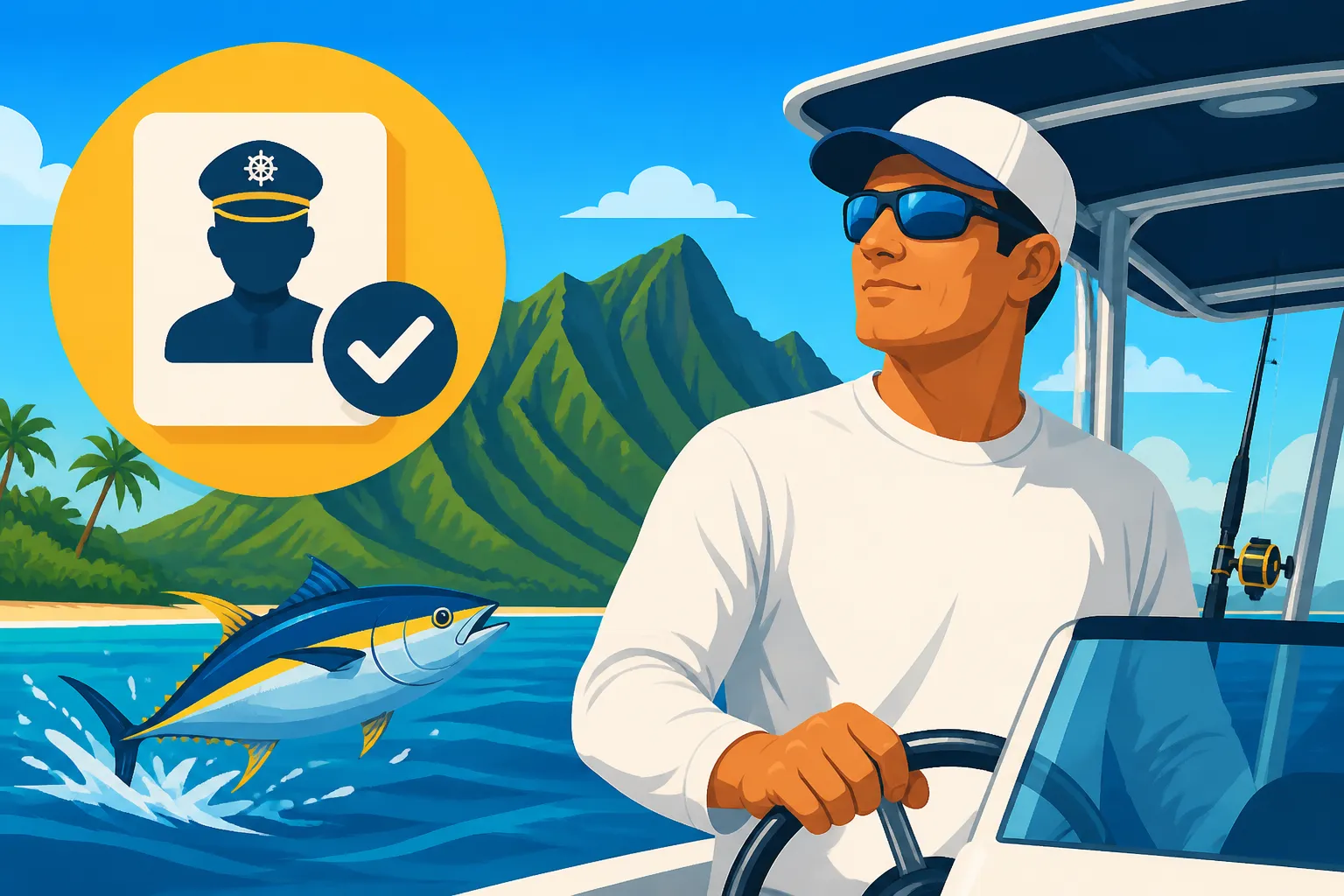
When you step aboard a fishing charter in Hawaii, or anywhere in U.S. waters for that matter, the most crucial credential your captain holds is a license issued by the United States Coast Guard (USCG). This isn't just a suggestion; it's a federal mandate designed to ensure the safety and professionalism of anyone operating a vessel for hire. Think of it like a pilot's license for the ocean – it means the person at the helm has undergone extensive training, passed rigorous exams, and proven their competence.
Why Federal Licensing is Paramount
Federal licensing isn't about bureaucracy; it's fundamentally about passenger safety, legal compliance, and building trust. These licenses are not just handed out; they require thousands of hours of documented sea time, comprehensive physical examinations, drug tests, and successful completion of challenging written and practical exams. This rigorous process ensures that your captain understands navigation, seamanship, emergency procedures, safety equipment, and maritime law. Without a proper USCG license, a captain is operating illegally, and should anything go wrong, you, as a passenger, could be left without critical protections. It's the baseline assurance that the person guiding your fishing adventure knows how to handle not just a rod and reel, but also the complexities of the open ocean and any unexpected situations that might arise. This commitment to safety is why reputable platforms like FishingBooker vet their captains for these essential credentials.
The OUPV/Six-Pack License: A Common Starting Point
For many smaller fishing charters in Hawaii, especially those focusing on inshore trips or private parties, the "OUPV/Six-Pack" license is the most common USCG credential you'll encounter. OUPV stands for "Operator of Uninspected Passenger Vessels." The "six-pack" designation is key: it limits the captain to carrying no more than six paying passengers on an "uninspected" vessel. "Uninspected" doesn't mean unsafe; it just means the vessel isn't subject to the stricter construction and equipment requirements of larger, inspected passenger vessels.
Captains holding this license are typically restricted to operating vessels of a certain gross tonnage, often less than 100 tons. The OUPV license also has different endorsements based on the waters they are authorized to operate in, such as "Near Coastal" (up to 100 miles offshore) or "Inland" (bays, sounds, and rivers). Given Hawaii's vast ocean environment, most OUPV captains running fishing charters will hold a "Near Coastal" endorsement to take you to those prime offshore fishing grounds. It's a fantastic license for many types of trips, from reef fishing for a mixed bag to chasing mahi-mahi a few miles offshore.
Master Licenses: For Larger Vessels and More Passengers
While the OUPV license is perfect for many operations, some Hawaii fishing charters, particularly the larger sportfishing boats you see departing from harbors like Honokohau Harbor on the Big Island or Kewalo Basin on Oahu, will have captains holding a Master license. A Master license is required for captains operating "inspected" vessels or those carrying more than six paying passengers. These licenses come in various tonnage ratings, such as Master 25-ton, 50-ton, 100-ton, and so on, indicating the maximum size of the vessel the captain is authorized to command.
The training and sea time requirements for a Master license are even more extensive than for an OUPV. A captain with a Master license has demonstrated a higher level of competency in vessel management, navigation, and emergency response, reflecting the increased responsibility of overseeing a larger operation or more passengers. They might also hold specialized endorsements, such as "Auxiliary Sail" for sailing vessels or "Commercial Assistance Towing" if they offer tow services. If you're booking a larger shared charter with more than six people, or a luxurious sportfishing yacht, you can expect your captain to hold a Master-level USCG credential.
State-Level Requirements: Hawaii's Role in Licensing
While the USCG handles the federal licensing for captains, the State of Hawaii also has its own set of rules and permits that charter operations must adhere to. These state-level requirements often focus on business operations, environmental protection, and the commercial use of Hawaii's natural resources. It’s a common misconception that once you have a USCG license, you’re good to go. In Hawaii, there are several layers to navigate.
State Business Licenses and Permits
Beyond the federal captain's license, any fishing charter operating in Hawaii must be a properly registered business within the state. This means obtaining a Hawaii General Excise Tax (GET) license, registering the business with the Department of Commerce and Consumer Affairs (DCCA), and potentially acquiring specific county business permits depending on where they operate. For instance, a charter based out of Lahaina Harbor on Maui might have different local requirements than one in Hilo Bay on the Big Island.
Furthermore, many commercial operators, including fishing charters, need specific permits from the Hawaii Department of Land and Natural Resources (DLNR), Division of Boating and Ocean Recreation (DOBOR), or Division of Aquatic Resources (DAR). These permits often cover the commercial use of state-managed harbors, ramps, or specific ocean areas. These are not about the captain's individual skill, but rather the business's legal right to operate in Hawaii's unique environment.
Hawaii's Commercial Marine License CML – When is it Needed?
This is where things can get a little tricky and often misunderstood. The Hawaii Commercial Marine License (CML) is primarily designed for individuals or businesses that are catching and selling marine life. If a charter captain and their crew are simply taking recreational anglers out to catch fish that the anglers then keep for personal consumption, a CML for the captain might not be strictly necessary, assuming the passengers have their own required recreational fishing licenses (if applicable). You might be wondering, Do You Need Your Own Fishing License for a Hawaii Charter? and the answer depends on the type of fishing.
However, if the charter operation sells any of the catch (e.g., the captain keeps "their share" of the tuna and sells it to a local restaurant), or if they are offering specific commercial fishing services where the primary intent is to harvest and sell, then the captain or the vessel operating commercially would absolutely need a CML. This license involves reporting catch data to the state and adhering to specific commercial fishing regulations, which can differ significantly from recreational rules, including Hawaii Pelagic Species Bag Limits and Hawaii Bag and Size Limits by Species. It's crucial for anglers to understand the nature of their trip – purely recreational, or one where some catch might be sold – as it impacts the licensing requirements of the captain and the vessel.
Other State and Local Permits
Hawaii's unique ecosystem and popular visitor destinations mean there are often additional layers of permits. For example, operating within or even transiting through certain designated areas like Hawaii Marine Life Conservation Districts, Explained (MLCDs) or specific Fish Replenishment Areas might require special authorization or prohibit certain activities altogether. While fishing within MLCDs is generally prohibited, captains must be aware of their boundaries and rules.
County-level permits can also come into play, especially for operators utilizing public beach access points, specific boat launches, or operating in congested visitor areas. These permits help manage traffic, environmental impact, and public access. A truly compliant Hawaii charter captain navigates this complex web of federal, state, and local regulations to ensure a seamless and legal operation.
Understanding Insurance and Safety Certifications
Beyond the formal licenses and permits, there are crucial components that ensure a Hawaii fishing charter operates safely and responsibly. While not "licenses" in the traditional sense, marine insurance and specific safety certifications are non-negotiable for any reputable captain. These elements are integral to protecting both the passengers and the business itself, providing a safety net in case of unforeseen circumstances.
The Importance of Marine Insurance
Any legitimate Hawaii fishing charter captain will carry robust marine insurance. This isn't just a suggestion; it's a critical financial safeguard. The primary types of insurance include liability insurance, which covers potential injuries to passengers or damage to their property, and hull insurance, which protects the vessel itself. Many captains also carry Protection and Indemnity (P&I) insurance, a specialized form of marine liability coverage that addresses a broader range of risks, including pollution, cargo damage, and crew injuries.
Imagine a scenario where a passenger slips on a wet deck and breaks an ankle, or an unforeseen mechanical failure causes significant damage to another vessel. Without proper insurance, the financial burden could be catastrophic for both the captain and potentially the injured parties. Reputable charter companies understand this and invest heavily in comprehensive coverage, which is one of the many reasons why choosing a professional, licensed operator is so vital. It’s part of the peace of mind you're paying for when you book a trip.
First Aid and CPR Certifications
For any USCG licensed captain, current First Aid and Cardiopulmonary Resuscitation (CPR) certifications are mandatory. These aren't just boxes to check; they are life-saving skills. Out on the open ocean, especially far from shore, professional medical help isn't just a phone call away. A sudden illness, an injury from a hook or a fish, or even a more serious medical emergency requires immediate and competent response from the captain and crew.
Captains are trained to assess situations, administer basic medical care, and stabilize a patient until professional help can be reached. This preparedness is absolutely essential, and the USCG ensures that all licensed captains maintain these critical certifications. When you step on board, you can trust that your captain is not only skilled at finding fish but also equipped to handle potential medical emergencies.
Vessel Safety Examinations
All passenger-carrying vessels in Hawaii, especially those operating under a USCG license, are subject to regular and thorough safety examinations. These inspections are conducted by the U.S. Coast Guard and focus on ensuring the vessel meets stringent safety standards. Inspectors check everything from the structural integrity of the hull to the functionality of navigation lights, communication equipment (like VHF radios), and emergency gear.
Key items inspected include the number and condition of life jackets for all passengers and crew (including specific requirements for children, as detailed in Life Jacket Requirements for Hawaii Boaters), fire extinguishers, visual distress signals (flares), sound-producing devices, and proper ventilation for fuel tanks. For "inspected" vessels (those requiring a Master's license), these examinations are even more comprehensive and regular. These exams are a vital layer of protection, verifying that the vessel itself is seaworthy and equipped to handle the demands of ocean travel.
The Licensing Process: A Captain's Journey
Becoming a licensed Hawaii fishing charter captain is far from a simple task; it’s a demanding journey that requires significant dedication, time, and financial investment. It's not something someone just decides to do on a whim. The process is designed to ensure that only truly qualified individuals are entrusted with the safety of passengers and the operation of commercial vessels.
Steps to Obtain a USCG License
The path to a USCG captain's license typically involves several key steps. First, aspiring captains must accrue a substantial amount of documented sea time. For an OUPV license, this usually means 360 days of experience on the water, with at least 90 of those days in the last three years. This sea time must be verified and signed off by the vessel's captain. Next, applicants must undergo a comprehensive physical examination and pass a drug test, ensuring they are medically fit and drug-free.
After meeting the sea time and medical requirements, candidates must either complete a USCG-approved training course (which covers navigation, rules of the road, safety, and seamanship) or self-study and then pass a series of challenging written exams administered by the USCG. The exams cover everything from chart plotting and aids to navigation to emergency procedures and maritime law. Finally, a thorough background check is conducted, and once all requirements are met, the license is issued. It's a testament to their commitment to the profession and to safety.
Maintaining and Renewing Licenses
Obtaining the license is just the first hurdle; maintaining it requires ongoing effort. USCG licenses typically need to be renewed every five years. The renewal process isn't just a rubber stamp; it often requires the captain to prove continued sea time, undergo another physical examination and drug test, and potentially complete refresher courses, especially if there have been significant changes in regulations or safety protocols.
This continuous cycle ensures that captains remain current with best practices, maintain their physical and mental fitness, and stay informed about any updates in maritime law. It's an ongoing commitment to professionalism and safety that underscores the gravity of their role. When you consider booking a trip, platforms like FishingBooker highlight that their listed captains are properly licensed and ready to provide a safe, enjoyable adventure.
Why This Matters to You, the Angler
For those of us dreaming of reeling in a magnificent ahi or battling a powerful ulua off the coast of Hawaii, understanding a charter captain's licensing might seem like a secondary concern. But let me tell you, as someone who loves the ocean, it's absolutely paramount. It’s not just about dotting i's and crossing t's; it’s about your safety, the legality of your trip, and ultimately, the quality of your entire experience.
Ensuring Your Safety and a Legal Trip
When you choose a licensed Hawaii charter captain, you're not just picking someone with a boat; you're entrusting your life and well-being to a vetted professional. That USCG license signifies that your captain has proven their competence in navigation, safety procedures, first aid, and emergency response. This dramatically reduces the risks associated with being out on the open ocean. Imagine a sudden squall, an unexpected medical emergency, or even just a tricky situation at the dock – a licensed captain is trained to handle these scenarios calmly and effectively.
Furthermore, an unlicensed charter operation is illegal. This can have serious repercussions for you as a passenger. If an accident were to occur, insurance coverage might be void, leaving you without recourse for medical expenses or other damages. It's simply not worth the risk, no matter how good a "deal" an unlicensed operator might offer. Sticking with licensed professionals ensures that your adventure is not only thrilling but also fully compliant with maritime law, giving you immense peace of mind. For more on what to expect, check out What to Expect on a Hawaii Fishing Charter.
How to Verify a Captain's Credentials
It's perfectly acceptable, and frankly, smart, to ask your potential charter captain for proof of their credentials. A reputable captain will be proud to show you their USCG license, which should be prominently displayed or readily available. You can also look for their Merchant Mariner Credential (MMC) document. When you're searching for charters, platforms like FishingBooker often include captain profiles that list their licenses and years of experience, making it easier to confirm their legitimacy upfront.
Another good indicator is the vessel itself. Does it look well-maintained? Does it have all the required safety equipment like enough life jackets, flares, and a VHF radio, as covered in Hawaii Boating Laws for Anglers? These details, along with positive reviews from other anglers, are strong indicators of a professional and compliant operation. Don't be shy about doing your homework; it's an important step in choosing the Best Fishing Charters in Hawaii.
The Impact on Your Fishing Experience
Beyond safety and legality, choosing a properly licensed captain generally translates into a superior fishing experience. Licensed captains are often more knowledgeable about local fishing regulations, such as Hawaii Uhu (Parrotfish) Size and Bag Limits or Hawaii Moi Closed Season, Explained, and they stay current with changes. They understand the nuances of specific fishing areas and techniques, knowing when and where to find the target species. This expertise directly contributes to your success and enjoyment on the water.
They also tend to be more professional in their operations, from scheduling and communication to maintaining their boats and equipment, which includes What Gear a Hawaii Charter Provides. When you book through established platforms like FishingBooker, you're benefiting from a network of vetted professionals committed to providing excellent service. Ultimately, a licensed captain offers not just a ride on a boat, but a guided, safe, and expertly planned fishing adventure that respects both the ocean and its regulations.
| License Type | Max Passengers | Vessel Type | Typical Tonnage | Operating Area (Endorsement) | Key Requirement Highlight |
|---|---|---|---|---|---|
| OUPV/Six-Pack | 6 | Uninspected | <100 Tons | Near Coastal / Inland | Documented Sea Time |
| Master (e.g., 25-ton) | >6 (Inspected) | Inspected / Uninspected | 25 Tons | Near Coastal / Inland | More Extensive Sea Time |
| Master (e.g., 100-ton) | >6 (Inspected) | Inspected / Uninspected | 100 Tons | Near Coastal / Inland | Advanced Training |
Disclaimer
This article is for general informational purposes only and does not constitute professional advice. Laws, prices and regulations vary by location and change over time. Consult a qualified professional for guidance on your specific situation.