Best guide services for Oahu’s bonefish flats
One of the most thrilling experiences an angler can chase in Hawaii is sight fishing for bonefish on the shallow flats of Oahu. But let's be real, these "ghosts of the flats" are notorious for being incredibly spooky and challenging to catch, making the dream feel out of reach for many. That's where a seasoned guide truly becomes your secret weapon, turning potential frustration into an unforgettable triumph. This comprehensive guide will walk you through everything you need to know about finding and securing the best guide services for Oahu's bonefish flats, ensuring your pursuit of the elusive oio is as successful and enjoyable as possible.
Why Oahu's Bonefish Flats Are a Must-Fish Destination
There's something uniquely special about bonefishing on Oahu. Unlike many other famous bonefish destinations, Hawaii's flats offer a blend of stunning volcanic backdrops, vibrant reef ecosystems, and a bonefish population that can grow to truly impressive sizes. It’s not just about catching fish; it’s about immersing yourself in the island's natural beauty and the subtle, exciting dance of stalking a fish that can vanish in a blink.
The Elusive "Ghost of the Flats"
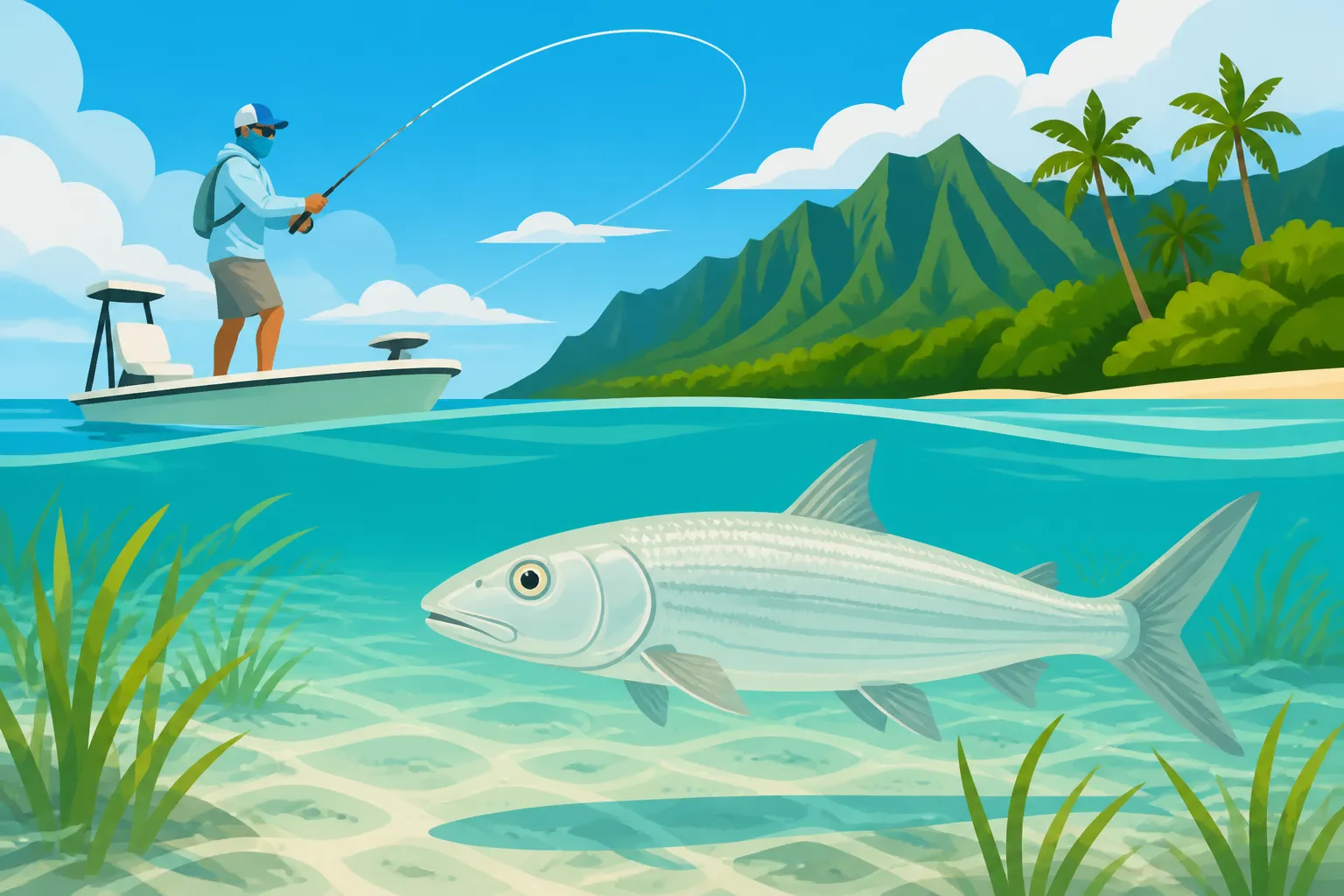
The local name for bonefish in Hawaii is oio, and it couldn't be more fitting. These fish are masters of camouflage, blending seamlessly with the sandy bottoms and coral rubble of the shallow flats. Their incredible speed and keen eyesight make them a formidable opponent, even for experienced anglers. You might spend hours slowly poling across the flats, eyes strained, only to spot a tail waving in the distance for a split second before it disappears. This challenge is precisely what draws so many to the sport. The sheer elation of finally hooking into one, feeling that first blistering run, is unparalleled. It’s a true test of skill, patience, and observation, pushing you to refine your technique and truly understand the environment. You can learn more about these incredible fish in our Bonefish (Oio) in Hawaii article.
Unique Challenges and Rewards of Oahu Bonefishing
Oahu's flats present their own specific set of challenges. The water can be incredibly clear, meaning the fish see you long before you see them if you're not careful. Tides play a crucial role, determining when and where bonefish will feed, often dictating the best times to fish certain areas. Strong trade winds can make casting, especially with a fly rod, a real exercise in frustration. However, these challenges make the rewards even sweeter. Landing a Hawaiian bonefish, often much larger than those found in other parts of the world, feels like earning a badge of honor.
Imagine a calm morning, the sun just kissing the Koolau mountains, as your guide silently poles the skiff through inches of crystal-clear water. Suddenly, they whisper, "Oio, eleven o'clock, fifty feet, tailing!" Your heart races, you make the cast, and watch as your fly or lure lands perfectly. The bonefish turns, inhales, and then the reel screams as it peels off line at an astonishing speed. It's these moments of pure exhilaration that define the Oahu bonefishing experience. Learning to read the subtle movements of the water, the way the light plays on the bottom, and the tell-tale signs of a feeding fish becomes a primal skill. For those interested in mastering the craft, our guide on Best Bonefishing Techniques for Oahu Flats offers valuable insights.
What Makes an Exceptional Bonefish Guide on Oahu?
Choosing the right guide is not just about finding someone with a boat; it's about finding a true expert who can unlock the secrets of the flats for you. An exceptional bonefish guide is a combination of teacher, tracker, navigator, and psychologist, all rolled into one. They don't just put you on fish; they teach you how to see the fish, how to cast to them, and how to fight them effectively.
Deep Local Knowledge and Reading the Water
The best bonefish guides on Oahu are essentially living tide charts and fish encyclopedias. They understand the nuances of every flat, every channel, and every coral head. They know how the bonefish react to different tides, winds, and sun angles. This deep, intimate knowledge of the local ecosystem is honed over years, even decades, of being on the water. They can read the subtle ripples of a moving fish, differentiate between a coral head and a feeding oio, and predict where the fish will be based on the conditions.
For example, a top guide might know that on a falling tide, the bonefish tend to move off the shallowest flats into deeper channels where they feel safer, or that a specific flat around Keehi Lagoon Bonefishing produces better on a high incoming tide due to its unique structure. This isn't information you can get from a map; it comes from countless hours of observation and experience. Their ability to "read the water" – identifying subtle changes in color, current, or bottom structure – is paramount to putting you in a position to cast to fish.
Patience, Instruction, and Safety First
Bonefishing can be tough, and even the most seasoned anglers have frustrating days. An exceptional guide will possess immense patience, understanding that not every cast will be perfect and not every fish will bite. They are excellent instructors, offering calm, constructive feedback on your casting, presentation, and retrieve without making you feel inadequate. They celebrate your successes, no matter how small, and encourage you through the inevitable misses.
Beyond the fishing itself, safety is always their top priority. They'll ensure you're aware of any hazards, like sharp coral or strong currents, and provide a secure and comfortable experience on the boat or while wading. This includes having all necessary safety equipment, knowing local emergency procedures, and constantly monitoring weather conditions. This professionalism allows you to relax and focus on the fishing, knowing you're in capable hands.
The Right Gear and Boat for the Flats
A specialized skiff designed for shallow water is often a hallmark of a serious bonefish guide. These boats allow them to access skinny water where bonefish feed, getting you into prime positions without spooking the fish. Look for guides whose boats are well-maintained, clean, and equipped with a poling platform for optimal visibility.
Equally important is the quality of their fishing gear. While you might bring your own favorite rod and reel, a good guide will provide high-quality fly rods and spin gear, properly spooled with appropriate lines and leaders. They'll have a selection of flies and lures proven to work on Oahu's bonefish, tied or chosen with precision. This ensures you're equipped with the best tools for the job, tailored to the specific conditions and fish behavior of the day. A guide who provides excellent equipment demonstrates their commitment to your success and comfort.
Types of Bonefish Guide Services Available on Oahu
Just like there are different ways to fish, there are different types of bonefish guide services on Oahu, each catering to a slightly different preference or skill level. Understanding these options will help you choose the experience that's perfect for you.
Fly Fishing vs. Spin Fishing Specialists
Bonefishing is most famously done with a fly rod, often considered the ultimate challenge due to the delicate presentation required. Many guides specialize in fly fishing, expertly teaching you how to sight cast to moving targets, read the subtle takes, and fight powerful fish on light tackle. They'll know the Best Fly Patterns for Oahu Bonefish and how to present them.
However, fly fishing isn't for everyone, and Oahu's bonefish can certainly be caught on spin gear. Some guides cater specifically to spin anglers, using light spinning rods, small jigs, or soft plastics that imitate shrimp and crabs. This can be a fantastic option for beginners, those looking for a more relaxed approach, or anglers who simply prefer spin tackle. A good guide will assess your skill level and preferences and match the technique to ensure you have the best chance of success. It's crucial to be upfront about your preferred method when booking.
Walk-and-Wade vs. Skiff-Based Trips
The classic bonefishing experience often involves silently poling a shallow-draft skiff across vast flats. This allows the guide to cover more ground, spot fish from a higher vantage point on the poling platform, and get you into casting range quickly. Skiff-based trips are often ideal for covering larger areas and targeting more schools of fish. They also allow for quicker repositioning if fish are spooked or if the tide shifts.
However, some flats are better accessed by foot. A walk-and-wade trip involves the guide dropping you off at a strategic location, or carefully poling into an area, and then getting out of the boat to stalk fish on foot. This can be incredibly rewarding, offering a more intimate connection with the environment. It requires good balance, comfortable wading boots, and the ability to cast accurately while standing in water. Both options offer incredible opportunities, and some guides offer a combination, using the skiff to reach prime wading areas. For some of Oahu's top spots, like Sand Island Bonefishing, both methods can be effective depending on the specific area and conditions.
Group Size and Trip Customization
Most bonefish guides on Oahu operate with small groups, often one or two anglers per boat. This intimate setting allows for personalized instruction and maximizes your chances of success. A one-on-one trip with a guide means undivided attention, tailored coaching, and the flexibility to adjust plans on the fly based on conditions or your energy levels.
If you're planning a trip with a friend or family member, a two-person trip can be a great option, allowing you to share the experience. Some guides might offer specific packages, such as half-day or full-day trips, or even multi-day excursions for the truly dedicated. Don't hesitate to ask about customizing your trip, whether it's focusing purely on fly fishing, combining it with some light tackle reef fishing, or targeting a specific area. Many guides are happy to work with you to create your ideal fishing adventure. Our article on Best Guided Bonefishing Trips on Oahu provides more details on what to expect from these services.
How to Find and Book the Best Bonefish Guide on Oahu
Finding the right guide for your Oahu bonefish adventure is key to a successful trip. It requires a bit of research and clear communication, but the effort is well worth it for the unforgettable experience that awaits.
Researching Reputable Guides and Reviews
The first step is always research. Look for guides who have a strong reputation for bonefishing on Oahu. Online platforms can be incredibly useful for this. For instance, websites like FishingBooker often list numerous guides operating out of Oahu, complete with detailed profiles, customer reviews, and photos of their catches. Reading through these reviews can give you a real sense of a guide's personality, their teaching style, and their success rate. Pay attention to comments about patience, instructional quality, and local knowledge.
Word-of-mouth recommendations are also golden. If you know anyone who has fished Oahu's flats, ask them about their experiences and who they recommend. Local tackle shops on Oahu can also be a fantastic resource; the staff often know the local guides personally and can offer unbiased advice. Once you've narrowed down a few potential guides, visit their individual websites or social media pages to get a better feel for their operations. Look for consistency in their offerings, clear contact information, and evidence of client satisfaction.
Asking the Right Questions Before You Book
Before you commit to a booking, it's essential to have a conversation with your prospective guide. This is your chance to ask all your questions and ensure they're a good fit for your expectations. Here are some key questions to consider:
- What is your philosophy on guiding? (e.g., teaching vs. just putting you on fish)
- Do you specialize in fly fishing or spin fishing for bonefish?
- What kind of boat do you use, and what areas do you typically fish? (e.g., Keehi Lagoon Bonefishing, Sand Island Bonefishing)
- What's included in the trip price? (e.g., gear, bait/flies, water, snacks)
- What should I bring? (e.g., sunscreen, hat, polarized sunglasses, appropriate clothing)
- What's your cancellation policy, especially for weather?
- Are fishing licenses required for guests, or are they covered? (Typically, for charter trips, you are covered under the boat's license, but it's always good to confirm. See Do You Need a Fishing License in Hawaii for general info.)
- What's the typical size of bonefish you encounter?
A good guide will be happy to answer all these questions thoroughly and professionally. Their responses will give you a clear picture of what to expect and help you make an informed decision. Remember, booking through a platform like FishingBooker often streamlines this process, providing many of these details upfront and offering a secure booking system.
Preparing for Your Day on the Flats
Once you've booked your guide, preparation is key to maximizing your enjoyment and success. Your guide will likely provide a list of recommended items, but here are some general essentials:
- Polarized Sunglasses: Absolutely critical for spotting fish in shallow water. You won't see much without them.
- Sun Protection: The Hawaiian sun is intense. Bring a wide-brimmed hat, long-sleeved UPF clothing, neck gaiter, and plenty of reef-safe sunscreen.
- Appropriate Footwear: If you plan to wade, sturdy wading boots or reef shoes are a must to protect against sharp coral and lava rock.
- Light Rain Gear: Hawaiian weather can be unpredictable, with passing showers common.
- Snacks and Hydration: While some guides provide water, bringing extra ensures you stay comfortable throughout the day.
- Camera: To capture those unforgettable moments, but ensure it's protected from water and salt.
- Gratuity: It’s customary to tip your guide for their hard work and expertise. Our article on Tipping Etiquette for Hawaii Fishing Charters provides helpful guidelines.
Remember to communicate any physical limitations or specific requests with your guide beforehand. Being well-prepared allows you to fully immerse yourself in the experience and focus on the thrill of the chase. Booking your guide, perhaps through a reliable platform like FishingBooker, and then following their specific advice on gear and timing for the Best Time to Fish for Bonefish on the Flats will set you up for success.
Disclaimer
This article is for general informational purposes only and does not constitute professional advice. Laws, prices and regulations vary by location and change over time. Consult a qualified professional for guidance on your specific situation.