Best charters for high-speed trolling lures
There's nothing quite like the electrifying feeling of a reel screaming as a powerful pelagic fish, hooked on a high-speed trolled lure, tears across the Hawaiian deep. But finding the right charter that truly excels in the fast-paced, adrenaline-pumping world of high-speed lure trolling in Hawaii can feel like a search for a needle in a very large, blue haystack. This guide is here to help you cut through the noise, understand what makes these trips unique, and connect you with the best charters for chasing those elusive, fast-swimming predators.
Understanding High-Speed Trolling for Lures in Hawaii
High-speed trolling isn't your average leisurely cruise with lines in the water. It's an aggressive, precision-driven technique designed to provoke strikes from some of the ocean's fastest and most powerful inhabitants. If you've ever felt frustrated by slower trolling methods not producing the results you're after, or if you're just looking for an intense angling experience, this approach might be exactly what you need.
What Makes High-Speed Trolling Different?
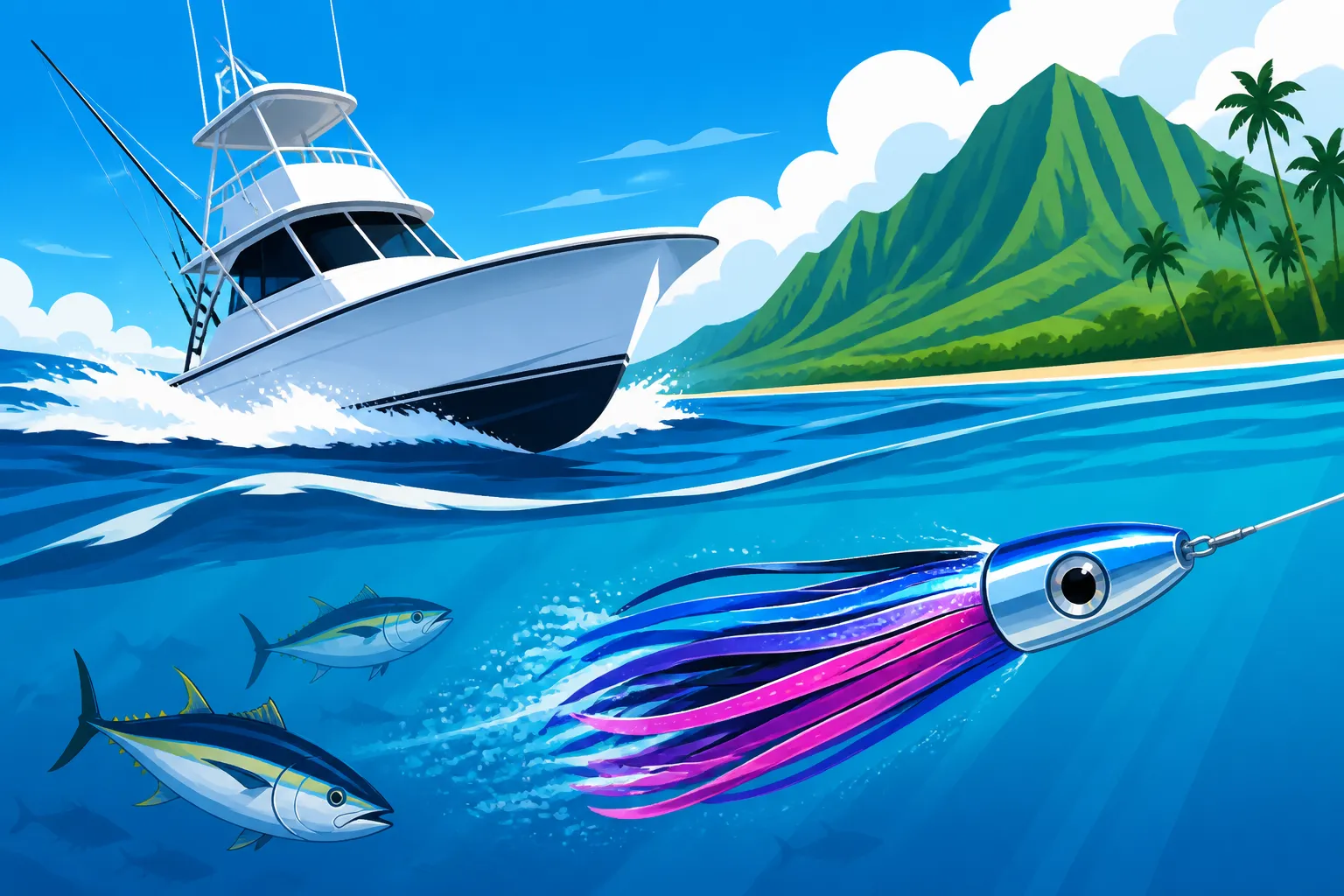
Think of high-speed trolling as the drag racing of fishing. Instead of creeping along at 6-9 knots, boats specializing in this method often zoom across the water at speeds ranging from 10 to a blistering 20+ knots. This isn't just about getting from point A to point B faster; it's about mimicking the frantic escape of baitfish or the predatory pursuit of larger pelagics, triggering an aggressive reaction strike. The lures used are specifically designed to withstand these speeds without blowing out of the water – we're talking heavy, weighted jet heads, bullet heads, and chuggers that create massive disturbances in the wake, demanding attention from any fish in the vicinity. The tackle needs to be equally robust, built to handle the immense force of a strike at speed and the subsequent fight.
Why High-Speed Trolling in Hawaii?
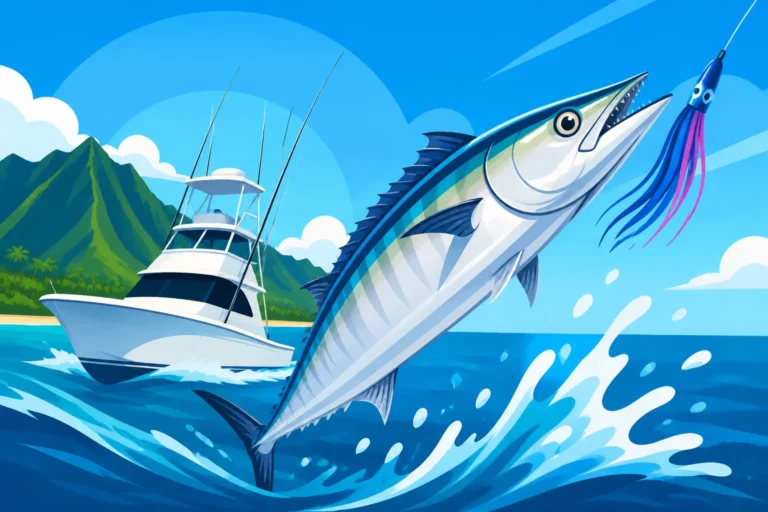
Hawaii's unique geography makes it a prime location for high-speed trolling. Unlike many other fishing destinations, the deep-water canyons and ledges that pelagic species call home are often found incredibly close to shore. This means less travel time and more fishing time in productive waters where fish like Ono (Wahoo), Ahi (Yellowfin Tuna), and even various species of marlin and spearfish are abundant. The technique is particularly effective for targeting the lightning-fast Ono, which are notorious for ambushing prey at high speeds. The visual spectacle of a lure skipping and dancing just above the surface, followed by an explosive strike that nearly rips the rod from your hands, is an experience that truly sets Hawaiian high-speed trolling apart. It's a testament to the raw power of these ocean predators and the skill of the captains who put you on them.
The Right Lures and Tackle for Speed
You can't just throw any old lure behind a boat doing 15 knots and expect it to work. High-speed trolling demands a very specific arsenal of lures and heavy-duty tackle built for extreme conditions. Lures typically include bullet heads, jet heads, and chuggers, often weighing several ounces, sometimes even pounds, to help them track straight and stay in the water at speed. These lures are often brightly colored, featuring reflective skirts or hard bodies that create a dazzling, irresistible flash.
For tackle, think stout rods with heavy actions, matched with large conventional reels capable of holding hundreds of yards of heavy monofilament or braided line. The drag systems on these reels must be incredibly smooth and powerful to handle the initial shock of a high-speed strike and the subsequent blistering runs. Leaders are crucial too – heavy fluorocarbon or wire leaders are often used to prevent abrasion from sharp teeth, especially when targeting Ono. A well-rigged spread will have lures positioned strategically in the boat's wake, each creating its own unique disturbance, designed to entice a predator lurking below. It's a highly specialized setup, which is why choosing a charter that really understands it is paramount. If you're keen to learn more about specific techniques, you might want to look into How to Catch Ono on the Troll or Best Trolling Techniques for Hawaii Pelagics.
Key Characteristics of a Great High-Speed Trolling Charter
So, you're convinced: high-speed trolling is your next fishing adventure. Now, how do you sort through the many charter options to find the one that delivers? It's not just about the boat; it's about the entire operation, from the vessel's capabilities to the crew's expertise.
Specialized Equipment and Boat Design
A genuine high-speed trolling charter isn't running an old, slow cruiser. Their boats are typically modern, well-maintained sportfishing vessels, often in the 30-60 foot range, equipped with powerful, reliable engines that can maintain high speeds for extended periods. Look for features like strong outriggers for spreading lures wide, specialized rod holders built to withstand intense pressure, and an open cockpit design that allows for quick movement and efficient fish fighting. Modern electronics are also key – powerful sonar and radar systems help captains identify baitfish schools, locate deep ledges where predators lurk, and navigate safely at speed, even in less than ideal conditions. A boat specifically designed and outfitted for this kind of fishing will give you a significant advantage.
Experienced Captains and Crew
This is perhaps the most critical factor. High-speed trolling is an art form that requires immense skill and intuition. An experienced captain doesn't just drive fast; they understand current lines, subtle changes in water color, temperature breaks, and baitfish patterns. They know where to run high speed, when to adjust speed, and how to set a lure spread that maximizes strikes. The crew is equally vital, especially when that strike finally comes. They need to be lightning-fast at clearing other lines, assisting with the fight, and ensuring everyone's safety during the controlled chaos of landing a fast-moving, powerful fish. A veteran crew will often have specific techniques for targeting particular species, like how to best present a lure for Ono or what depth to target for Ahi. This kind of nuanced knowledge only comes with years of dedicated experience on Hawaiian waters.
Understanding Target Species and Seasons
While you might pick up a variety of fish while high-speed trolling, the technique is primarily aimed at specific, fast-moving pelagics. Ono (Wahoo) are perhaps the quintessential high-speed trolling target due to their incredible speed and aggressive nature. Ahi (Yellowfin Tuna) can also be caught this way, especially when they are actively feeding on fast-moving bait. Spearfish, while less common, are also known to strike high-speed lures. A top-tier high-speed charter will have a deep understanding of these species' behaviors, migration patterns, and preferred habitats. They'll know the peak seasons for each – for instance, certain times of the year might be better for Ono (Wahoo) Fishing in Hawaii, while others are ideal for Ahi (Yellowfin Tuna) Fishing in Hawaii. Knowing the Hawaii Fishing Seasons by Month will help you align your trip with the best chances for your desired catch.
Finding and Booking Your High-Speed Trolling Adventure
Now that you know what to look for, the next step is actually finding that perfect charter. It requires a bit of research and asking the right questions, but it's well worth the effort to ensure you have an unforgettable trip.
Researching Charters with a Focus on High-Speed Trolling
Start your search by looking for charters that explicitly mention "high-speed trolling," "Ono fishing," or "Wahoo trips" in their descriptions. Many general charters might troll, but fewer truly specialize in the high-speed method. Online platforms and charter booking sites are excellent resources for this. For example, you can often filter and read detailed descriptions of boats and their specialties on sites like FishingBooker. Pay close attention to the photos – do you see big, sleek sportfishing boats with proper outriggers? Do their catch photos feature Ono and Ahi, commonly targeted with this method? Reading reviews is also crucial; look for comments from past clients mentioning the speed of the boat, the aggressiveness of the bite, or the captain's expertise in chasing fast fish. Don't be afraid to delve into specific forums or local fishing communities for recommendations.
Questions to Ask Before Booking
Once you've narrowed down your choices, get on the phone or send an email. Asking specific questions will help you gauge if a charter truly fits your high-speed trolling ambitions:
- What are your typical trolling speeds when targeting Ono or Ahi? (Look for answers in the 10-20 knot range).
- What kind of lures do you primarily use for high-speed trolling? (They should mention specific types like jet heads, bullet heads, or high-speed plugs).
- Do you have dedicated heavy-duty tackle for high-speed applications? (This ensures they have the right gear to withstand the strain).
- What species do you most commonly catch using this method? (They should emphasize Ono, Ahi, or Spearfish).
- What are your policies regarding catch-and-release versus keeping fish? (Important if you have a preference).
- How far out do you typically run for these trips? (To understand the trip's duration in productive waters).
A good charter operator will be happy to answer these questions clearly and confidently, demonstrating their expertise in the technique.
Preparing for a High-Speed Trip
These trips can be intense, so a little preparation goes a long way. First and foremost, consider seasickness prevention. While many Hawaiian waters are relatively calm, especially on the leeward sides of the islands, high-speed travel can exacerbate motion sickness for some. Taking preventative medication before you board can make a huge difference. You'll also want to protect yourself from the powerful Hawaiian sun; hats, sunglasses, long-sleeved shirts, and plenty of reef-safe sunscreen are essential. Wear comfortable, non-slip shoes. Fighting a fish that hits a lure at 15 knots and then takes off on a blistering run is physically demanding. Be ready for a workout! Hydrate well before and during the trip. You might also want to review What to Bring on a Hawaii Fishing Charter and definitely check out Seasickness tips for a Hawaii fishing charter.
Top Spots and Charter Considerations for High-Speed Trolling
Hawaii offers incredible fishing across all its islands, but certain locations truly stand out for the high-speed trolling enthusiast. Knowing these prime spots and the general charter landscape will help you plan your ultimate trip.
Kona Coast – The Prime High-Speed Trolling Zone
Without a doubt, the Kona Coast of the Big Island is Hawaii's undisputed champion for offshore fishing, and that includes high-speed trolling. The deep-water drop-offs are literally right outside the harbor, meaning charters can be in prime fishing grounds within minutes of leaving. The protected leeward side of the island often provides calmer waters, allowing boats to maintain those critical high speeds comfortably. Kona is world-renowned for its marlin fishing, but it's equally fantastic for Ono and Ahi, which are frequently caught via high-speed lure presentations. Many charters operating out of Honokohau Harbor on the Kona Coast are highly specialized in pelagic trolling. If you're looking for the best chance at a high-speed trophy, the Kona Coast Fishing Guide will give you an excellent overview of the area.
Other Island Options
While Kona might be the epicenter, the other islands also offer fantastic opportunities for high-speed trolling, especially for Ono and Ahi.
- Maui: Charters out of Ma'alaea Harbor and Lahaina Harbor often target pelagics, and high-speed trolling can be a very effective technique here, particularly when Ono are running along the ledges. Maui Fishing Guide will give you more details on fishing in this area.
- Oahu: With charters departing from Kewalo Basin in Honolulu and other smaller harbors, Oahu also has strong pelagic fisheries. While less famous for "grander" marlin, the island produces excellent Ono and Ahi, often hitting high-speed lures. Oahu Fishing Guide is a great resource here.
- Kauai: The Garden Isle offers stunning scenery and productive waters for similar species, though perhaps with fewer dedicated high-speed specialists compared to Kona. However, skilled captains here certainly employ the technique when conditions are right.
No matter which island you choose, the key is to communicate your interest in high-speed trolling and confirm the charter's experience with that specific method.
Charter Types and Pricing Considerations
High-speed trolling charters typically fall into two main categories:
- Private Charters: This is where you book the entire boat for your group, giving you complete control over the fishing focus, departure times, and duration (within legal limits). This is often the preferred choice for dedicated high-speed anglers, as it allows the captain to focus entirely on your target species and technique. Private charters are an investment, but they offer the most personalized experience.
- Shared/Open-Party Charters: On these trips, you book a single spot on a boat with other individual anglers. While more budget-friendly, shared charters may not always prioritize high-speed trolling exclusively, as the captain needs to cater to the group's diverse interests. However, some shared trips do focus on specific techniques, so it's always worth asking.
When considering costs, remember that specialized charters using high-performance boats and gear, with experienced crews, will generally command higher rates. This is simply due to the investment in equipment, fuel, and expertise required. Always confirm what's included in the price – tackle, bait, licenses (though often covered by the charter's commercial license, it's good to confirm), and fish cleaning services. Don't forget to budget for a gratuity for the captain and crew, as it's customary for their hard work. For a general idea of what to expect, check out our Hawaii Fishing Charter Cost Guide.
Here's a quick comparison to help you weigh your options for selecting a high-speed trolling charter:
| Factor | What to Look For | Why It Matters |
|---|---|---|
| Boat & Equipment | Modern, powerful sportfisher, strong outriggers, heavy-duty tackle, good electronics | Ensures the boat can maintain speed, handle the strike, and locate fish effectively |
| Captain's Experience | Deep knowledge of local waters, current lines, fish behavior, high-speed techniques | Crucial for finding fish and setting the right lure spread for high-speed success |
| Crew Proficiency | Fast, efficient, skilled in lure changes, clearing lines, fish handling | Maximizes fishing time, ensures safety, and increases landing rates |
| Target Species Focus | Explicitly mentions Ono (Wahoo), Ahi (Yellowfin Tuna), Spearfish | Indicates they specialize in the fish most responsive to high-speed trolling |
| Communication | Openness to discussing high-speed techniques, lure types, and strategies | Shows they're genuinely focused on your desired fishing experience |
| Reviews & Reputation | Positive feedback from anglers specifically seeking fast-paced trolling | Verifies their claims and indicates consistent success with the method |
| Charter Type (Private) | Allows customization of trip, focus entirely on high-speed trolling | Best for dedicated high-speed anglers who want a tailored, intensive experience |
Remember, the goal is to find a charter that matches your enthusiasm for this exhilarating method of fishing. By prioritizing boats and crews that truly specialize in high-speed lure trolling, you'll put yourself in the best position for an unforgettable Hawaiian fishing adventure.
Disclaimer
This article is for general informational purposes only and does not constitute professional advice. Laws, prices and regulations vary by location and change over time. Consult a qualified professional for guidance on your specific situation.