Hawaii uhu ahuula closed season dates
Navigating Hawaii's fishing regulations can sometimes feel like trying to untangle a hundred-pound knot in the dark, especially when it comes to specific species with unique rules. One common area of confusion for both kama'aina and visitors alike centers around the various parrotfish, or uhu, and their specific harvest limitations. This comprehensive guide will shed light on the Hawaii uhu ahuula closed season dates, explain why these rules exist, and help you understand how to responsibly enjoy fishing for these vibrant reef dwellers without breaking the law.
Understanding the Uhu Ahuula Closed Season
For anyone looking to fish responsibly in Hawaii, knowing the closed seasons for certain species is absolutely non-negotiable. When it comes to the revered uhu, specifically the uhu 'ahu'ula (also commonly known as the redlip parrotfish, Scarus rubroviolaceus), there's a very clear period when harvesting is strictly prohibited. This is not a suggestion; it's a critical regulation designed to protect the species during its most vulnerable reproductive phase.
The Hawaii uhu ahuula closed season dates are March 1 to May 31, inclusive, each year. This means that during these three months, it is entirely illegal to take, possess, or sell any uhu 'ahu'ula. Whether you're a seasoned local fisherman casting from shore or a visitor enjoying a charter, this rule applies to everyone. The Department of Land and Natural Resources (DLNR) is quite serious about enforcing these closures, and ignorance of the law is never an acceptable defense if you're caught with this specific parrotfish during these months. It's a bummer, I know, when you've got your heart set on some fresh fish, but these regulations are put in place for a really good reason – to ensure there are fish for future generations to enjoy.
Why This Specific Parrotfish Has a Closed Season
You might wonder why uhu 'ahu'ula gets a special closed season when other types of uhu don't. The answer lies in their biology and the critical role they play in the reef ecosystem. The period from March through May is generally considered a significant spawning period for the uhu 'ahu'ula. During this time, the fish gather to reproduce, making them more susceptible to harvest. By closing the season during these crucial months, the DLNR aims to:
- Protect Spawning Stocks: Allowing the fish to reproduce undisturbed helps ensure that enough new fish are added to the population each year. It's like letting the chickens lay their eggs before you collect them.
- Support Population Recovery: Years of fishing pressure can impact fish populations. Seasonal closures give the species a chance to rebound and maintain healthy numbers, which ultimately benefits the entire reef system by ensuring these fish are available in the long run.
- Maintain Ecological Balance: Uhu are vital grazers on the coral reefs, helping to keep algae in check. A healthy uhu population means a healthier coral reef, which is good for everything from other marine life to tourism.
It's a delicate balance, and these specific rules reflect the best scientific understanding of how to manage these resources sustainably.
Identifying the Uhu Ahuula (Redlip Parrotfish)
This is where it can get tricky for many anglers. Hawaii is home to several species of parrotfish, and not all of them fall under the uhu 'ahu'ula closed season. The common name "uhu" is applied broadly to many species, but the uhu 'ahu'ula (redlip parrotfish, Scarus rubroviolaceus) has distinct characteristics, especially the adult terminal phase males, that give it its name.
The word "'ahu'ula" in Hawaiian refers to a feather cape or cloak, particularly a red-feathered one, which hints at the vibrant colors of this particular parrotfish. Here’s what to look for:
- Coloration: The most striking feature of the adult uhu 'ahu'ula is often its vibrant colors, particularly the prominent reddish or purplish lips and sometimes a reddish hue on the body, especially in the larger male phase. Females and initial phase males can be more variable, often mottled brown, red, or greenish. The terminal phase male is usually a striking green with scales edged in pink or red, and distinctive red or purplish lips that stand out.
- Body Shape: Like most parrotfish, they have a robust, somewhat elongated body.
- Size: They can grow to a decent size, often reaching up to 2 feet in length.
- Beak-like Mouth: All parrotfish have fused teeth that form a beak-like structure, used for scraping algae off rocks and coral.
Confusing uhu 'ahu'ula with other more common green or blue parrotfish species like the uhu uli (Scarus psittacus) or uhu palukaluka (Chlorurus sordidus) can lead to unintentional violations. If you're unsure, it's always best to err on the side of caution or release your catch. It’s worth investing in a good fish identification guide (many excellent ones are available on Amazon) to help you distinguish between species when you're out on the water. Knowing your fish species is as important as knowing your fishing techniques.
Other Essential Uhu Regulations Beyond the Closed Season
While the closed season is a critical aspect of uhu 'ahu'ula conservation, it's not the only regulation you need to be aware of. The Hawaii DLNR has a comprehensive set of rules designed to ensure sustainable harvest of all uhu species. These regulations often pertain to minimum and maximum size limits, daily bag limits, and legal methods of take. Understanding these additional rules is vital for anyone engaging in Hawaii fishing.
Uhu Size and Bag Limits
For uhu 'ahu'ula, once the closed season lifts, there are still strict limits on what you can keep. These limits are in place to allow fish to grow to a mature size where they've had a chance to reproduce at least once, and also to prevent overharvesting of larger, prime breeding individuals.
- Minimum Size Limit: For uhu 'ahu'ula, there is typically a minimum size limit of 12 inches fork length. Fork length is measured from the tip of the snout to the fork of the tail. This means any uhu 'ahu'ula smaller than 12 inches must be immediately released unharmed.
- Maximum Size Limit (Bag Limit Specific): While there isn't a strict maximum size limit like some other species, the bag limit rules effectively cap the number of large fish you can keep.
- Bag Limit: The daily bag limit for uhu 'ahu'ula is two fish per person per day. This is a combined limit with other uhu species, but specifically, you can only keep two uhu 'ahu'ula. The overall bag limit for all uhu species combined is ten fish per person per day. This means if you catch two legal uhu 'ahu'ula, you can still catch eight other uhu species, provided they meet their individual size limits.
These regulations are subject to change, so always double-check the latest information from the Hawaii DLNR before you head out. A quick printout of the current Hawaii Bag and Size Limits by Species can save you a lot of headache.
Legal Methods of Take for Uhu
The method you use to catch fish is also regulated. For uhu, general recreational fishing methods are allowed, but some specific restrictions apply, particularly concerning spearfishing.
- Hook-and-Line: This is the most common and generally accepted method for recreational uhu fishing. You can use various baits and lures to entice them.
- Spearfishing: While spearfishing is a popular method for many reef fish in Hawaii, there are specific nuances for uhu. In most areas, SCUBA spearfishing is banned for all uhu species. This means you must free-dive or breath-hold spearfish for uhu. If you plan to go Hawaii spearfishing, ensure you understand all the related regulations, including those for specific areas like Marine Life Conservation Districts. Spearfishing is often restricted or completely prohibited in certain Hawaii Marine Life Conservation Districts, Explained. Always know your location and the rules that apply there.
- Net Fishing: While net fishing is allowed for some species, there are specific Hawaii Net Fishing Restricted Areas and regulations concerning mesh sizes and methods that make it less common for recreational uhu take. It's generally best to avoid net fishing for uhu unless you are absolutely certain you are compliant with all local ordinances.
Understanding these different methods and their restrictions is crucial. The DLNR wants to ensure fair chase and prevent methods that could easily decimate fish populations, especially during sensitive times.
Here's a quick summary table of the key regulations for uhu 'ahu'ula:
| Regulation Type | Rule for Uhu 'Ahu'ula (Redlip Parrotfish) | Notes |
|---|---|---|
| Closed Season | March 1 – May 31 (Inclusive) | No taking, possessing, or selling during these dates. |
| Minimum Size | 12 inches Fork Length | Measure from snout to fork of tail. Release if smaller. |
| Daily Bag Limit | 2 fish per person per day | Part of a combined 10 uhu species limit, but only 2 of 'ahu'ula'. |
| Spearfishing | Breath-hold/Free-diving only | SCUBA spearfishing is banned for all uhu. |
| General Harvest | Hook-and-line, hand-catch (limited) | Follow all general Hawaii fishing regulations explained. |
Staying Informed and Compliant
The dynamic nature of fishing regulations means that staying informed isn't a one-time task; it's an ongoing responsibility. Regulations can change due to new scientific data, environmental concerns, or legislative action. The last thing you want is to have a fantastic day fishing only to find out you've inadvertently broken a rule.
Official Sources for Regulations
The absolute best and most reliable source for up-to-date Hawaii fishing regulations is the Hawaii Department of Land and Natural Resources (DLNR) Division of Aquatic Resources (DAR).
- DLNR Website: Their website (dlnr.hawaii.gov/dar) is the official repository for all current fishing rules, including season dates, bag limits, and size restrictions. They often have downloadable PDF brochures that summarize the rules for different areas and species. Learning to navigate and Reading the Hawaii DLNR Fishing Regulations on their site is a valuable skill for any angler.
- Local Offices: If you prefer a human touch or have specific questions, visiting a local DAR office on your island can be incredibly helpful. The staff are usually very knowledgeable and can clarify any ambiguities.
- License Vendors: When you purchase a fishing license, many vendors will offer summaries of the regulations. This is a good starting point, but always verify with the official DLNR sources, especially for nuanced species-specific rules.
It’s a good idea to bookmark the DLNR DAR website on your phone or, better yet, print out the most current regulations and keep them in a waterproof bag with your fishing gear. A small, durable dry bag, easily purchased on Amazon, can keep those crucial documents safe and sound.
The Importance of a Fishing License
While this article focuses on species-specific regulations, it's worth a friendly reminder about the overarching requirement: if you're fishing in Hawaii's freshwater or marine waters, you likely need a fishing license.
- Freshwater: A Hawaii Freshwater Fishing License and Rules is mandatory for anyone over the age of 15 engaging in freshwater fishing. This applies to places like the Wahiawa Reservoir.
- Marine (Ocean): Until recently, residents did not need a license for marine recreational fishing. However, new regulations have been implemented. While Hawaii residents are currently exempt from needing an ocean fishing license, non-residents absolutely need one. You can read more about the details in our guide on Do You Need a Fishing License in Hawaii. These licenses are easy to obtain online or from licensed vendors, and neglecting to get one is an unnecessary risk.
Even if you're on a guided trip, it’s always wise to confirm if your charter or guide covers your license or if you need to secure one yourself. Reputable Best Fishing Charters in Hawaii will typically clarify this upfront.
Be a Responsible Angler
Beyond just avoiding penalties, adhering to regulations is about being a good steward of Hawaii's precious marine resources. The reefs are incredibly fragile ecosystems, and every fish plays a role.
- Practice Catch and Release: If you're not planning to eat your catch or if it's undersized, learn proper catch and release techniques to give the fish the best chance of survival. Minimize handling, use barbless hooks, and get the fish back in the water quickly.
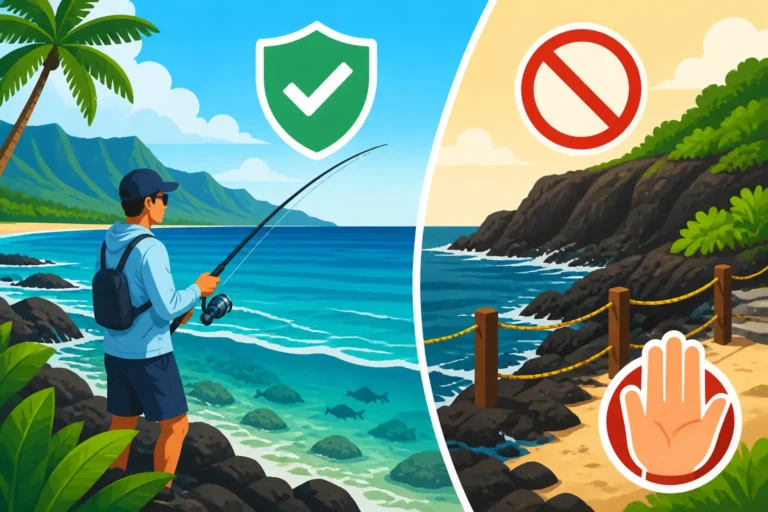
- Respect Marine Life Conservation Districts (MLCDs): These are protected areas where fishing is either highly restricted or completely prohibited. Always know if you're fishing in an MLCD and understand its specific rules. Fishing in these areas is often completely off-limits.
- Report Violations: If you witness illegal fishing activity, don't hesitate to report it to the DLNR's Division of Conservation and Resources Enforcement (DOCARE). They rely on public assistance to protect our natural heritage.
The ocean around Hawaii is a gift, a truly incredible place brimming with life and opportunity for amazing experiences. By understanding and respecting the Hawaii uhu ahuula closed season dates, along with all the other thoughtful regulations, you're not just staying out of trouble, you're helping to preserve this invaluable resource for generations to come. So grab your gear (and maybe that fish ID guide from Amazon!), check the latest rules, and go enjoy the stunning fishing Hawaii has to offer – responsibly, of course!
Disclaimer
Please note that fishing regulations in Hawaii are subject to change. While we strive to provide the most accurate and up-to-date information, it is the angler's responsibility to verify all rules and regulations with the official Hawaii Department of Land and Natural Resources (DLNR) Division of Aquatic Resources (DAR) prior to engaging in any fishing activity. This article is intended for informational purposes only and does not constitute legal advice.