Hawaii lobster season closed dates
It can be incredibly frustrating to plan a perfect day of fishing or diving, only to realize later that the very species you hoped to harvest is off-limits due to a closed season. In Hawaii, navigating the regulations for lobster can feel like trying to untangle a fishing line in the dark, especially when you're just trying to enjoy the bounty of our beautiful ocean responsibly. This comprehensive guide is here to cut through that confusion, clarifying the exact closed dates for Hawaii's beloved lobsters, so you can plan your harvest with confidence and respect for our marine life.
The Significance of Lobster to Hawaii's Culture and Ecology
Before we dive into the nitty-gritty of regulations, it’s important to appreciate why Hawaiian lobsters are so treasured. For generations, they've been a vital part of the local diet and culture, representing a delicious connection to the ocean. These aren't just any crustaceans; they're an integral part of our reef ecosystems, playing a crucial role in maintaining balance. When you're out looking for lobster, whether it's the Hawaiian spiny lobster (ula) or the slipper lobster (pāpa'i kualoa), you're not just seeking a meal, but participating in a long-standing tradition that demands respect for the resource.
There's a deep-seated understanding here that what we take from the ocean must be done sustainably, ensuring there's enough for future generations. This cultural value is precisely why strict regulations, including closed seasons, are in place. Without them, it wouldn't take long for these precious populations to dwindle, impacting both the ecosystem and our way of life. It’s a shared responsibility, and knowing the rules is the first step in upholding that kuleana (responsibility).
Identifying Hawaii's Common Lobster Species
When you're out on the reefs, it’s helpful to know what you’re looking for, as different species can sometimes have slightly different nuances in regulations, though the primary closed season applies broadly. In Hawaii, the two main types of lobsters sought by recreational harvesters are the Hawaiian Spiny Lobster and the Slipper Lobster.
The Hawaiian Spiny Lobster (ula) is the classic, recognizable lobster with long, thick antennae and a spiny carapace. They don't have large claws like their Atlantic counterparts but are prized for their tail meat. They tend to hide in crevices and under ledges during the day, coming out to forage at night. You'll often find them tucked away in rocky areas, from shallow reefs to deeper drop-offs. Their coloring can vary, but they generally blend in with their surroundings, making them a fun challenge to spot.
The Slipper Lobster (pāpa'i kualoa), on the other hand, looks quite different. They have a flattened, shovel-like head, no prominent antennae, and a broader body. Their appearance is often described as resembling a large, armored slipper, hence the name. Slipper lobsters are also incredibly delicious, with sweet meat found in both the tail and body. They are typically found in similar habitats to spiny lobsters, preferring rocky or coral-rich areas where they can burrow or hide. Both species are a testament to the incredible biodiversity of Hawaii's marine environment, and understanding their characteristics is key to both identifying them and respecting the rules that protect them.
The Official Closed Season Dates for Hawaiian Lobsters
Alright, let's get right to the heart of the matter – the specific dates when harvesting lobster in Hawaii is absolutely off-limits. This is crucial information for anyone planning to dive or fish for these fantastic crustaceans. I know it can be a bummer when you discover your favorite activity is restricted, but these dates are put in place for a really good reason: sustainability.
Every year, for both the Hawaiian Spiny Lobster (ula) and the Slipper Lobster (pāpa'i kualoa), there is a strict closed season. This period is vital for allowing the lobsters to reproduce and grow without human interference, ensuring healthy populations for the future. You absolutely need to mark these dates on your calendar, tattoo them on your brain, or at least keep them handy on your phone!
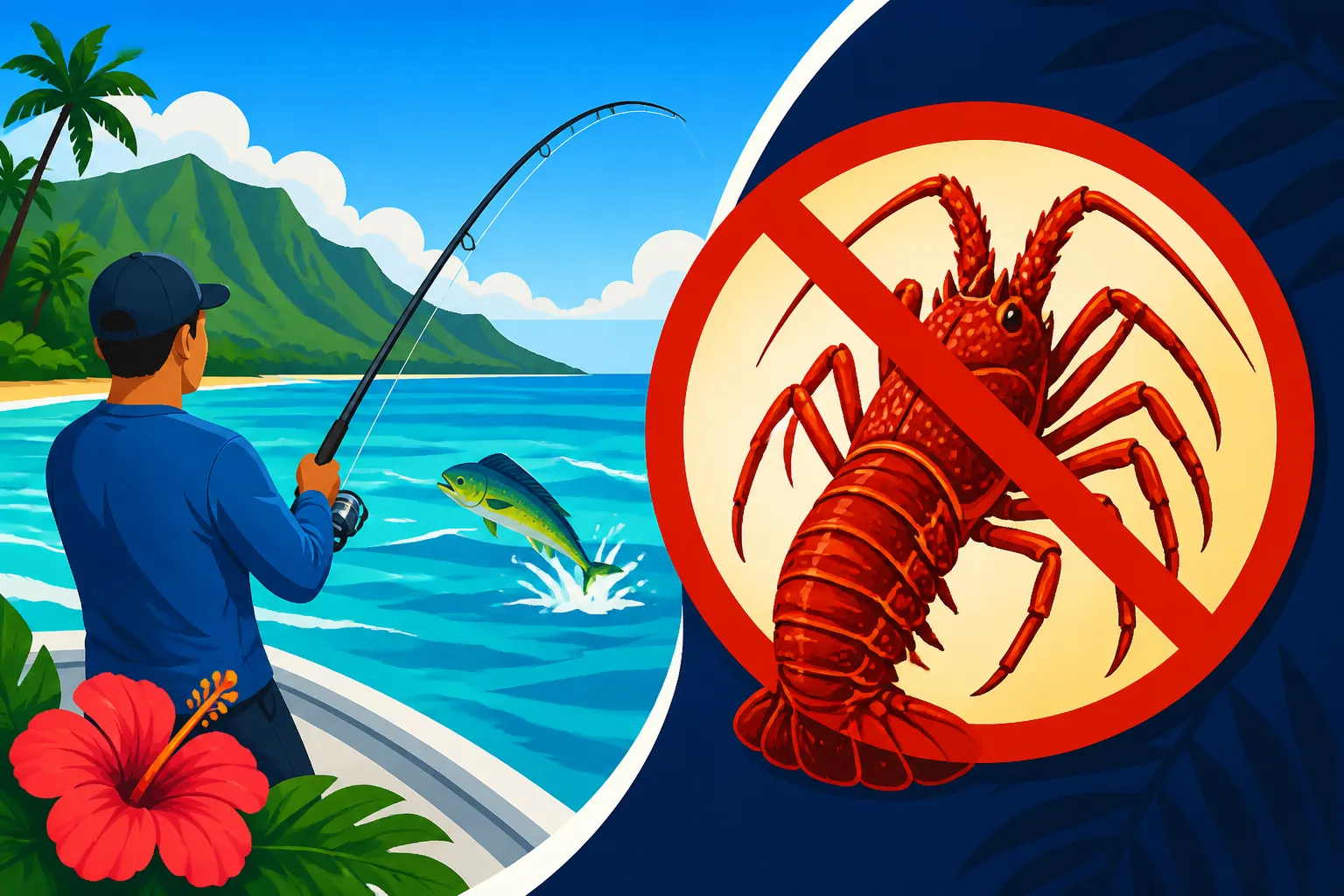
The closed season for harvesting Hawaiian Spiny Lobsters and Slipper Lobsters officially runs from May 1st through August 31st, inclusive. This means that during these four months, it is illegal to take, possess, or sell any spiny or slipper lobsters in Hawaii waters. No exceptions. It doesn't matter if you caught it accidentally, or if you were "just looking" – possession during this time can lead to some serious penalties. This period specifically targets the peak spawning and molting season for these species. Imagine trying to raise a family or recover from a tough molt while dodging harvesters; it just wouldn't work.
Why These Dates Are Chosen
The specific dates of May 1st to August 31st aren't just arbitrary numbers pulled from a hat. They are carefully chosen by the Hawaii Department of Land and Natural Resources (DLNR), Division of Aquatic Resources (DAR), based on scientific research regarding the lobsters' life cycles. This four-month window is identified as the prime reproductive season when female lobsters are typically "berried" (carrying eggs) and when lobsters are most vulnerable due to molting.
During molting, lobsters shed their old, hard shells to grow larger. Their new shells are soft and take time to harden, leaving them exposed and unable to defend themselves effectively. Harvesting them during this fragile period would severely impact their chances of survival and reproduction. By closing the season during these critical months, the state helps ensure that lobsters have the best possible chance to successfully reproduce, contributing to the next generation, and recover from molting without added pressure from fishing. It’s all about giving them a safe space to do their thing.
| Lobster Species | Closed Season Dates | Primary Reason for Closure |
|---|---|---|
| Hawaiian Spiny Lobster (Ula) | May 1st – August 31st | Peak spawning & molting season |
| Slipper Lobster (Pāpa'i Kualoa) | May 1st – August 31st | Peak spawning & molting season |
This table clearly illustrates the unified closed dates for both primary recreational lobster species in Hawaii. Remember, these dates apply statewide, regardless of whether you're diving off the Kona Coast or exploring reefs around Oahu. Always double-check the official Reading the Hawaii DLNR Fishing Regulations for any potential updates, though these dates have been consistent for many years.
Beyond the Closed Season: Other Key Lobster Regulations
While knowing the closed season dates is absolutely paramount, it's just one piece of the puzzle when it comes to responsible lobster harvesting in Hawaii. There are several other critical regulations you need to be aware of, all designed to protect our lobster populations and ensure sustainable practices. Ignoring these rules, even unknowingly, can lead to fines and a significant impact on marine resources.
Size Limits and Protecting Berried Females
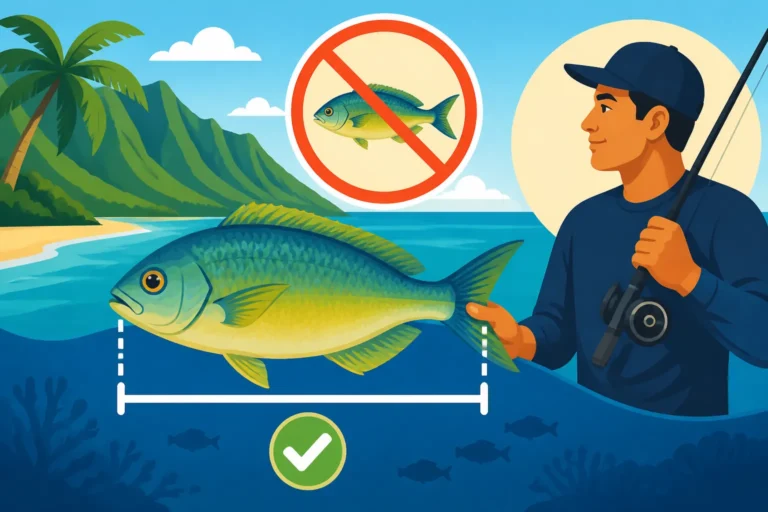
Just because the season is open doesn't mean you can take every lobster you find. Size limits are in place to ensure that lobsters have had a chance to reproduce at least once before being harvested. For Hawaiian Spiny Lobsters, the carapace (the hard upper shell) must be at least 3 ¼ inches (8.26 cm) long, measured from the ridge between the eye stalks to the rear edge of the carapace. For Slipper Lobsters, the minimum carapace length is 2 ¾ inches (6.99 cm). Always carry a measuring device with you; an inexpensive, waterproof one can be found on sites like Amazon. Don't eyeball it – a few millimeters can make all the difference! You can find more details on specific measurements in the Hawaii Bag and Size Limits by Species guide.
Perhaps even more important is the strict prohibition on taking berried female lobsters. These are females carrying eggs, usually visible as a reddish-orange mass tucked under their tails. Taking a berried female directly impacts the future population, as you're removing hundreds, if not thousands, of potential offspring. If you encounter one, admire her and let her go on her way to ensure the next generation of lobsters.
Gear Restrictions and Methods
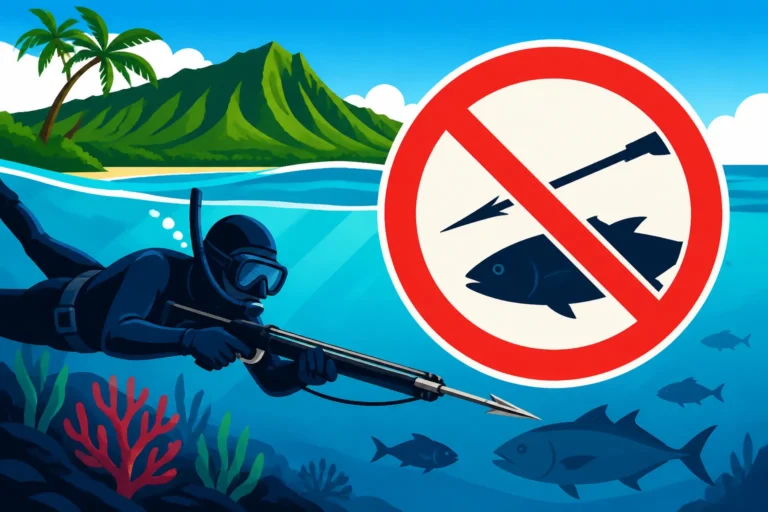
How you catch lobsters matters. In Hawaii, it is illegal to spear or pierce lobsters with any instrument. This means no spearguns, no knives, no sharp sticks. The approved methods generally involve catching them by hand (which is a thrill in itself!), using a net (specifically a lobster net designed for capture without harm), or using a special lobster gaff that hooks their antennae or legs without piercing the body.
Many passionate divers enjoy the challenge of catching lobster by hand, often referred to as "bug hunting." It requires patience, good breath-hold, and knowing where lobsters like to hide. Remember, the goal is always to minimize stress and injury to the animal, so approach them gently. If you're into freediving for lobster, be sure to check out Spearfishing Techniques for Hawaii Reefs for related tips on responsible underwater harvesting.
Bag Limits and Daily Catch
Even during the open season, you can't just take as many lobsters as you want. Daily bag limits are set to distribute the catch among more harvesters and prevent overfishing. Currently, the daily bag limit for combined Hawaiian Spiny and Slipper Lobsters is two (2) lobsters per person, per day. This limit applies whether you're harvesting by hand, net, or gaff. It's about taking only what you need and leaving plenty for others and for the ecosystem to thrive. Always be mindful of these limits and resist the urge to take more, even if you find a honey hole. It’s part of the respectful fishing practices outlined in the broader Hawaii Fishing Regulations Explained.
Restricted Areas and Conservation Districts
Beyond statewide regulations, there are specific areas in Hawaii where lobster harvesting (or any fishing, for that matter) is heavily restricted or completely prohibited. These include Marine Life Conservation Districts (MLCDs) and certain no-take zones. For example, some areas might allow catch-and-release fishing for certain species but prohibit the take of others, or have outright bans on all marine life removal. It is your responsibility to know if you are in one of these protected areas before you even get in the water.
Areas like Hanauma Bay, for instance, are well-known MLCDs where all marine life is protected, including lobsters. Always consult local charts and signage, or better yet, read up on Hawaii Marine Life Conservation Districts, Explained before heading out to a new spot. Ignorance of these boundaries is not an excuse. Familiarizing yourself with these zones is crucial for ethical and legal harvesting, and for protecting these vibrant underwater sanctuaries.
| Regulation Category | Hawaiian Spiny Lobster (Ula) | Slipper Lobster (Pāpa'i Kualoa) | General Rule |
|---|---|---|---|
| Closed Season | May 1st – August 31st | May 1st – August 31st | NO harvesting |
| Minimum Carapace Size | 3 ¼ inches (8.26 cm) | 2 ¾ inches (6.99 cm) | No undersized lobsters |
| Berried Females | PROHIBITED | PROHIBITED | Do NOT take |
| Harvesting Method | Hand, net, lobster gaff | Hand, net, lobster gaff | No spearing/piercing |
| Daily Bag Limit | 2 lobsters (combined species) | 2 lobsters (combined species) | Per person, per day |
This table provides a quick reference for the essential rules you need to follow. Always keep it in mind when you're considering a lobster hunt. Remember, respecting these rules is not just about avoiding penalties; it's about being a good steward of Hawaii's precious marine environment. Knowing what to do and what to avoid will ensure that the thrill of finding and enjoying a fresh lobster remains a possibility for many years to come.
Adhering to the Rules and Penalties for Violations
It might seem like a lot to remember, but understanding and following these regulations is absolutely vital. The state of Hawaii takes its conservation efforts seriously, and that means there are consequences for those who don't adhere to the rules. No one wants their amazing day of diving to end with a hefty fine or worse.
The Importance of Education
The first and best line of defense against violations is simply being informed. Resources are readily available through the DLNR Division of Aquatic Resources. You can often pick up free regulation booklets at local tackle shops, dive shops, or even online. It's a great idea to download the current PDF of the regulations or even print a condensed version to keep with your gear, perhaps in a waterproof bag that you can also get from Amazon.
Being an educated angler or diver not only keeps you out of trouble but also sets a good example for others. If you see someone who might be unknowingly breaking a rule, a friendly and informative chat can go a long way. We're all in this together to protect our ocean resources.
Penalties for Violations
Let's be clear: fishing without a required license or violating harvest regulations is not a minor infraction in Hawaii. Penalties can range from significant monetary fines to confiscation of gear, your catch, and even criminal charges in more severe or repeated cases. For example, being caught with undersized or berried lobsters, or lobsters during the closed season, can lead to fines running into the hundreds or even thousands of dollars per violation. It’s definitely not worth the risk for a few lobsters.
Enforcement officers, including the Division of Conservation and Resources Enforcement (DOCARE), are frequently patrolling our waters and shorelines. They are well-versed in the regulations and are there to ensure compliance. Their job is not just to catch offenders but also to educate the public. If an officer approaches you, be polite, cooperative, and truthful. They appreciate informed and respectful individuals who are doing their best to follow the rules. It's far better to ask for clarification on a rule than to guess and potentially face consequences.
Remember, the goal of these regulations and their enforcement isn't to punish people, but to protect the natural resources that make Hawaii such a special place. By understanding and respecting the Hawaii Fishing License Guide for 2026 and all other regulations, you're contributing to the health of our marine ecosystems and ensuring that future generations can also enjoy the incredible experience of harvesting lobster in Hawaii.
Conclusion: Respecting the Resource for Future Generations
Navigating the world of Hawaii fishing regulations, especially for something as specific as lobster closed seasons, can feel like a maze. But armed with the knowledge of the May 1st to August 31st closure, minimum size limits, the prohibition on berried females, proper harvesting methods, and daily bag limits, you're well on your way to being a responsible and informed participant in Hawaii's rich fishing culture. These rules aren't meant to make things harder; they are the guardians of our precious marine life, ensuring that the thrill of finding a plump ula or pāpa'i kualoa isn't just a memory for a bygone era. By actively learning and adhering to these guidelines, you're doing your part to perpetuate the abundance of our oceans for everyone, today and for generations to come.
Disclaimer
The information provided in this guide is for general informational purposes only and is subject to change. While we strive to offer the most accurate and up-to-date details, fishing regulations can be amended at any time by the Hawaii Department of Land and Natural Resources (DLNR). It is always the responsibility of the individual angler to consult the official and most current Hawaii fishing regulations prior to engaging in any fishing activities. We recommend checking the official DLNR Division of Aquatic Resources (DAR) website or contacting them directly for the definitive and latest information.