Sandy Beach Fishing Access
Finding a good fishing spot on Oahu that offers both challenge and reward can sometimes feel like searching for a needle in a haystack, especially with so many prime locations getting crowded or having specific regulations. Many anglers, especially those new to the island, might overlook spots that are famous for other activities, like surfing. This guide is here to shed light on fishing access at Sandy Beach, offering insights into its unique characteristics, target species, and the techniques you'll need to successfully navigate its legendary waters.
Understanding Sandy Beach's Unique Environment for Anglers
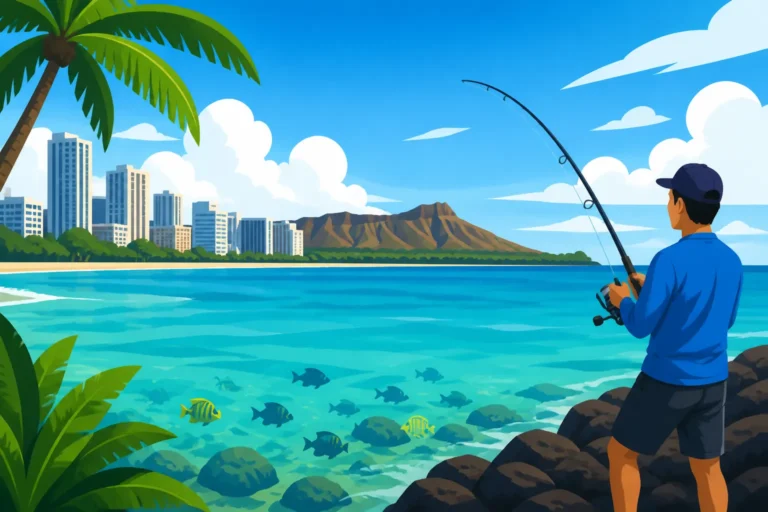
Sandy Beach, nestled on Oahu's southeastern shore between Hanauma Bay and Makapuʻu Point, is renowned worldwide for its powerful shorebreak, which draws thrill-seeking bodyboarders and bodysurfers. But what many casual observers don't realize is that this dynamic environment also creates fantastic opportunities for shore anglers. The constant movement of water, the churning sand, and the proximity to deeper ocean currents make it a prime hunting ground for various predatory fish.
The Powerful Shorebreak's Influence
The sheer force of Sandy Beach's shorebreak isn't just a spectacle; it's a key factor in its fishing potential. This powerful wave action constantly scours the bottom, uncovering small crustaceans, worms, and baitfish that get dislodged and swept into the surf zone. For opportunistic predators like ulua (giant trevally) and papio (smaller trevally), this creates a natural buffet. The turbulent water also provides excellent camouflage for fish, making it easier for them to ambush prey. However, this also means anglers need to be acutely aware of their surroundings and the ocean's power. It’s not a place for the faint of heart or those unfamiliar with reading strong currents and waves. You'll need sturdy gear and a good sense of timing to cast effectively without getting swamped.
Reefs and Sand Channels
While primarily known for its sandy bottom, Sandy Beach isn't just an endless stretch of sand. There are subtle reef structures and rock formations, especially towards the eastern and western ends of the main swimming area. These rocky outcrops provide shelter and foraging grounds for smaller baitfish and invertebrates, which in turn attract larger predators. More importantly, the shifting sands create deeper channels and troughs parallel to the shoreline. These channels act like highways for fish moving in and out with the tide, and they can be prime spots to target. Learning to "read" the water and identify these deeper pockets or where the sand meets rock can significantly increase your chances of success. It's not always obvious, but a keen eye during low tide or observing where waves break differently can give you clues.
Species You Can Expect to Catch at Sandy Beach
Sandy Beach is a dynamic fishery, largely thanks to its powerful surf zone. While you might not find the same diverse reef fish as calmer bays, the species here are often robust, strong fighters adapted to the challenging environment. The thrill of landing a powerful fish from the shore here is truly an experience unlike many others on Oahu.
Papio and Ulua
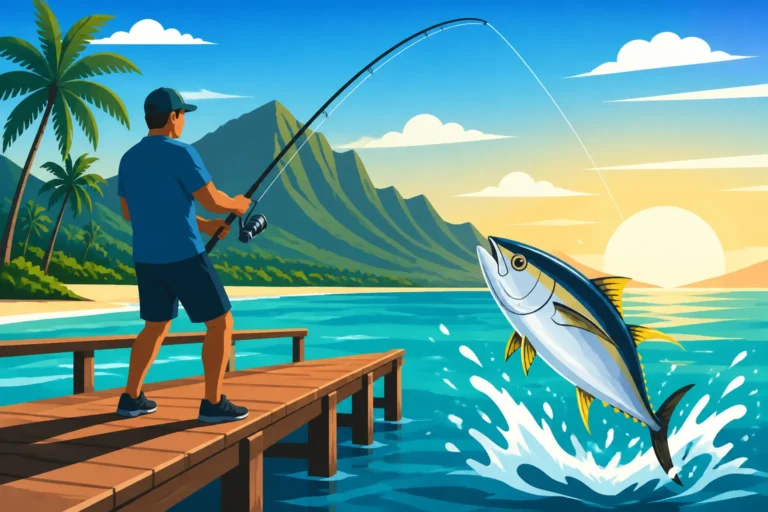
When people talk about shore fishing at Sandy Beach, papio and ulua are almost always at the top of the list. These members of the trevally family are apex predators in the surf zone, known for their aggressive strikes and incredible fighting power. Papio are the younger, smaller trevally, typically ranging from a few pounds up to about 10-15 pounds. They are abundant and can offer consistent action. Ulua, the adult giant trevally, are the holy grail for many shore anglers, with specimens from Sandy Beach often tipping the scales into the double digits, and occasionally much, much larger. They are incredibly strong and require heavy tackle and a strong back to bring to shore, especially with the powerful waves. Night fishing is a particularly popular and often productive time for targeting these larger ulua, as they move closer to shore under the cover of darkness. For those serious about chasing these powerful fish, checking out guides on How to Catch Ulua from Shore can provide invaluable tips and strategies.
Other Common Catches
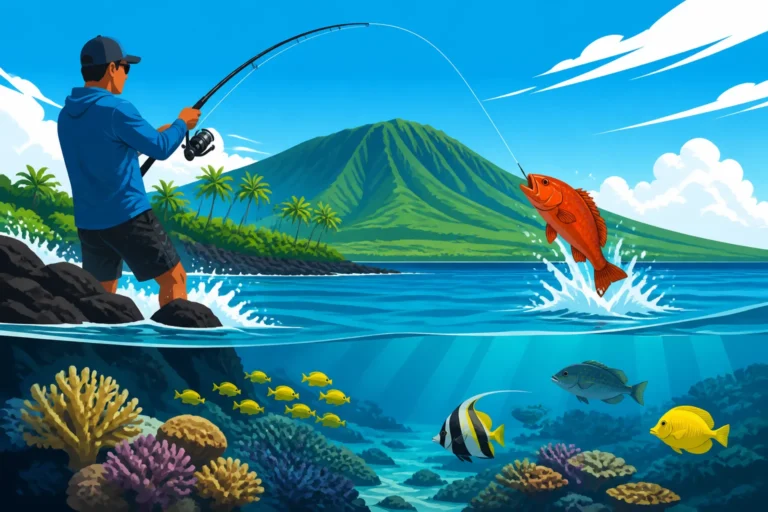
Beyond the trevally, Sandy Beach can yield a variety of other surf-dwelling species. Moi (Pacific threadfin), also known as "threadfin salmon," are highly prized for their delicate flavor and are a true challenge to catch from the sand. They often school in the calmer sections just behind the main shorebreak or in deeper channels. Oama (juvenile goatfish) can be plentiful closer to shore and are excellent bait, though some anglers enjoy catching them for a light meal. Weke (goatfish), particularly the larger species, also frequent the sandy bottom and can be caught on smaller baits. Occasionally, you might even hook into Aholehole (Hawaiian flagtail) or small Akule (Bigeye Scad) if schools move close to shore. While not as commonly targeted as the papio and ulua, these species add to the diversity and surprise of a fishing trip to Sandy Beach.
Essential Gear and Techniques for Fishing Sandy Beach
Fishing Sandy Beach isn't just about showing up with a rod and reel; it requires specific gear and a keen understanding of the surf environment. The powerful waves and strong currents demand robust equipment and adapted techniques to stand a chance against the formidable fish that call these waters home.
Rod and Reel Setup
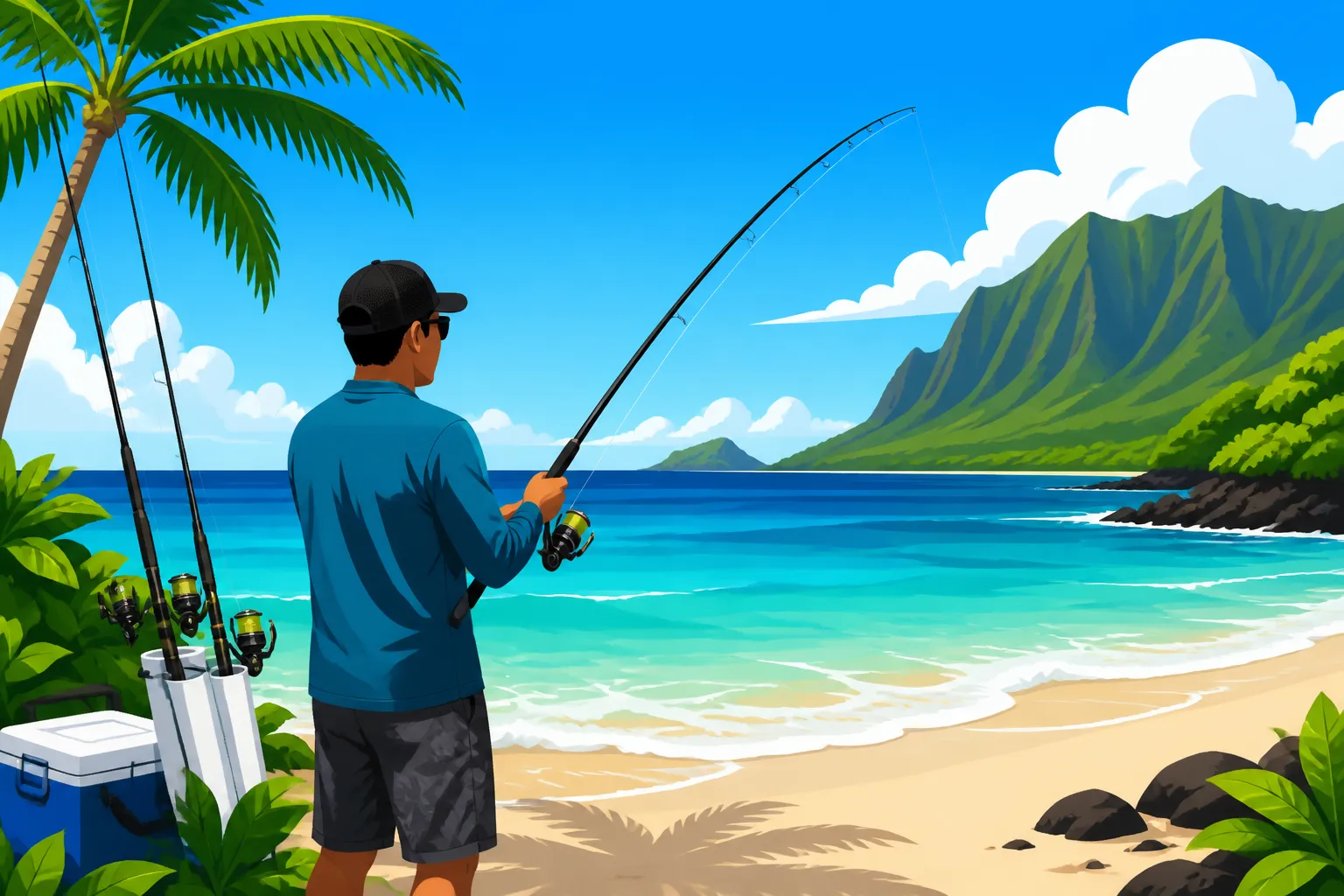
Given the powerful conditions and the size of the potential catches, a heavy-duty rod and reel setup is paramount. For general surf casting, a medium-heavy to heavy action surf rod, typically 10 to 12 feet long, is ideal. This length provides the necessary leverage for long casts over the shorebreak and the backbone to fight strong fish. Pair this with a robust spinning reel in the 6000-10000 size range, capable of holding at least 250-300 yards of 30-50 lb braided line. Braid is preferred for its strength-to-diameter ratio and lack of stretch, which aids in detecting subtle bites in turbulent water. A heavy monofilament or fluorocarbon leader, typically 50-100 lb test, is then tied to the main line, strong enough to withstand abrasive sand and sharp gill plates of larger fish. Many local anglers will even use specialized sliding bait rigs for bigger ulua, which often require even heavier setups. For more detailed information on specific setups, consider exploring resources on Shore Fishing Techniques for Hawaii.
Bait and Lure Choices
Choosing the right bait or lure is crucial at Sandy Beach. Live bait is often king, especially for ulua and larger papio. Freshly caught opelu (mackerel scad), akule, or even oama can be incredibly effective when rigged as live or butterflied baits. Cut bait, such as chunks of fresh skipjack tuna (aku), or even squid, can also be productive. For those who prefer artificials, heavy casting spoons, large poppers, and even specific types of swimbaits can entice aggressive strikes from papio. The key is to use lures that can be cast a long distance and are heavy enough to contend with the strong currents without being immediately washed back to shore. Colors that imitate baitfish common in the area, such as silver, blue, or green, tend to work well. For some species, like moi, smaller pieces of shrimp or crab might be more effective. The right bait selection can truly make or break your day, so don't be afraid to experiment!
Reading the Surf and Casting
Successfully fishing Sandy Beach requires more than just casting far; it demands an understanding of the surf itself. Learning to "read the waves" is a skill developed over time. Look for lulls in the sets, identify deeper channels where waves aren't breaking, or pinpoint areas where baitfish might be congregating. Casting into these areas, often just behind the main shorebreak or into deeper troughs, is where you'll find the fish. Timing your cast is also vital; you want your bait or lure to land in a promising spot and stay there long enough to be noticed, rather than being immediately swept away. A powerful, pendulum cast or overhead cast is often necessary to achieve the distance required. Be prepared for strong currents that will try to drag your line, so heavier sinkers (often 4-6 oz pyramid or Sputnik sinkers) are commonly used to hold your bait in place. Mastering these casting and reading techniques will dramatically improve your success rate at this challenging, yet rewarding, fishing spot.
Navigating Regulations and Safety at Sandy Beach
Fishing at Sandy Beach, like any location in Hawaii, comes with its own set of rules and safety considerations. Understanding and adhering to these are not just about avoiding penalties but also about ensuring your own safety and contributing to the sustainable future of Hawaii's aquatic resources.
Fishing License Requirements
One of the most common questions from both residents and visitors is about fishing licenses. For ocean fishing in Hawaii, there's good news for most recreational anglers: a state marine recreational fishing license is generally not required for ocean fishing unless you are fishing for or taking certain restricted species, or within certain designated areas. However, this is a topic that can sometimes be confusing. While the vast majority of shoreline fishing, including at Sandy Beach, falls under the exemption for residents not needing a license, it's always smart to double-check the latest regulations. For anyone visiting or unsure, a quick read of resources like Do You Need a Fishing License in Hawaii or the comprehensive Hawaii Fishing License Guide for 2026 can clarify specific situations, such as commercial operations or freshwater fishing, where licenses are required. The Hawaii Division of Aquatic Resources (DAR) website is always the most up-to-date source for official rules.
Understanding Local Rules and Restrictions
Beyond general licensing, specific local rules and regulations apply to different areas, and Sandy Beach is no exception. While Sandy Beach is not a Marine Life Conservation District (MLCD) with strict "no-take" rules like nearby Hanauma Bay, certain species may have specific bag and size limits, or even closed seasons. For example, some reef fish or culturally significant species like moi often have very specific harvest rules. Always consult the Hawaii Division of Aquatic Resources (DAR) guidelines, which are available online or at local tackle shops. A helpful resource like Hawaii Bag and Size Limits by Species can quickly bring you up to speed. Furthermore, be mindful of where you're casting. Sandy Beach is extremely popular with bodyboarders and bodysurfers; always ensure you're fishing in designated or less crowded areas and never cast where swimmers or surfers are present. Local etiquette dictates giving plenty of space to others enjoying the beach.
Shorebreak Safety Tips
The powerful shorebreak at Sandy Beach is legendary for a reason, and it demands immense respect. This isn't a calm, gentle beach for wading. rogue waves can appear seemingly out of nowhere, and the undertow can be incredibly strong.
- Never Turn Your Back on the Ocean: This is the golden rule. Always be aware of incoming waves, even if you're standing far from the water's edge.
- Fish with a Buddy: Especially if you're new to the area or fishing in challenging conditions. Someone else can spot dangers or help in an emergency.
- Wear Appropriate Footwear: Slippery rocks, wet sand, and potential debris mean flip-flops won't cut it. Sturdy reef shoes or closed-toe water shoes with good grip are essential.
- Know Your Limits: If the surf is exceptionally large or you feel uncomfortable, it’s always better to err on the side of caution and not fish. There will always be another day.
- Protect Your Gear: A sudden wave can easily sweep away an unattended tackle box or even a rod. Keep your gear secure and elevated when possible.
Staying safe means being prepared, observant, and respectful of the powerful ocean.
Best Times and Conditions for a Successful Trip
Timing is everything when fishing Sandy Beach. The dynamic nature of its environment means that conditions can change rapidly, and what might be a perfect day for sunbathing might not be the best for fishing, and vice-versa. Understanding the nuances of tides, wind, and swell can significantly increase your chances of success.
Tidal Movements and Their Impact
Like most coastal fishing, tidal movements play a crucial role at Sandy Beach. Often, the incoming or outgoing tide, particularly around the peak of the tide change (high or low), can be the most productive. These moving waters tend to stir up the bottom and dislodge food, making fish more active. For trevally species like papio and ulua, a strong incoming tide can push baitfish closer to shore, bringing the predators right into your casting range. Conversely, a strong outgoing tide might create rips and currents that fish use to ambush prey. It's not a hard-and-fast rule, as fish can be caught at any stage of the tide, but observing how the water moves and where bait congregates during different tidal phases can help you pinpoint the most promising spots. Don't underestimate the moon's influence either; spring tides (around new and full moons) bring stronger currents and bigger tidal swings, which can sometimes ignite a feeding frenzy. You can find detailed local tide charts online, and planning your trip around these can be incredibly beneficial.
Wind and Swell Considerations
The wind and swell are arguably even more critical than tides at Sandy Beach, given its exposed location and powerful surf.
-
Swell Direction and Size: Sandy Beach is notorious for its strong Kaiko'o (shorebreak) swell, often generated by distant southern hemisphere storms. While this makes for epic bodyboarding, it can make fishing extremely challenging, if not impossible. Very large swells can create dangerous conditions, wash out fishing gutters, and make it impossible to hold bait in place. Ideal fishing conditions usually involve moderate to small swells, enough to create some white water and turbulence for feeding fish, but not so much that it's dangerous or unfishable. Checking the local surf forecast for Oahu's South Shore is non-negotiable before heading out. For more in-depth knowledge on how these conditions impact fishing, an article like When Hawaii's Ocean Waters Get Too Rough to Shore Fish might offer useful perspectives.
-
Wind Direction and Strength: Wind directly impacts casting distance and accuracy. A strong headwind (blowing from the ocean towards shore) will make casting difficult, while a strong tailwind (blowing from shore towards the ocean) can assist with distance but might make controlling your line tricky. Crosswinds can also cause significant line bow, making bite detection harder. Light to moderate offshore winds (from the land) often provide the calmest and most fishable conditions, smoothing out the surface chop and allowing for better casting. However, a light onshore breeze can sometimes be beneficial as it creates ripple on the water, which can hide your line and make fish less wary. Always consider how the wind will affect your chosen technique.
Beyond the Cast: Enjoying Your Day at Sandy Beach
A fishing trip to Sandy Beach is more than just about what you catch; it's about soaking in the unique Hawaiian atmosphere, enjoying the beautiful scenery, and being part of the vibrant local culture. Even if the fish aren't biting, the experience itself can be incredibly rewarding.
Facilities and Parking
Sandy Beach Park is a well-maintained City and County of Honolulu park, offering a range of facilities for visitors. You’ll find restrooms, outdoor showers, and picnic areas, making it convenient for a full day out. There's also a large, free public parking lot right off Kalanianaʻole Highway. However, because of its popularity with both local residents and tourists (especially for bodyboarding), this parking lot can fill up quickly, particularly on weekends and holidays. Arriving early, especially if you plan to fish in the morning, is highly recommended to secure a spot. The access to the beach from the parking lot is direct and easy, which is a plus for carrying fishing gear. Just remember to secure your vehicle and not leave any valuables in plain sight, as car break-ins, unfortunately, can happen at popular spots.
Respecting the Environment and Other Users
Hawaii's natural beauty is a treasure, and preserving it is everyone's responsibility. When fishing at Sandy Beach:
- Pack It In, Pack It Out: Leave no trace. Take all your trash, including fishing line, bait containers, and food wrappers, with you. Better yet, pick up any litter you find.
- Mind Your Footprint: Avoid disturbing nesting seabirds or protected marine life like Hawaiian monk seals and green sea turtles, which are occasionally spotted in the area. Maintain a respectful distance and never approach or harass them.
- Share the Space: Sandy Beach is a multi-use area. Be courteous to bodyboarders, bodysurfers, sunbathers, and families. Avoid casting too close to others, and be mindful of your backcast. If the beach is crowded, consider moving to a less populated section or returning when it's quieter.
- Understand Cultural Significance: Many areas in Hawaii hold deep cultural significance. While Sandy Beach is primarily recreational, maintaining respect for the land and ocean (ʻāina and kai) is always appreciated. This includes being mindful of local customs and traditions.
By being a responsible and respectful angler, you contribute to a positive experience for everyone and help ensure that these beautiful fishing spots remain pristine for generations to come. For those considering other shore fishing options around the island, an article like Best Shore Fishing Spots in Hawaii could offer more variety. If you're looking for an alternative to solo shore fishing and want to experience Hawaii's waters with a local expert, services like FishingBooker can connect you with guides or charters for a different kind of adventure, even for inshore opportunities.
| Target Species | Preferred Bait / Lure | Recommended Rod Length (ft) | Ideal Conditions | Notes |
|---|---|---|---|---|
| Papio | Live Oama, Cut Akule, Metal Spoons | 9-11 | Moderate swell, incoming/outgoing tide | Aggressive, good fighters. Target white water. |
| Ulua | Live Opelu, Large Cut Bait | 11-13+ | Night fishing, strong tidal movements | Requires heavy gear. Patience is key. |
| Moi | Shrimp, Small Crabs, Cut Bait | 8-10 | Calm conditions, clear water, behind shorebreak | Prized eating fish. Can be finicky. |
| Weke | Shrimp, Small Cut Bait | 7-9 | Sandy bottoms, near reef patches | Good for light tackle. Often found in schools. |
Disclaimer
The information provided in this guide is for general informational purposes only and should not be considered legal advice. Fishing regulations in Hawaii, including license requirements, bag limits, and protected areas, can change frequently. It is the responsibility of every angler to consult the most current regulations issued by the Hawaii Department of Land and Natural Resources (DLNR), Division of Aquatic Resources (DAR) before engaging in any fishing activity. Always prioritize safety and environmental stewardship.