Best Pier Fishing Spots in Hawaii
One of the biggest hurdles many anglers face in Hawaii, especially if you're visiting or don't own a boat, is simply getting access to good fishing grounds. You see all that incredible blue water teeming with life, but finding a spot to wet a line from shore that isn't crowded, restricted, or simply inaccessible can be a real headache. This guide is dedicated to breaking down some of the best pier and pier-like fishing spots across the Hawaiian islands, offering practical advice on where to go, what you might catch, and what to bring along for a successful day.
Understanding Pier and Harbor Fishing in Hawaii
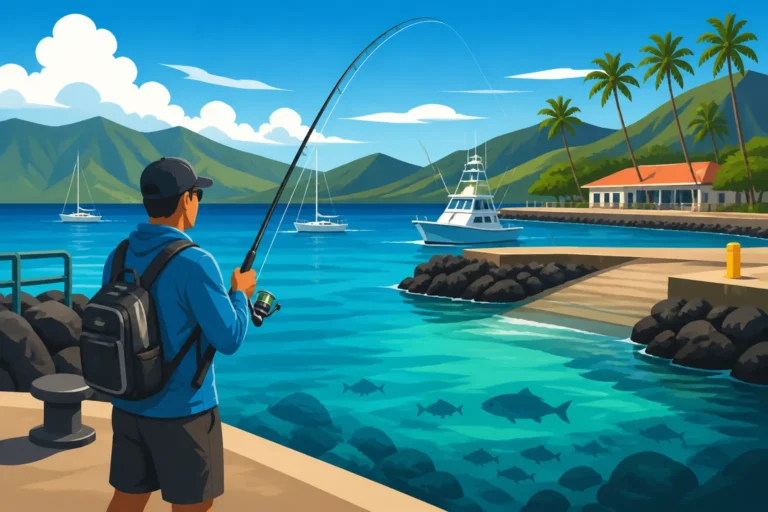
When you think of "pier fishing" in other parts of the world, you might imagine long, wooden structures stretching far out into the ocean, bustling with anglers. In Hawaii, the landscape is a little different. While we do have a few iconic, traditional piers, the term often expands to include fishing from harbor walls, jetties, public docks, and other accessible shoreline structures that offer a similar experience – essentially, anywhere you can gain elevated access over deeper water or prime fishing channels without needing a boat. This unique definition means you'll find fantastic opportunities in bustling harbors, serene bay entrances, and even some well-maintained public access points that function much like piers.
The Nuances of Hawaiian "Piers"
It's important to set expectations about what "pier fishing" entails here. Many of our harbors, like Kewalo Basin on Oahu or Honokohau on the Big Island, are primarily commercial and recreational boat harbors. While you can't usually just cast off any random boat slip, many of these harbors have designated public fishing areas along seawalls, breakwaters, or specific public access points that are perfect for shore anglers. These spots often offer deeper water access than a typical sandy beach, putting you in range of a wider variety of fish species. Always look for signage, respect private property, and be mindful of boat traffic. The convenience of these locations, often with restrooms and parking nearby, makes them incredibly popular.
Common Fish Species Targeted from Piers
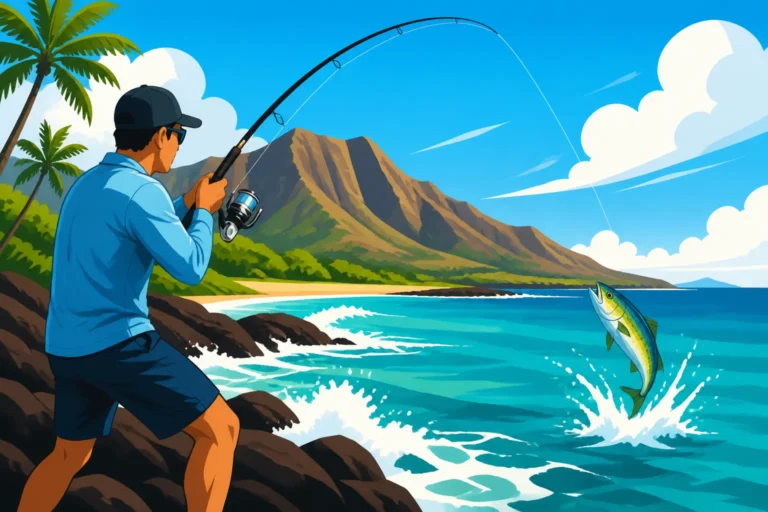
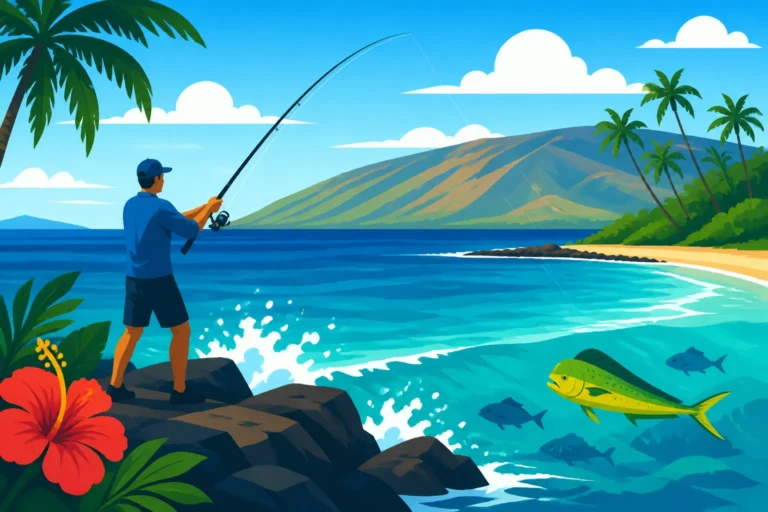
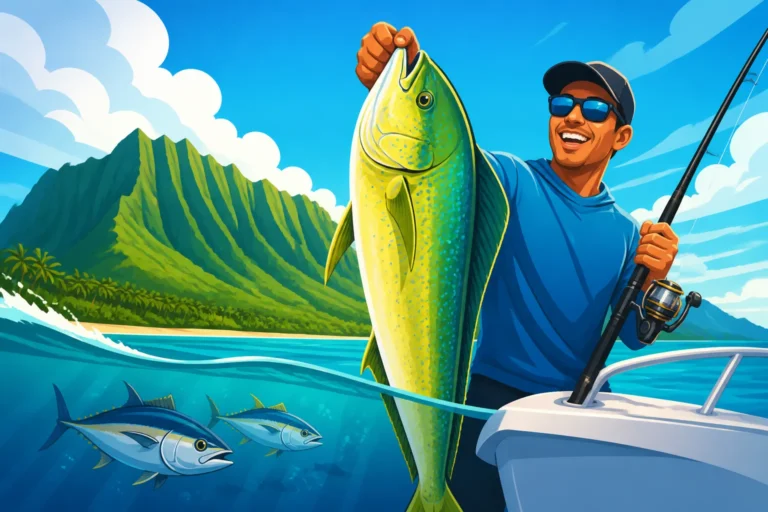
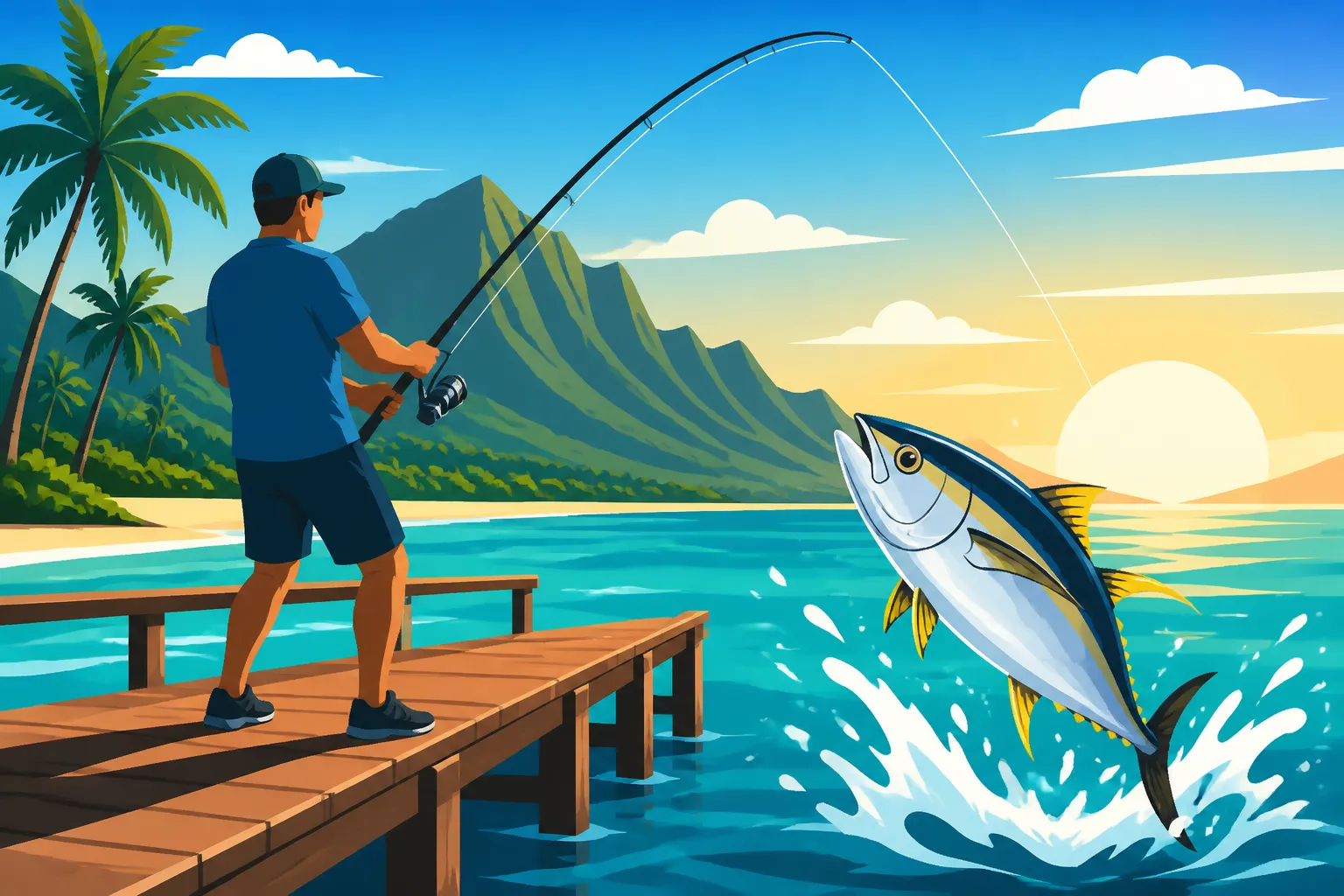
The beauty of pier fishing in Hawaii is the diversity of what you can hook. You're not just limited to small reef fish, though those are certainly abundant and fun to catch. From the various pier and harbor locations, you can often target a surprising range of species. Smaller fish like papio (juvenile trevally), moi (Pacific threadfin), menpachi (squirrelfish), and akule (bigeye scad) are common catches, especially for light tackle. For those looking for a bigger fight, the elusive ulua (giant trevally) can be targeted, particularly at night or during strong tides, often requiring heavier gear and specialized techniques like sliding bait rigs. Deeper harbor entrances might even yield small tuna species or mahimahi if they venture close to shore. Familiarizing yourself with the local species, including their feeding habits and peak seasons, will significantly boost your chances.
Oahu's Accessible Pier-like Fishing Locations
Oahu, being the most populated island, offers several popular spots for pier-style fishing, blending bustling cityscapes with scenic coastal views. These locations are generally easy to access and can provide rewarding experiences for anglers of all skill levels, though they often require patience and an understanding of urban fishing etiquette.
Kewalo Basin Harbor and Surrounding Areas
Kewalo Basin, nestled between Ala Moana Beach Park and Kaka'ako Waterfront Park in Honolulu, is a bustling hub for commercial fishing charters and recreational boats. While fishing directly from the boat docks is generally not allowed, the seawalls and the adjacent Kaka'ako Waterfront Park offer excellent shore-based opportunities. Anglers often line the promenade at Kaka'ako, casting into the deeper waters of the basin entrance or along the outer edges where the water drops off. It's a fantastic place to try your luck for papio, small jacks, and various reef fish. Early mornings and late evenings are typically the most productive times, as boat traffic lessens and many species move closer to shore to feed.
Parking can be challenging, especially on weekends, but the central location makes it a convenient spot for many. You'll often see locals using various techniques, from light spinning tackle with small plastics or bait to heavier setups for potential ulua. Remember to check for any updated signage regarding fishing restrictions, as harbor rules can change. If you're looking for an offshore adventure after scouting the harbor, you can often find reputable charters departing from Kewalo Basin itself, and sites like FishingBooker can help you compare options.
Sand Island State Recreation Area Jetties
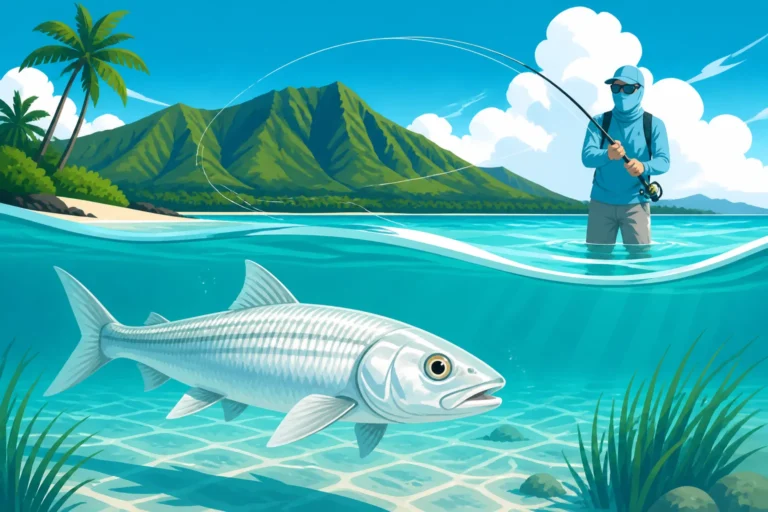
Just a short drive from downtown Honolulu, Sand Island State Recreation Area offers a rugged, more exposed fishing experience compared to the urban vibe of Kewalo. The park features long jetties and rocky breakwaters that stretch into the ocean, providing prime access to deeper channels and currents. These structures are excellent for targeting larger species like ulua and papio, especially during incoming tides or after a good swell has stirred up the baitfish. You might also encounter bonefish (o'io) on the shallower flats adjacent to the jetties, particularly during low light conditions.
The exposed nature of Sand Island means it can get windy, and ocean swells can make fishing challenging at times. Sturdy tackle, a good casting arm, and an awareness of the ocean conditions are essential here. Many anglers favor bait fishing with chunks of fresh dead bait like opelu or aku for the bigger predators, while others enjoy whipping with artificial lures for aggressive jacks. For anyone planning a trip, it's wise to review the Hawaii Fishing Regulations Explained to ensure you're compliant with all local rules, especially concerning protected species or gear restrictions.
Ala Wai Small Boat Harbor
While predominantly a mooring site for thousands of recreational boats, Ala Wai Small Boat Harbor, situated next to Waikiki, does offer some limited, but often productive, pier-like fishing opportunities. The seawalls and concrete edges, particularly towards the harbor mouth and adjacent to Ala Moana Beach Park, are popular with local anglers. The deeper water here attracts various baitfish, which in turn brings in predators. You can expect to catch smaller reef fish, papio, and occasionally even moi if you're lucky and fish during their active periods.
Due to its proximity to Waikiki, this spot is easily accessible for tourists and residents alike. However, it's also very busy. Always be courteous to other harbor users, keep your area clean, and avoid casting near boat channels. Small live baits like oama (juvenile goatfish) or frozen shrimp work well, as do small artificial lures resembling baitfish. This can be a great place to introduce kids to fishing, as the calm waters and frequent smaller bites keep the excitement levels up. Remember that specific areas within the harbor might have restrictions, so always keep an eye out for "No Fishing" signs.
Maui's Public Harbors and Jetty Access
Maui, known for its stunning beaches and lush landscapes, also presents several excellent pier and harbor fishing opportunities. While traditional long piers are rare, the island's working harbors offer valuable access points for shore anglers seeking a diverse range of species.
Lahaina Harbor Fishing Access
Lahaina Harbor, a historic and vibrant center on Maui's west side, is more than just a departure point for whale watching tours and snorkeling trips. The breakwater and public access areas around the harbor entrance provide surprisingly good fishing. Anglers often find success casting from the rock walls, targeting papio, small jacks, and various reef fish that congregate in the calmer harbor waters or along the edges of the deeper channel. It's a picturesque spot to fish, with the West Maui Mountains as a backdrop and the occasional glimpse of a green sea turtle.
The area around the old Lahaina Lighthouse and the adjacent seawalls can be particularly productive. Like other busy harbors, boat traffic is constant, so selecting your casting spots carefully is crucial. Light tackle with fresh bait, such as pieces of squid or shrimp, usually works best. You might also see local keiki (children) catching oama (juvenile goatfish) here, which are fantastic live bait for larger predators. When considering where to cast your line, it’s always a good idea to refresh your memory on the Hawaii Bag and Size Limits by Species, as conservation efforts are vital in these popular areas.
Ma'alaea Harbor Fishing Access
Located on the south-central coast of Maui, Ma'alaea Harbor is another significant boating hub that offers good shore fishing. This harbor is known for its strong winds, particularly in the afternoons, which can make fishing challenging, but also for its proximity to deeper waters. The rock jetties and harbor entrance are prime spots for targeting a variety of species. Anglers regularly catch papio, barracuda, and even moi during their seasons. The stronger currents here can also bring in larger pelagic species closer to shore, making it an exciting spot for those seeking a bigger challenge.
Fishing at Ma'alaea requires robust gear capable of handling the windy conditions and potential stronger currents. Heavier spinning rods or conventional setups with heavier lines are often preferred. Fresh bait is king, but strong artificial lures can also be effective. It’s also a common departure point for fishing charters. If you decide to explore the deeper waters, sites like FishingBooker can help you find a charter that suits your needs, ensuring you have the right gear and guidance for offshore species. Regardless of where you fish, understanding proper public access is key, so familiarizing yourself with Hawaii shoreline fishing rights and public access rules is always recommended.
Big Island's Popular Pier Fishing Destinations
The Big Island of Hawaii offers a diverse array of fishing environments, and its pier and harbor access points are no exception. From the iconic Kailua Pier to the bustling Honokohau Harbor, anglers have several excellent options to choose from, each providing unique opportunities.
Kailua Pier in Kailua-Kona
Kailua Pier, centrally located in the heart of Kailua-Kona, is arguably one of the most famous and accessible fishing piers in all of Hawaii. This long, concrete pier stretches into Kailua Bay, offering deep water access within casting distance. It’s a fantastic spot for both locals and visitors, attracting anglers day and night. During the day, you can expect to catch papio, various reef fish, and occasionally smaller tuna or even mahimahi if they're close to shore. At night, the pier truly comes alive as anglers target larger predators like ulua and sharks. The lights from the pier attract baitfish, which in turn draw in bigger game.
The pier is also a popular spot for swimmers, divers, and tour boats, so courtesy and caution are paramount. Mornings are often best for a more serene experience, but the action can be hot any time. Live bait, such as opelu or oama caught nearby, is highly effective, especially for ulua. For those targeting papio, whipping with small jigs or soft plastics can yield consistent results. There are restrooms and food vendors nearby, adding to the convenience. Anyone looking to learn How to Catch Papio on Hawaii's Shoreline will find Kailua Pier an ideal classroom.
Honokohau Harbor Public Fishing Areas
Just north of Kailua-Kona, Honokohau Harbor serves as the Big Island's primary small boat harbor and a launching point for many deep-sea fishing charters. While the main slips are off-limits for fishing, the harbor's long, rocky breakwaters and designated public fishing areas near the harbor entrance provide excellent shore access to rich fishing grounds. The deeper channels here attract a wide range of species, from papio and small barracuda to larger ulua and even small tunas that venture close to the coast. The varied depths and structures make it an appealing spot for different fishing techniques.
Fishing from the breakwater requires a bit more effort to reach, but the rewards can be significant. Strong currents near the entrance mean heavier sinkers might be necessary for bait fishing. Early mornings or late evenings are often the most productive, especially for ulua and other night feeders. You'll often see seasoned anglers here using heavy surfcasting gear. If you're interested in booking a charter to explore the legendary Kona waters, FishingBooker can help you find one departing directly from Honokohau Harbor, giving you the best of both shore and offshore worlds. Always remember to check the Hawaii Fishing Regulations Explained before casting, as rules can vary by location and species.
Kauai's Charming Piers and Shoreline Access
Kauai, the "Garden Isle," may be known for its stunning natural beauty and lush landscapes, but it also offers some delightful spots for pier and shore fishing. These locations provide not only excellent fishing but also breathtaking views and a more relaxed atmosphere.
Hanalei Pier on the North Shore
The Hanalei Pier, located in the idyllic Hanalei Bay on Kauai's North Shore, is perhaps the most iconic and picturesque fishing pier in all of Hawaii. While historically a working pier, today it serves primarily as a recreational hub, offering a fantastic spot for swimming, jumping, and, of course, fishing. The pier extends into the calm, clear waters of Hanalei Bay, providing access to a rich reef ecosystem. Anglers here can expect to catch a variety of smaller reef fish, papio, and occasional moi. It’s a truly family-friendly spot, perfect for introducing children to the joys of fishing.
The ambiance at Hanalei Pier is relaxed and inviting. You’ll find people using light spinning gear with small hooks, often baiting with bread, shrimp, or squid. The clear waters mean you can often see the fish you’re targeting, adding an extra layer of excitement. While not a spot for giant ulua, the consistent action from smaller species makes it incredibly rewarding. After a morning of fishing, you can easily enjoy the stunning beach or explore the charming town of Hanalei. It's an unforgettable spot for any angler, and its beauty alone makes it one of the Best Fishing Spots in Hawaii.
Nawiliwili Harbor Fishing Spots
Nawiliwili Harbor, situated near Lihue on Kauai's southeast coast, is the island's main commercial port. Like other major harbors, while direct access to commercial docks is restricted, there are public areas, particularly along the breakwater and seawalls, that offer excellent fishing opportunities. These spots provide deeper water access and stronger currents than many of the island's more protected beaches, attracting a wider range of species. Anglers here can target papio, small jacks, and various reef fish. Occasionally, larger predatory fish might venture into the harbor mouth.
The areas near Niumalu Beach Park and Kalapaki Beach, which border the harbor, often have good public access for shore fishing. It’s a working harbor, so be aware of ship traffic and respect any posted signage. Early mornings are typically the calmest and most productive times for fishing. Baits like cut squid or shrimp are effective, as are small, fast-moving artificial lures. For anyone looking for a more immersive fishing experience, charters often depart from Nawiliwili, and you can compare options and book a trip through platforms like FishingBooker to target offshore species.
Essential Gear and Techniques for Pier Fishing in Hawaii
Successfully fishing from Hawaii's piers and harbor walls isn't just about showing up; it's about being prepared with the right gear and understanding the best techniques for these unique environments. A little planning can go a long way in turning a casual outing into a memorable fishing adventure.
Recommended Rods, Reels, and Line
For general pier and harbor fishing in Hawaii, versatility is key. A medium-action spinning rod, typically 7 to 9 feet in length, paired with a 3000-5000 series spinning reel, is a fantastic all-around setup. This combination offers enough backbone to handle a decent-sized papio or moi, while still being sensitive enough to detect bites from smaller reef fish. Spool your reel with 15-30 lb braided line, which offers superior casting distance and sensitivity. Top this with a fluorocarbon leader of 20-40 lb test, depending on your target species and the structure you're fishing around. Braided line connects directly to a fluorocarbon leader via a knot like the FG knot or a double uni knot, providing excellent abrasion resistance against rocks and sharp coral.
If you're specifically targeting bigger game like ulua, especially at night from a sturdy pier or breakwater, you’ll want to step up your gear significantly. This means a heavy-action surf rod, often 10-13 feet long, paired with a robust conventional reel or a large spinning reel (6000-10000 series) spooled with 50-80 lb braided line and a heavy mono or fluoro leader (80-150 lb test). This kind of setup allows for long casts and the power needed to subdue strong fighting fish in potentially heavy current or near structure. Don't forget a sturdy rod holder to keep your rod secure while waiting for a bite.
Effective Baits, Lures, and Rigs
The choice of bait or lure largely depends on what you're hoping to catch and the specific pier environment. For general panfish and papio, fresh dead shrimp, squid, or pieces of fish like opelu or aku are highly effective. Using small hooks (size #1 to 1/0) on a simple high-low rig or a drop-shot rig with a small sinker will often yield results. Many local anglers also use oama (juvenile goatfish) as live bait, particularly for larger predators. These can sometimes be caught with small nets or sabiki rigs right from the pier or nearby shallow areas.
For artificial lures, small metal jigs (1/2 oz to 2 oz) or soft plastic swimbaits retrieved with a jigging or twitching motion can be incredibly effective for papio, small barracuda, and other aggressive feeders. Poppers and stickbaits are also popular for surface action, especially during dawn or dusk. When targeting ulua, a common technique involves using a "sliding bait" rig, where a live or large dead bait is suspended under a balloon or floats freely, allowing the fish to pick up the bait without feeling immediate resistance from the sinker. This requires a specific setup and patience, but can be incredibly rewarding. Exploring How to Catch Ulua from Shore often highlights these advanced techniques.
Safety Considerations and Pier Etiquette
Fishing from piers and harbor walls comes with specific safety considerations. Always be aware of your surroundings: watch for boat traffic, slippery surfaces (especially after rain or near the water’s edge), and strong ocean swells. Wear appropriate footwear with good grip. If fishing at night, a headlamp is essential for visibility. Pack plenty of water, sunscreen, and a hat, as the Hawaiian sun can be intense. Always keep a safe distance from the edge, especially if there's no railing, and never turn your back on the ocean.
Beyond safety, practicing good pier etiquette is crucial for everyone's enjoyment. This means respecting other anglers' space, especially in crowded areas. Avoid casting over other lines. Clean up your trash, including any discarded fishing line or bait scraps, to keep our beautiful islands pristine. Observe all fishing regulations, including bag and size limits, and be aware of any protected areas like Hawaii Marine Life Conservation Districts, Explained that might be nearby. A good rule of thumb is to leave the spot cleaner than you found it.
Disclaimer
Please remember that fishing regulations in Hawaii, including license requirements, bag limits, and protected areas, can change. Always consult the official Hawaii Department of Land and Natural Resources (DLNR) Division of Aquatic Resources (DAR) website or local authorities for the most current information before heading out. Fishing can be a dangerous activity; always prioritize your safety and be aware of your surroundings.