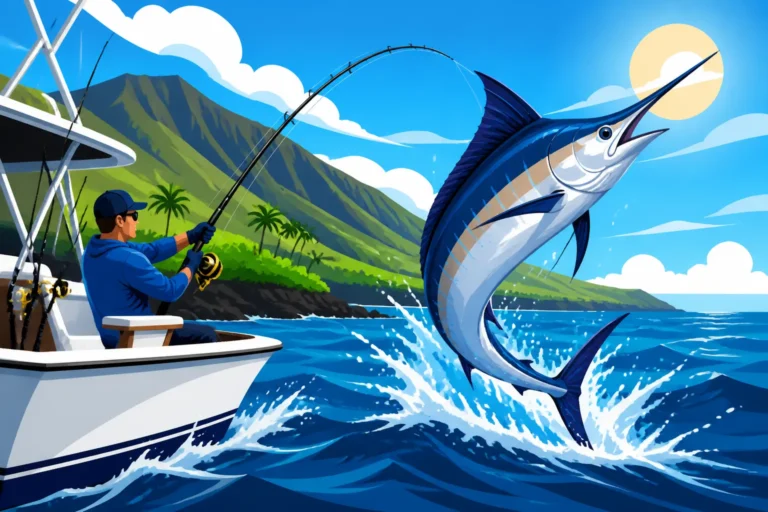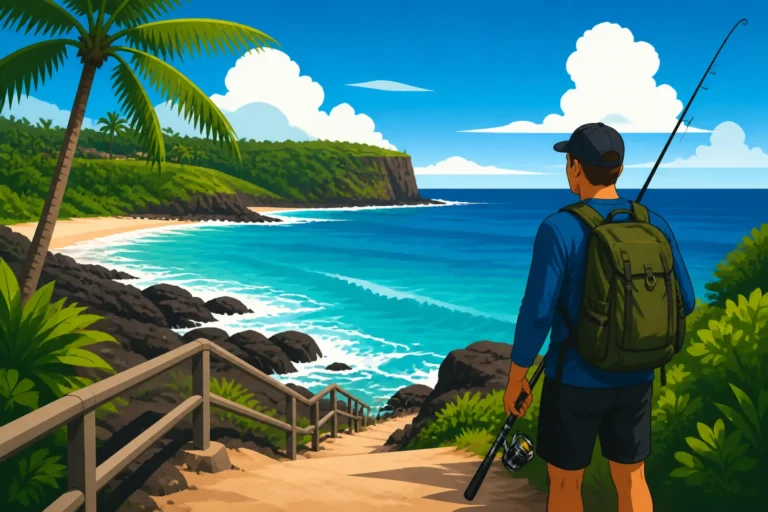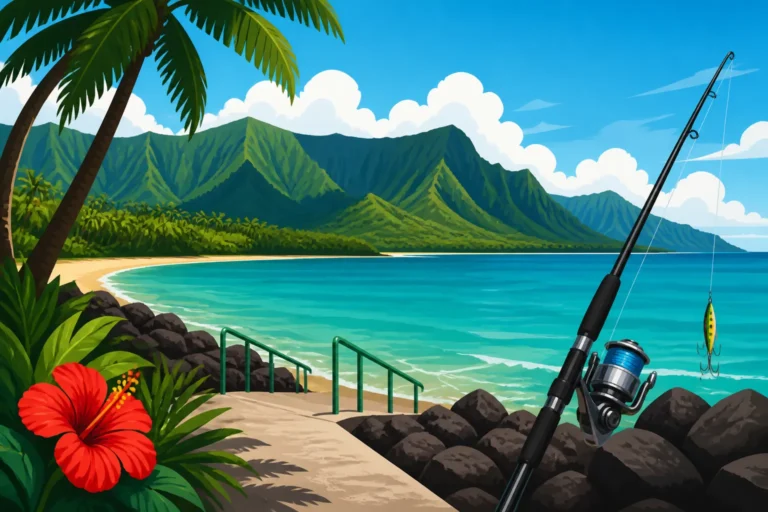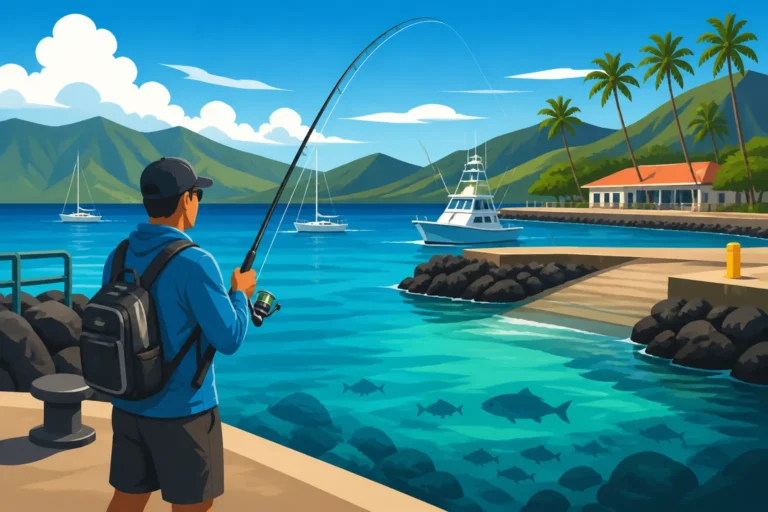
Best surf fishing spots on the North Shore
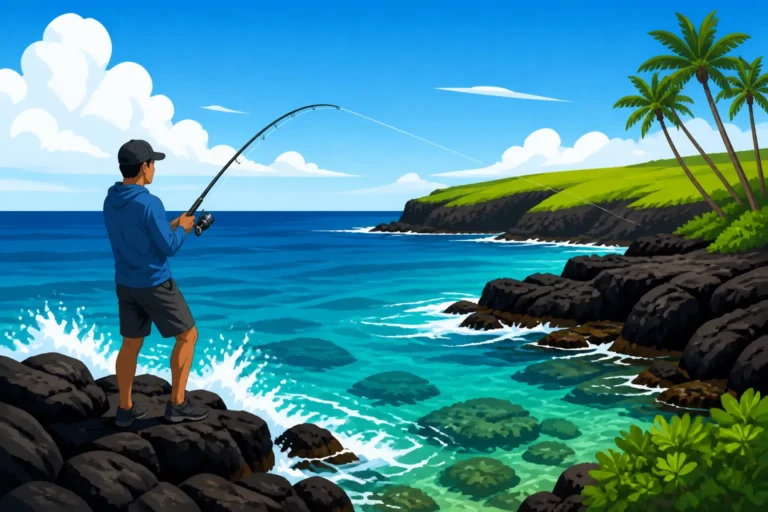
Finding those perfect surf fishing spots on Oahu's legendary North Shore can feel like cracking a secret code. You're dreaming of reeling in a trophy ulua or a feisty papio, but then you arrive, and it’s either packed with surfers, the waves are too colossal, or you just don't know where to start looking. It's a real challenge to navigate the powerful currents and local knowledge to find a productive stretch of sand or reef. But don't you worry, this guide is here to cut through the confusion and lead you to the best North Shore surf fishing spots, helping you understand the unique dynamics, master the techniques, and respect the local fishing culture for a truly memorable experience.
Understanding North Shore Surf Fishing Dynamics
The North Shore of Oahu isn't just famous for its monstrous winter swells; it's a dynamic and incredibly rich fishing ground, offering both unparalleled excitement and unique challenges. Anglers who take the time to understand its rhythm are often rewarded with some of Hawaii's most prized catches.
The Allure and the Challenges of North Shore Surf
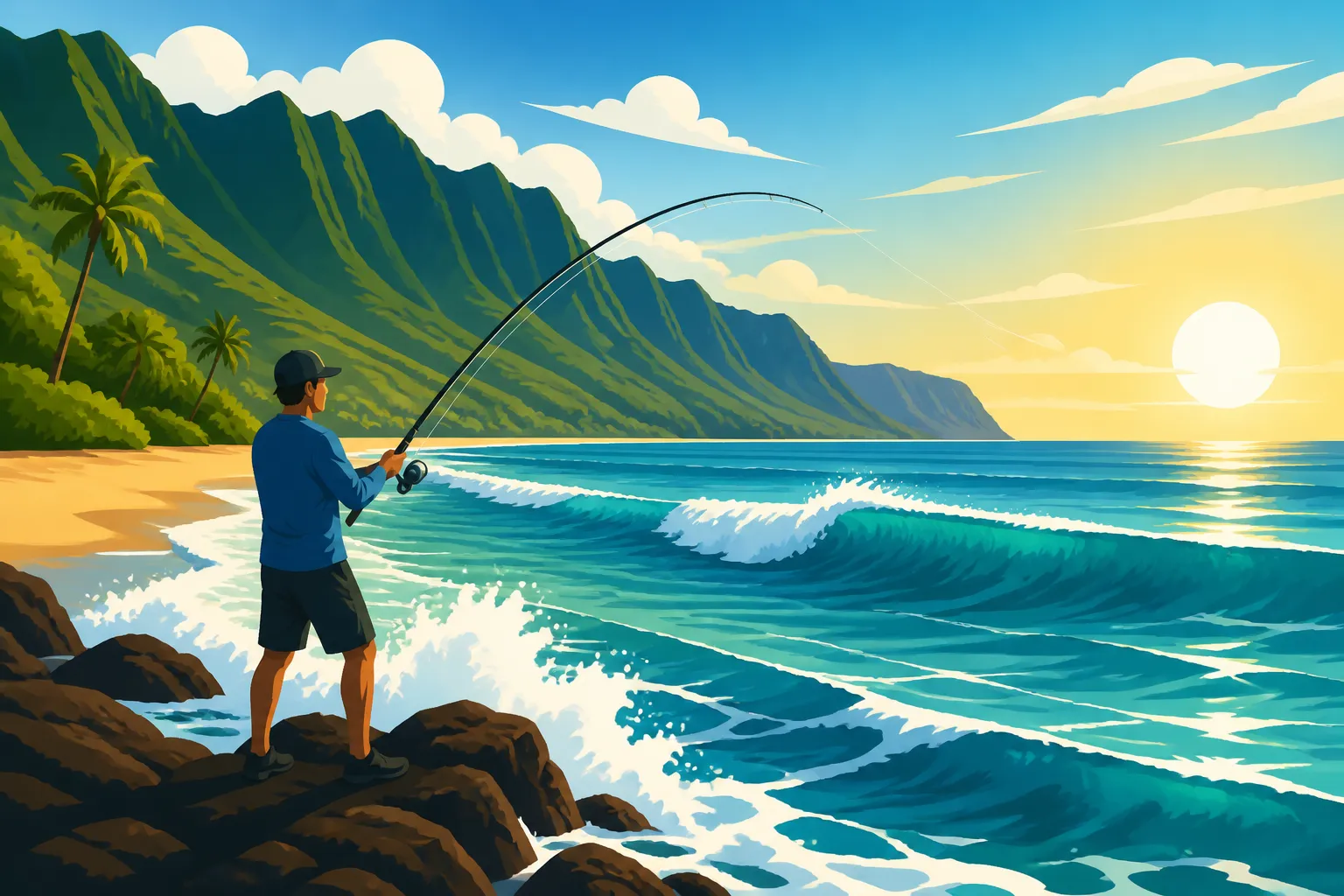
There’s an undeniable pull to fishing the North Shore. The raw power of the Pacific, the dramatic coastline, and the sheer abundance of marine life create an almost spiritual experience. Picture yourself casting a line into that iconic blue water, knowing a monster ulua could be lurking just beyond the breaking waves. It's exhilarating!
However, let's be realistic – it's not always easy. The legendary winter surf brings huge waves that can make shore fishing nearly impossible, not to mention dangerous. Strong currents can rip your bait away, and finding a stretch of beach without a crowd of surfers or beachgoers can be a challenge, especially during peak season. You might feel like you're constantly searching for that elusive, uncrowded sweet spot. Even during calmer summer months, the ocean still holds incredible power, demanding respect and careful observation. It really pays to understand the local conditions and choose your days wisely to ensure both safety and success.
Target Species and Bait Choices for North Shore Surf
When you're casting into the North Shore's surf, you're primarily aiming for some of Hawaii's most iconic and hard-fighting inshore species. The undisputed king of the surf is the Ulua, also known as Giant Trevally. These powerful fish can grow to immense sizes and offer a fight you'll never forget. Their smaller, but equally aggressive, counterparts, the Papio (juvenile Trevally), are also a common and welcome catch.
Beyond the trevally family, you might hook into Moi (Pacific Threadfin), known for their delicate flavor and distinctive comb-like fins, especially when the water is calm and clear. Oio (Bonefish) also cruise the shallower flats and sandy channels, offering a thrilling fight on lighter tackle. You could also encounter various reef fish, though targeting them specifically in the heavy surf is less common.
For bait, you’ll want something hardy that can withstand the casting distance and currents. Eels (often frozen), squid, and various cut baits like opelu (mackerel scad) or akule (bigeye scad) are excellent choices for ulua and larger papio. Many local anglers also swear by live bait like oama (juvenile goatfish) when they can be found, as they’re irresistible to many predators. For smaller papio, whipping with artificial lures like Kastmaster spoons, poppers, or various plastics can be incredibly effective, especially around sunrise and sunset.
Top Surf Fishing Hotspots on Oahu's North Shore
Oahu's North Shore is a string of legendary beaches and rocky points, each with its own character and fishing potential. Knowing where to go and what to expect is half the battle.
Waimea Bay: Beyond the Big Waves
When most people hear "Waimea Bay," they immediately think of colossal waves and professional surfers. But did you know this iconic spot also offers fantastic surf fishing, especially on calmer days or during the summer months when the swells are less intense? The bay itself features a prominent sandy beach bordered by rocky points on either side. The Waimea River, which flows into the bay, can create interesting current breaks and attract baitfish, making the river mouth a prime target for opportunistic predators.
Anglers here often find success casting into the deeper channels and near the rocky outcrops where fish can ambush prey. Early mornings, before the beach fills with swimmers and sightseers, are usually the most productive times. You’re likely to encounter Papio, and if you’re lucky and your bait is big enough, a cruising Ulua. Moi also frequent the sandy bottom of the bay in calmer conditions. It’s worth exploring the different sections of the bay, paying attention to where the sand meets the rock. You can find more detailed access information in our guide to Waimea Bay Fishing Access.
Ka'ena Point State Park: Remote and Rewarding
For those willing to put in a little extra effort, Ka'ena Point State Park, at the very western tip of Oahu, is a truly wild and rewarding surf fishing destination. Reaching the point requires either a long hike or a 4×4 vehicle (with proper permits) along a rugged dirt road. But trust me, the journey is part of the allure. This remote area boasts dramatic rocky cliffs, hidden sandy coves, and deep water access very close to shore, making it a hotspot for bigger pelagic species that come closer to the coast.
The currents here can be incredibly strong, so heavy tackle is a must. Ulua are definitely the main draw, with many local legends of monster fish hooked from these shores. Omilu (Bluefin Trevally) are also frequently caught. Because of its remote nature, you'll often find more solitude here, allowing for uninterrupted fishing. Always be aware of the powerful waves and currents, and never turn your back on the ocean. Pack plenty of water, snacks, and sun protection, as services are non-existent.
Kahuku Beach and Beyond: Miles of Opportunity
Moving east from the more famous North Shore surfing breaks, you'll find the extensive coastline around Kahuku, offering miles of diverse shoreline that can be incredibly productive for surf fishing. This area tends to be less crowded than the more popular surfing beaches, giving anglers more room to spread out and explore. The terrain varies from long stretches of sandy beach to areas with exposed reef and rocky points.
These long sandy stretches are fantastic for traditional bait fishing, especially for species like Ulua and Papio that patrol the surf zone for food. Areas with a mix of sand and scattered reef are also excellent for whipping with lures, targeting Papio and sometimes even smaller Omilu. One notable area is around Malaekahana State Recreation Area, which provides good public access and a mix of habitats. The key here is mobility – don't be afraid to walk a bit and scout for promising channels, holes, or current breaks. Our article on Kahuku Beach Shore Fishing can give you even more insights into this expansive coastline. When planning your trip, consider checking out local charter options on FishingBooker if you want a guided experience with someone who knows these specific spots intimately and can take you directly to the action.
Sunset Beach and Ehukai Beach Park: Reef and Sand Mix
Even in the heart of the North Shore's famous surf breaks, spots like Sunset Beach and Ehukai Beach Park (home of the Banzai Pipeline) can offer decent surf fishing, especially during periods of smaller surf. While you'll need to be highly mindful of surfers and swimmers, particularly during big swell events, these areas feature a fascinating mix of sandy beaches with underlying and fringing reef structures.
The reef provides excellent habitat for baitfish and smaller reef species, which in turn attracts larger predators like Papio and Moi. Casting into sandy pockets adjacent to reef structures can be particularly effective. Fishing early in the morning or late in the evening, when the crowds are thinner, is usually your best bet. Always use caution and respect the ocean's power. It’s a delicate balance of finding an open spot and casting effectively without interfering with others enjoying the water.
Essential Techniques and Gear for North Shore Surf Fishing
Successfully tackling the North Shore's surf requires more than just knowing where to fish; it demands the right gear and a solid understanding of effective techniques. The ocean here is powerful, and your tackle needs to match that strength.
Rods, Reels, and Rigging for Big Surf
When fishing the North Shore, you'll want to leave your light freshwater gear at home. This is big water, requiring heavy-duty tackle capable of casting long distances and handling powerful fish in strong currents.
Rods: Opt for long, powerful surf rods, typically ranging from 10 to 13 feet, with a heavy action. These rods provide the leverage needed to cast heavy sinkers and baits, and the backbone to fight large Ulua. Look for rods rated to cast 4-8 ounces or more.
Reels: Pair your rod with a robust spinning reel or a conventional (casting) reel designed for saltwater surf fishing. Reels should have excellent drag systems and a high line capacity. Sizes typically range from 8000 to 14000 for spinning reels, or comparable conventional reels, spooled with 40-80 lb braided line.
Line: Braided line is popular for its strength-to-diameter ratio and lack of stretch, which helps with feeling bites at a distance. Always use a heavy monofilament or fluorocarbon leader, at least 80-150 lb test, to withstand abrasion from rocky bottom and the powerful jaws of trevally.
Rigs: The most common rig for Ulua is a sliding sinker rig. This involves a heavy pyramid or Sputnik sinker (designed to dig into the sand and hold bottom) sliding freely above a heavy swivel, which is then tied to a leader and a strong hook (often a 10/0 to 14/0 circle hook for Ulua). This allows the fish to pick up the bait without feeling the weight of the sinker. For more detailed insights on setting up your gear, check out our guide on the Best rod setup for surfcasting ulua.
Reading the Water and Safety First
Understanding how to "read" the ocean is crucial for both success and safety on the North Shore. The constant movement of waves creates temporary features that fish use for feeding.
Reading the Water: Look for channels, troughs, and sandbars. Channels are deeper areas between sandbars where fish often travel. Troughs are depressions closer to shore that can hold baitfish. Rip currents, while potentially dangerous, can also be productive as they pull baitfish and nutrients offshore, attracting larger predators. Identify areas where waves are breaking consistently further out, indicating sandbars, and where they seem to flatten out before hitting the shore, suggesting deeper channels. Pay attention to changes in water color and wave patterns.
Safety First: The North Shore is breathtakingly beautiful but can be incredibly dangerous.
- Never turn your back on the ocean. Rogue waves can appear without warning.
- Fish with a buddy, especially in remote areas.
- Check surf forecasts religiously. Websites like Surfline or the local news provide essential information on swell size and direction. Our article on When Hawaii's ocean waters get too rough to shore fish offers great advice on this.
- Be aware of tides and currents. Strong currents can make wading treacherous and quickly pull you offshore.
- Respect warning signs and stay clear of dangerous areas.
- Wear appropriate footwear if you're fishing rocky areas, and consider a PFD (personal flotation device) if wading into deeper water.
Best Time of Day and Year
Timing is everything when it comes to North Shore surf fishing. The right conditions can mean the difference between an empty cooler and a day to remember.
Time of Day:
- Early mornings (pre-dawn to sunrise): This is arguably the most productive time for almost all surf species. Fish are often more active, feeding in lower light conditions, and the beaches are less crowded.
- Late evenings (sunset to dark): Similar to mornings, the transition into night can trigger a strong bite. Night fishing for Ulua is legendary, as these nocturnal predators move into shallower waters under the cover of darkness.
- Night Fishing: For trophy Ulua, night fishing is often the preferred method. The fish are more confident, and the beach is entirely yours. You'll need headlamps, glow sticks for your rod tips, and extra caution. Learn more about optimal timing in our guide on the Best time of day to catch ulua from shore.
Time of Year:
- Summer (roughly May-September): Generally offers calmer ocean conditions, making more spots accessible and safer for surf fishing. The smaller waves mean less current to contend with, and targeting species like Moi becomes more feasible. It's a fantastic time for Papio and smaller Ulua.
- Winter (roughly October-April): This is the big wave season. While many famous surf breaks become impassable for fishing, the sheer power of the ocean can also stir up food and bring larger Ulua closer to shore in certain protected areas or during lulls in swell. It requires careful planning and seeking out less exposed coastlines. You'll also find excellent guides on FishingBooker who specialize in navigating these seasonal shifts and can take you to the most productive spots regardless of the time of year.
- Tides: Always check the tide charts. Strong incoming or outgoing tides often create currents that trigger feeding frenzies, particularly around sunrise and sunset.
Regulations and Responsible Angling on the North Shore
Fishing in Hawaii is a privilege, and understanding and adhering to local regulations is paramount. The North Shore is no exception. Responsible angling ensures that these incredible fishing grounds remain healthy for generations to come.
Understanding Hawaii's Fishing Rules
It's a common misconception that you don't need a fishing license in Hawaii. While Hawaii residents are exempt from needing a marine recreational fishing license for most ocean fishing, non-residents do need a license if they're fishing in freshwater or if they're engaging in certain commercial activities. For most recreational ocean shore fishing by non-residents, a license is generally not required, but it's always best to double-check the latest regulations from the Division of Aquatic Resources (DAR). Our detailed guide, Do You Need a Fishing License in Hawaii, clarifies these nuances.
Beyond licenses, every angler must be aware of specific bag and size limits for various species. For example, Moi have specific minimum sizes and may have closed seasons, and Uhu (parrotfish) also have regulations regarding size and bag limits. Ulua and Papio, while often catch-and-release targets, also have rules you should know. These regulations are designed to protect fish populations and ensure sustainable fishing. Ignorance of the law is no excuse, and penalties for violations can be significant. Always consult the Hawaii Department of Land and Natural Resources (DLNR) Division of Aquatic Resources (DAR) website for the most current information. You can find comprehensive details in our article on Hawaii Bag and Size Limits by Species.
Protecting the Environment and Local Culture
Fishing on the North Shore isn't just about catching fish; it's about connecting with a place of deep cultural and ecological significance. Responsible angling means treating the 'aina (land) and kai (ocean) with the utmost respect.
Leave No Trace: Always pack out everything you pack in, and then some. This includes discarded fishing line, bait containers, food wrappers, and anything else you bring. Litter not only degrades the beauty of these spots but can also harm marine life. Many local fishing spots lack trash receptacles, so be prepared to carry your refuse with you.
Respect Private Property and Access Points: While Hawaii has strong public access laws, always be mindful of private property. Use designated access points and do not trespass. Local residents have lived and fished these waters for generations, so be courteous, share the space, and observe local customs. A friendly "Aloha" goes a long way.
Be Mindful of Marine Life: Hawaii is home to numerous protected species, including the critically endangered Hawaiian monk seal and several species of sea turtles (honu). If you encounter one of these animals, keep a respectful distance (at least 10-50 feet, depending on the species and situation) and never harass or feed them. If you accidentally hook a protected animal, know how to safely release it without causing further harm, and report the incident to the appropriate authorities. Understanding and respecting these guidelines is crucial, and you can learn more in our article about Hawaii turtle and monk seal proximity rules for anglers. Many local guides, found through resources like FishingBooker, are excellent at modeling and teaching these responsible practices.
Surf Fishing Spot Overview
Here’s a quick glance at some of the North Shore's best surf fishing locations, their primary targets, and ideal conditions:
| Spot Name | Primary Target Species | Best Conditions | Key Features | Notes |
|---|---|---|---|---|
| Waimea Bay | Papio, Ulua, Moi | Calm surf, early morning/evening | Sandy beach, river mouth, rocky points | Avoid peak surf/crowds; look for channels. |
| Ka'ena Point State Park | Ulua, Omilu (Bluefin Trevally) | Any time (with caution), incoming tide | Remote, rocky cliffs, deep water close to shore | Requires hike/4×4, strong currents; big fish potential. |
| Kahuku Beach | Ulua, Papio | Calm to moderate surf, night | Long sandy stretches, some scattered reef | Less crowded, good for bait and whipping; explore varied terrain. |
| Sunset Beach/Ehukai Beach | Papio, Moi, smaller reef fish | Calm surf, early morning/evening | Sand and fringing reef mix | Be highly aware of surfers; target sandy pockets near reef. |
Disclaimer
The information provided in this guide is for general informational purposes only. Fishing regulations in Hawaii can change frequently. It is the responsibility of each individual angler to stay informed of and comply with all current local, state, and federal fishing laws and regulations before engaging in any fishing activity. Always prioritize your safety and the preservation of Hawaii's unique marine environment.